
206 articles in 15 themes
 Food and drinkBento
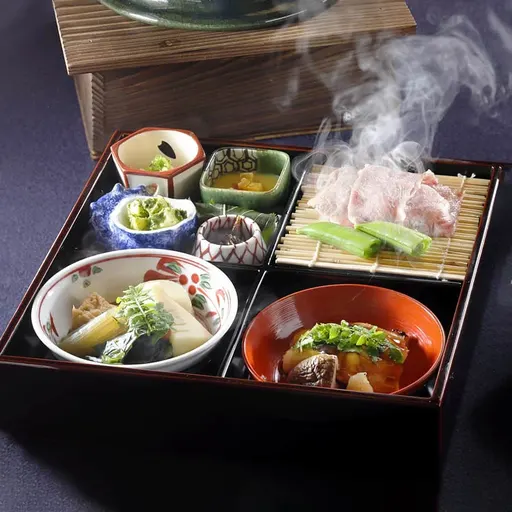
Why Japanese bento is made to taste good cold, and how it moved from samurai rations to kabuki intervals, station ekiben and the family kitchen.
 Food and drinkDagashiya
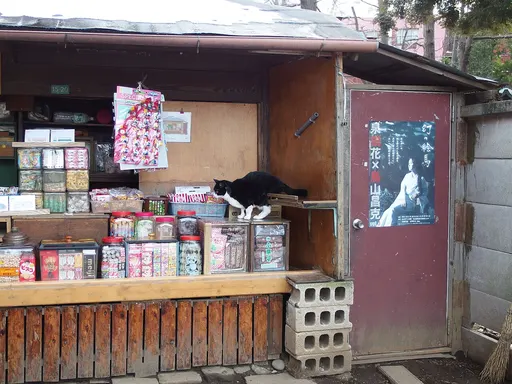
What Japan’s neighborhood penny-candy shops sold, why their prize tickets kept children coming back, how most disappeared, and where to find one today.
 Food and drinkDashi
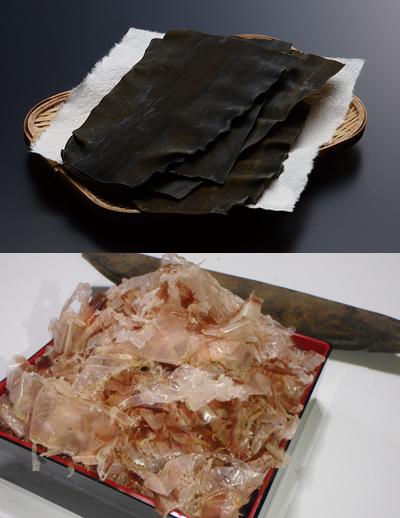
How kombu and bonito become Japan’s basic stock, how a Tokyo chemist named umami, and why Tokyo’s noodle broth is darker than Ōsaka’s.
 Food and drinkDepartment Stores and Depachika
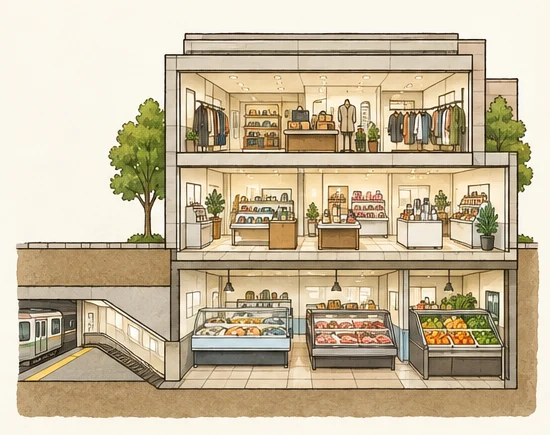
How Japan’s department stores grew from Edo kimono drapers and railway terminals, why their food basements thrive, and how to shop them as a visitor.
 Food and drinkDonburi
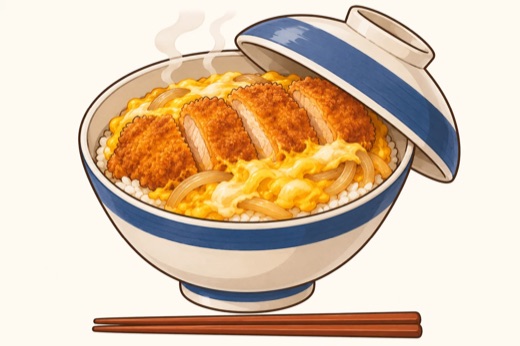
How Japan’s rice bowls grew from Edo-period eel on rice into gyūdon, oyakodon and regional katsudon, why one bowl works so well, and how to order and eat them.
 Food and drinkGyoza
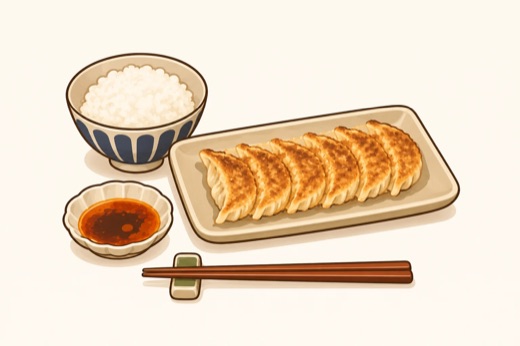
How pan-fried gyoza came to Japan with postwar repatriates from Manchuria, why they are eaten with rice and beer, and why Utsunomiya and Hamamatsu compete every year.
 Food and drinkIzakaya
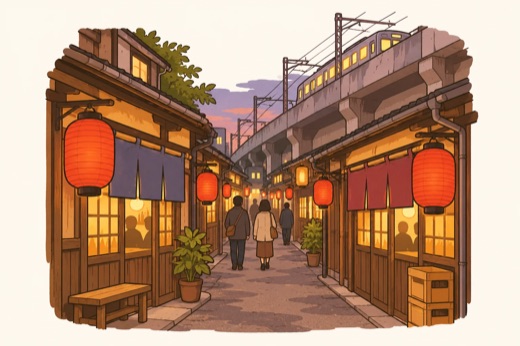
From Edo sake shops to red-lantern bars: where the izakaya came from, what to order and drink, and how a first-timer can settle in comfortably.
 Food and drinkJapanese Curry
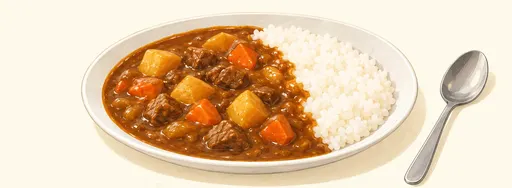
How curry reached Japan by way of Britain, spread through the navy and boxed roux, and branched into katsu curry, soup curry and more.
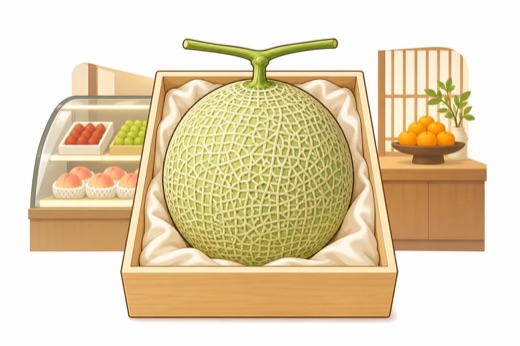 Food and drinkJapanese Fruit
Why Japanese fruit is so costly and so often given as a gift, how growers produce flawless melons and grapes, and where travelers can taste them.
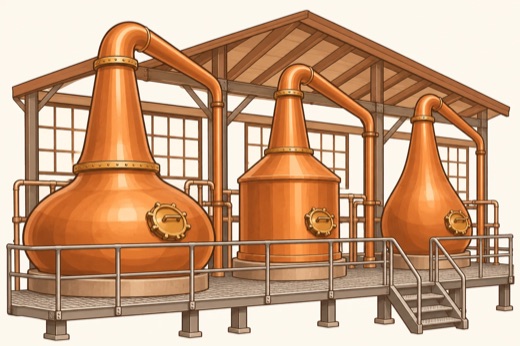 Food and drinkJapanese Whisky
How a disagreement between Taketsuru Masataka and Torii Shinjirō shaped Japanese whisky, why it survives dilution, what the label standard requires, and how to drink it.
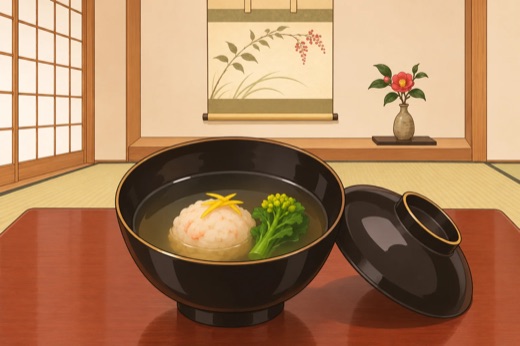 Food and drinkKaiseki
Two kinds of kaiseki share one sound: the tea meal that serves rice first and the sake banquet that ends with it, plus how to eat one.
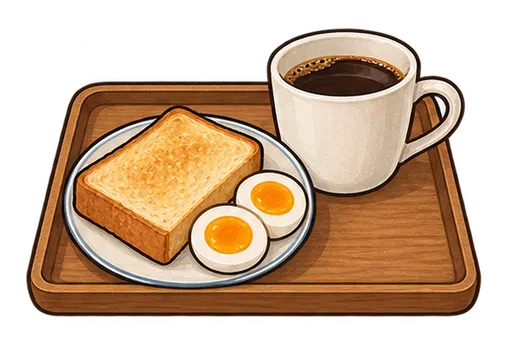 Food and drinkKissaten
What sets the Japanese kissaten apart from chain cafés, how it grew from Meiji salons into the living room of Shōwa cities, and what to expect inside one today.
 Food and drinkKonbini
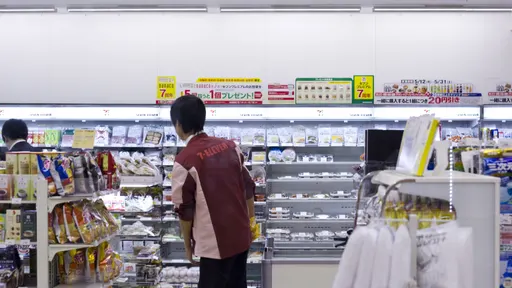
How the American convenience store became Japan’s everyday infrastructure: its history, hidden systems, signature foods, human costs, and how visitors can use one well.
 Food and drinkMatcha
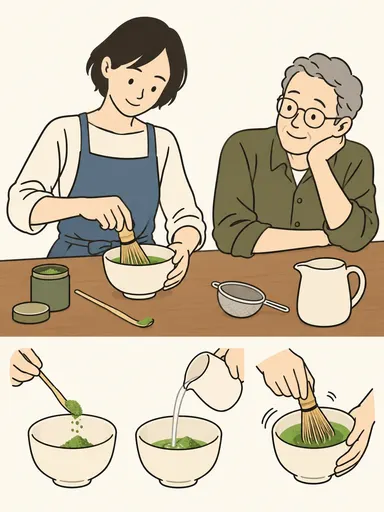
How shade-grown leaf is stone-milled into matcha, how Song-dynasty whisked tea survived in Uji, and how to drink and buy it well in Japan.
 Food and drinkNatto
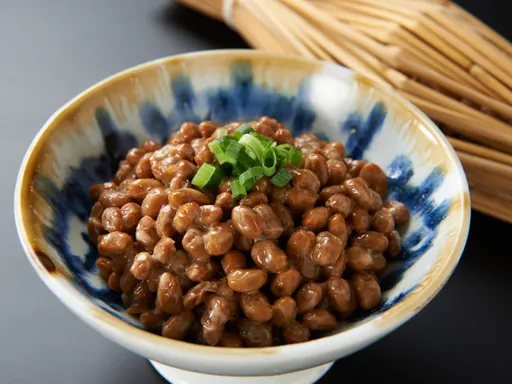
What makes natto stringy, how it moved from straw bundles to factory tubs, why eastern Japan eats far more of it, and how a first-timer should eat it.
 Food and drinkOkonomiyaki and Takoyaki
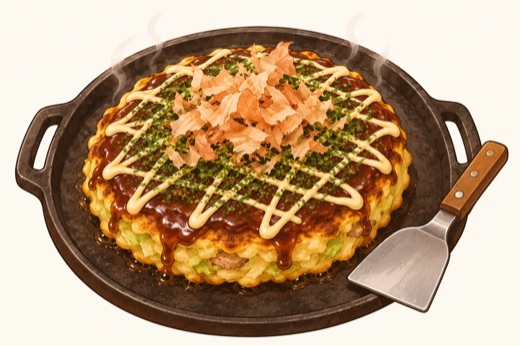
Why Ōsaka mixes its okonomiyaki and Hiroshima layers it, how takoyaki batter is turned into spheres, and how to order and eat at the griddle.
 Food and drinkOnigiri
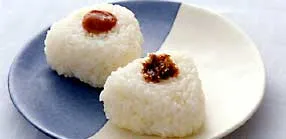
How rice, salt, and nori become Japan’s simplest food, from soldiers’ rations to the convenience-store wrapper, and where to eat a good one.
 Food and drinkRamen
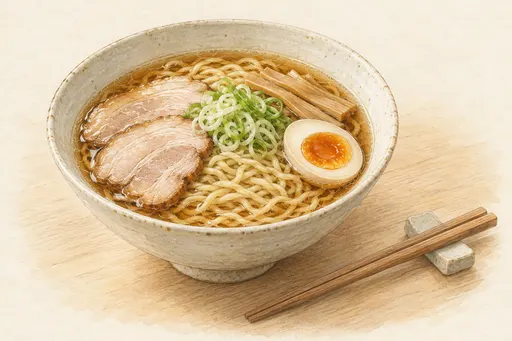
How Chinese noodle soup became Japan’s everyday meal, what goes into a bowl, how Sapporo, Hakata and Kitakata styles differ, and how to order at a ticket machine.
 Food and drinkSake
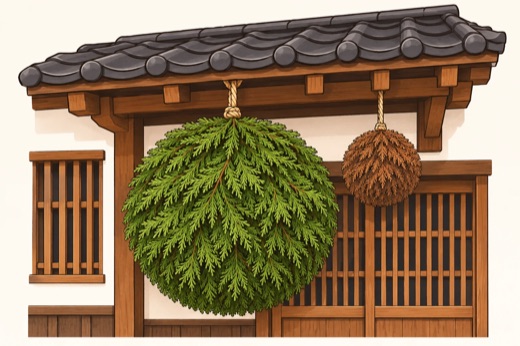
How rice, kōji, and water become sake, what ginjō and polishing ratios on the label mean, and how to order it chilled or warm.
 Food and drinkJapanese Green Tea
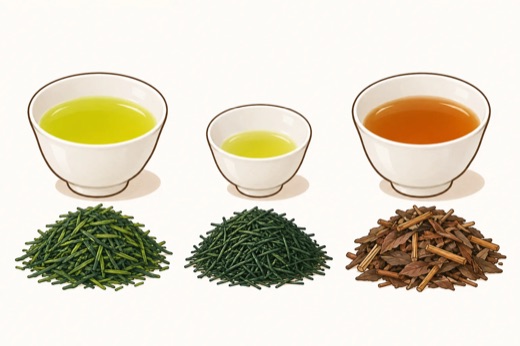
Why Japanese green tea is steamed, how shading makes gyokuro sweet and roasting gives hōjicha its aroma, and how to brew and buy tea in Japan.
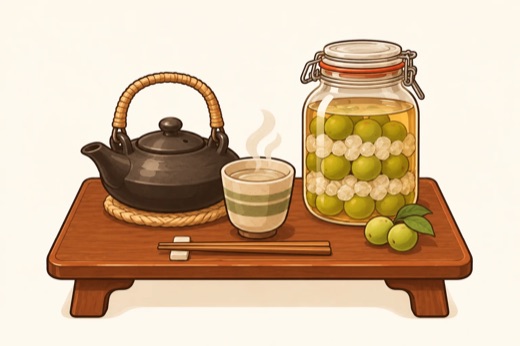 Food and drinkShochu and Umeshu
Where shochu came from, how sweet potato, barley, rice and brown sugar define its regions, how to drink it, and why Japanese families steep umeshu every June.
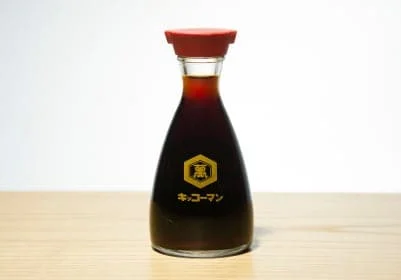 Food and drinkSoy Sauce and Miso
Soy sauce and miso both come from kōji fermentation; here are the five soy sauce types, regional miso, how Chōshi and Noda shaped Edo taste, and where to taste them.
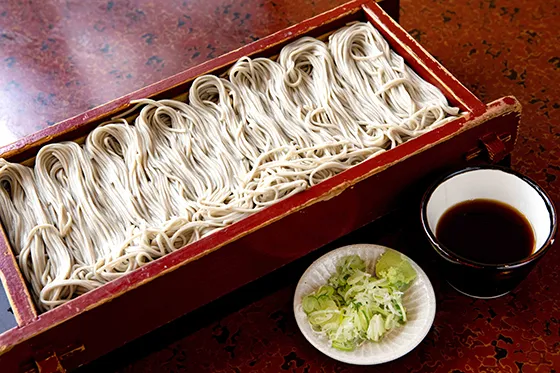 Food and drinkSoba
Follows buckwheat from mountain famine crop to Edo street food and New Year’s Eve ritual, explaining how soba is made, regional styles, and how to order and eat it.
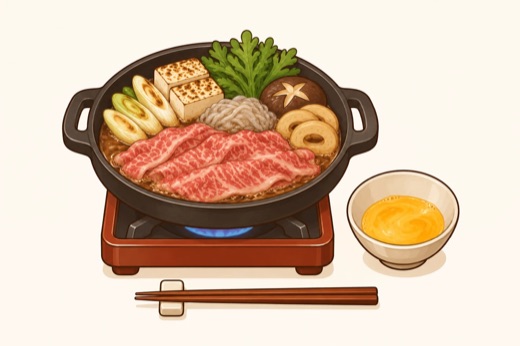 Food and drinkSukiyaki and Shabu-Shabu
Sukiyaki keeps the flavor in the pot and shabu-shabu leaves it outside; how Meiji beef pots and a postwar Ōsaka invention became Japan’s celebration meals.
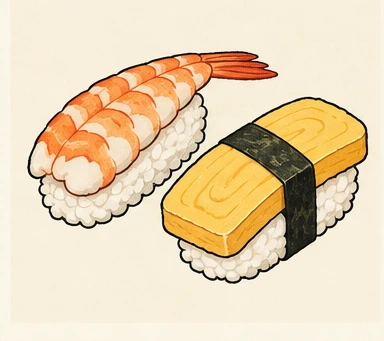 Food and drinkSushi
How sushi went from fermented lake fish to Edo street-stall nigiri, what rice and topping each contribute, the regional styles, and how to order at a counter.
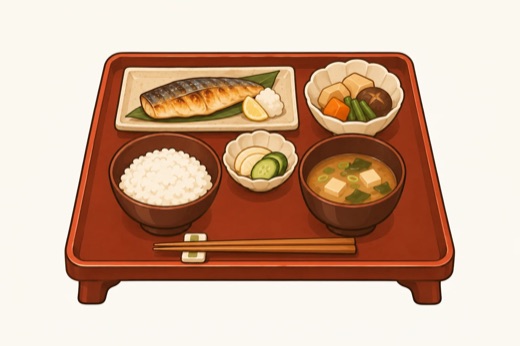 Food and drinkChopsticks and Table Manners in Japan
Why Japanese meals need only chopsticks, which chopstick habits recall funeral rites, and the basic manners that carry a visitor through a meal in Japan.
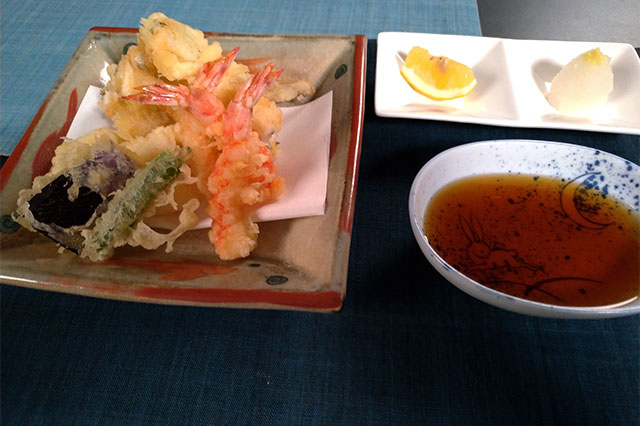 Food and drinkTempura
Why tempura’s thin shell matters, how Edo street-stall skewers became Tokyo counter courses, and how to eat it, from cheap tendon to a chef’s counter.
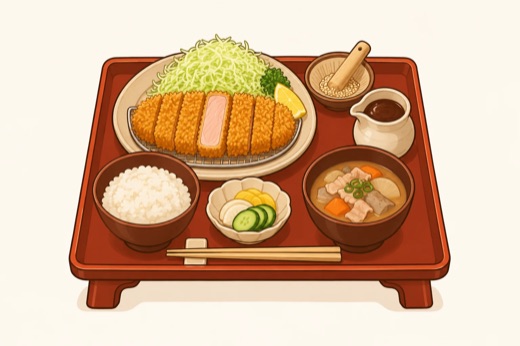 Food and drinkTonkatsu and Japan’s Fried Foods
How a European cutlet became Japan’s tonkatsu with rice and shredded cabbage, plus croquettes, kushikatsu, karaage, and how to order and eat them.
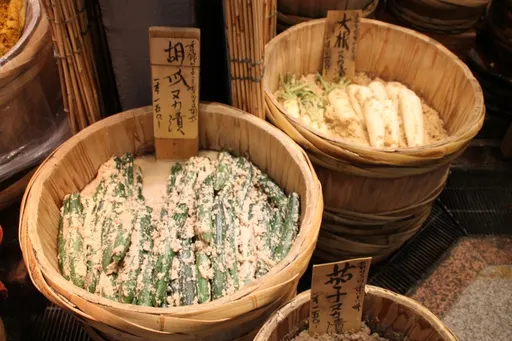 Food and drinkTsukemono
How Japanese pickles are made in salt, rice bran and sake lees, why they belong beside rice, and which regional classics to taste and buy.
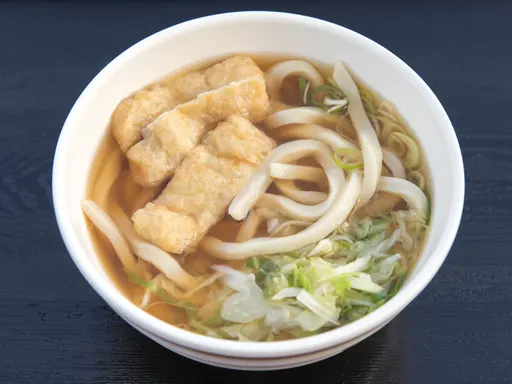 Food and drinkUdon
What gives udon its chewy bite, why western Japan prefers it to soba, how Kagawa became the 'Udon Prefecture,' and how to order at a self-service shop.
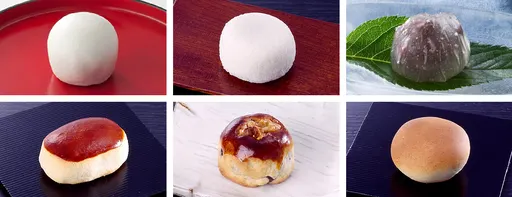 Food and drinkWagashi
Japanese confectionery built around sweet bean paste: its roots in Chinese and Portuguese sweets, its seasonal tea-ceremony forms, street taiyaki, and how to buy and eat it.
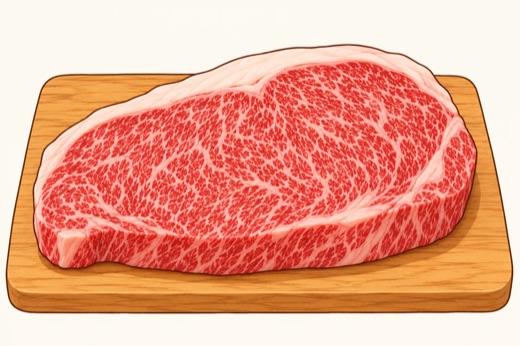 Food and drinkWagyu
What legally counts as wagyu, how centuries of draft cattle became marbled beef, what stands behind Kōbe and Matsusaka, and how to eat it well in Japan.
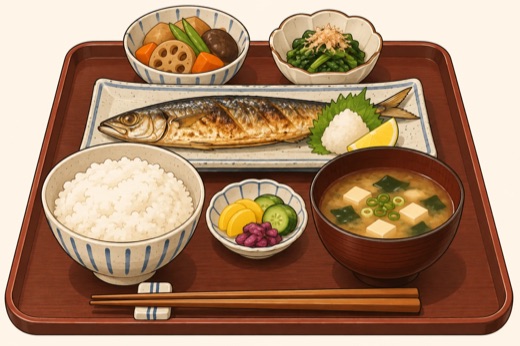 Food and drinkWashoku
Starting from the set-meal tray, this explains dashi, the history behind rice, fish and soy, and how to read an everyday Japanese meal.
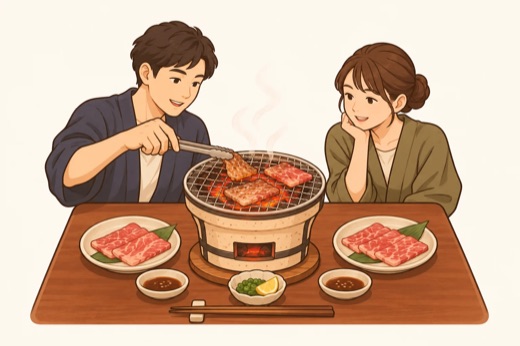 Food and drinkYakiniku
Japanese tabletop grilling grew from postwar Korean offal stalls into a national celebration meal; this covers the cuts, the ordering rules and how to eat it.
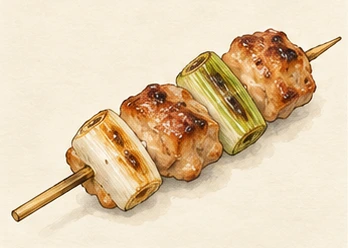 Food and drinkYakitori
How yakitori breaks one chicken into twenty-odd cuts, why binchōtan charcoal matters, how street stalls led to Michelin counters, and how to order.
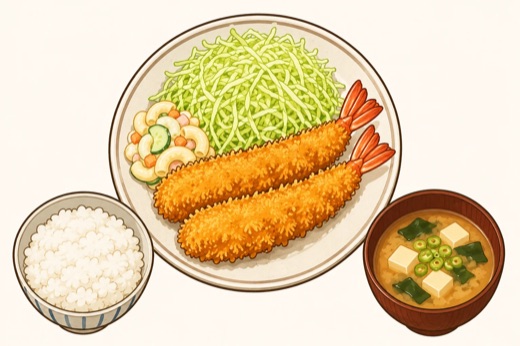 Food and drinkYōshoku
How Meiji meat-eating, a Ginza pork cutlet, hotel kitchens and department-store dining halls turned European dishes into Japanese food eaten with rice.
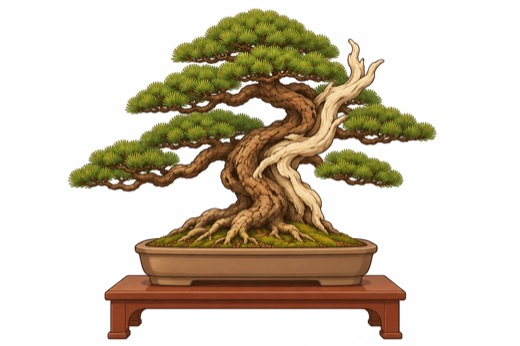 Tea, flowers, calligraphy and aestheticsBonsai
How ordinary trees become miniature ancient landscapes in Japan, from Chinese potted scenery to Ōmiya Bonsai Village, and how to look at a fine bonsai.
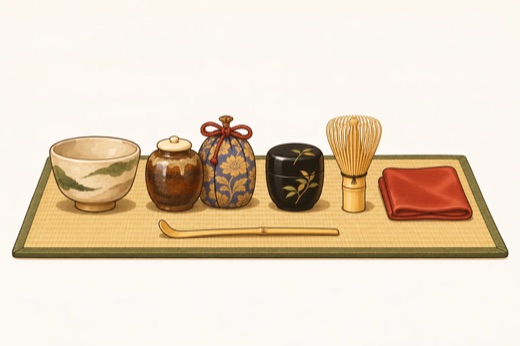 Tea, flowers, calligraphy and aestheticsThe Way of Tea (Chanoyu)
How wabi tea grew from Jukō to Sen no Rikyū, what the tea room, utensils and two teas mean, and how to be a guest at a tea session.
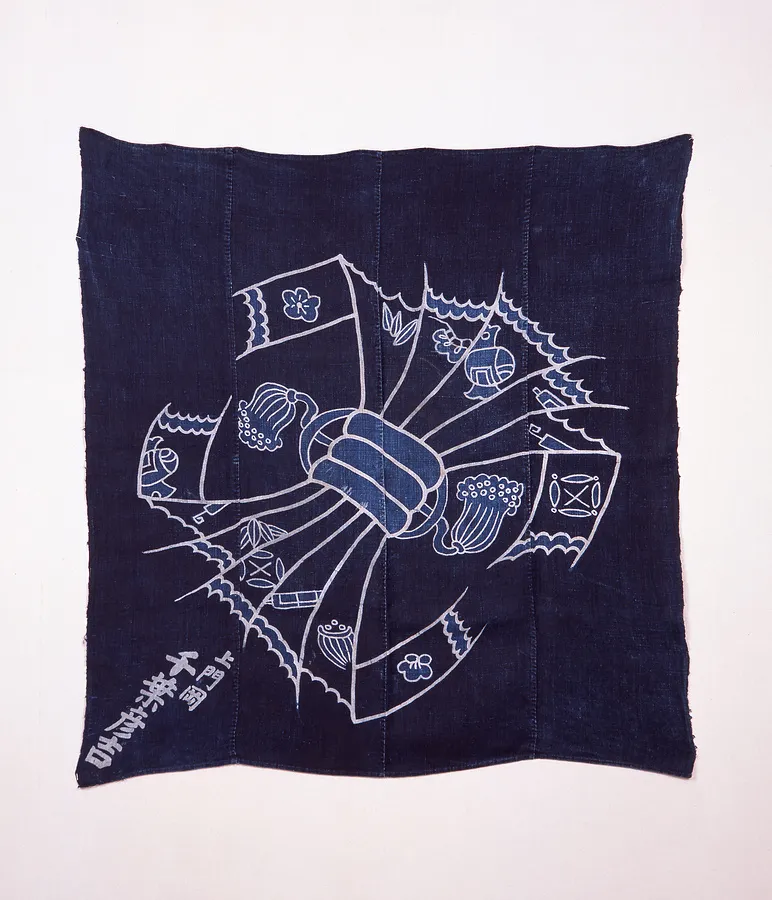 Tea, flowers, calligraphy and aestheticsFuroshiki and Tenugui
Two uncut pieces of cloth: where the furoshiki got its name and how it is knotted, and why tenugui ends stay raw and chūsen dye shows on both sides.
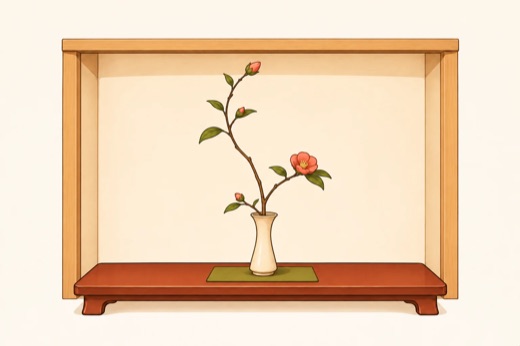 Tea, flowers, calligraphy and aestheticsIkebana
Why ikebana uses so little: lines, empty space and season, traced from Ikenobō’s temple rikka and tea-room flowers to Sōgetsu’s avant-garde, with tips for seeing and trying it.
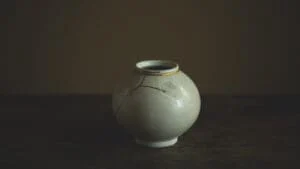 Tea, flowers, calligraphy and aestheticsKintsugi
How a broken bowl is rejoined with lacquer and dusted with gold, the tea-world bowls that made the craft famous, and where to see or try it.
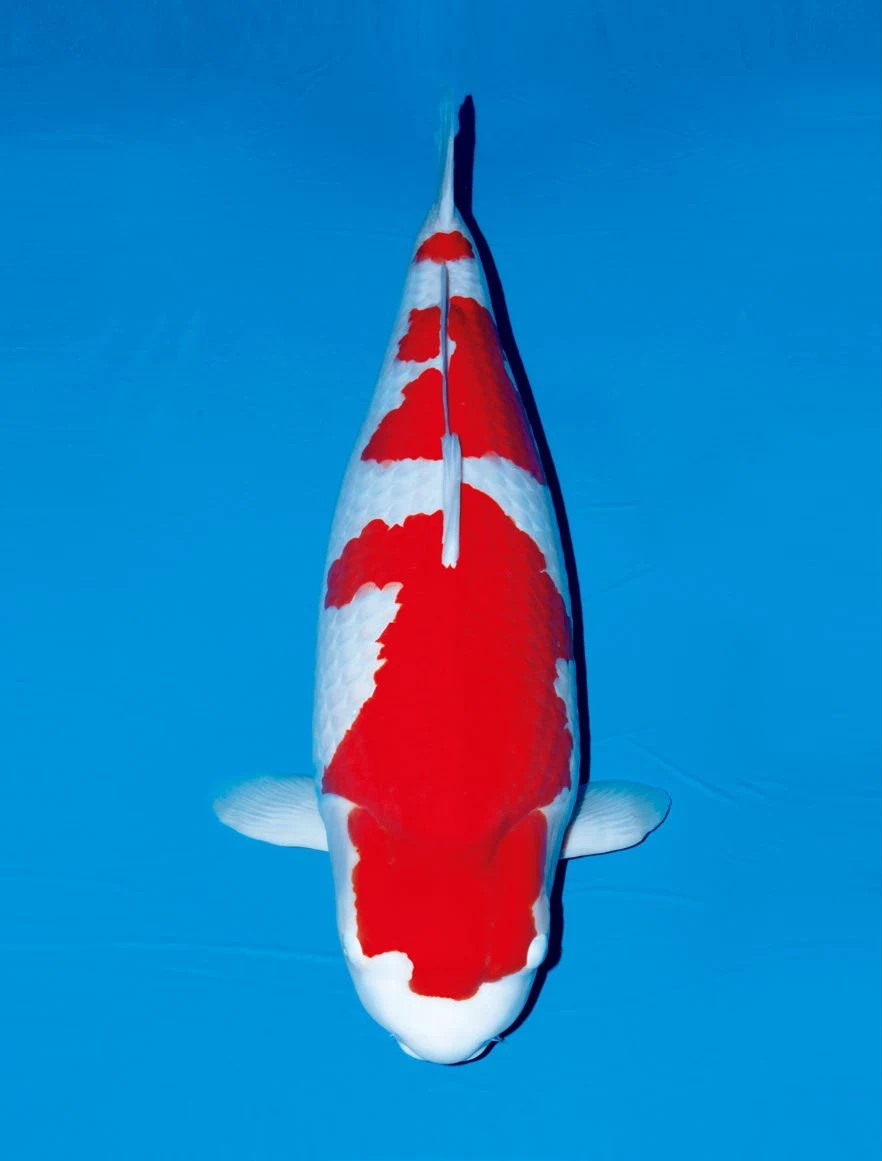 Tea, flowers, calligraphy and aestheticsKoi
How hill farmers in Niigata bred food carp into Kohaku, Sanke and Shōwa, how the Japanese judge koi from above, and where to see them.
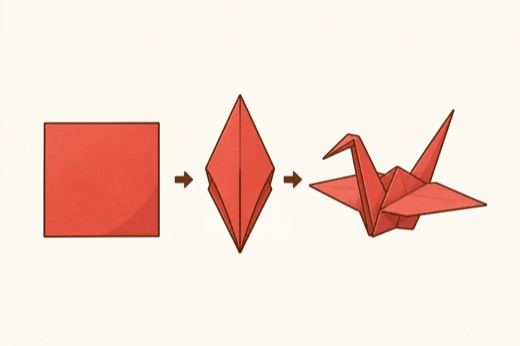 Tea, flowers, calligraphy and aestheticsOrigami
Folded paper in Japan, from ceremonial wrappings and Edo-period linked cranes to Sadako’s thousand cranes, Yoshizawa Akira’s art and the Miura fold used in space.
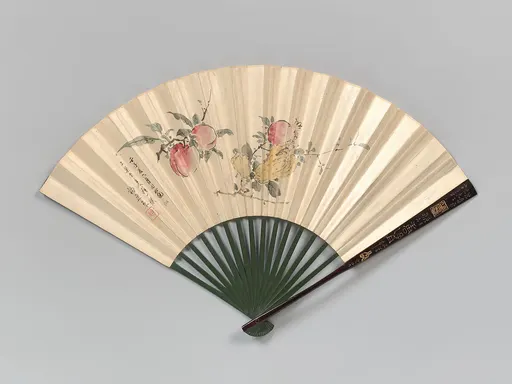 Tea, flowers, calligraphy and aestheticsJapanese Fans
The folding fan as a Japanese invention, from Heian court fans and Kyoto’s many-handed craft to the closed fan of tea, Noh and rakugo, plus the everyday summer uchiwa.
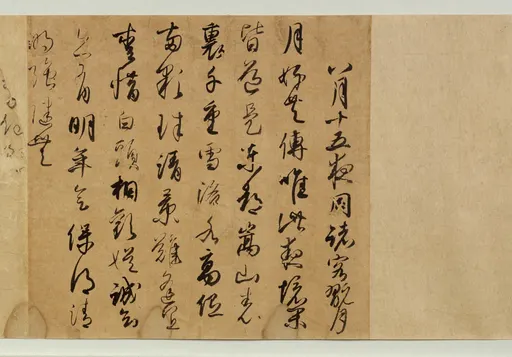 Tea, flowers, calligraphy and aestheticsShodō
Japanese calligraphy from brush and ink to Kūkai, Heian kana, Zen scrolls and avant-garde ink art, with practical advice on looking at it and trying it yourself.
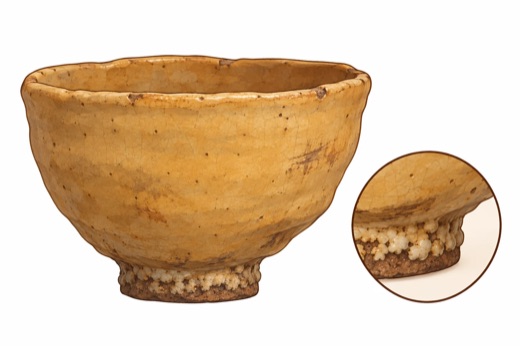 Tea, flowers, calligraphy and aestheticsWabi-Sabi, Mono no Aware and Mujō
Where impermanence, mono no aware, wabi and sabi come from, how they shaped tea bowls, cherry viewing, gardens and haiku, and where to see them.
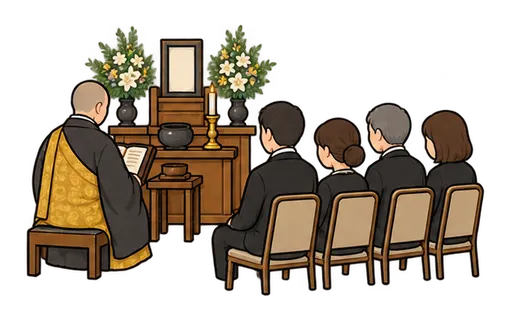 Religion and beliefFunerals and Ancestors in Japan
How Japanese families say goodbye, from the wake and picking bones with chopsticks to the home altar and Obon, and why Buddhist temples came to handle death.
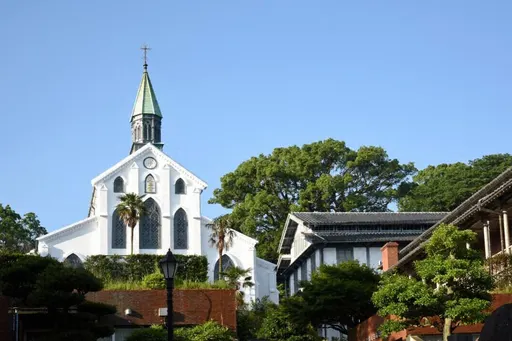 Religion and beliefChristianity in Japan
How Christianity reached Japan in 1549, was banned and driven underground for two and a half centuries, and left churches and villages around Nagasaki that still stand.
 Religion and beliefGoshuin
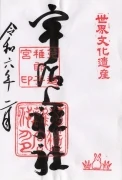
What the ink and red seals on a goshuin page mean, how sutra-offering receipts became a recent collecting craze, and how to ask for one politely.
 Religion and beliefInari Worship
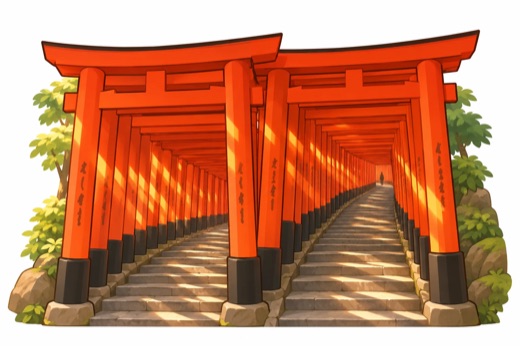
How Inari grew from a rice god into Japan’s all-purpose god of prosperity, why foxes and vermilion gates belong to it, and how to visit Fushimi Inari.
 Religion and beliefJapanese Buddhism
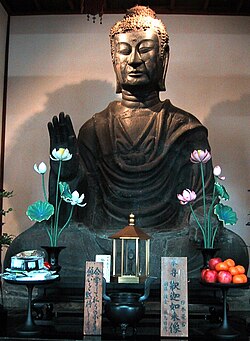
From a Korean king’s gift to funeral Buddhism: how temples, kami worship and the parish system shaped Japanese Buddhism, and how to read a temple visit today.
 Religion and beliefJapanese Mythology
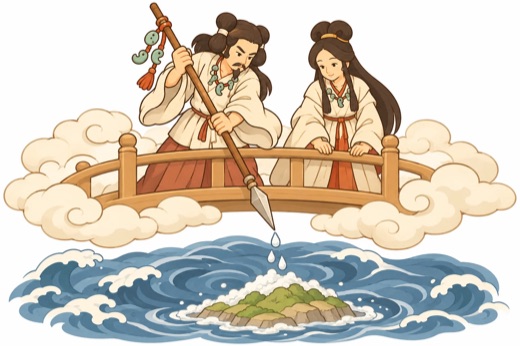
The Kojiki’s creation, serpent-slaying and heavenly-descent myths retold in order, with how they shaped shrines, rituals and modern imperial ideology, and where to meet them today.
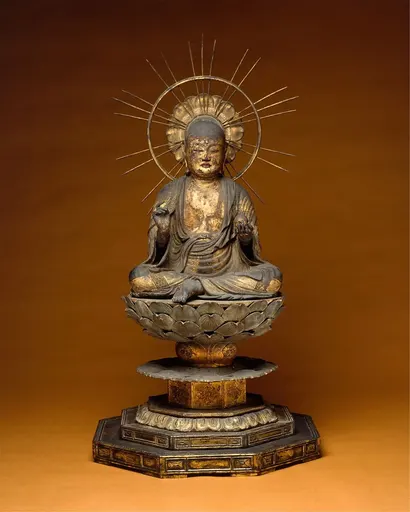 Religion and beliefJizō
Why Japan’s most familiar bodhisattva looks like a plain monk, and how he came to guard dead children, travelers and street corners, from red bibs to mizuko rites.
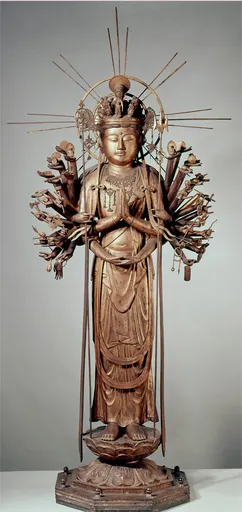 Religion and beliefKannon
Who Kannon is, why the bodhisattva has eleven heads or a thousand arms, how the Japanese worship and make pilgrimages to her, and how to read her statues.
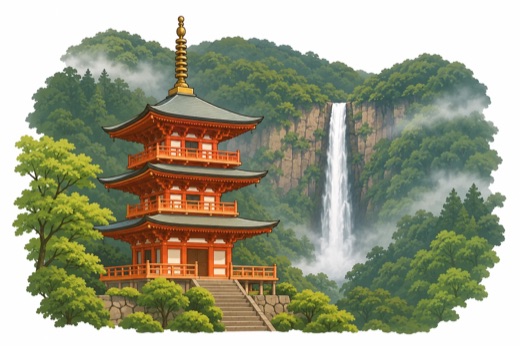 Religion and beliefThe Kumano Kodō
Why medieval Japanese saw Kumano as a place of rebirth, how emperors and commoners walked to its three shrines, and how travelers can walk the old routes now.
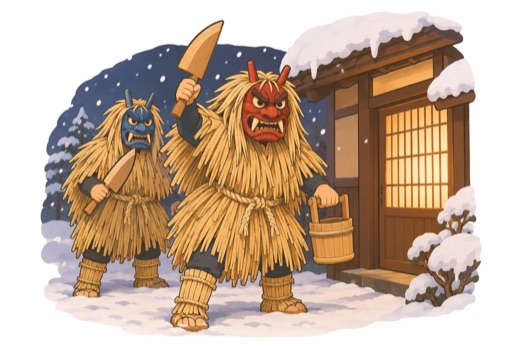 Religion and beliefNamahage
Masked gods who storm Oga homes on New Year’s Eve: where their name and rite come from, what happens inside a house, and where visitors can see them.
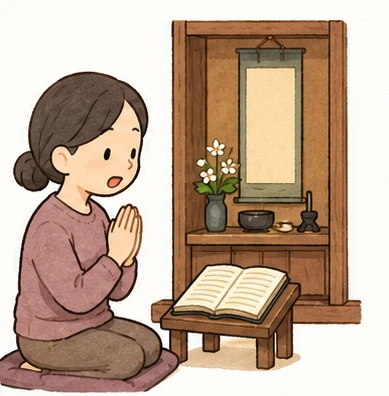 Religion and beliefNichiren Buddhism
How a fisherman’s son built a school on chanting one phrase, survived exile and near-execution, and left followers from Kyoto merchants to modern lay movements.
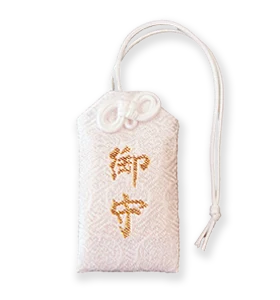 Religion and beliefOmamori and Ema
What Japan’s shrine charms and wooden wish plaques are, how they grew from talismans and offered horses, and how to receive and write your own.
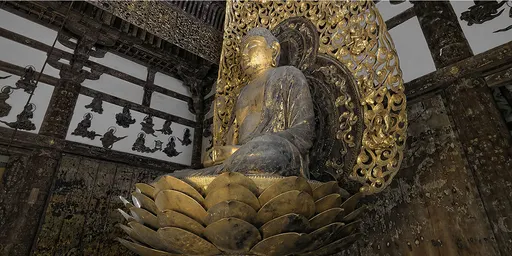 Religion and beliefPure Land Buddhism in Japan
What Amida’s vow promises, how Hōnen and Shinran brought the chanted nenbutsu to ordinary people, and where to see Pure Land Buddhism in Kyoto, Tokyo and Nagano.
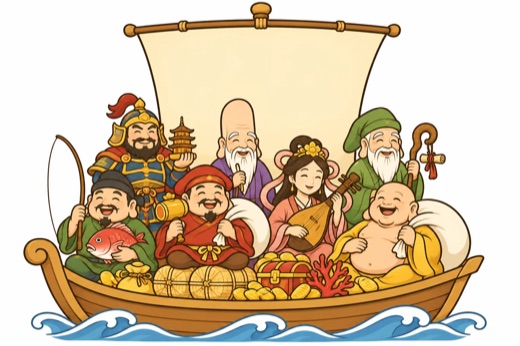 Religion and beliefThe Seven Lucky Gods
Who the seven gods on the treasure ship are, how deities from Japan, India and China became one group, and how to walk a New Year pilgrimage route.
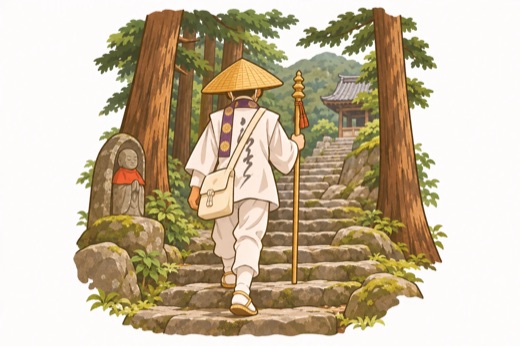 Religion and beliefThe Shikoku Pilgrimage
How the eighty-eight-temple circuit took shape, why pilgrims believe Kūkai walks beside them, and what the gear, temple rituals, roadside gifts and walking it today involve.
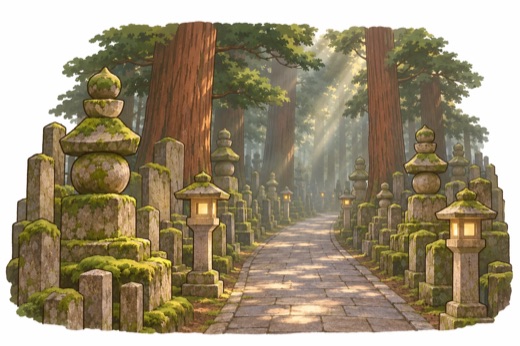 Religion and beliefShingon Buddhism and Kūkai
What Kūkai brought back from Chang’an, why Shingon works through fire, chant and images, and what visitors find on Mount Kōya and at Tō-ji.
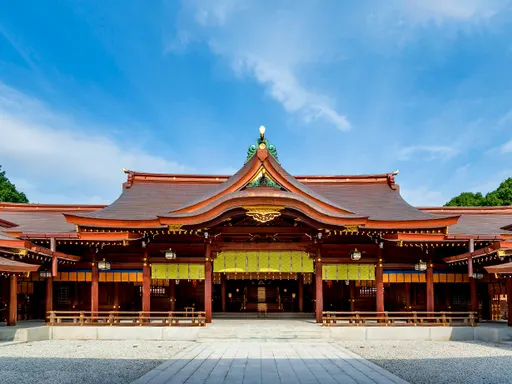 Religion and beliefShinto
What kami are, how to read a torii, a shrine and a household kamidana, how Shinto went from Buddhist fusion to State Shinto, and what a shrine visit involves.
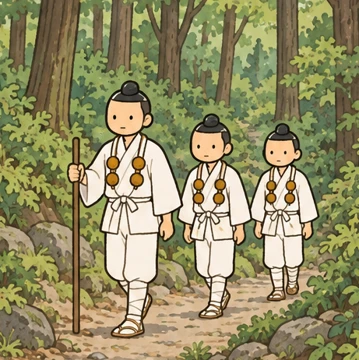 Religion and beliefShugendō
How Japan’s mountain ascetics fused kami worship with esoteric Buddhism, why entering the peaks means symbolic death and rebirth, and how visitors can join them today.
 Religion and beliefTendai Buddhism
What Saichō’s Tendai school on Mount Hiei teaches, why founders of Pure Land, Zen and Nichiren Buddhism all trained there, and where to see it today.
 Religion and beliefYōkai
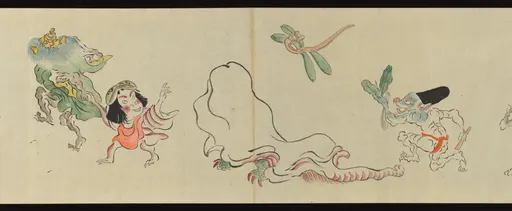
How yōkai went from Heian spirits to Edo picture books and Mizuki Shigeru’s manga, why kappa love cucumbers, and where to find them in Japan today.
 Religion and beliefZen
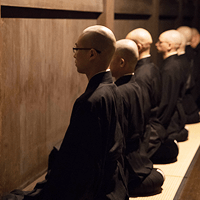
How Eisai and Dōgen brought Zen to Japan, how Rinzai koan practice differs from Sōtō just-sitting, and how Zen temples shaped gardens, tea and ink painting.
 Festivals and the yearly calendarAomori Nebuta
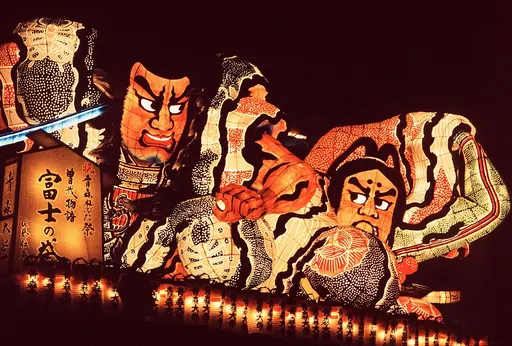
How Aomori’s giant paper lanterns grew from a custom of floating away summer drowsiness, how nebuta masters build them, and why any visitor can join the dancers.
 Festivals and the yearly calendarAwa Odori
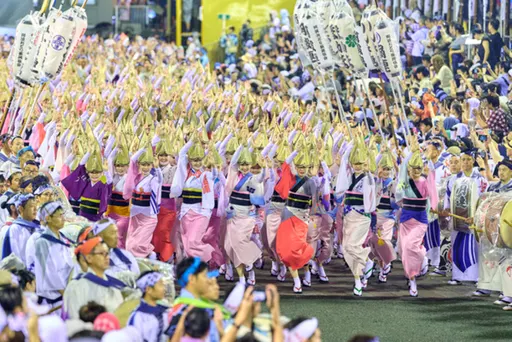
Tokushima’s four-night Bon dance explained: the two-beat music, the men’s and women’s styles, the troupes called ren, its history, and how visitors can dance too.
 Festivals and the yearly calendarBon Odori
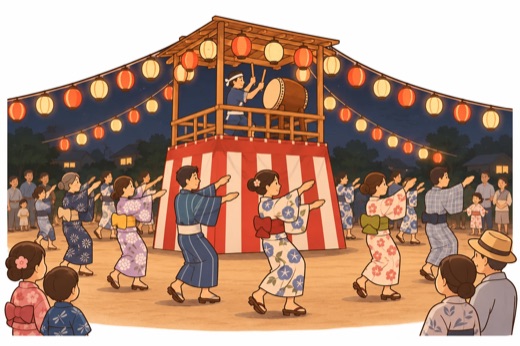
How the circle dance of Japan’s summer nights grew from Buddhist chanting into a neighborhood event, where the famous ones are, and how to join in.
 Festivals and the yearly calendarComing of Age Day
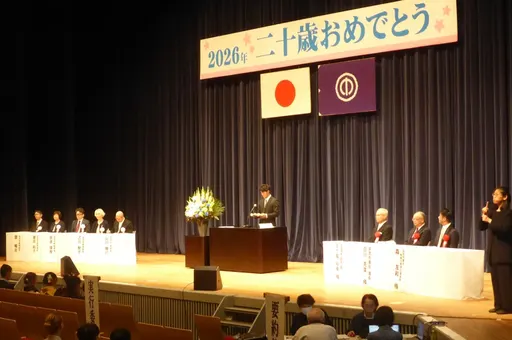
Why Japan’s coming-of-age ceremonies feel like town-wide reunions, how they grew from old capping rites, why they stayed at twenty, and how kanreki is celebrated.
 Festivals and the yearly calendarJapanese Era Names
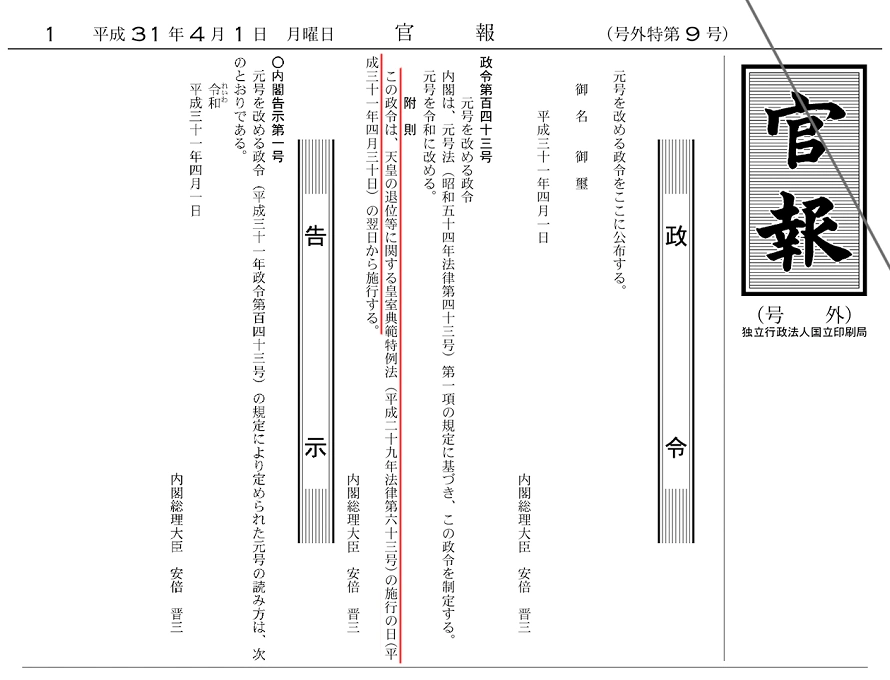
Where Japan’s era names came from, how they are chosen and why they change, from Taika to Reiwa, and how to read them on coins, forms and lanterns.
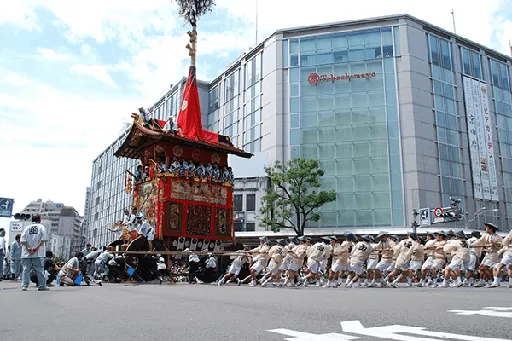 Festivals and the yearly calendarGion Matsuri
How Kyoto’s neighborhoods have kept a month-long plague festival alive since 869, from rope-lashed floats and wet-bamboo turns to lantern-lit yoiyama nights.
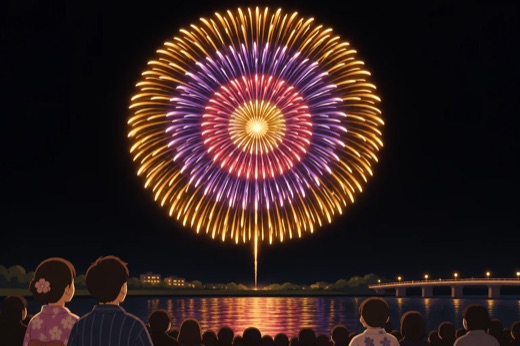 Festivals and the yearly calendarHanabi
Why Japanese fireworks burst as perfect spheres, how the Edo-era Sumida River show grew into national contests and memorial displays, and how to watch one.
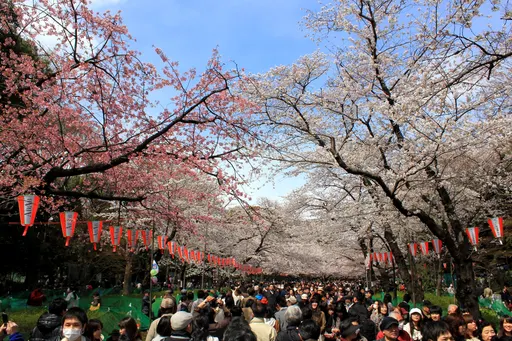 Festivals and the yearly calendarHanami
Why Japan’s cloned cherries bloom all at once, how flower viewing passed from court banquets to picnics, and where to see the blossoms.
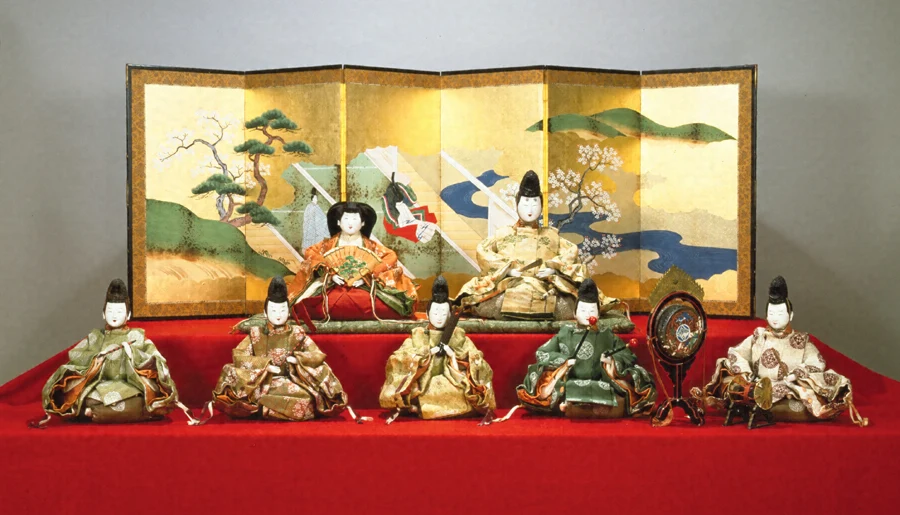 Festivals and the yearly calendarHinamatsuri, the Doll Festival
How Hinamatsuri grew from riverside purification into a seven-tier doll court, who each figure is, what families eat, and where to see displays.
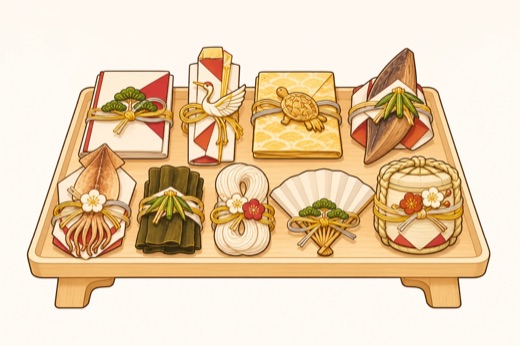 Festivals and the yearly calendarThe Japanese Wedding
How a Japanese wedding runs from betrothal gifts to the reception, why the Shinto ceremony is a modern creation, and what guests should bring.
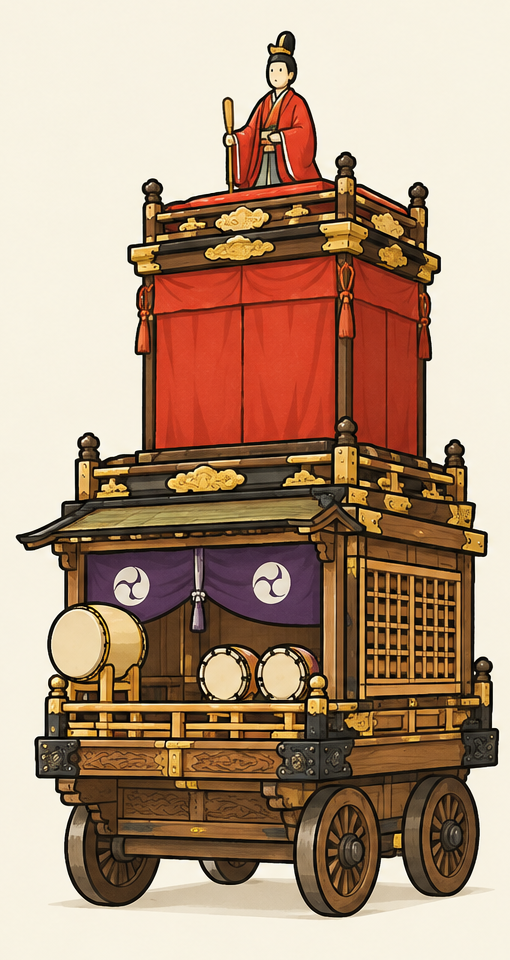 Festivals and the yearly calendarMatsuri
A matsuri is the day a god tours its district: what mikoshi, floats, drums and flutes do, plus Chichibu’s night festival, Akita’s Kantō lanterns and etiquette.
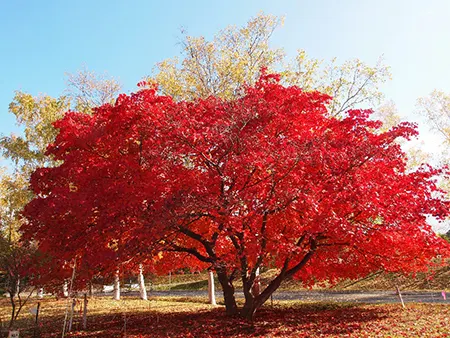 Festivals and the yearly calendarMomiji
Why Japanese autumn color is so vivid, the maple at its center, a thousand years of leaf-viewing poetry and outings, and how to time a visit.
 Festivals and the yearly calendarGolden Week and Japan’s National Holidays
Where each of Japan’s sixteen public holidays came from, how Golden Week formed, and what travelers should expect when the whole country takes time off.
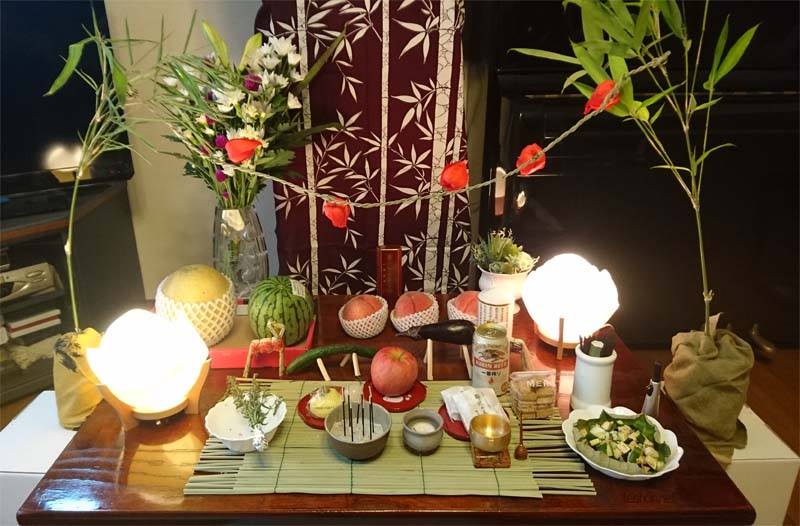 Festivals and the yearly calendarObon
How Japanese families welcome their ancestors home in summer, from the Ullambana sutra to welcoming fires, cucumber horses, Bon dances and Kyoto’s mountain send-off fires.
 Festivals and the yearly calendarThe Seasons in Japan
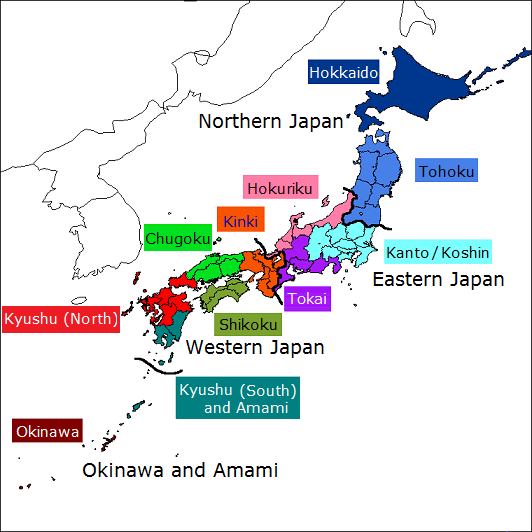
How old calendars, the 72 micro-seasons, rainy spells, cicadas, morning glories and planted cedar forests give each stretch of the Japanese year its own signs.
 Festivals and the yearly calendarSetsubun
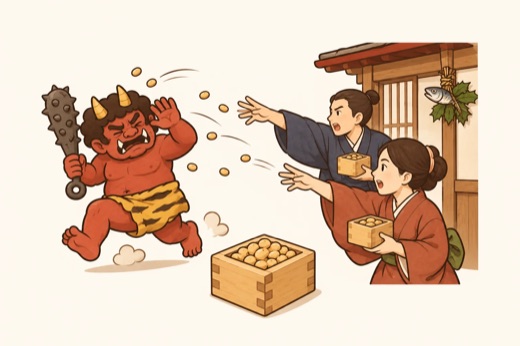
Setsubun, the night before spring when families throw roasted beans at demons: its court origins, the convenience-store ehōmaki boom, and where to watch.
 Festivals and the yearly calendarShichi-Go-San and Miyamairi
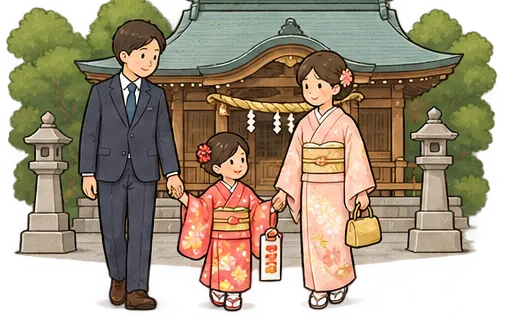
Why Japanese families take newborns and children of three, five and seven to shrines, and what the kimono, candy and small rituals mean.
 Festivals and the yearly calendarJapanese New Year
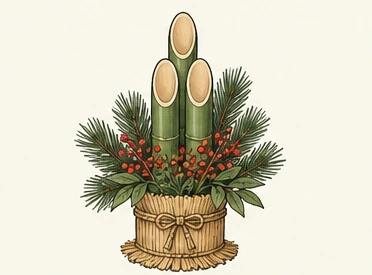
Pine gates, mirror rice cakes, shrine visits and New Year cards all serve one purpose: welcoming the god of the year, then sending it home.
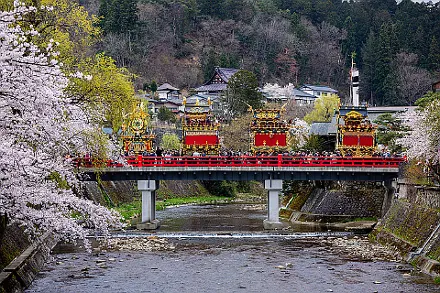 Festivals and the yearly calendarTakayama Matsuri
Takayama’s spring and autumn festivals: lacquered floats, string-worked puppets that transform mid-show, and the rival merchant neighborhoods who built and still pull them.
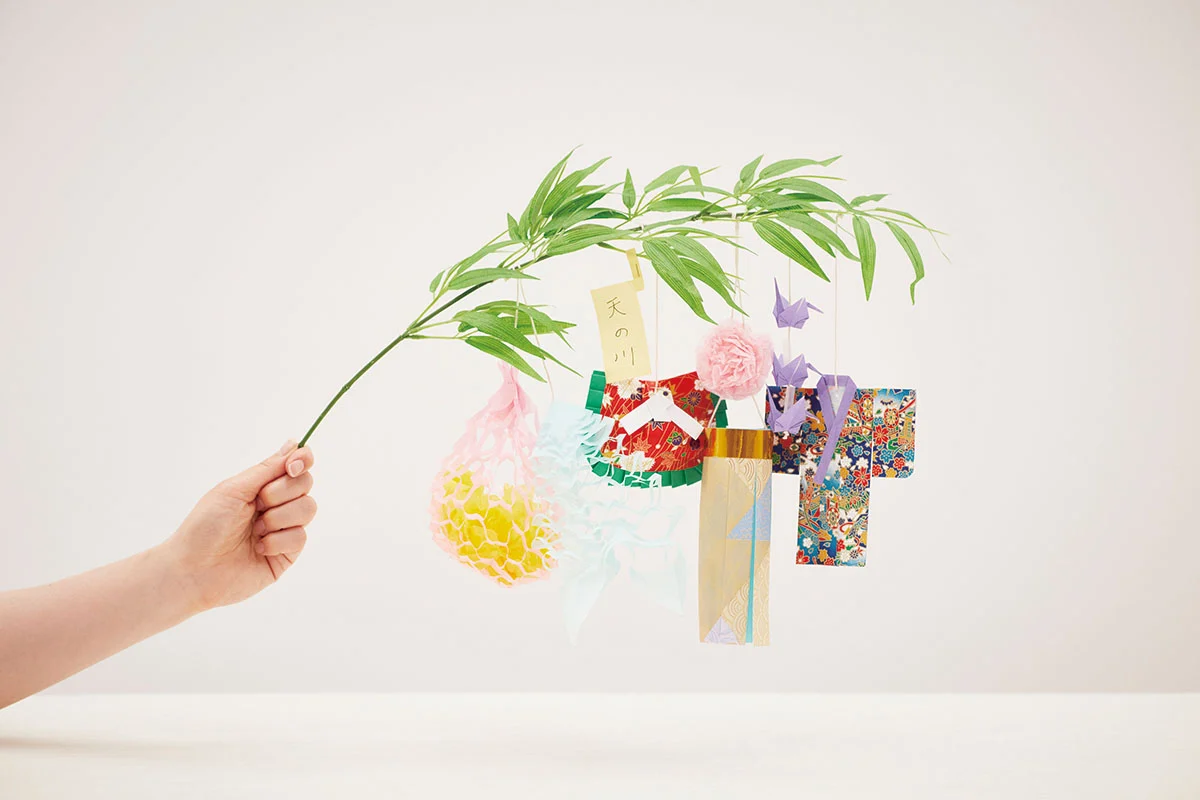 Festivals and the yearly calendarTanabata
How a Chinese star legend became Japan’s day for hanging written wishes on bamboo, why it falls in July or August, and Sendai’s paper streamers.
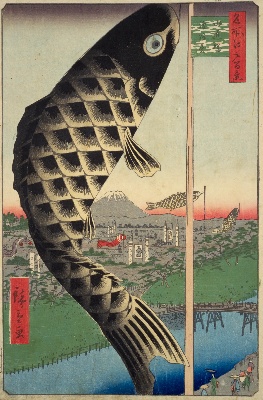 Festivals and the yearly calendarChildren’s Day and Koinobori
Why carp streamers fly in May: how Japan’s Tango festival moved from iris charms to samurai pride, merchant carp and Children’s Day, plus where to see them.
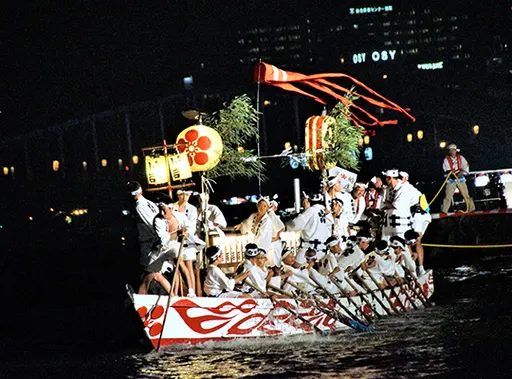 Festivals and the yearly calendarTenjin Matsuri
Ōsaka’s July festival for Sugawara no Michizane: the halberd ritual, land and boat processions, fireworks, the Ōsaka-jime handclap, and where to watch.
 Festivals and the yearly calendarTsukimi
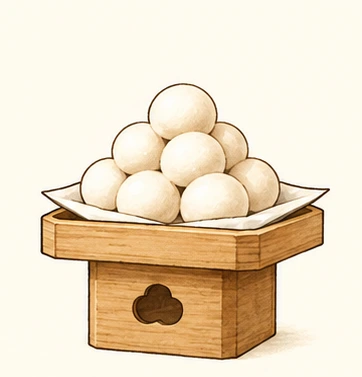
Why Japan views the autumn moon twice by the old calendar, what the dumplings, pampas grass and moon rabbit mean, and where to watch.
 Performing arts and musicBunraku
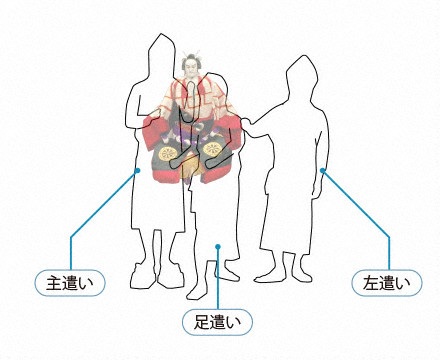
Three puppeteers move one figure while a single chanter voices every role; how Chikamatsu’s double suicide play still moves audiences to tears.
 Performing arts and musicButoh
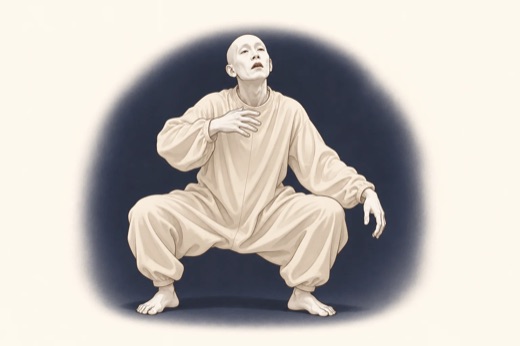
How a shocking 1959 performance launched butoh, what its two founders Hijikata Tatsumi and Ōno Kazuo wanted, and why dancers paint themselves white and move so slowly.
 Performing arts and musicEnka
How enka sounds, why its 'heart of Japan' image is younger than it seems, Misora Hibari’s life, and where to hear it live.
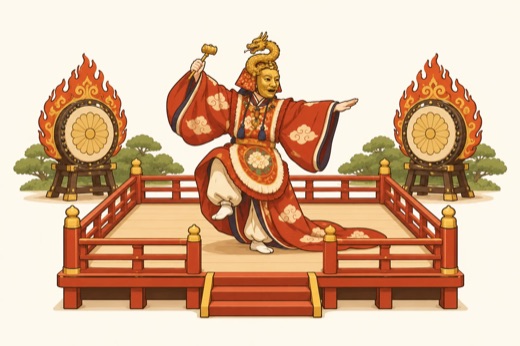 Performing arts and musicGagaku
What each instrument does in Japan’s ancient court music, how Tang and Korean repertoires became Left and Right, how families kept it alive, and where to hear it.
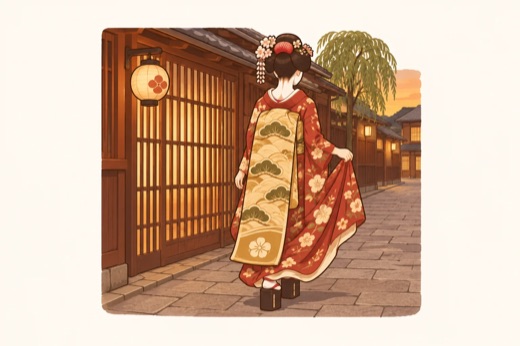 Performing arts and musicGeisha and Maiko
Geisha sell their arts, not themselves: their Edo origins, Kyoto’s five districts, how a maiko trains and dresses, and what happens at a teahouse banquet.
 Performing arts and musicJapanese Pop Music
Traces Japanese pop from postwar kayōkyoku through City Pop, Yellow Magic Orchestra, idols and the CD boom to anime songs and Vocaloid hits, with tips for hearing it live.
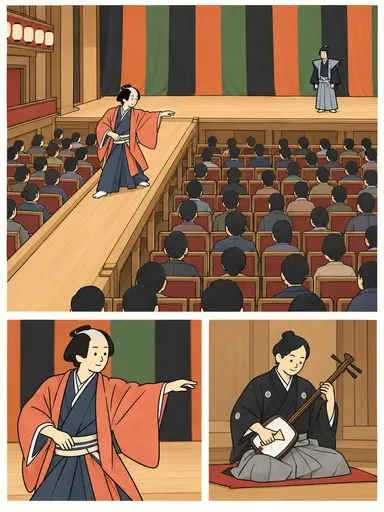 Performing arts and musicKabuki
Why kabuki has painted faces, male actors in female roles, a runway through the audience and frozen poses, told through its history and the play Kanjinchō.
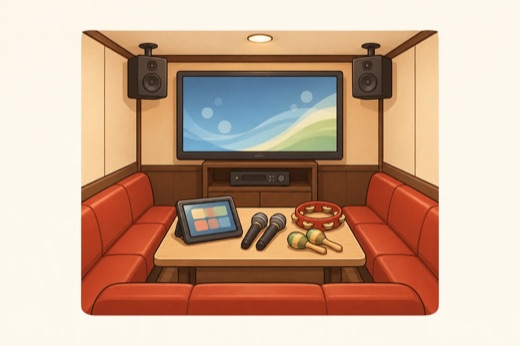 Performing arts and musicKaraoke
How karaoke grew from Kōbe snack bars to station-front boxes, why a reserved society sings so readily, and the etiquette of singing with Japanese friends.
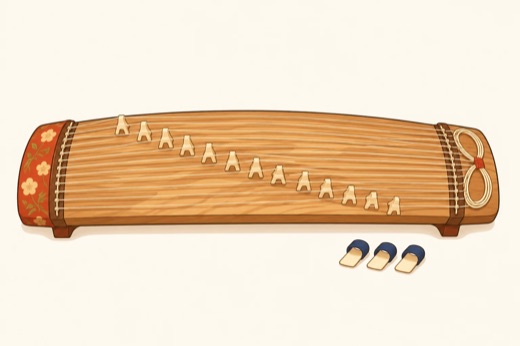 Performing arts and musicKoto
How the thirteen-string koto is tuned with movable bridges, how blind kengyō musicians made it an independent art, and how Miyagi Michio modernized it.
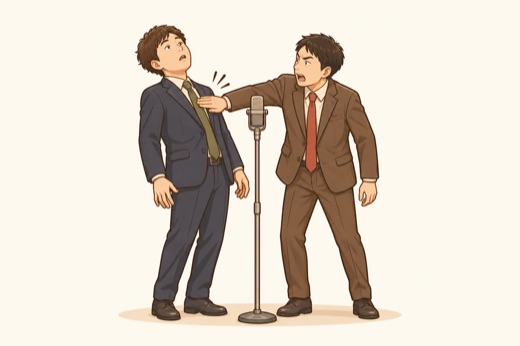 Performing arts and musicManzai
How the boke and tsukkomi double act gets its laughs, how a New Year blessing became Ōsaka’s signature comedy, and how television and the M-1 Grand Prix made it national.
 Performing arts and musicMin’yō
How Japan’s place-named folk songs were sung at work and festivals, traveled along trade routes, survived through preservation societies, and where visitors can still hear and dance them.
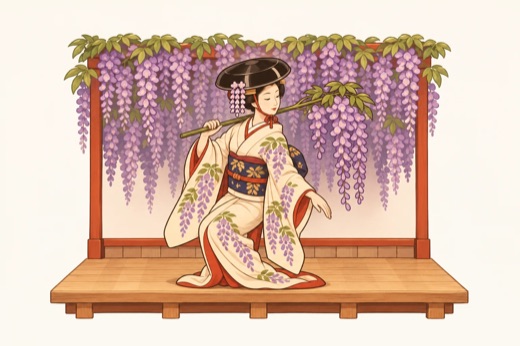 Performing arts and musicNihon Buyō
Japan’s classical dance, from kabuki’s female-role specialists to Kyoto’s spring geisha dances: how one fan, a lowered stance and held stillness tell whole stories, and where to watch.
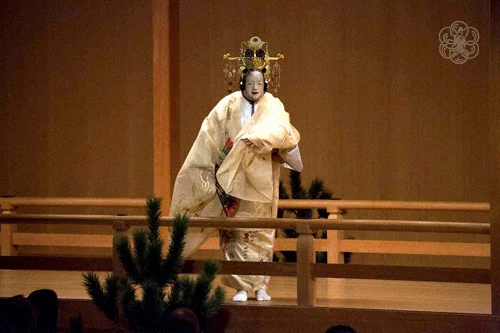 Performing arts and musicNoh and Kyōgen
Ghosts reliving their final moments and servants stealing sake: noh masks, Atsumori, Zeami’s idea of the flower, and how to watch a first performance.
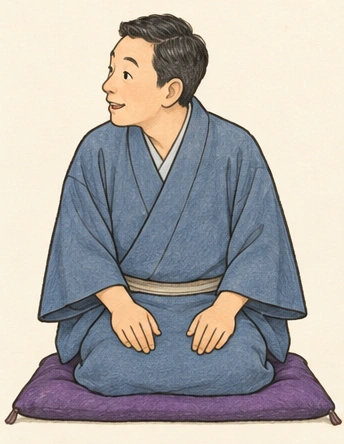 Performing arts and musicRakugo
How one kneeling storyteller with a fan and a cloth plays every role: rakugo’s history, famous stories, Tokyo and Ōsaka styles, and the yose theaters.
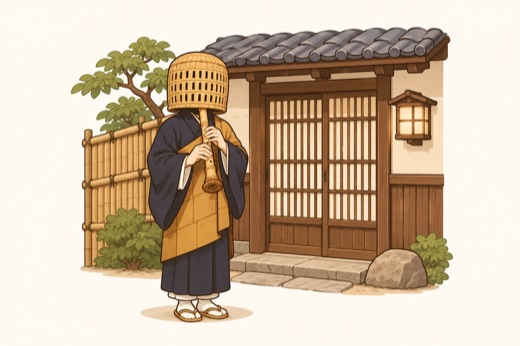 Performing arts and musicShakuhachi
Why a bamboo flute with five holes is so hard to play, how wandering komusō monks used it for meditation, and how it reached concert halls and film scores.
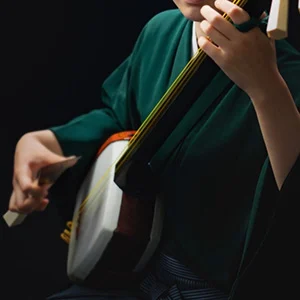 Performing arts and musicShamisen
Why the shamisen buzzes and snaps, how it came from Ryūkyū, and how nagauta, jiuta and Tsugaru players each turned three strings into a different music.
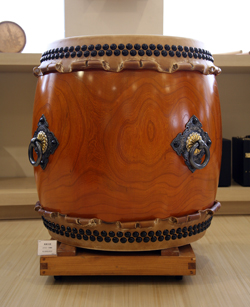 Performing arts and musicTaiko
Japan’s drums from shrine festivals to the postwar ensemble style: the main types, how they are made, and where visitors can hear or play them.
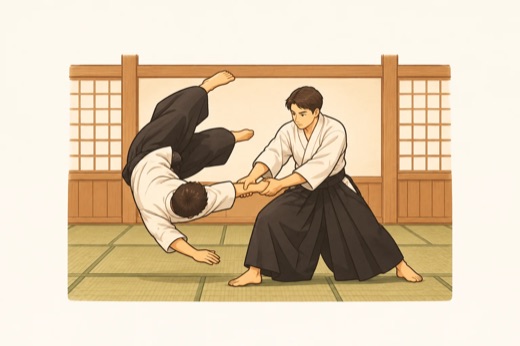 Martial arts, sport and board gamesAikido
How Ueshiba Morihei built aikido from Daitō-ryū and Ōmoto spirituality into a martial art without contests, how a class works, and how it spread worldwide.
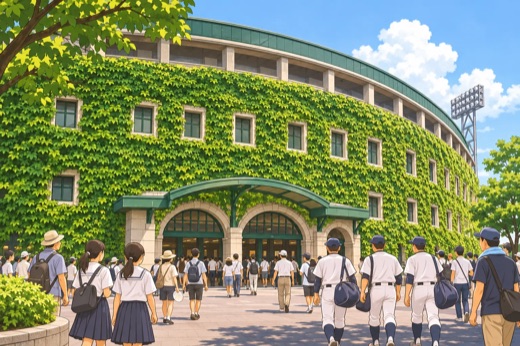 Martial arts, sport and board gamesBaseball in Japan
How baseball became yakyū in Japan: school rivalries, the summer Kōshien tournament, the Giants and Tigers, players who crossed to the majors, and what to expect at a game.
 Martial arts, sport and board gamesEkiden
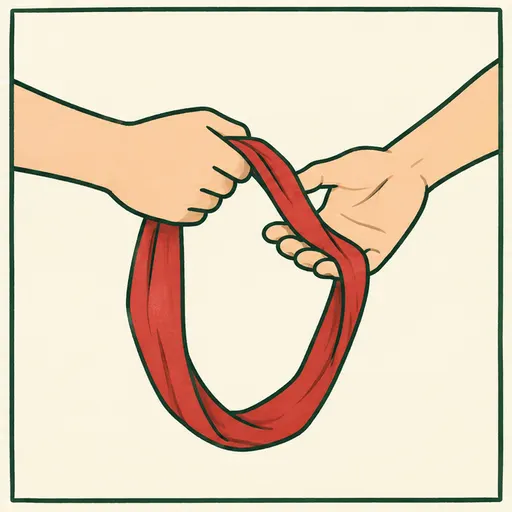
How the ekiden relay grew from an old post-road name into Hakone’s New Year race, why a cloth sash makes running a team burden, and where to watch.
 Martial arts, sport and board gamesGo
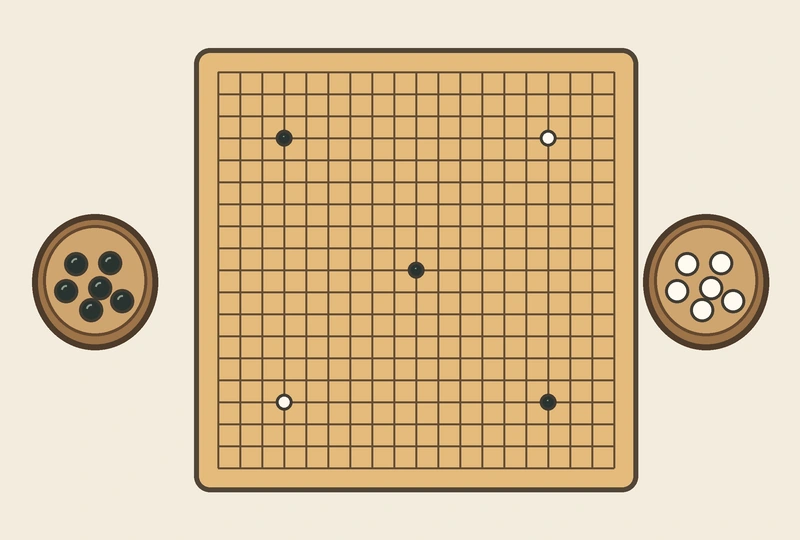
How go became a salaried profession in Japan, why kaya boards and clamshell stones are prized, why Hon’inbō Shūsaku is still famous, and how a visitor can play.
 Martial arts, sport and board gamesJudo
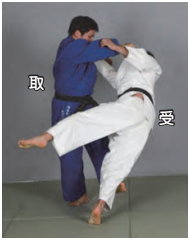
How Kanō Jigorō rebuilt jūjutsu into judo, with breakfalls, free practice and black belts, how it reached the Olympics, and what to watch for at the Kōdōkan.
 Martial arts, sport and board gamesKarate
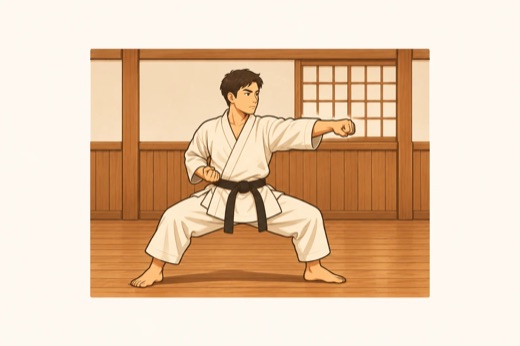
Karate began as a secret art of Ryūkyū’s gentry, then schools, Tokyo universities and rival styles turned it into a global sport that reached the Olympics.
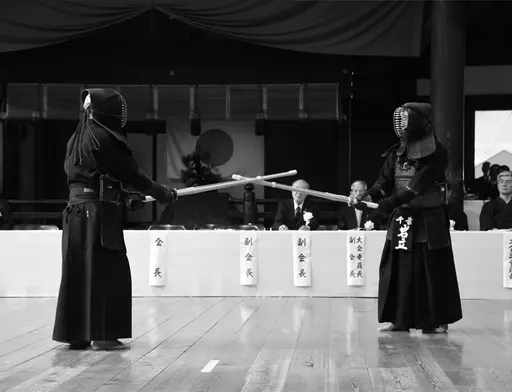 Martial arts, sport and board gamesKendo and Iaido
Why a kendo hit needs spirit, sword and body together, how bamboo sparring grew out of Edo fencing halls, and how iaido practices the solitary draw.
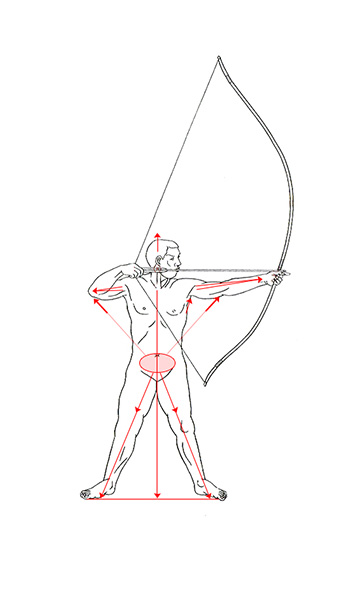 Martial arts, sport and board gamesKyudo
Why the Japanese bow is gripped off-center, what the long pause at full draw is for, and how a battlefield weapon became a school discipline.
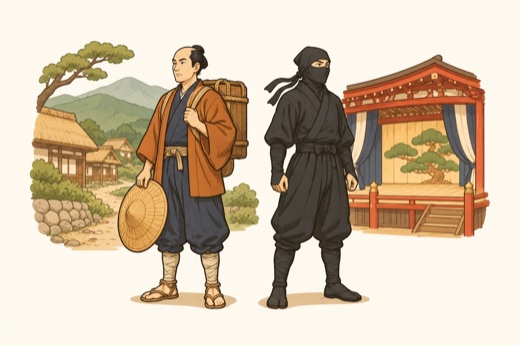 Martial arts, sport and board gamesNinja
Real ninja were spies and raiders from the Iga and Kōga hills; this traces how stage, fiction and film built the black-clad hero, and where to see ninja today.
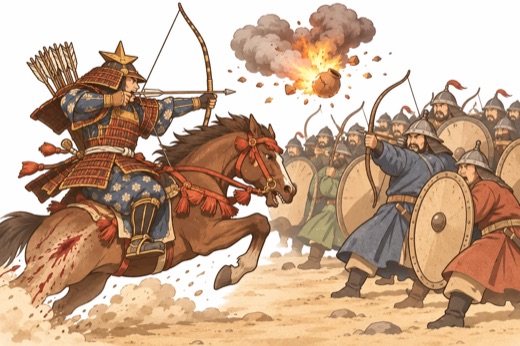 Martial arts, sport and board gamesSamurai and Bushido
Samurai went from mounted archers to salaried officials before Meiji Japan dissolved the class, while “bushido” was largely shaped by later writers.
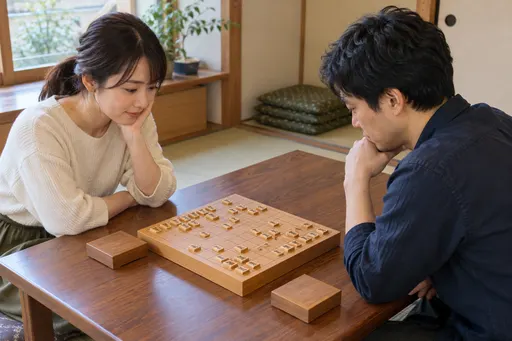 Martial arts, sport and board gamesShogi
How shogi is played, why the rule letting captured pieces return to the board makes draws rare, and how the professional world and Fujii Sōta drew a nation in.
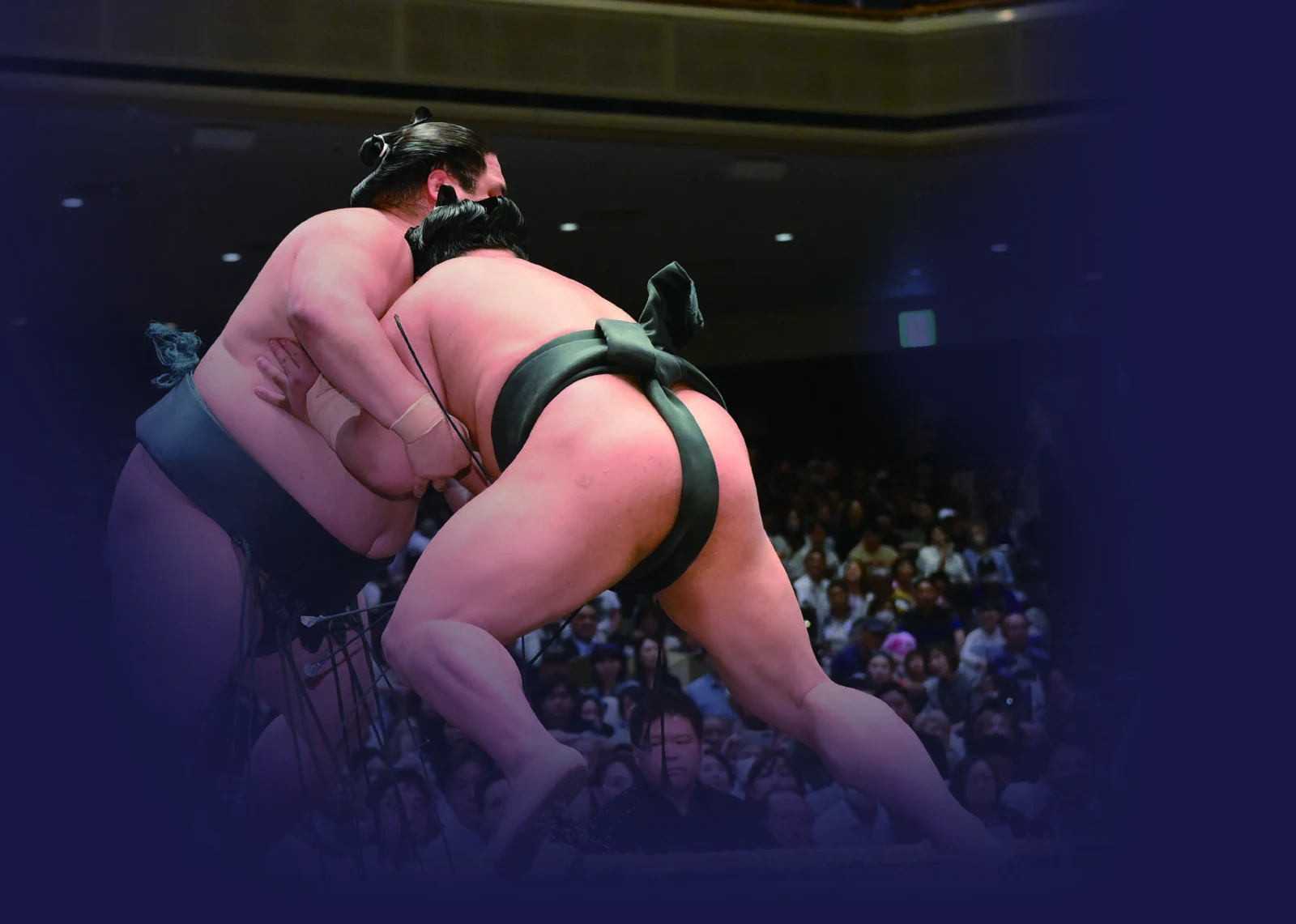 Martial arts, sport and board gamesSumo
How sumo works, from the split-second charge to the sacred ring, the ranking sheet, stable life and referees, plus Chiyonofuji’s story and a day at a tournament.
 LiteratureBunko Paperbacks and Japanese Bookstores
How the pocket-sized bunko took shape after Iwanami Bunko, why novels go from hardcover to bunko, what keeps Japan’s bookstores open, and how to browse one.
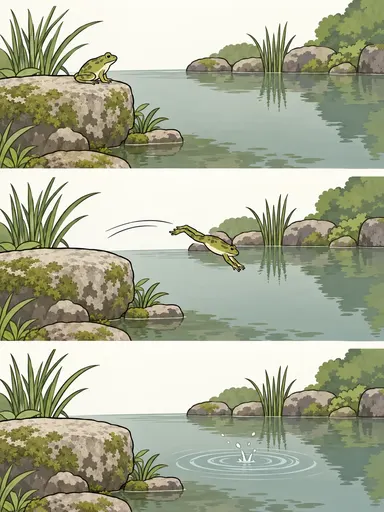 LiteratureHaiku and Matsuo Bashō
How season words and cuts make seventeen sounds work, how Bashō turned comic linked verse into poetry and a journey north into a book, and where senryū went instead.
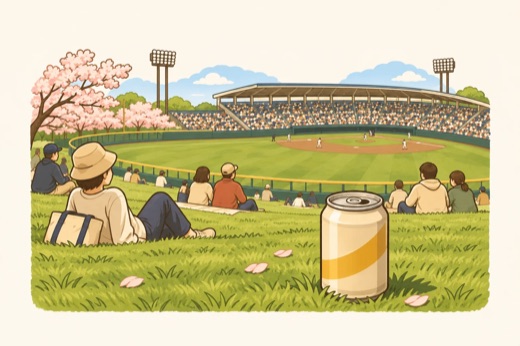 LiteratureMurakami Haruki
How a Tokyo jazz-bar owner became Japan’s most widely read novelist, why his books travel so well, and where to find his world in Japan.
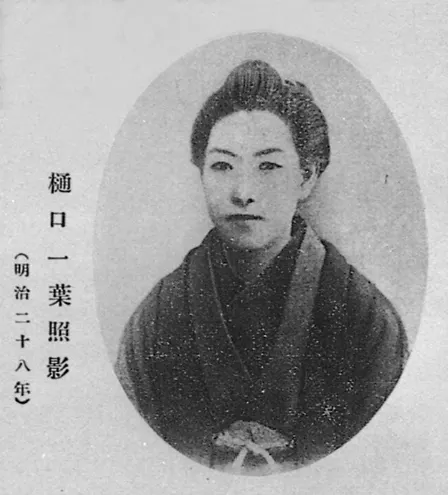 LiteratureHiguchi Ichiyō
How a poor young Meiji woman, later on the 5,000-yen note, wrote Takekurabe and other classics in fourteen months, and where in Tokyo to find her.
 LiteratureJapanese Mystery Fiction
Traces Japanese crime fiction from Ranpo’s grotesque tales through Seichō’s social realism and the shin-honkaku revival to Higashino, with a suggested reading order for newcomers.
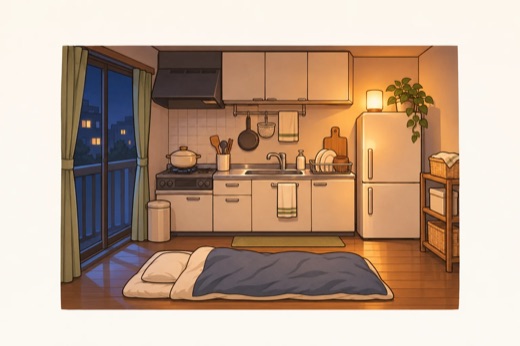 LiteratureYoshimoto Banana
How Yoshimoto Banana wrote grief through late-night kitchens and a bowl of katsudon, why Kitchen became a phenomenon, and which of her books to read next.
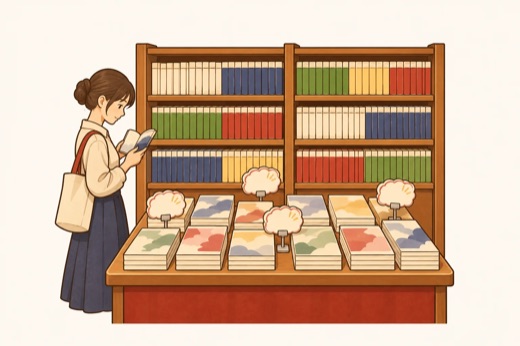 LiteratureLight Novels
How Japan’s illustrated paperback imprints became a source for anime, why the prose reads as it does, and where to browse them in Tokyo.
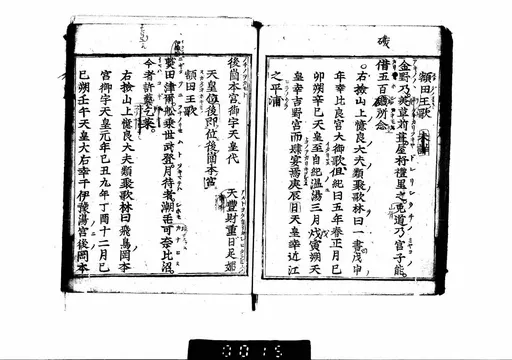 LiteratureThe Man’yōshū
Japan’s oldest poetry anthology, where emperors sit beside frontier guards and unnamed farmers: its key poets, its Chinese-character script, and the source of the Reiwa era name.
 LiteratureModern Japanese Literature
Traces Japanese fiction from Meiji language experiments and the I-novel to Murakami and Convenience Store Woman, with a starter reading list and literary places to visit.
 LiteratureNatsume Sōseki
From his miserable London years to I Am a Cat and Kokoro, how Sōseki wrote people who cannot say what matters most, and where to start reading.
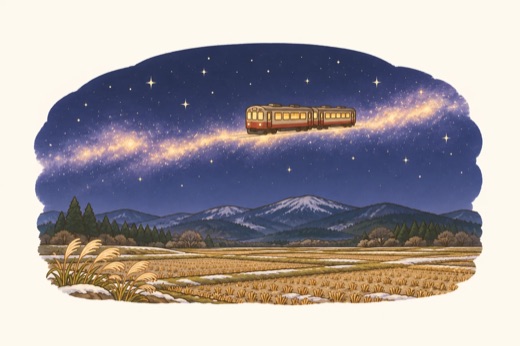 LiteratureMiyazawa Kenji
How an unknown Hanamaki farm-school teacher turned minerals, local dialect and his sister’s death into Night on the Galactic Railroad and Unbeaten by the Rain.
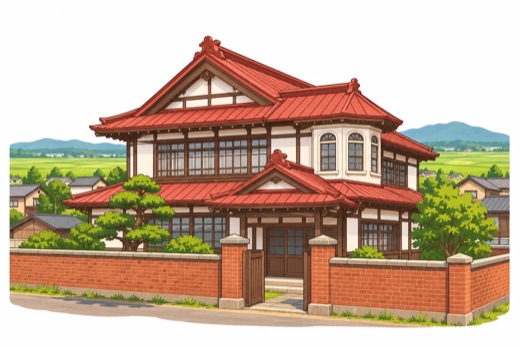 LiteratureDazai Osamu
How No Longer Human is built, how closely it tracks Dazai’s troubled life, the bright, funny stories he also wrote, and where to follow him in Kanagi and Mitaka.
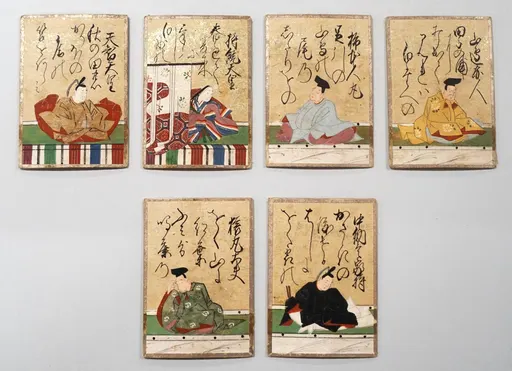 LiteratureHyakunin Isshu and Karuta
How Fujiwara no Teika’s hundred-poem anthology became Japan’s New Year card game, with key poems, competitive karuta tactics and proverb cards explained.
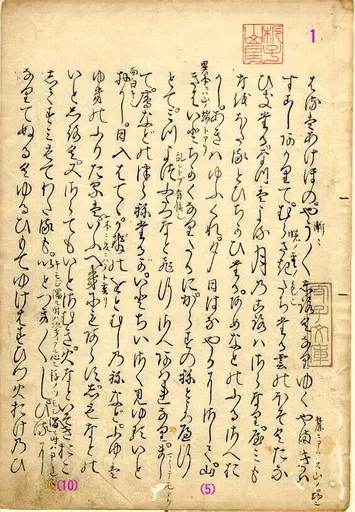 LiteratureThe Pillow Book
What Sei Shōnagon put in her lists, court scenes and seasonal sketches, why her sharp eye still feels modern, and the court tragedy her book leaves unsaid.
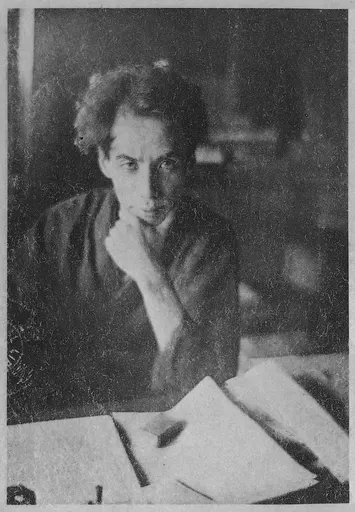 LiteratureAkutagawa Ryūnosuke
The short-story writer behind Rashōmon and In a Grove: his life, how his servant talks himself into theft, which stories to read first, and the prize named for him.
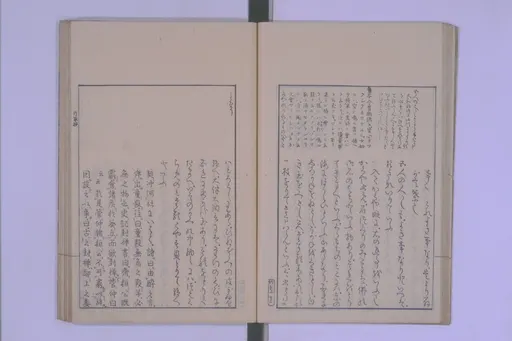 LiteratureThe Tale of the Bamboo Cutter
Retells the bamboo princess story, from five suitors humiliated by impossible tasks to her moonlit departure, and explains how Heian tales were copied, read aloud and passed down.
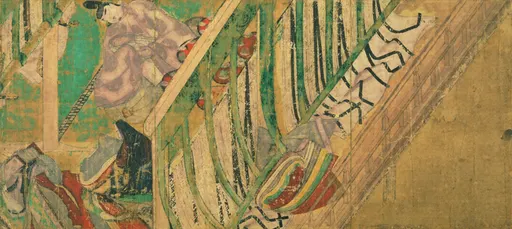 LiteratureThe Tale of Genji
What Murasaki Shikibu’s long court tale is about, why it endures, and how it was copied, translated, painted in twelfth-century scrolls and printed in Edo.
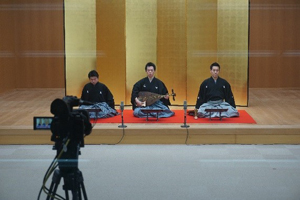 LiteratureThe Tale of the Heike
How the rise and fall of the Taira became a Buddhist tale of impermanence, how blind biwa singers carried it, and where to see and hear it today.
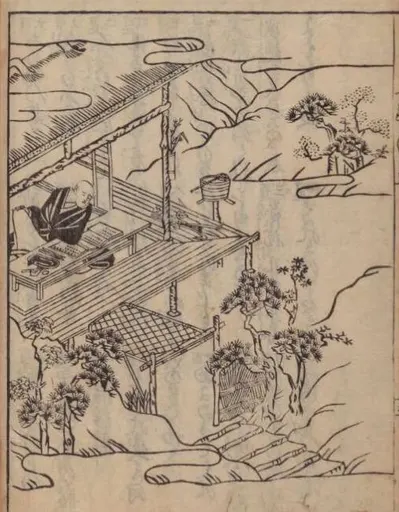 LiteratureEssays in Idleness and An Account of My Hut
Two thin medieval books, one about disasters and a ten-foot hut, one a hermit’s idle jottings, and why Japanese readers still turn to them.
 LiteratureWaka and Tanka
How thirty-one sound units make a poem, how the Kokinshū set Japan’s seasonal taste, how modern poets remade the form, and where to hear it today.
 LiteratureKawabata Yasunari
Kawabata Yasunari from orphaned boyhood to the Nobel Prize: what Snow Country and The Izu Dancer do, and where to follow them in Yuzawa and Izu.
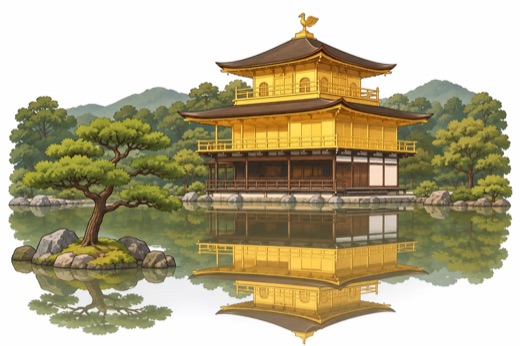 LiteratureMishima Yukio
Follows Mishima from sickly childhood through The Sound of Waves, The Temple of the Golden Pavilion and his 1970 death, with advice on which books to read first.
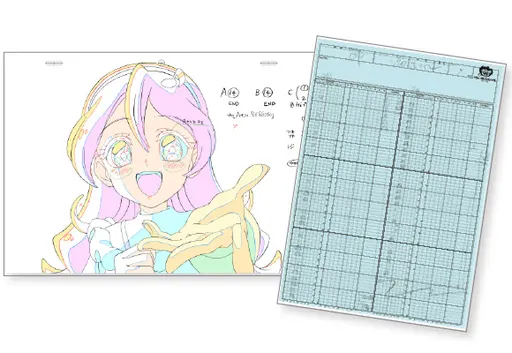 Anime, games and pop cultureAnime
How weekly TV deadlines, hand-painted cels and production committees shaped anime’s look, with close readings of Akira and Evangelion and places to see anime in Japan.
 Anime, games and pop cultureAnime Pilgrimage
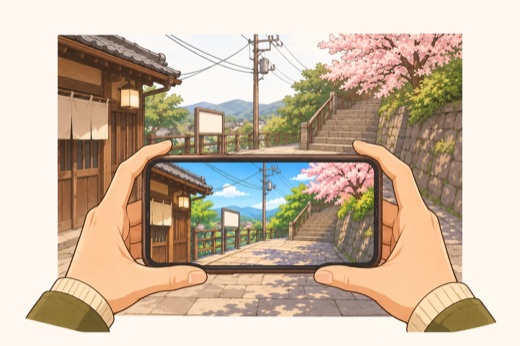
Why Japanese anime sends fans to real streets, how towns like Washinomiya and Ōarai embraced them, and how to visit such places respectfully.
 Anime, games and pop cultureCosplay
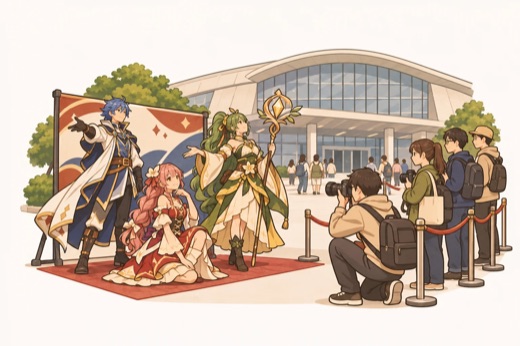
How the word cosplay was coined in Japan, why fans chase fidelity to a character, and the etiquette that keeps events orderly, from changing on site to asking before photographing.
 Anime, games and pop cultureHarajuku and Street Fashion
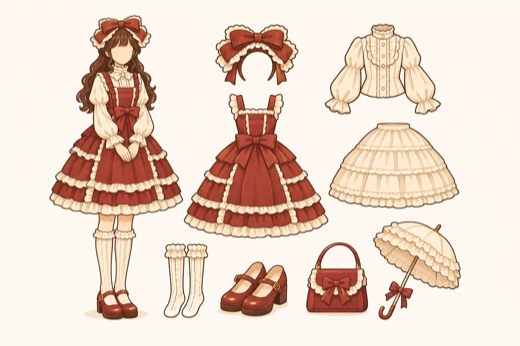
From the postwar American enclave to bamboo-shoot dancers, Ura-Harajuku and Lolita fashion, how one Tokyo neighborhood became a stage for young people’s clothes.
 Anime, games and pop cultureJapanese TV Drama
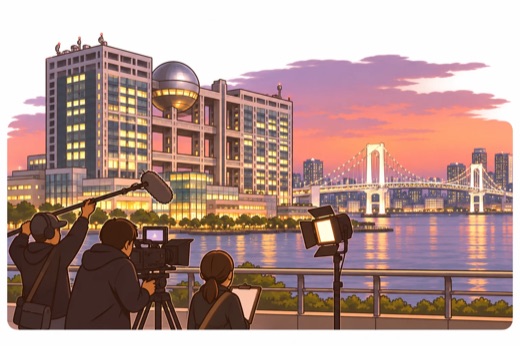
How the ten-episode Japanese drama took shape, from trendy romances and star screenwriters to streaming, and where visitors can catch it in Japan.
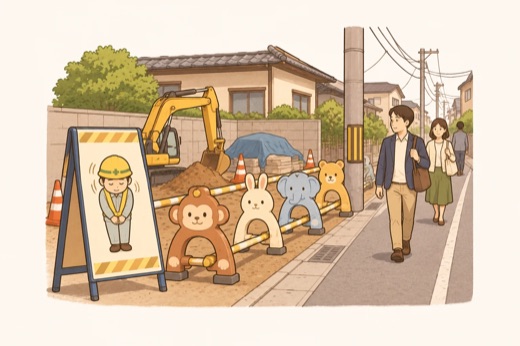 Anime, games and pop cultureKawaii
How kawaii grew from Heian court writing and girls’ magazines into Hello Kitty, Kumamon and purikura, a public language that adults in Japan use freely.
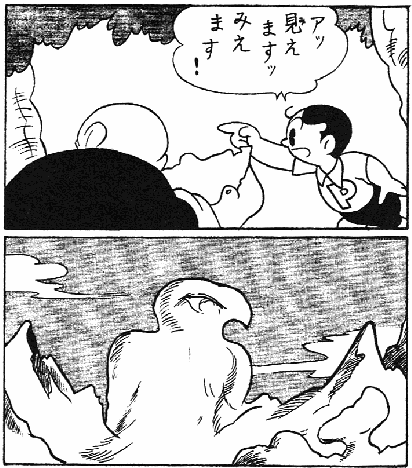 Anime, games and pop cultureManga
How to read a manga page, how weekly magazines produce series, what shōnen and shōjo really mean, with close looks at Doraemon and One Piece.
 Anime, games and pop cultureTezuka Osamu
The life of the god of manga, from a wartime boyhood in Takarazuka to Astro Boy, weekly TV animation and Phoenix, and what his legacy still means.
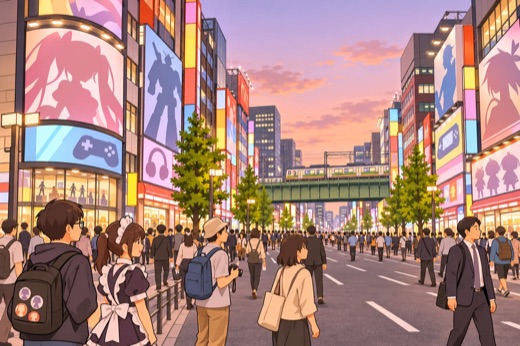 Anime, games and pop cultureOtaku Culture and Akihabara
How 'otaku' went from insult to self-description, how Akihabara turned from a radio-parts market into a fan district, and how dōjinshi and oshikatsu work.
 Anime, games and pop culturePokémon
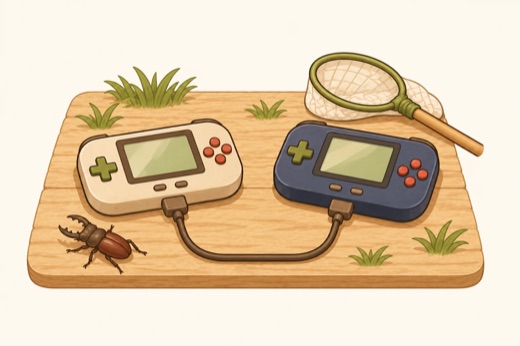
How a boy’s insect hunting and a Game Boy link cable grew into Pokémon, why collecting and trading kept it going for 30 years, and where to find it.
 Anime, games and pop cultureStudio Ghibli and Miyazaki Hayao
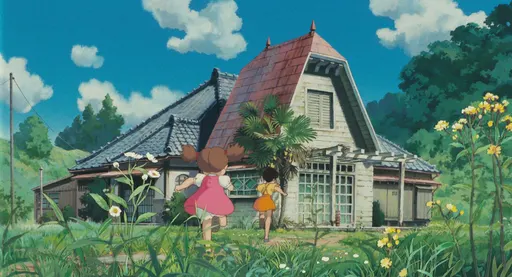
How Miyazaki Hayao became a director, how Studio Ghibli makes its films, what Totoro, Mononoke and Spirited Away are about, and where to find them in Japan.
 Anime, games and pop cultureTokusatsu
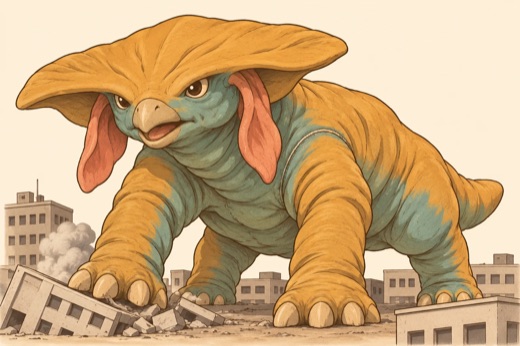
How rubber suits and tabletop cities made Godzilla, Ultraman, Kamen Rider and Super Sentai, from the 1954 film to Godzilla Minus One, and where to meet them in Japan.
 Anime, games and pop cultureJapanese Video Games
From Pac-Man and Super Mario to Dragon Quest and Breath of the Wild, how Japanese designers shaped game design, and where to find it in Japan.
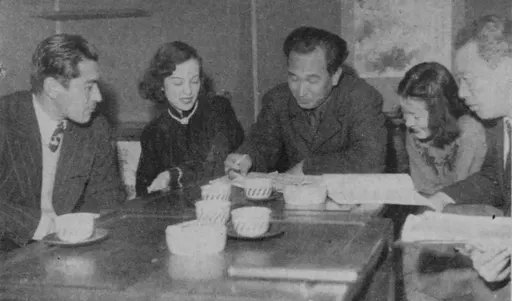 FilmKurosawa Akira
How a would-be painter became Japan’s best-known director, what Rashomon and Seven Samurai actually show, why they work, and which Kurosawa films to watch first.
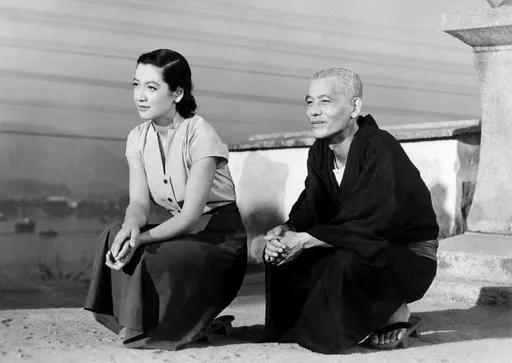 FilmJapanese Cinema
From live benshi narrators and a century of samurai films to the 1950s studio boom and Ozu’s Tokyo Story, how Japan made and watches movies.
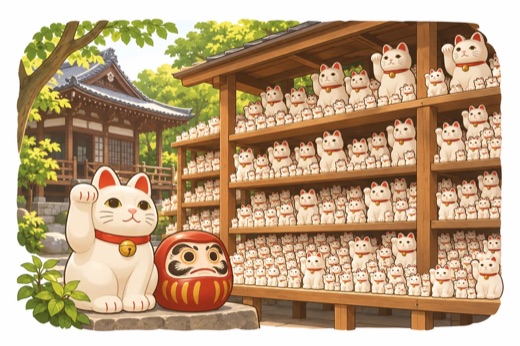 Art and craftsDaruma and Maneki-neko
Why daruma have no limbs and get one eye painted at a time, which paw a maneki-neko raises and why, and where to find both in Japan.
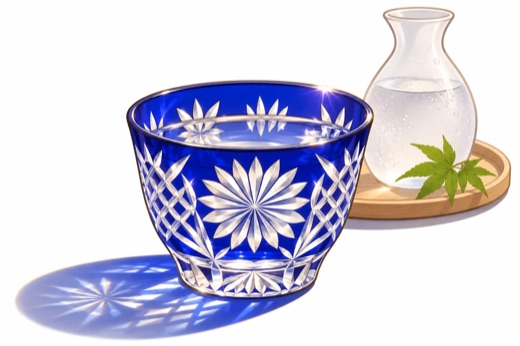 Art and craftsEdo Kiriko
How Edo kiriko cut glass grew from an Edo merchant shop and a Meiji factory, what its patterns mean, how a cup is cut, and where to see it.
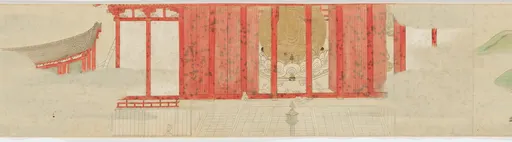 Art and craftsEmaki
How Japanese narrative handscrolls are read right to left, the painters’ tricks for telling stories in them, the four great scrolls, and where to see emaki.
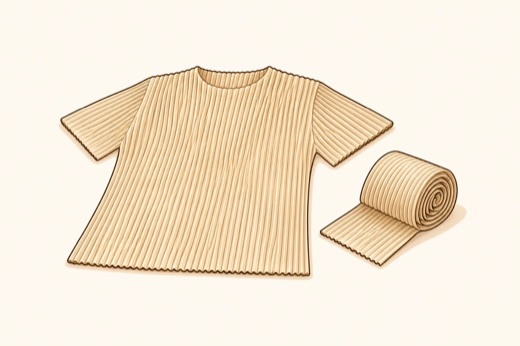 Art and craftsMiyake Issey and Japanese Fashion Design
From "a piece of cloth" to pleats, A-POC and BAO BAO, and the black-clad Paris shock of Yamamoto and Kawakubo: how Japanese designers rethought clothing.
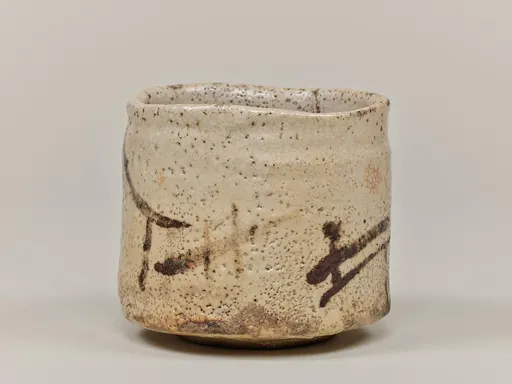 Art and craftsJapanese Ceramics
Why Japan prizes lopsided, kiln-marked pots: Raku, Bizen and Arita traditions explained, plus how to look at, choose and use a bowl.
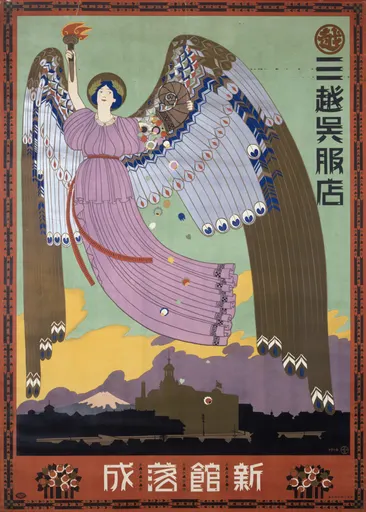 Art and craftsJapanese Graphic Design
Kamekura’s Olympic posters, the craft of setting four scripts on one line, and Yanagi’s Butterfly Stool explain how Japanese design does much with little.
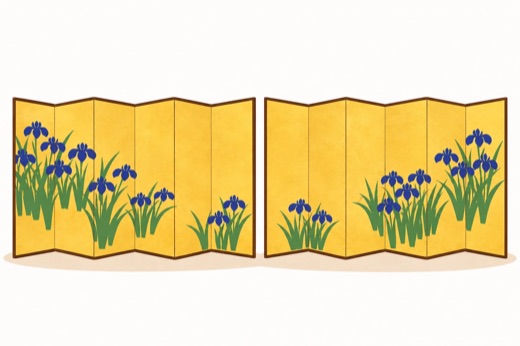 Art and craftsJapanese Painting
Traces Japanese painting from yamato-e and ink to gold screens and modern nihonga, explaining its flatness, its folding formats, and how to look at it in museums and temples.
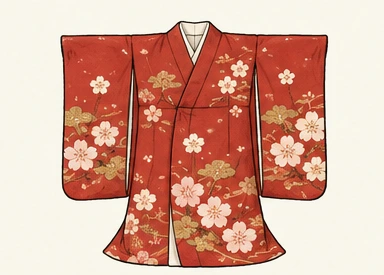 Art and craftsKimono
How a kimono is cut from one bolt of cloth, how it grew from an undergarment, which kinds suit which occasions, and what to know before renting one.
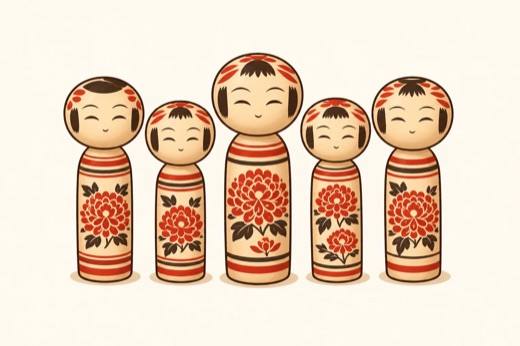 Art and craftsKokeshi
Lathe-turned wooden dolls from Tōhoku’s hot-spring towns: how they went from toys to collectibles, how to tell the regional lineages apart, and where to watch makers at work.
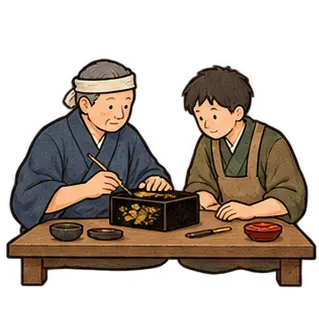 Art and craftsLiving National Treasures
What Japan’s Living National Treasure title actually recognizes, why it began after the war, how bamboo masters work, and where to see their pieces.
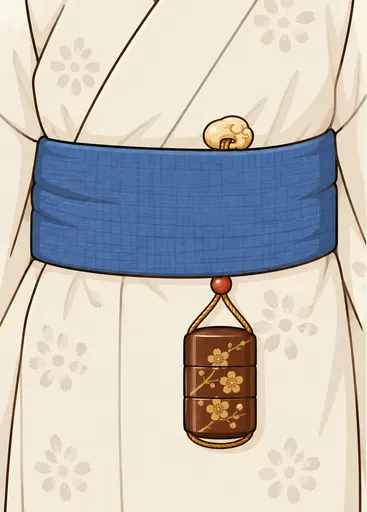 Art and craftsNetsuke and Inrō
Kimono had no pockets, so Edo people hung medicine cases from their sashes: how netsuke and inrō worked, why they were carved so finely, and how they went abroad.
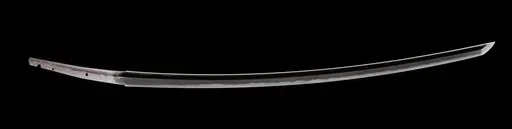 Art and craftsThe Japanese Sword
How Japanese swords are forged from iron sand, why they curve, how connoisseurs read a blade, and how the craft survived the samurai’s end.
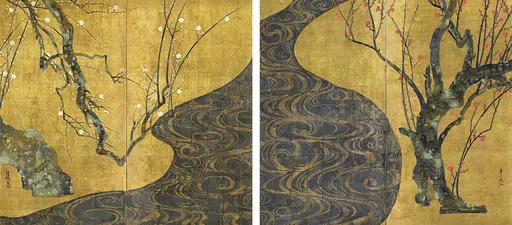 Art and craftsRinpa
How a style of gold screens, irises and wind gods passed between artists who never met, from Sōtatsu and Kōrin to Hōitsu and modern design.
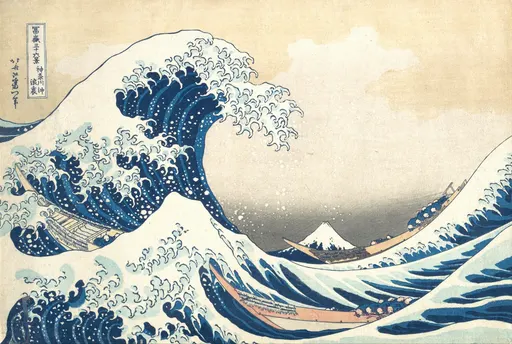 Art and craftsUkiyo-e
How cheap Edo color prints were made by four craftsmen, what they showed, why no two Great Waves match, and where to see them in Japan.
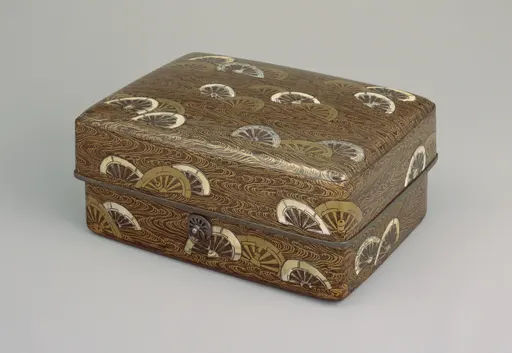 Art and craftsUrushi
How tree sap becomes a lacquered bowl, how maki-e gold and raden shell inlay are made, and how to choose and care for real urushi.
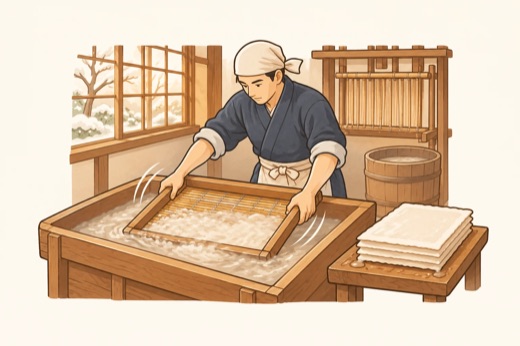 Art and craftsWashi
Explains what makes washi strong and long-lived, how it is made by hand, how Edo life ran on it, and where to see and make it today.
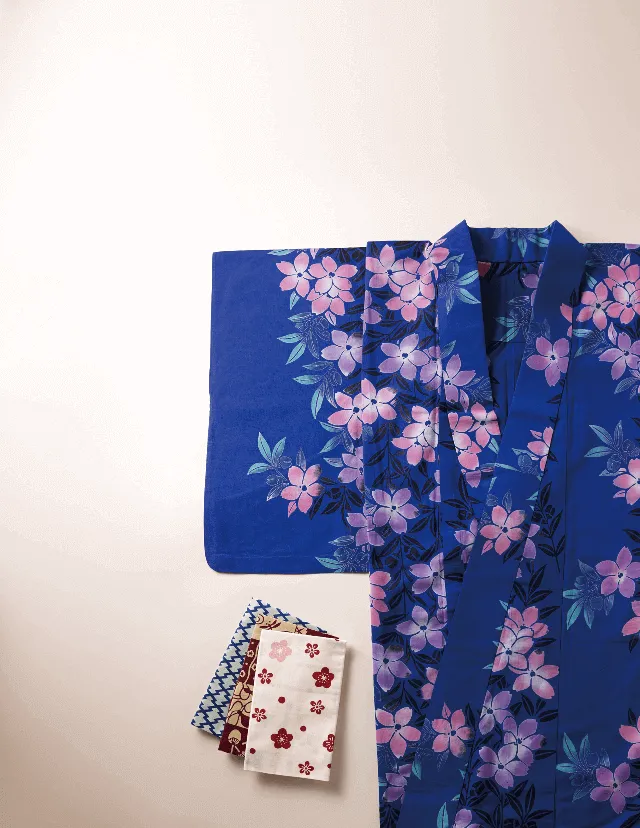 Art and craftsYukata and Jinbei
How the yukata moved from bathhouse robe to summer outing wear, what its dyes and patterns mean, where the jinbei fits in, and how to wear one properly.
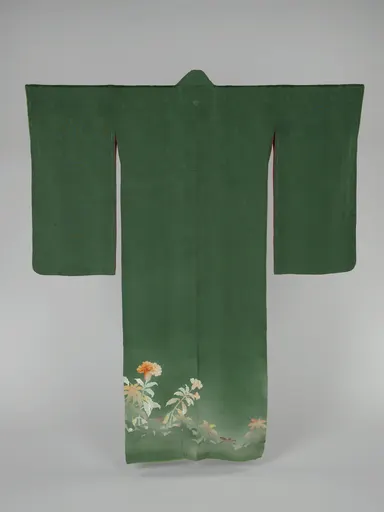 Art and craftsKimono Textiles
How kimono patterns are dyed or woven, from yūzen paste lines and Arimatsu shibori to Nishijin looms, Ōshima tsumugi and Okinawan bashōfu.
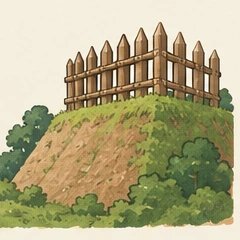 Architecture, gardens and homesJapanese Castles
How Japanese castles came down from the mountains, why only twelve original keeps survive, and how to read walls, gates and mazes on a visit.
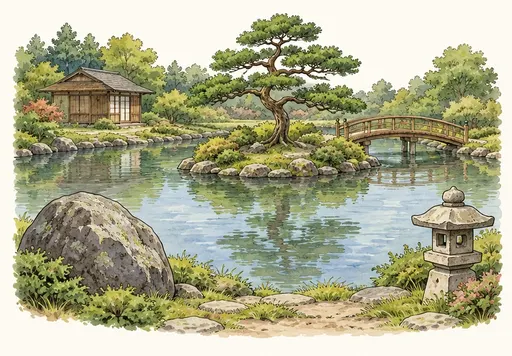 Architecture, gardens and homesJapanese Gardens
How Japanese gardens compress mountains and sea into a walled space, from Heian ponds and Zen dry gardens to tea paths, daimyo strolls and borrowed scenery.
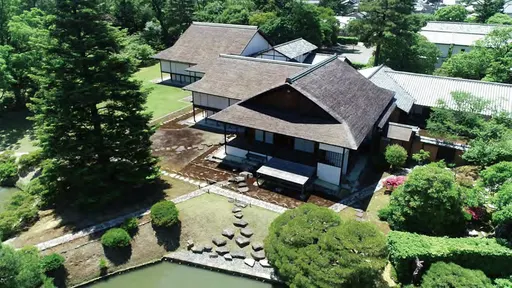 Architecture, gardens and homesKatsura Imperial Villa
Two princes’ riverside retreat in Kyoto: how its staggered shoin, stroll garden and teahouses stage each view, and why modernist architects revered it.
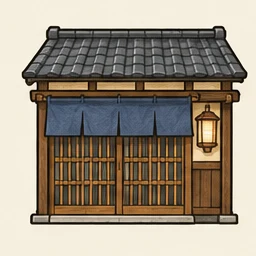 Architecture, gardens and homesKyoto Machiya
How Kyoto’s narrow, deep townhouses were built around light, airflow and fire, why so many were torn down, and how they are being reused.
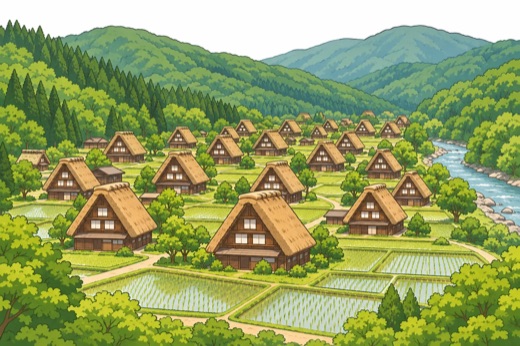 Architecture, gardens and homesMinka and Gasshō-zukuri
How Japan’s thatched farmhouses were built for rain, snow and humid summers, and why the steep gasshō roofs of Shirakawa-gō hid silkworms, saltpeter and village cooperation.
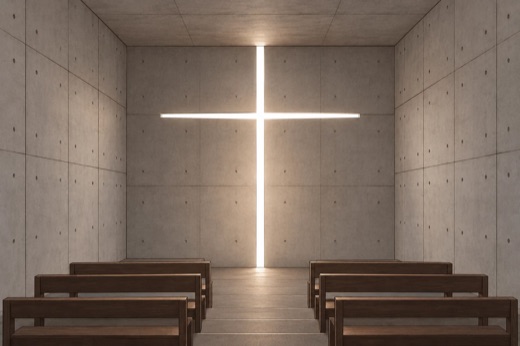 Architecture, gardens and homesModern Japanese Architecture
From Tange’s Olympic arenas and the Nakagin Capsule Tower to Andō’s Church of the Light: how modern Japanese buildings took shape and how to see them.
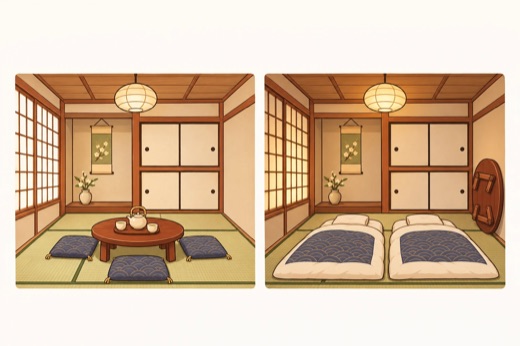 Architecture, gardens and homesThe Japanese Room
Where tatami, paper screens, the tokonoma and futon came from, how one room serves for meals and sleep, and what remains of it in Japanese homes today.
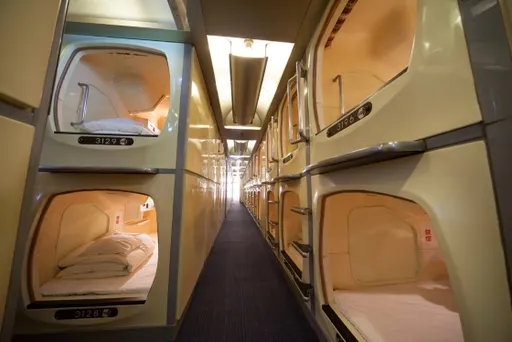 Travel and daily lifeCapsule Hotels
Why the capsule hotel, born in Ōsaka in 1979 for salarymen who missed the last train, took root in Japan and how to spend your first night.
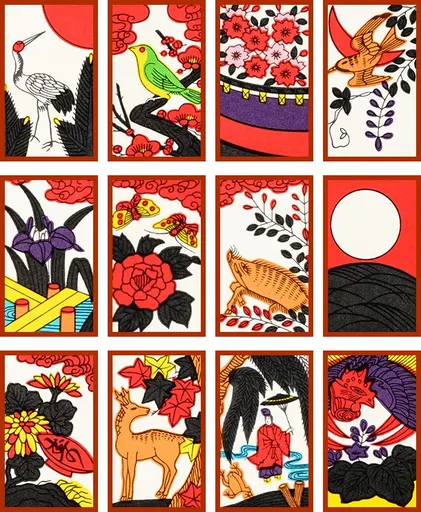 Travel and daily lifeHanafuda
Forty-eight cards for twelve months of flowers: reading the pictures, surviving shogunate bans, launching Nintendo, and learning to play koi-koi.
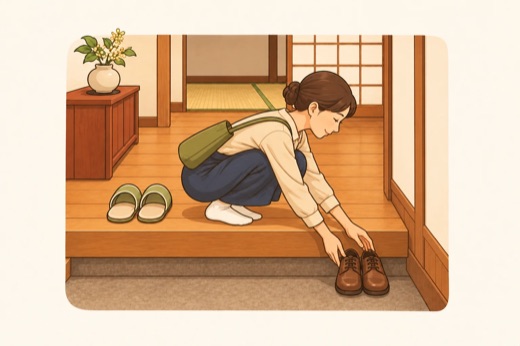 Travel and daily lifeJapanese Etiquette
The ideas behind Japanese manners, from not causing trouble to the line between insiders and outsiders, and how they shape bowing, shoes, dining, honorific speech, seals, and visitor behavior.
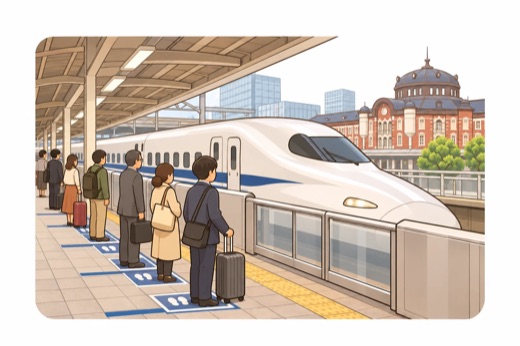 Travel and daily lifeThe Shinkansen and Japan’s Railways
From the 1872 line to the Shinkansen, IC cards and station stamps: why Japan’s trains run on time and how they shape city life.
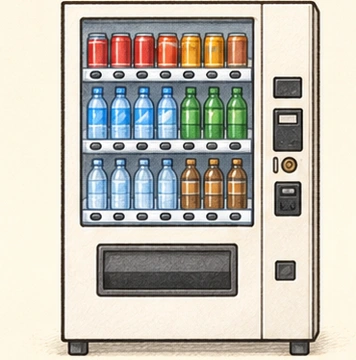 Travel and daily lifeJapan’s Vending Machines
Why Japan has nearly four million vending machines, how hot-and-cold cans and disaster-response models came about, and how a visitor can use them well.
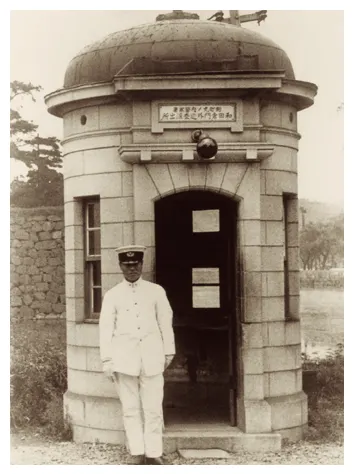 Travel and daily lifeKōban
How the small police box on Japanese street corners grew out of Meiji Tokyo, what its officers do all day, and why other countries copied it.
 Travel and daily lifeOmiyage and Gift-Giving in Japan
Why Japanese travelers bring sweets back for coworkers, how summer and year-end gifts work, and what the paper cords and wrappers on a gift box signal.
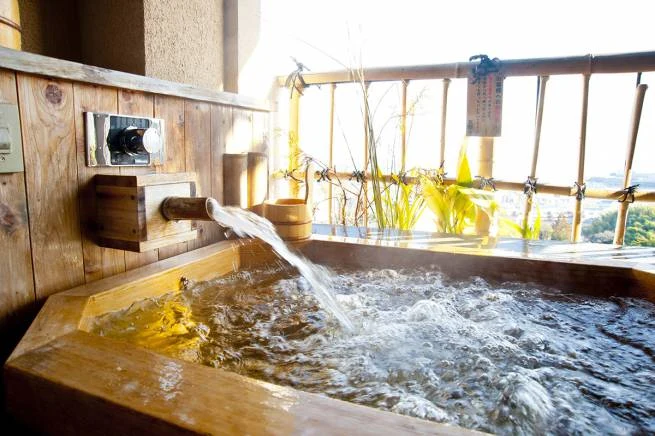 Travel and daily lifeOnsen
Where Japan’s hot-spring water comes from, how farmers’ cures became a national pastime, the most famous spa towns, and exactly how to bathe.
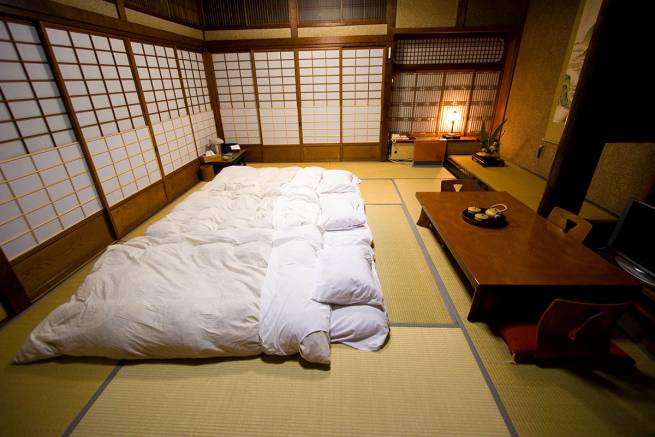 Travel and daily lifeRyokan
Walks through a ryokan night from welcome tea to futon, explains the room and its etiquette, and traces the inn back to Edo post towns and spa cures.
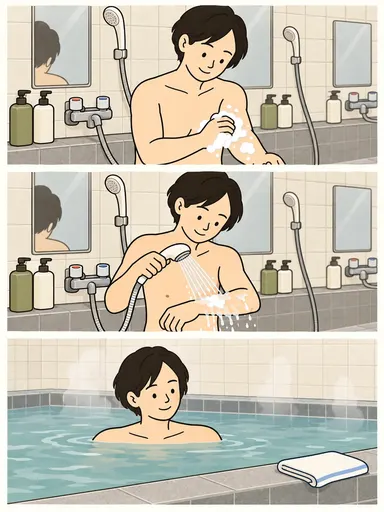 Travel and daily lifeSentō
How to use a Japanese public bathhouse, why Japanese wash before soaking, and how sentō grew from temple baths and Edo bathhouses to today’s dwindling neighborhood institutions.
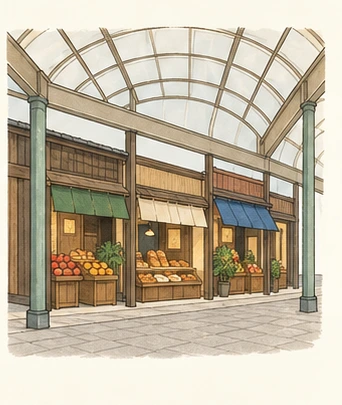 Travel and daily lifeShōtengai
How Japan’s neighborhood shopping streets grew from temple gates and railway stations, boomed after the war, emptied into shutter streets, and still thrive in big cities.
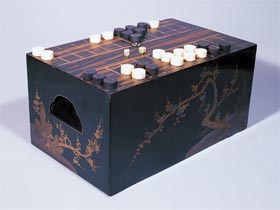 Travel and daily lifeTraditional Japanese Toys
How sugoroku went from aristocratic gambling board to printed New Year race game, how the kendama got its three cups, and why kites still anchor town festivals.
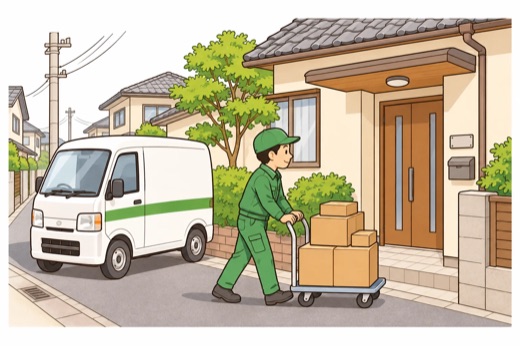 Travel and daily lifeTakkyūbin
How Yamato Transport built next-day home delivery from eleven parcels a day, fought regulators, strained its drivers, and how travelers can use it.
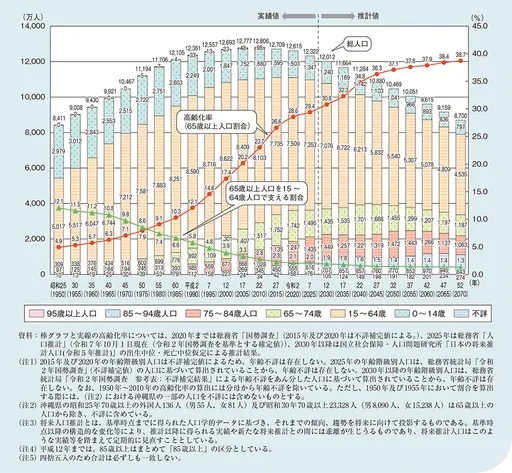 Society, school and workJapan’s Aging Society
Nearly three in ten Japanese are 65 or older; how the country aged so fast, how it cares for its elderly, and what visitors notice on the street.
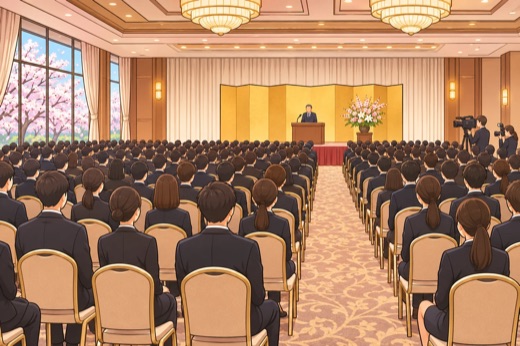 Society, school and workThe Japanese Workplace
How lifetime employment, seniority pay, graduate hiring, business cards and consensus-building fit together in Japanese companies, and how that system is now loosening.
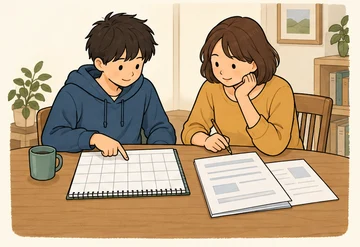 Society, school and workEntrance Exams and Juku
How Japan’s entrance exams work, from twelve-year-olds sitting private school tests to the January Common Test, and why cram schools became a second school system.
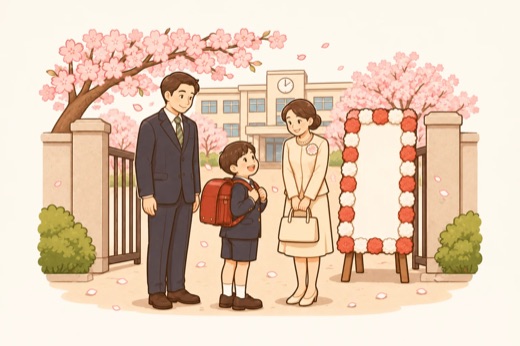 Society, school and workSchool Life in Japan
Why Japanese schools start in April, why pupils clean classrooms and serve lunch, and how radio exercises, clubs and uniforms came about and are now changing.
 Society, school and workJapanese Names and the Family Register
Explains how Japanese names are read and registered, where surnames came from, how the family register differs from the resident record, and why married couples must still share one surname.
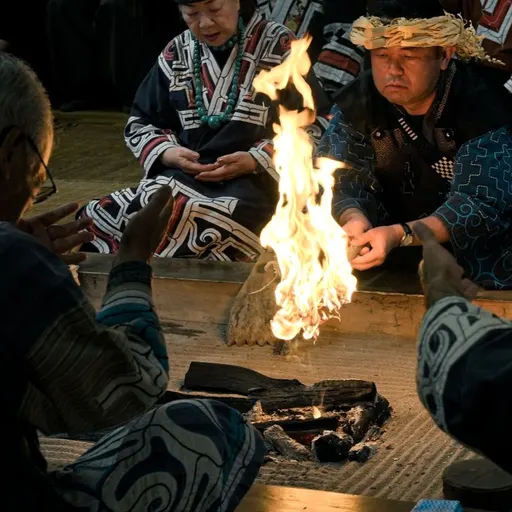 Regional cultures: Ryūkyū and AinuAinu Culture
How the Ainu treated bears, fire and owls as kamuy to host and send home, their songs, patterns and instruments, the toll of assimilation, and where to learn more.
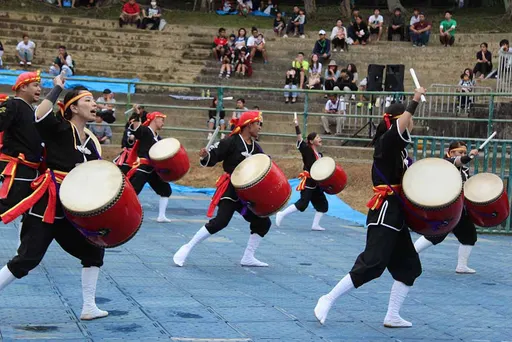 Regional cultures: Ryūkyū and AinuEisa
Okinawa’s Obon drum dance, from Buddhist chanters and village youth groups to Koza’s postwar contest and creative troupes, with advice on watching a procession.
 Regional cultures: Ryūkyū and AinuRyūkyū and Okinawan Culture
Why Okinawa feels unlike the rest of Japan: the Ryūkyū Kingdom and its fall, sacred groves and priestesses, ryūka and kumi odori, and a bowl of Okinawa soba.
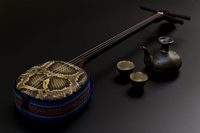 Regional cultures: Ryūkyū and AinuSanshin
How a python-skin lute moved from the Ryūkyūan court to villages and tin-can camps, fathered the shamisen, and how visitors can hear and play it.
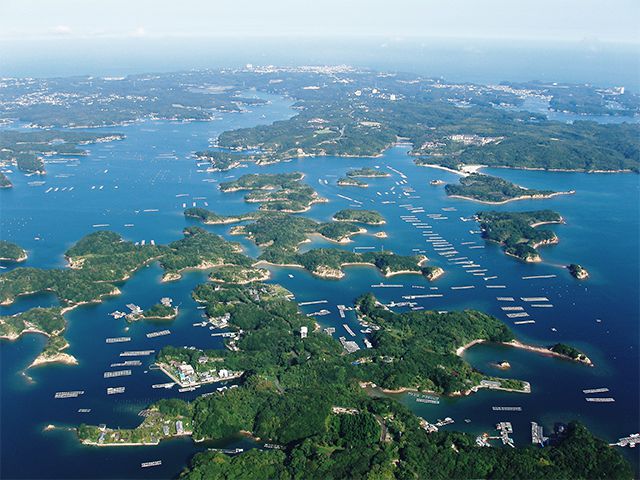 Nature and heritageJapan’s National Parks
Japan’s national parks enclose villages, inns and dams on land the state often doesn’t own; Shiretoko, Oze, Ogasawara and others show how protection gets negotiated.
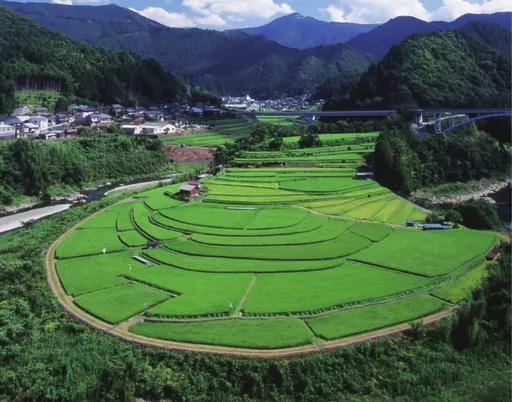 Nature and heritageSatoyama and Satoumi
How Japan’s village woods, paddies and inshore waters were shaped by centuries of use, nearly lost after the fuel revolution, and revived as a conservation idea.
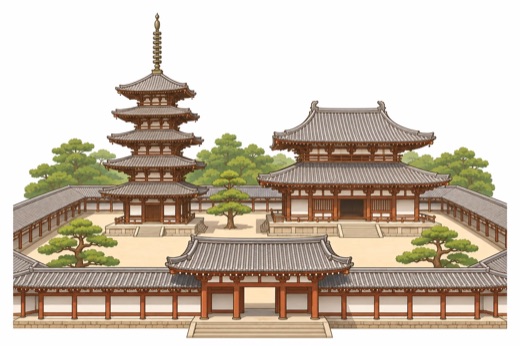 Nature and heritageJapan’s World Heritage Sites
Japan’s 27 World Heritage sites and the domestic system beneath them, from National Treasures to Japan Heritage stories, with advice on which places repay the trip.