
61 essays
Six essays that, read in order, take you through Japanese history from Jōmon to Meiji once. After them, every person, event and site on HO has a place to sit.
A walk through Japan's twelve named eras, explaining where each name comes from and the main thread from Jōmon pottery to the Meiji constitution.
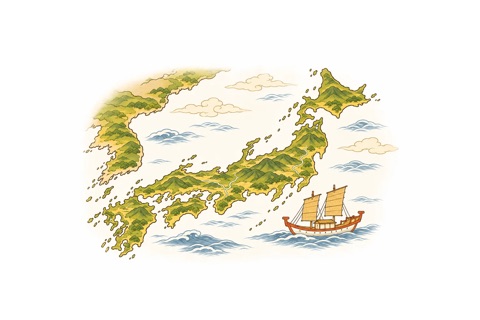
How Japan's mountainous island chain and its neighbors shaped its history, from rice and writing crossing the strait to envoys, Mongols, Europeans, sakoku and the Ainu north.
How power in Japan split between a never-replaced imperial line and the regents, retired emperors, shoguns and daimyo who actually ruled, until Meiji merged the two.
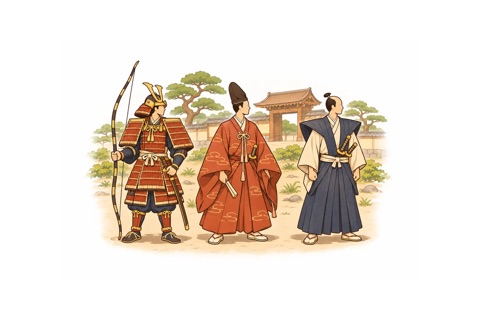
How Japan's warriors set up government three times, at Kamakura, Muromachi and Edo, how each worked and fell, and what the three look like side by side.
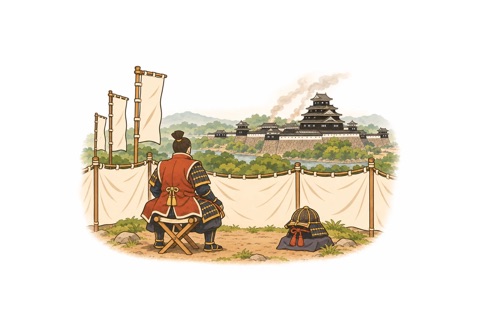
From the Ōnin War and the rise of warring daimyo to how Nobunaga, Hideyoshi and Ieyasu ended a century of civil war at Sekigahara and Osaka.
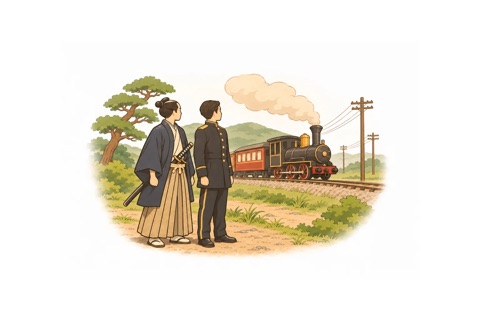
The sixty years from Perry's black ships in 1853 through the shogunate's fall, Meiji reforms, the constitution and empire, including who bore the costs.
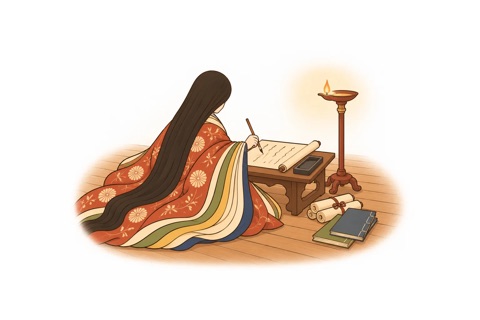
Why Heian court women produced the first great novel: kana writing, the politics of the empresses' salons, Murasaki Shikibu's vantage point and the Tale of Genji's readers.
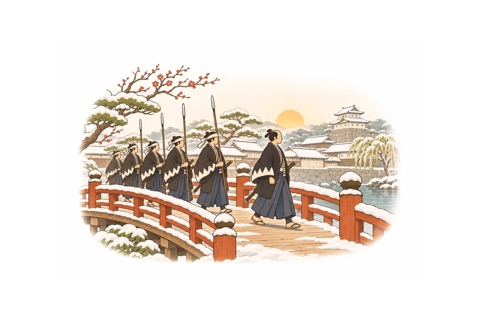
Whom samurai were actually loyal to, from medieval reward-for-service bonds and Sengoku defections to the forty-seven rōnin and Meiji loyalty to the emperor.
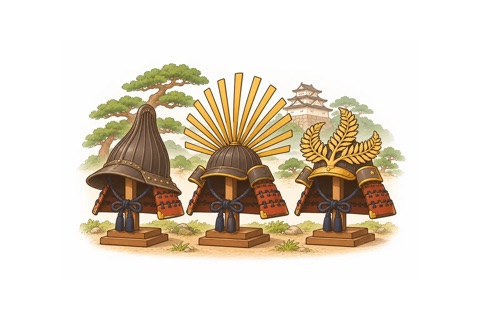
Why Nobunaga, Hideyoshi and Ieyasu were the ones to end the Warring States, why the first two failed to pass power on, and how Ieyasu made it last.
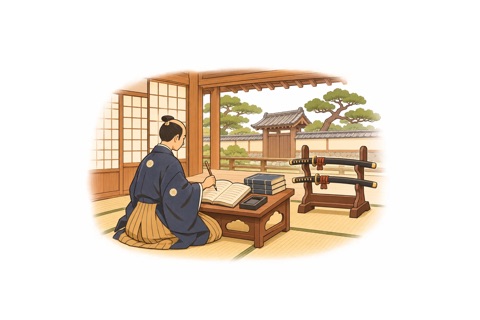
How samurai went from guards and landholding warriors to stipend-drawing bureaucrats and Confucian readers, plus family, status, the word bushidō and the class's end.
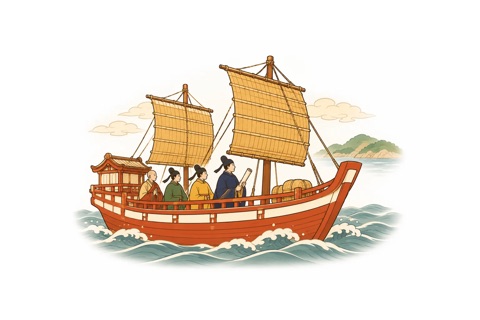
What Japan borrowed from China, such as law codes, capitals, Buddhism and writing, what it left out, like exams and eunuchs, and who decided.
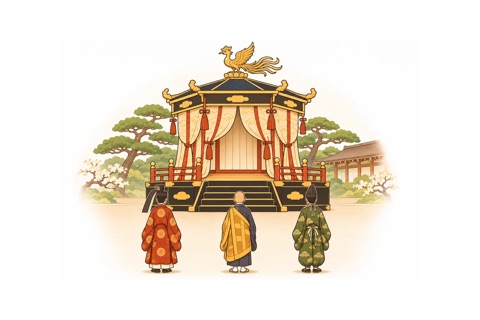
Why no one ever replaced Japan's emperors, from the Fujiwara and retired emperors to the shoguns, Ashikaga Yoshimitsu, the unifiers and the Meiji Restoration.
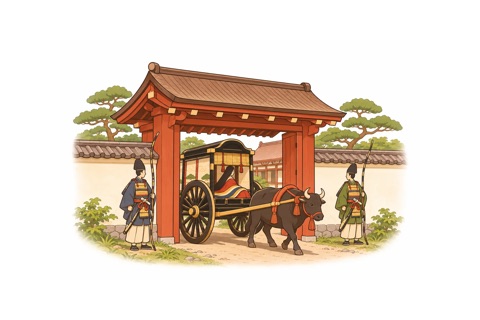
How samurai went from the court's hired force to Japan's rulers, through the Genji and Heike, the Hōgen and Heiji disturbances, Kiyomori, Yoritomo and the Jōkyū War.
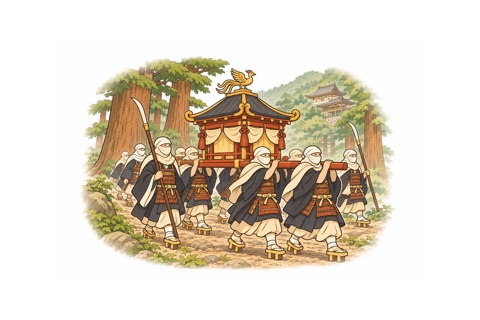
Why Japanese temples kept armies: estates to defend, armed monks and protests in Kyoto, temple wars, the Ikkō leagues, and how Nobunaga and Hideyoshi disarmed them.
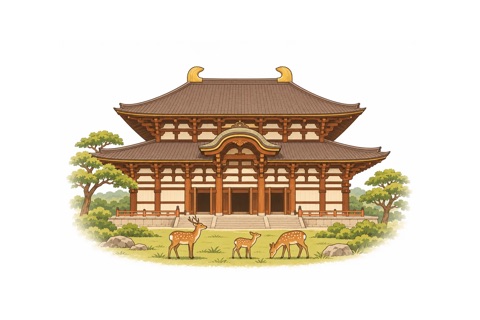
How Nara served as a Chang'an-style capital for seventy-odd years, with the Great Buddha and Ganjin, then lived on for centuries as a city of temples and deer.
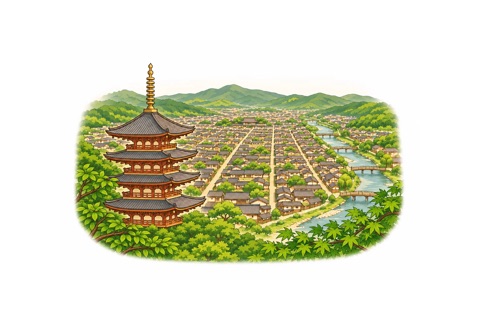
Kyoto's thousand years from Emperor Kanmu's move from Nara through court life, warrior rule, the Ōnin War fires, Hideyoshi's rebuilding and life after the emperor left.
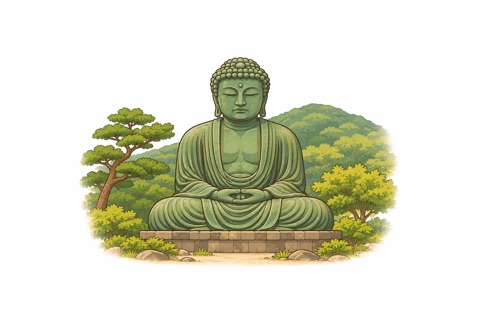
Why Minamoto no Yoritomo built Japan's first warrior capital in a seaside valley, and its story through the Hōjō regents, Zen temples, the Great Buddha and its fall.
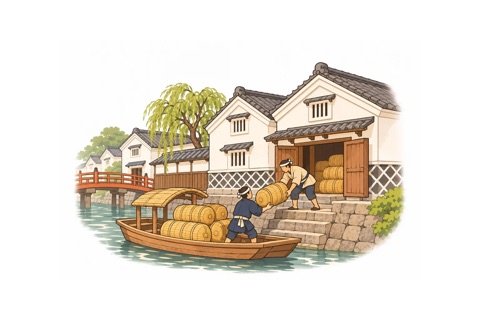
Osaka from the ancient port and Naniwa palaces through Ishiyama Hongan-ji and Hideyoshi's castle to the merchants' 'nation's kitchen' and the 'Manchester of the East'.
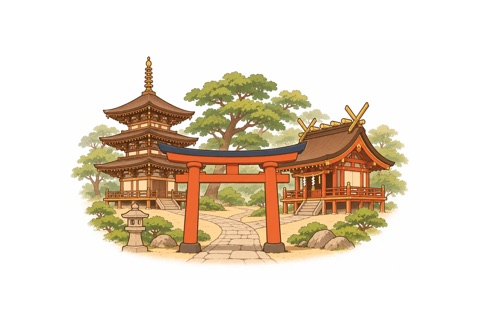
How kami and buddhas came to share shrines and temples over a thousand years, through shrine-temples and honji suijaku theory, and why Meiji orders split them apart.
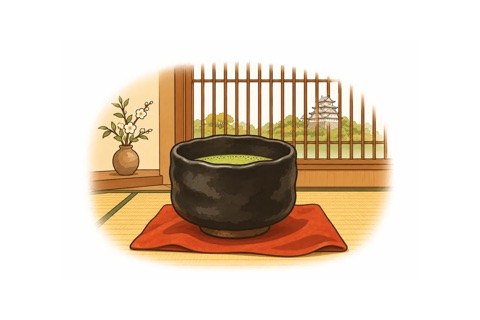
How tea utensils came to be worth more than land, from wabi tea and Nobunaga's collecting and tea politics to Hideyoshi's gold and Rikyū's death.
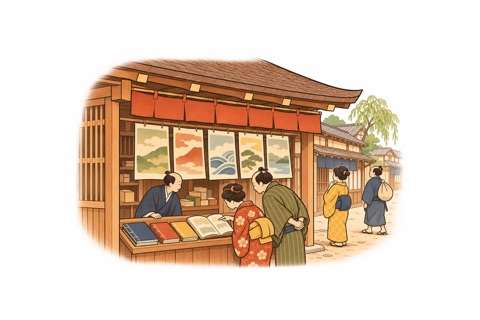
How Edo's low-status but moneyed townspeople created their own culture through theater, pleasure quarters, woodblock publishing and ukiyo-e, despite shogunal censorship.
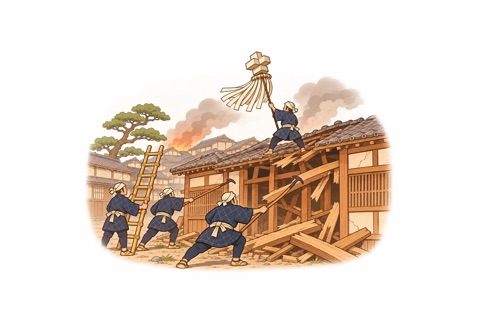
Starting from the Meireki fire of 1657, how Edo's million people coped with fires, brought in water from afar and sold night soil to keep the city running.