
17 essays related to events
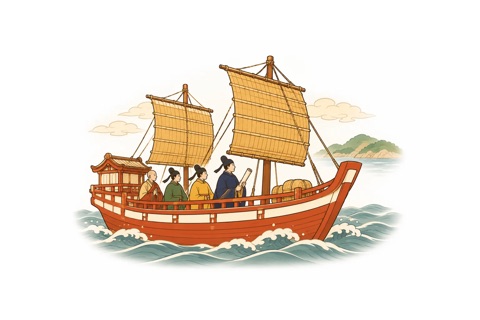
What Japan borrowed from China, such as law codes, capitals, Buddhism and writing, what it left out, like exams and eunuchs, and who decided.
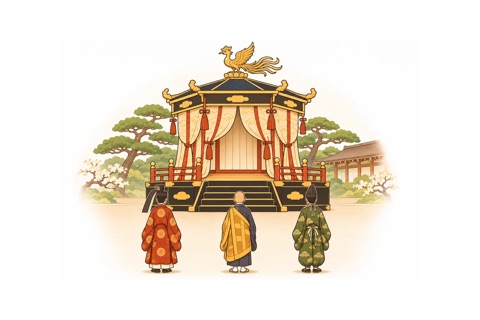
Why no one ever replaced Japan's emperors, from the Fujiwara and retired emperors to the shoguns, Ashikaga Yoshimitsu, the unifiers and the Meiji Restoration.
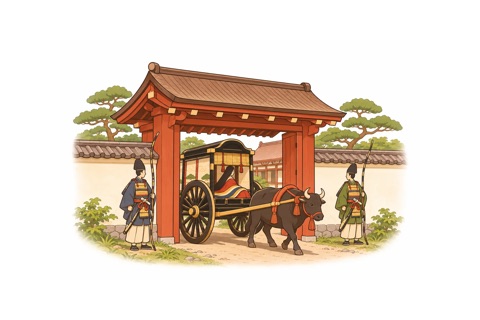
How samurai went from the court's hired force to Japan's rulers, through the Genji and Heike, the Hōgen and Heiji disturbances, Kiyomori, Yoritomo and the Jōkyū War.
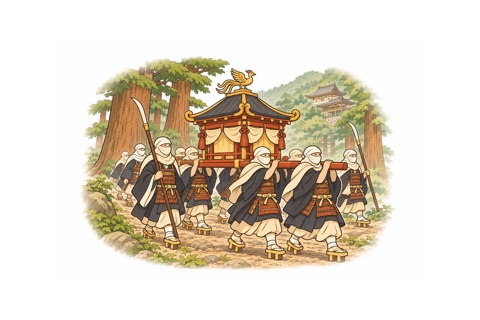
Why Japanese temples kept armies: estates to defend, armed monks and protests in Kyoto, temple wars, the Ikkō leagues, and how Nobunaga and Hideyoshi disarmed them.
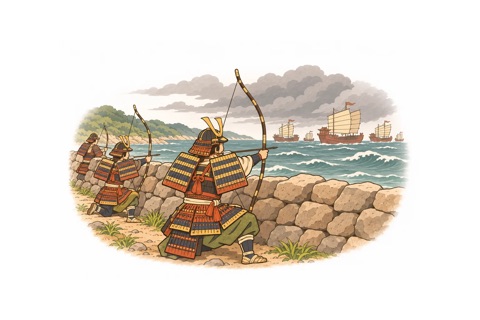
What happened in the two Mongol invasions, what the storms actually did, and how the idea of a 'divine wind' grew from shrine claims into national myth.
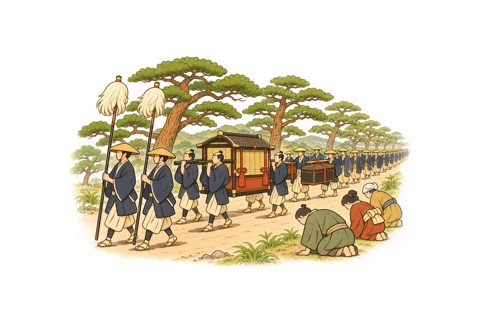
How the Tokugawa kept peace for 260 years: castle limits and laws, the placement of daimyo, alternate attendance, separating samurai from farmers, guns and closed seas.
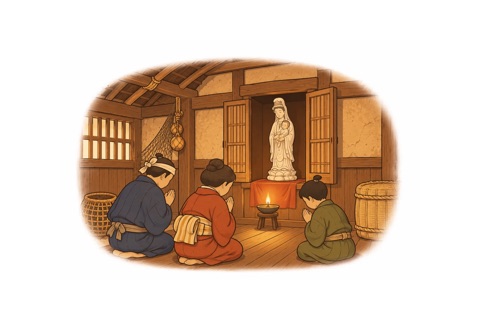
How Japan's hidden Christians kept their faith for 250 years without priests after the ban, from Xavier and Shimabara to their 1865 discovery and the Urakami exile.
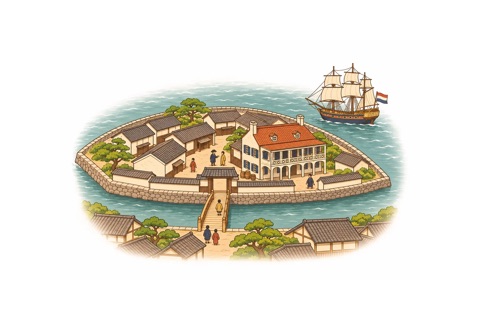
How Tokugawa Japan learned about the world through Dejima, Dutch news reports, imported books and Rangaku scholars, and what that narrow window could and could not show.
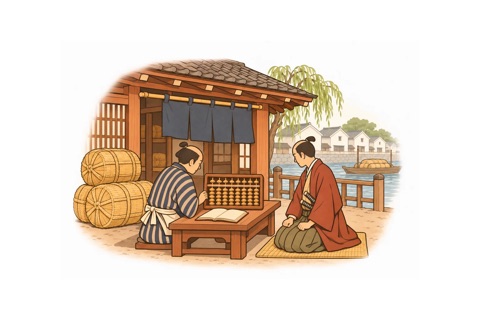
Why Edo-period samurai living on rice stipends fell into debt to merchants, and how shogunal reforms and domain recoveries tried to fix it.
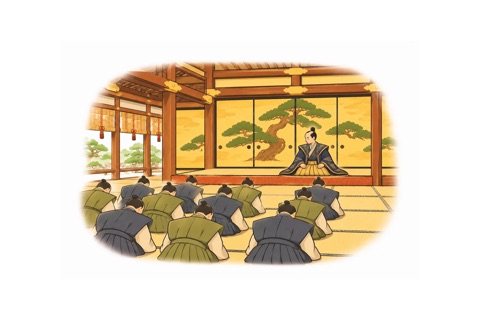
Why the Tokugawa shogunate collapsed within fifteen years: imperial refusal of the treaties, the Sakuradamon assassination, Kyoto politics, Satsuma's switch and the Boshin War.
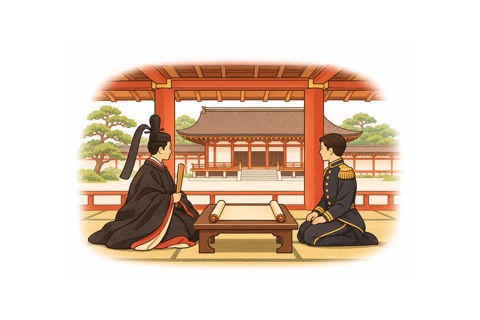
How the Meiji Restoration carried out sweeping change in the name of restoring ancient rule, through the Charter Oath, abolishing domains and classes, and the constitution.
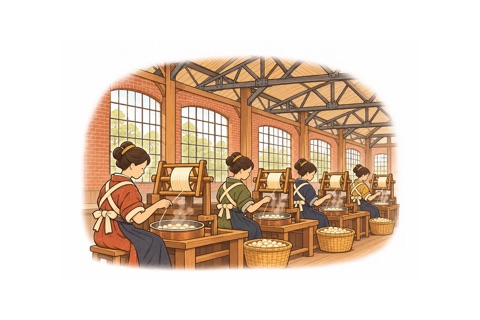
Who paid for Meiji modernization: farmers under the land tax and deflation, conscripts, mill girls, Ashio's poisoned rivers, the Ainu, Ryukyu and Korea.
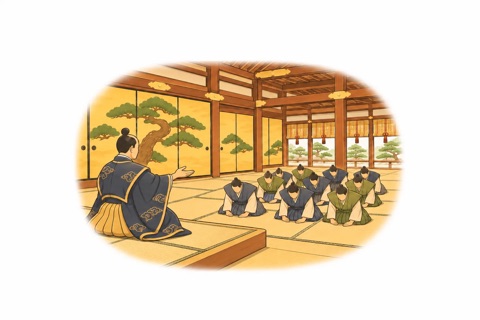
Ten events, from the Isshi Coup to the return of authority in 1867, that reshaped who ruled Japan and how it met the world.
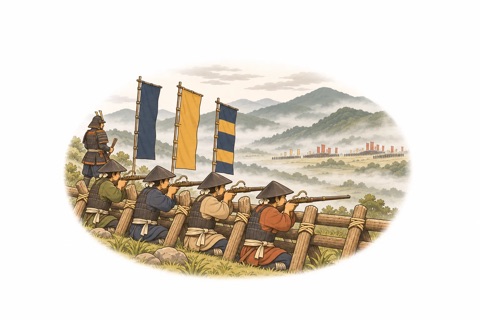
From the Jinshin War to the Satsuma Rebellion, ten wars that changed who ruled Japan, and the battlefields you can still visit.
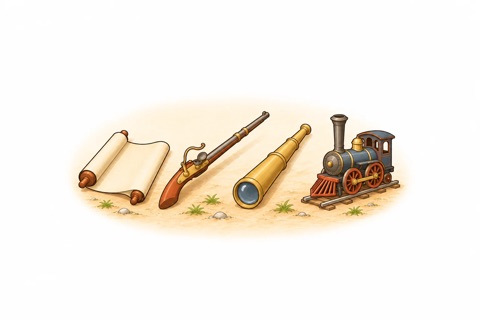
From Ganjin's crossing to the Iwakura Mission, ten meetings between Japan and the wider world, in order of time.
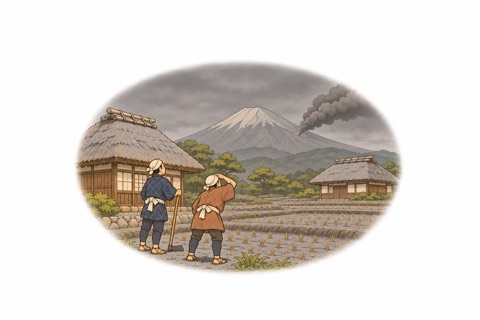
Disasters from the Tenpyō epidemic to the Tenpō famine, and how court, shogunate and people responded.
Ten places, from the siege of Aizu to Emperor Meiji's death, that tell the story of the Meiji era.