
125 essays related to places
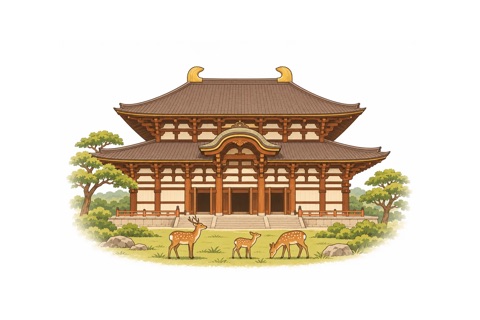
How Nara served as a Chang'an-style capital for seventy-odd years, with the Great Buddha and Ganjin, then lived on for centuries as a city of temples and deer.
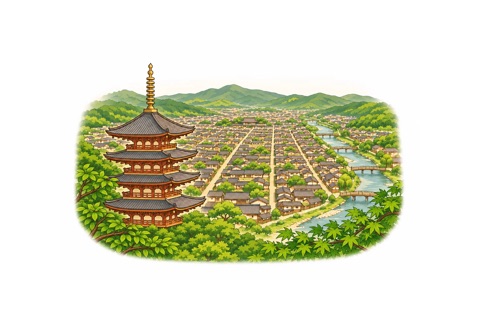
Kyoto's thousand years from Emperor Kanmu's move from Nara through court life, warrior rule, the Ōnin War fires, Hideyoshi's rebuilding and life after the emperor left.
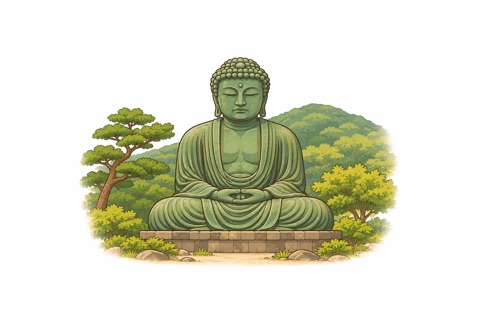
Why Minamoto no Yoritomo built Japan's first warrior capital in a seaside valley, and its story through the Hōjō regents, Zen temples, the Great Buddha and its fall.
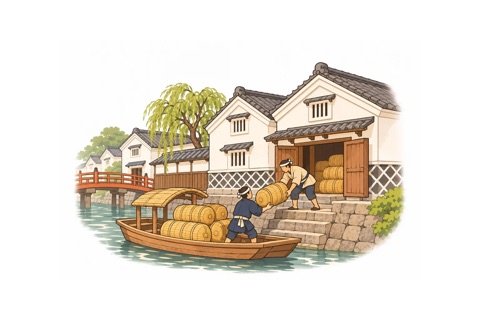
Osaka from the ancient port and Naniwa palaces through Ishiyama Hongan-ji and Hideyoshi's castle to the merchants' 'nation's kitchen' and the 'Manchester of the East'.
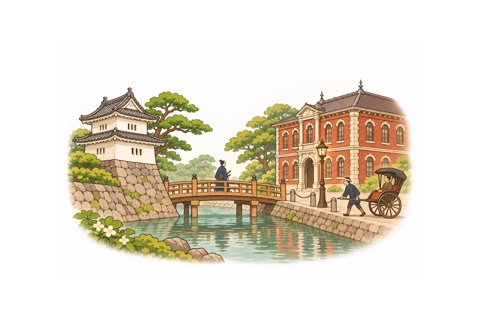
How Edo grew from a marshy bay into a city of a million under the Tokugawa, through land reclamation, alternate attendance and fires, before becoming Tokyo.
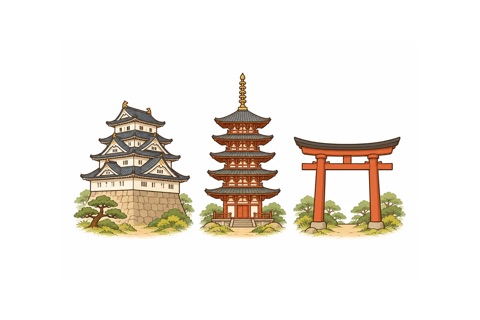
How to tell castles, temples and shrines apart and read them on site: stone walls and keeps, temple layouts, Buddhist statues, torii, and originals versus reconstructions.
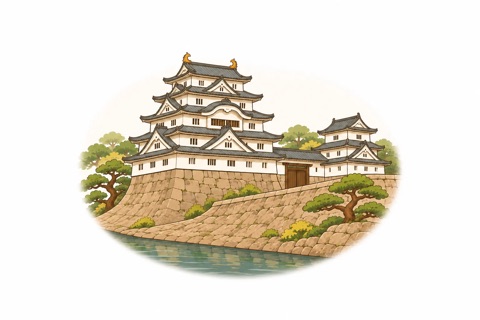
Ten castles, from Gifu to Kumamoto, trace how warrior power was built, displayed, settled and finally surrendered.
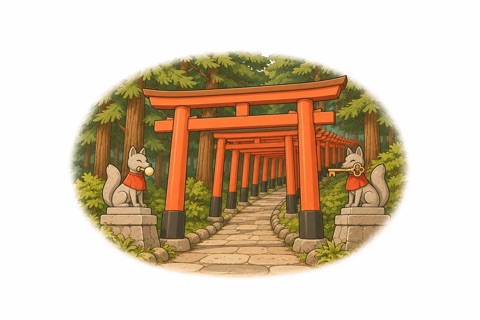
Ten shrines and temples, from Izumo to Fushimi Inari, trace Shinto, Japan’s Buddhist schools, and how gods and buddhas merged and parted.
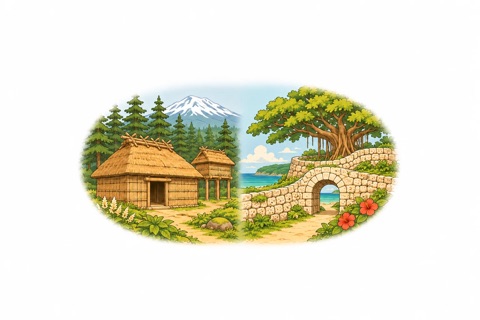
Ten sites, people and events from Ezo, the Ainu and the Ryūkyū Kingdom, read north and south from Nakijin to Upopoy.
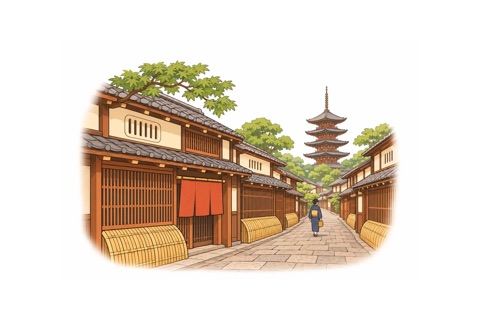
A three-day route through Kyoto: machiya townhouses and neighborhoods, Zen temples and gardens, tea and geiko districts, then Fushimi Inari and the Gion Matsuri.
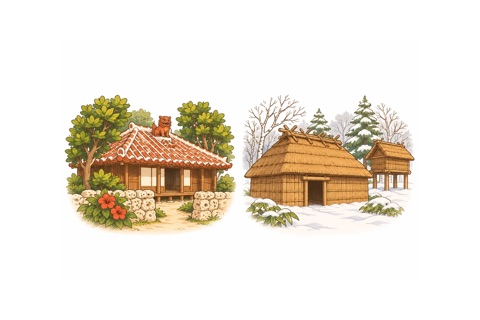
Reads Japan's two ends together: the Ryukyu Kingdom and the Ainu, their histories and cultures, and how both were absorbed by the Meiji state.
One historic site each: who built it, what happened there and what you can still see. Arranged by region.
Asuka and Fujiwara-kyō from the Soga and the Isshi Incident to Tenmu, Jitō and the first planned capital, with Ishibutai, palace sites and painted tombs.
The Temple and Grave of Soga no Umako
Hikone Castle and the Ii clan who held it, Ii Naosuke's fifteen years at Umoregi-no-ya before becoming Great Elder and his assassination, and how the castle survived.
Himeji from early forts under the Akamatsu, Kuroda and Hideyoshi to Ikeda Terumasa's great castle, its later lords, Princess Sen, modern survival, restorations and legends.
Ise's Inner Shrine to Amaterasu: founding legends, the imperial priestesses, the twenty-year rebuilding, medieval decline, mass pilgrimages and the modern shrine.
Kūkai's mountain monastery at Kōyasan and the Kumano shrines visited by retired emperors and commoners, their histories through to World Heritage status, and what to see.
Hōnen’s Last Home and the Tokugawa Temple
A Mountain Temple from Shōbō’s Spring to Hideyoshi’s Last Blossoms
Daitoku-ji from its founding by Shūhō Myōchō and Ikkyū's rebuilding to its tea masters, warlord subtemples, the Rikyū statue affair and what to see now.
Fushimi Castle where Hideyoshi died and Ieyasu took power: its two sites, the siege, buildings scattered elsewhere, the Momoyama name and what remains today.
Thirteen Centuries on the Mountain of the Rice God
How Ashikaga Yoshimasa built his Eastern Hills retreat after the Ōnin War, the Higashiyama culture it fostered, why it is called 'silver', and what to see.
How the Honnō-ji Incident unfolded and Nobunaga and his heir died, the battle at Yamazaki that followed, and the difference between the original site and today's temple.
A Prince’s Retreat Built for the Moon
Why Ashikaga Yoshimitsu built the Golden Pavilion at his Kitayama estate, its life as a Zen temple, the 1950 arson and rebuilding, and the pond walk.
How the wronged Sugawara no Michizane went from vengeful spirit to god of learning, Kitano's founding, Hideyoshi's tea gathering, Hideyori's shrine buildings and the grounds.
Kiyomizu-dera from its founding by Enchin and Sakanoue no Tamuramaro through fires and Iemitsu's rebuilding, the story of its famous stage, and a walk through the grounds.
How the emperors' residence moved from the Heian palace to today's Kyoto Imperial Palace, its rebuildings, its role in the late-Edo crisis and the Kogosho conference.
How the Shinsengumi formed at Mibu, the killing of Serizawa Kamo and the Ikedaya Incident, and the Yagi house, Mibu-dera and other sites today.
A Retired Emperor’s Villa Above the Five Mountains
Why Ieyasu built Nijō Castle in Kyoto, how the Ninomaru Palace ranks visitors through rooms and paintings, and the 1867 return of power held there.
The Retired Emperor’s Chamber and a Thousand Years of Prince-Abbots
From Shinran’s Grave to a Great Head Temple
How Hosokawa Katsumoto founded Ryōan-ji and it was rebuilt after the Ōnin War, the open questions about its rock garden, how to view the fifteen stones and more.
Sanjūsangen-dō built by Taira no Kiyomori for Go-Shirakawa, the retired emperor's palace complex, the thousand Kannon and guardian figures, the archery contests and nearby sights.
Why Ashikaga Takauji built Tenryū-ji for Emperor Go-Daigo's spirit, the trade ships that funded it, its fires and rebuilding, and the Sōgen Pond garden.
The riverside inn at Fushimi and its two bloody nights, the 1862 Satsuma clash and Sakamoto Ryōma's 1866 escape, and whether today's building is original.
How the standoff after the return of power erupted south of Kyoto, the four days of fighting, the imperial banner, Yoshinobu's flight from Osaka, and the sites today.
The night Sakamoto Ryōma and Nakaoka Shintarō were attacked at the Ōmiya in Kyoto, why they were there, the aftermath and the question of who did it.
The Nara-period imperial palace: why the capital moved here, its layout and audience halls, its rediscovery under fields, preservation campaigns and the reconstructed buildings.
The Fujiwara Gods Beneath Mt. Mikasa
Kōfuku-ji over thirteen centuries as the Fujiwara temple: the Ashura statue, its rule over Yamato, Unkei's sculptures after the 1180 fire, and the rebuilt Central Golden Hall.
Ganjin's six attempts to reach Japan, his ordination platform at Tōdai-ji and founding of Tōshōdai-ji, its Nara-period Golden Hall and lecture hall, and later restorations.
Yakushi-ji from Emperor Tenmu's vow for his ailing empress, the question of its move from Fujiwara-kyō, the surviving East Pagoda and Yakushi triad, to modern rebuilding.
Hideyoshi's rapid return after Honnō-ji and his victory over Akechi Mitsuhide at Yamazaki, the origin of 'Tennōzan' as a byword, and the sites on the mountain.
Sakai as a self-governing port of trade and guns, and how Sen no Rikyū rose from a fish merchant's son to tea master for Nobunaga and Hideyoshi.
How Fujiwara no Yorimichi turned his Uji villa into Byōdō-in, the Phoenix Hall and Jōchō's Amida, later restorations, and what to see on site.
Yoshino's sacred mountain from En no Gyōja and early palaces to Emperor Go-Daigo's Southern Court, its burning, the legitimacy debate and Zaō-dō today.
Oda Nobunaga's lakeside castle from its building and towering keep to its burning after Honnō-ji, plus the excavations, museums and the walk up Azuchi-yama.
Dōtonbori from Yasui Dōton's canal to Osaka's licensed theater street of puppet plays and kabuki, the loss of its playhouses, and a walk along the canal.
Prince Shōtoku's vow and the founding of Shitennō-ji, its classic temple layout and social work, Shōtoku worship, repeated rebuilding and what to see today.
The layers of Osaka Castle: Ishiyama Hongan-ji, Hideyoshi's fortress and its fall in the Osaka campaigns, the Tokugawa rebuild over it and the 1931 keep.
Saichō's Mount Hiei monastery: the rise of Tendai, warrior monks, its role as mother of Japanese Buddhism, Nobunaga's burning, revival and the three precincts today.
The "University of the Bandō" and Medieval Japan’s Chinese Learning
Why Hōjō Tokimune founded Engaku-ji for the dead of the Mongol invasions, its later history through the Great Kantō Earthquake, and its halls and great bell.
How Kamakura's bronze Amida was cast, why it has sat outdoors for five centuries since its hall fell, its revival, repairs and what to look for.
How Yoritomo made Tsurugaoka Hachimangū the axis of Kamakura, Shizuka's dance, the assassination on the great steps, Meiji's separation of kami and buddhas and the shrine today.
Emperor Shōmu's Great Buddha: why and how it was cast, the eye-opening ceremony, the hall burned and rebuilt twice, modern repairs and what to see.
Kawagoe from medieval warriors and the Night Battle to a Tokugawa castle town guarding Edo, its surviving palace, and the storehouse streets rebuilt after the Meiji fire.
Tokugawa Nariaki’s School and Garden
How Ieyasu was deified and Iemitsu rebuilt his shrine in lavish style, the carvings, Yōmeimon gate and three monkeys, Tōshōgū's status and what to see.
Odawara as the Later Hōjō's stronghold for five generations, its town-enclosing outer wall, Hideyoshi's siege, later history and the rebuilt keep and gates.
Edo Castle from Ōta Dōkan and Ieyasu to its three keeps, why the keep was not rebuilt after the Meireki fire, and what remains in the East Gardens.
Katsushika Hokusai's life around Honjo in Sumida, from his youth to Hokusai Manga, Thirty-six Views of Mount Fuji and his last years, plus the Sumida Hokusai Museum.
How Tenkai founded Kan'ei-ji as the shoguns' temple, Ueno in Edo life, the Shōgitai and the Battle of Ueno, and how the grounds became Ueno Park.
Nihonbashi as the starting point of Japan's highways and Edo's commercial heart: the fish market, Echigoya, the 1911 stone bridge and the expressway overhead.
Asakusa Kannon and the Pleasure Grounds of Edo
How Zōjō-ji became a Tokugawa family temple, its surviving Sangedatsu Gate and shogunal mausoleums, its modern fires and rebuilding, and what to see.
Why the Meiji government built the Tomioka Silk Mill with French engineer Brunat, the women who worked it, its later private years, preservation and the buildings today.
How Yokohama grew from a village where Perry landed into a treaty port, with its settlement, silk trade, Meiji firsts, earthquake recovery and a walk around the area.
Uraga as the gate to Edo Bay, Perry's 1853 arrival and landing at Kurihama, and Uraga's later history from the Kanrin Maru to its shipyard.
What happened when nineteen Byakkotai boys died on Mount Iimori in the Aizu War, the lone survivor, how the story was told and retold, and the sazaedō hall.
Aizu's castle from the Ashina clan's Kurokawa through the Gamō, Katō and Matsudaira lords to the month-long 1868 siege, demolition and the rebuilt keep.
The star fort built after Hakodate opened, the Boshin War's last stand under Enomoto Takeaki and Hijikata Toshizō, and the reconstructed magistrate's office.
Hakodate's Motomachi slope after the port opened: consulates, Orthodox, Catholic and Anglican churches, the old public hall, and the Hekketsuhi memorial to shogunate dead.
Hiraizumi and Chūson-ji under four generations of the Northern Fujiwara, the Golden Hall, Yoshitsune's end and the city's fall, Bashō's visit and what survives today.
Hirosaki from Tsugaru Tamenobu's rise and the castle's founding to the lightning-burned keep, its replacement tower, the cherry-blossom park and the keep's move for wall repairs.
The Pine Islands and Date Masamune’s Zen Temple
How herring, coal railways and the harbor built Otaru, why the canal and stone warehouses were built, its banking street, decline and the canal preservation movement.
How the Kaitakushi laid out Sapporo on open land, the building and restoration of the red-brick government office, and the Ainu whose land it was.
The Sapporo Agricultural College's drill hall: William S. Clark and his students, the hall and its Howard clock, and how the building stayed after the school moved.
Date Masamune's hilltop castle and the city he planned below, why it had no keep, its earthquakes and stone walls, and the ruins and equestrian statue today.
Date Masamune's mausoleum on Kyōgamine: the burial place he chose, its Momoyama-style hall, destruction by fire, excavation of his tomb and its rebuilding.
The Ainu's history under Japanese trade, rule and assimilation, their legal recognition as an indigenous people, and what Upopoy's museum, park and memorial hold.
The Court’s Capital in the Northeast
Yamadera from its founding by Ennin and its lamp from Mount Hiei to medieval destruction, Bashō's cicada haiku, and the climb up its stone steps.
Mount Kinka's castle from Saitō Dōsan to Nobunaga, who took it and renamed it Gifu, through its abandonment and rebuilt keep, with a guide to the mountain.
An Original Keep Above the Kiso River
Kanazawa from an Ikkō temple to the Maeda clan's seat, how 'Kaga's million koku' took shape, the lost keep, what stands today and Kenroku-en garden.
The Garden That Combines Six
The black keep built by Ishikawa Kazumasa and his son, the castle's later lords, how local people saved it in Meiji, its restorations and what to see.
Zenkō-ji's never-shown Buddha said to come from Baekje, how it reached Shinano and was fought over by warlords, the temple town around it and what to see.
Two Post Towns on the Kiso Road
Nagoya Castle built by Ieyasu for the Owari Tokugawa, its golden shachi, stone walls and palace, its wartime destruction, the concrete keep and the rebuilt wooden palace.
The battle where Nobunaga's forces killed Imagawa Yoshimoto: its background, the surprise-attack debate, and why Toyoake and Midori Ward both claim the battlefield.
How Hideyoshi's death led to the clash at Sekigahara, the day's fighting and the Shimazu retreat, the new order that followed, and what to see on the battlefield.
The Perry and Harris Sites: Japan’s First Treaty Port
The siege of Nagashino Castle, Torii Suneemon's mission, the battle at Shitaragahara and the truth about the 'three-rank volley', with the castle site and battlefield today.
A Thatched Village in the Snow Country
Dōgen’s Monastery in the Mountains of Echizen
A Sengoku Castle Town Beneath the Rice Fields
The God Who Gave Away the Land and the Hall That Touched the Clouds
How Yamauchi Kazutoyo took Tosa and built Kōchi Castle, the gap between upper and lower samurai that shaped Tosa's late-Edo politics and Ryōma, and the surviving keep.
Horio Yoshiharu's castle by Lake Shinji, its later lords, the timber structure of its black keep, how it escaped demolition, and its designation as a National Treasure.
Masaoka Shiki's life, illness and remaking of haiku through shasei, his time with Sōseki in Matsuyama, and the two museums that remember him there.
Katō Yoshiaki's hilltop castle that gave Matsuyama its name, the keep rebuilt in the late Edo period, modern restorations, and the castle in Shiki and Sōseki.
Itsukushima as a sacred island, Taira no Kiyomori's tidal shrine and sutras, the battle of Itsukushima, Hideyoshi's hall, the great torii and building with the sea.
Okayama Castle's black keep built by Ukita Hideie, the Ikeda lords, how Ikeda Tsunamasa created Kōrakuen garden across the river, and a walk through it.
The final Genpei sea battle at Dan-no-ura and the drowning of the child emperor Antoku, the origins of Akama Jingū, Heike legends and the walk along the strait.
Yashima's flat-topped mesa from ancient fort and temple to the Genpei battle, Yoshitsune's surprise attack and Nasu no Yoichi's shot at the fan, and the summit today.
Silver from a Quiet Valley to the World
How the exiled Sugawara no Michizane's grave became the center of Tenjin worship, from Anraku-ji to Dazaifu Tenmangū, with the flying plum and other sights.
Japan’s Sea Gate Before Dejima
The Shimazu seaside villa garden that borrows Sakurajima, Shimazu Nariakira's reverberatory furnace and Shūseikan factories, and its place in Meiji industrial heritage.
Tsurumaru Castle as the Shimazu domain's seat, the Satsuma Rebellion and Saigō Takamori's death on Shiroyama, his posthumous rehabilitation and what remains.
Katō Kiyomasa's fortress and its curved stone walls, the Hosokawa era, the 1877 siege in the Satsuma Rebellion, and the long repair after the Kumamoto earthquake.
The Shimabara Rebellion's last stronghold: Christian roots, harsh rule, Amakusa Shirō's uprising, the siege and massacre, its aftermath and today's excavated ruins.
Nagasaki's fan-shaped artificial island from its Portuguese origins to two centuries as the Dutch trading post, its role in Rangaku, its disappearance and reconstruction.
Thomas Glover's career in late-Edo Nagasaki trading arms and ships, his ties to Mitsubishi and his family, and the Western houses preserved in the garden.
The ronin company Sakamoto Ryōma ran in Nagasaki, its arms deals for Chōshū and the Satsuma–Chōshū alliance, its evolution into the Kaientai, and Ryōma's sites today.
Japan's oldest church and the foreign settlement around it: the martyrs, centuries of hidden faith, the 1865 discovery of believers, the last persecution and the district today.
The Ryukyu royal villa garden used to entertain Chinese investiture envoys, its design, its destruction in the Battle of Okinawa, its restoration and a walk through it.
Shuri Castle across the Ryukyu Kingdom's history, from unification and Chinese investiture to Satsuma's invasion, annexation, wartime destruction and repeated reconstruction.
The Fall of the Northern Kingdom