
21 essays related to culture
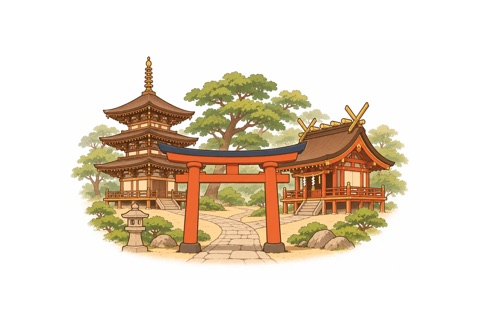
How kami and buddhas came to share shrines and temples over a thousand years, through shrine-temples and honji suijaku theory, and why Meiji orders split them apart.
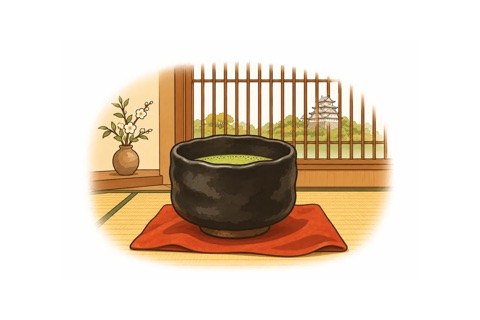
How tea utensils came to be worth more than land, from wabi tea and Nobunaga's collecting and tea politics to Hideyoshi's gold and Rikyū's death.
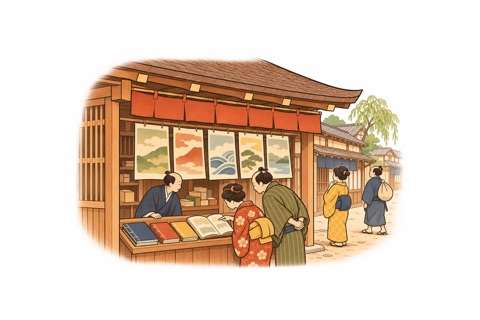
How Edo's low-status but moneyed townspeople created their own culture through theater, pleasure quarters, woodblock publishing and ukiyo-e, despite shogunal censorship.
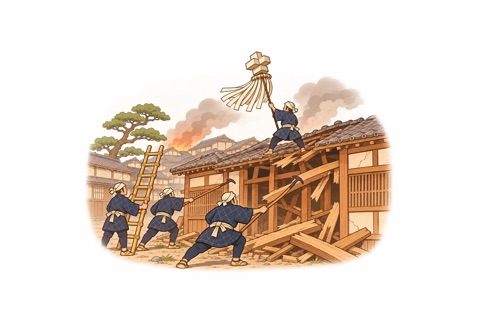
Starting from the Meireki fire of 1657, how Edo's million people coped with fires, brought in water from afar and sold night soil to keep the city running.
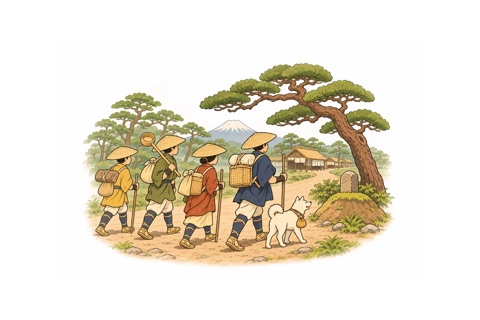
Why millions of Edo-period commoners traveled to Ise: the oshi agents, village pilgrimage clubs, travel permits, the pleasures of the road and the mass okage-mairi waves.
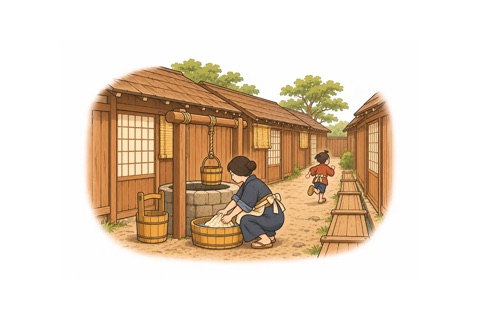
Who the townspeople of Edo were and how they lived: tenement life, shop apprentices, artisans and peddlers, women and children, fires, bathhouses and theater.
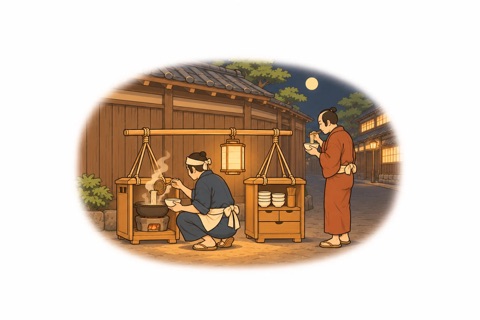
From soba stalls and bathhouses to prints and senryū, ten everyday things that show how ordinary people lived in Edo.
Each trail is a short piece that strings together several culture articles on HO and tells you which to read first.
The things first-time visitors meet daily, from convenience stores and trains to bowing, chopsticks, baths, ryokan and shrine stamp books, and the shared logic behind them.
Follows one night at a hot-spring ryokan, explaining the tatami room, the two-meal pricing and its Edo roots, and the customs met from arrival to breakfast.
Japan's summer festivals in calendar order, from Tanabata and Gion Matsuri to Obon and fireworks, and the common thread of sending something away.
Japanese winter and New Year customs read as a welcome for the year god: kadomatsu, kagami mochi, osechi, first shrine visits, amulets and daruma.
Where the landscapes, farmhouses and gods of Studio Ghibli films come from in real Japan, from satoyama countryside to the kami of rivers and trees.
The real Japan behind anime's everyday scenes: school cleaning, clubs and exams, commuter trains, bento boxes, shopping streets and the actual streets fans visit.
Where to start with modern Japanese fiction, beginning with Kokoro and No Longer Human and mapping the writers from Meiji to Convenience Store Woman.
How Japanese pop culture moves across forms, from Pokémon and the history of Japanese games to anime, cosplay and fan culture.
How Japan marks the seasons, from the twenty-four solar terms and seventy-two microseasons to kigo in poetry and seasonal sweets and customs in daily life.
Why tea, judo, calligraphy and archery are all called a 'way', how recent many of the names are, and what the different ways train in common.
Where the street-corner Jizō, small shrines, amulets and household altars come from, and how Shinto and Buddhism divide roles across a Japanese year and life.
How Japanese crafts survive, starting from the Living National Treasure system and comparing swords, ceramics, lacquer, paper, dyeing and glass on materials, training and markets.
How Edo's crowded, largely single population had fun: soba, sushi and tempura as fast food, sumo, fireworks, and shows and prints that cost a few coins.
How Japanese cities accommodate people on their own, from capsule hotels, convenience stores and vending machines to kissaten and public bathhouses.