
206 articles in 15 themes
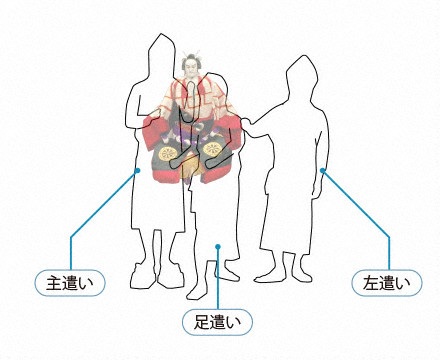 Performing arts and musicBunraku
Three puppeteers move one figure while a single chanter voices every role; how Chikamatsu’s double suicide play still moves audiences to tears.
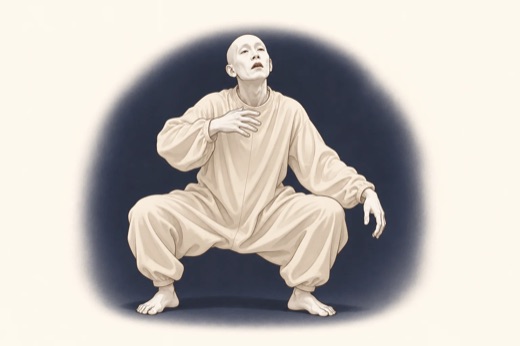 Performing arts and musicButoh
How a shocking 1959 performance launched butoh, what its two founders Hijikata Tatsumi and Ōno Kazuo wanted, and why dancers paint themselves white and move so slowly.
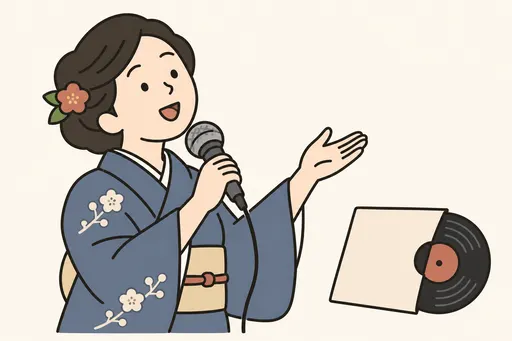 Performing arts and musicEnka
How enka sounds, why its 'heart of Japan' image is younger than it seems, Misora Hibari’s life, and where to hear it live.
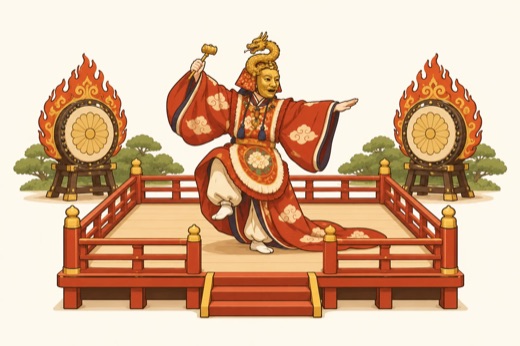 Performing arts and musicGagaku
What each instrument does in Japan’s ancient court music, how Tang and Korean repertoires became Left and Right, how families kept it alive, and where to hear it.
 Performing arts and musicGeisha and Maiko
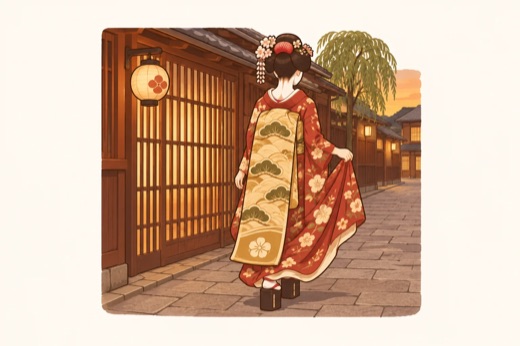
Geisha sell their arts, not themselves: their Edo origins, Kyoto’s five districts, how a maiko trains and dresses, and what happens at a teahouse banquet.
 Performing arts and musicJapanese Pop Music
Traces Japanese pop from postwar kayōkyoku through City Pop, Yellow Magic Orchestra, idols and the CD boom to anime songs and Vocaloid hits, with tips for hearing it live.
 Performing arts and musicKabuki
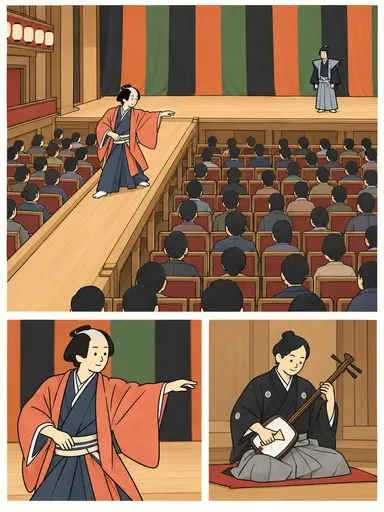
Why kabuki has painted faces, male actors in female roles, a runway through the audience and frozen poses, told through its history and the play Kanjinchō.
 Performing arts and musicKaraoke
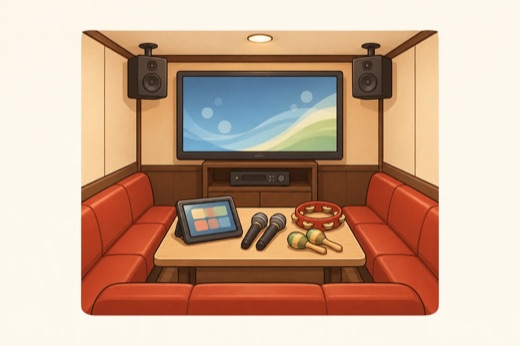
How karaoke grew from Kōbe snack bars to station-front boxes, why a reserved society sings so readily, and the etiquette of singing with Japanese friends.
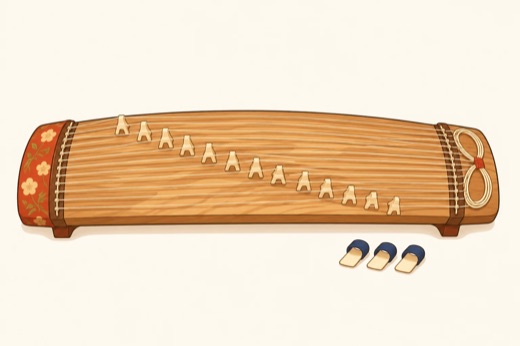 Performing arts and musicKoto
How the thirteen-string koto is tuned with movable bridges, how blind kengyō musicians made it an independent art, and how Miyagi Michio modernized it.
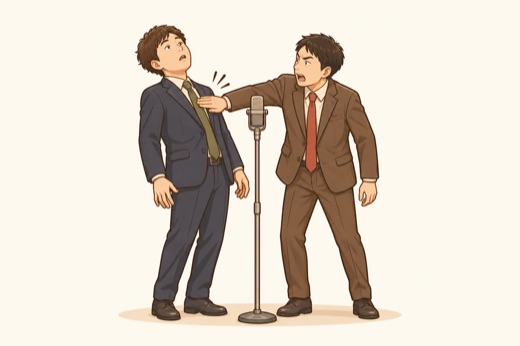 Performing arts and musicManzai
How the boke and tsukkomi double act gets its laughs, how a New Year blessing became Ōsaka’s signature comedy, and how television and the M-1 Grand Prix made it national.
 Performing arts and musicMin’yō
How Japan’s place-named folk songs were sung at work and festivals, traveled along trade routes, survived through preservation societies, and where visitors can still hear and dance them.
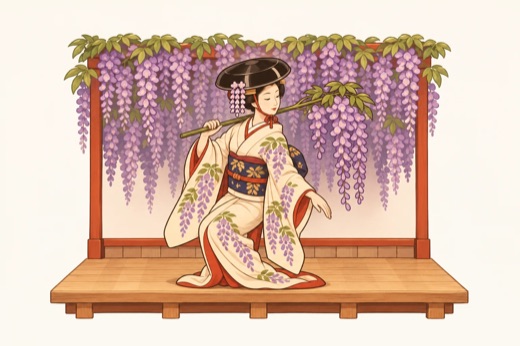 Performing arts and musicNihon Buyō
Japan’s classical dance, from kabuki’s female-role specialists to Kyoto’s spring geisha dances: how one fan, a lowered stance and held stillness tell whole stories, and where to watch.
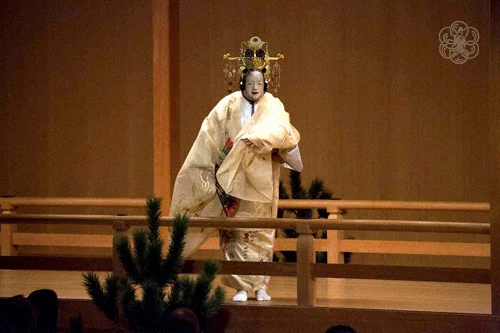 Performing arts and musicNoh and Kyōgen
Ghosts reliving their final moments and servants stealing sake: noh masks, Atsumori, Zeami’s idea of the flower, and how to watch a first performance.
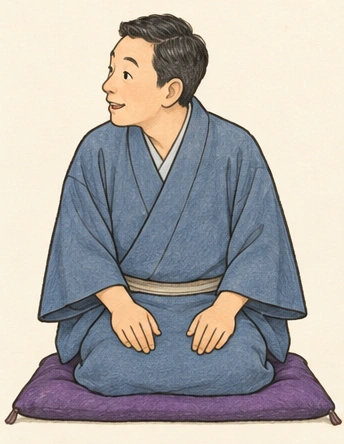 Performing arts and musicRakugo
How one kneeling storyteller with a fan and a cloth plays every role: rakugo’s history, famous stories, Tokyo and Ōsaka styles, and the yose theaters.
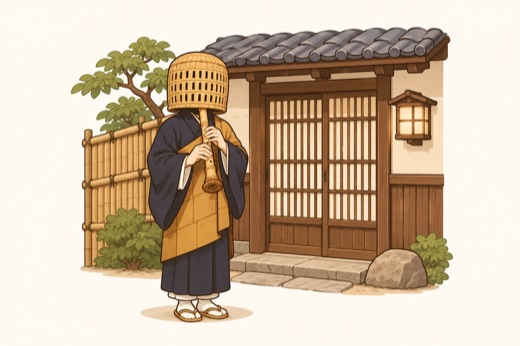 Performing arts and musicShakuhachi
Why a bamboo flute with five holes is so hard to play, how wandering komusō monks used it for meditation, and how it reached concert halls and film scores.
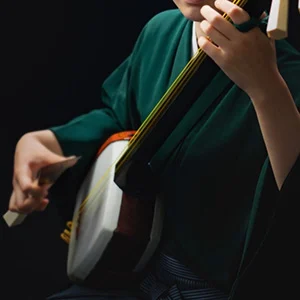 Performing arts and musicShamisen
Why the shamisen buzzes and snaps, how it came from Ryūkyū, and how nagauta, jiuta and Tsugaru players each turned three strings into a different music.
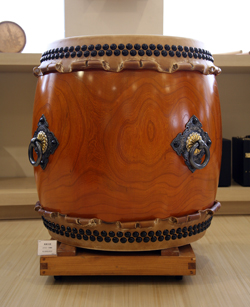 Performing arts and musicTaiko
Japan’s drums from shrine festivals to the postwar ensemble style: the main types, how they are made, and where visitors can hear or play them.