
206 articles in 15 themes
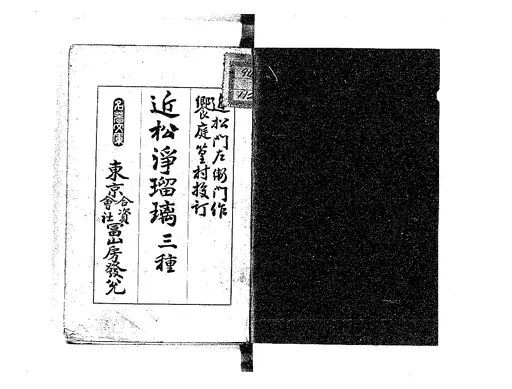 LiteratureBunko Paperbacks and Japanese Bookstores
How the pocket-sized bunko took shape after Iwanami Bunko, why novels go from hardcover to bunko, what keeps Japan’s bookstores open, and how to browse one.
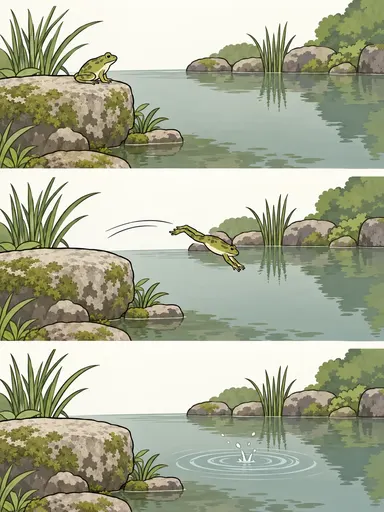 LiteratureHaiku and Matsuo Bashō
How season words and cuts make seventeen sounds work, how Bashō turned comic linked verse into poetry and a journey north into a book, and where senryū went instead.
 LiteratureMurakami Haruki
How a Tokyo jazz-bar owner became Japan’s most widely read novelist, why his books travel so well, and where to find his world in Japan.
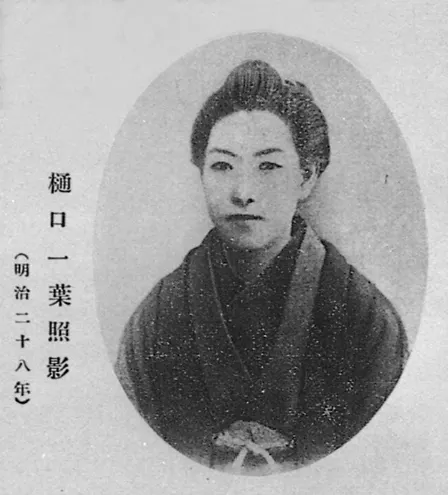 LiteratureHiguchi Ichiyō
How a poor young Meiji woman, later on the 5,000-yen note, wrote Takekurabe and other classics in fourteen months, and where in Tokyo to find her.
 LiteratureJapanese Mystery Fiction
Traces Japanese crime fiction from Ranpo’s grotesque tales through Seichō’s social realism and the shin-honkaku revival to Higashino, with a suggested reading order for newcomers.
 LiteratureYoshimoto Banana
How Yoshimoto Banana wrote grief through late-night kitchens and a bowl of katsudon, why Kitchen became a phenomenon, and which of her books to read next.
 LiteratureLight Novels
How Japan’s illustrated paperback imprints became a source for anime, why the prose reads as it does, and where to browse them in Tokyo.
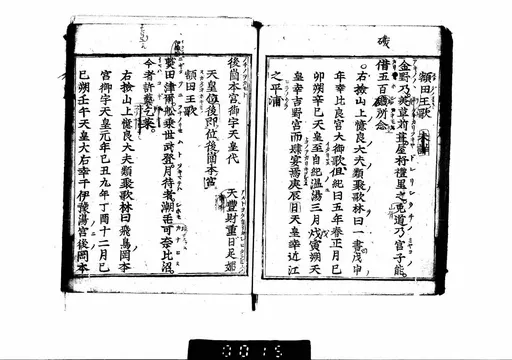 LiteratureThe Man’yōshū
Japan’s oldest poetry anthology, where emperors sit beside frontier guards and unnamed farmers: its key poets, its Chinese-character script, and the source of the Reiwa era name.
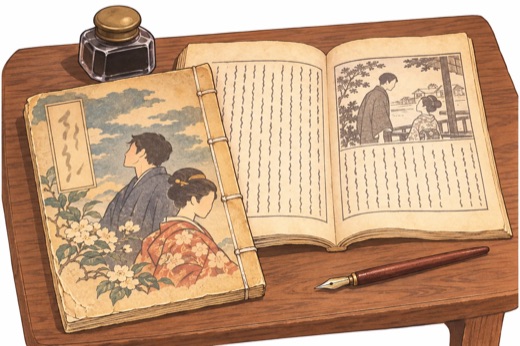 LiteratureModern Japanese Literature
Traces Japanese fiction from Meiji language experiments and the I-novel to Murakami and Convenience Store Woman, with a starter reading list and literary places to visit.
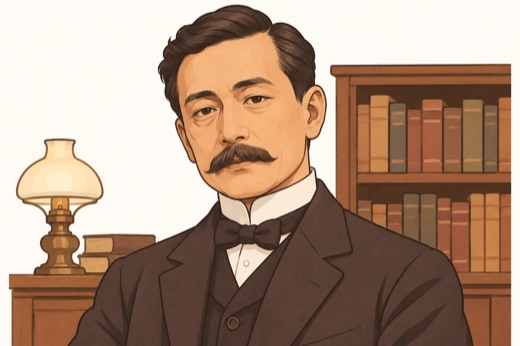 LiteratureNatsume Sōseki
From his miserable London years to I Am a Cat and Kokoro, how Sōseki wrote people who cannot say what matters most, and where to start reading.
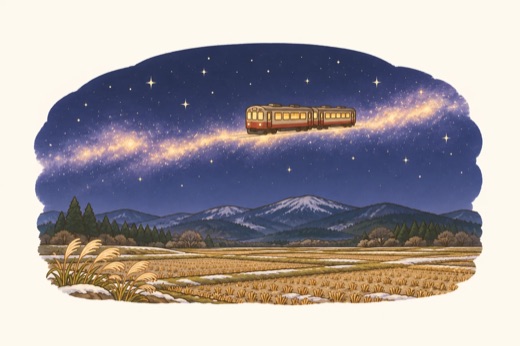 LiteratureMiyazawa Kenji
How an unknown Hanamaki farm-school teacher turned minerals, local dialect and his sister’s death into Night on the Galactic Railroad and Unbeaten by the Rain.
 LiteratureDazai Osamu
How No Longer Human is built, how closely it tracks Dazai’s troubled life, the bright, funny stories he also wrote, and where to follow him in Kanagi and Mitaka.
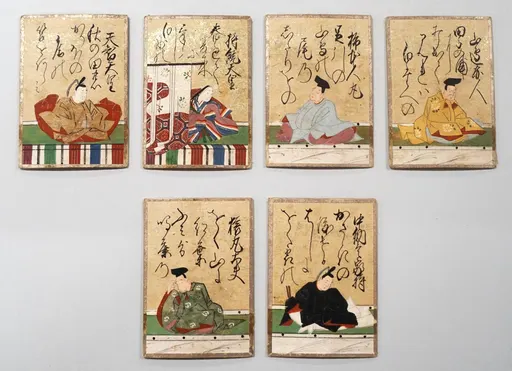 LiteratureHyakunin Isshu and Karuta
How Fujiwara no Teika’s hundred-poem anthology became Japan’s New Year card game, with key poems, competitive karuta tactics and proverb cards explained.
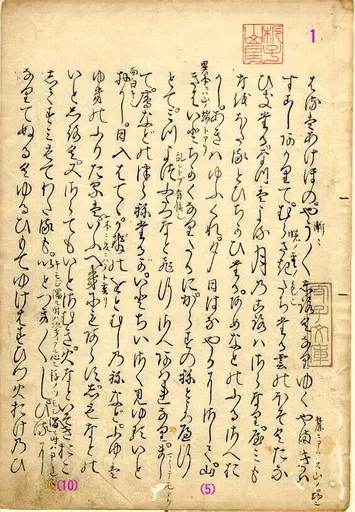 LiteratureThe Pillow Book
What Sei Shōnagon put in her lists, court scenes and seasonal sketches, why her sharp eye still feels modern, and the court tragedy her book leaves unsaid.
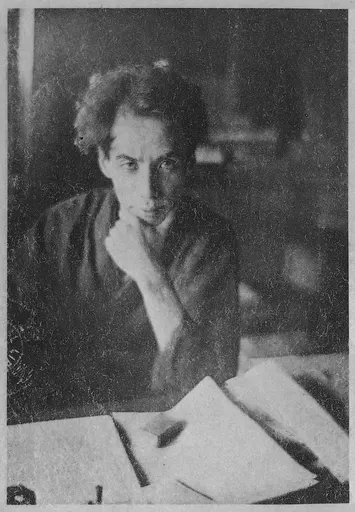 LiteratureAkutagawa Ryūnosuke
The short-story writer behind Rashōmon and In a Grove: his life, how his servant talks himself into theft, which stories to read first, and the prize named for him.
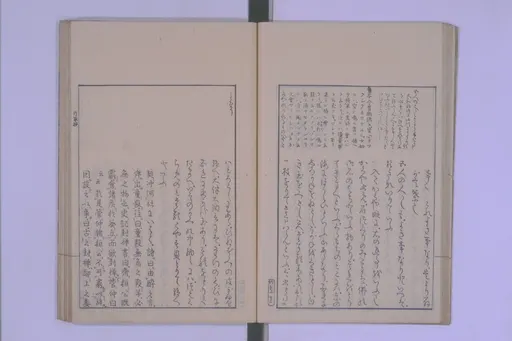 LiteratureThe Tale of the Bamboo Cutter
Retells the bamboo princess story, from five suitors humiliated by impossible tasks to her moonlit departure, and explains how Heian tales were copied, read aloud and passed down.
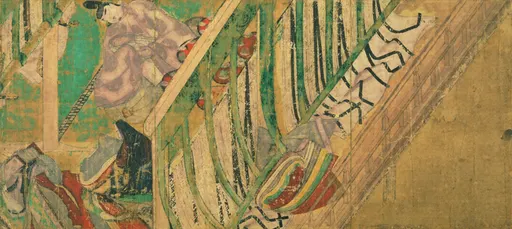 LiteratureThe Tale of Genji
What Murasaki Shikibu’s long court tale is about, why it endures, and how it was copied, translated, painted in twelfth-century scrolls and printed in Edo.
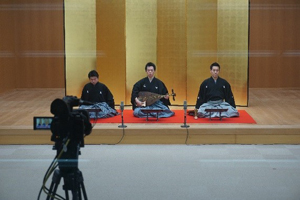 LiteratureThe Tale of the Heike
How the rise and fall of the Taira became a Buddhist tale of impermanence, how blind biwa singers carried it, and where to see and hear it today.
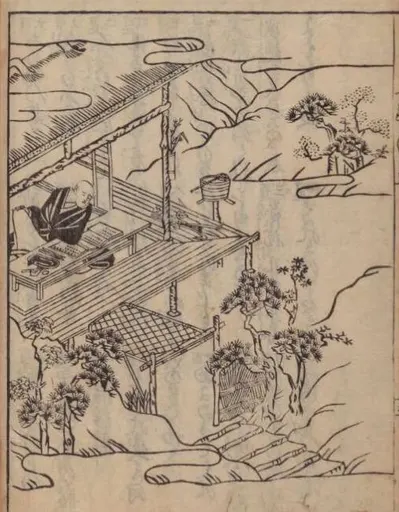 LiteratureEssays in Idleness and An Account of My Hut
Two thin medieval books, one about disasters and a ten-foot hut, one a hermit’s idle jottings, and why Japanese readers still turn to them.
 LiteratureWaka and Tanka
How thirty-one sound units make a poem, how the Kokinshū set Japan’s seasonal taste, how modern poets remade the form, and where to hear it today.
 LiteratureKawabata Yasunari
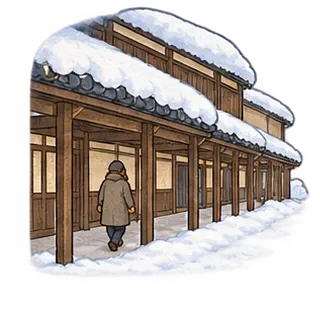
Kawabata Yasunari from orphaned boyhood to the Nobel Prize: what Snow Country and The Izu Dancer do, and where to follow them in Yuzawa and Izu.
 LiteratureMishima Yukio
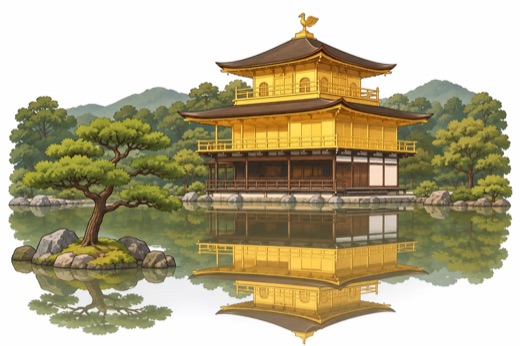
Follows Mishima from sickly childhood through The Sound of Waves, The Temple of the Golden Pavilion and his 1970 death, with advice on which books to read first.