103 cities · 199 sites · Pick a city on the map, or a region
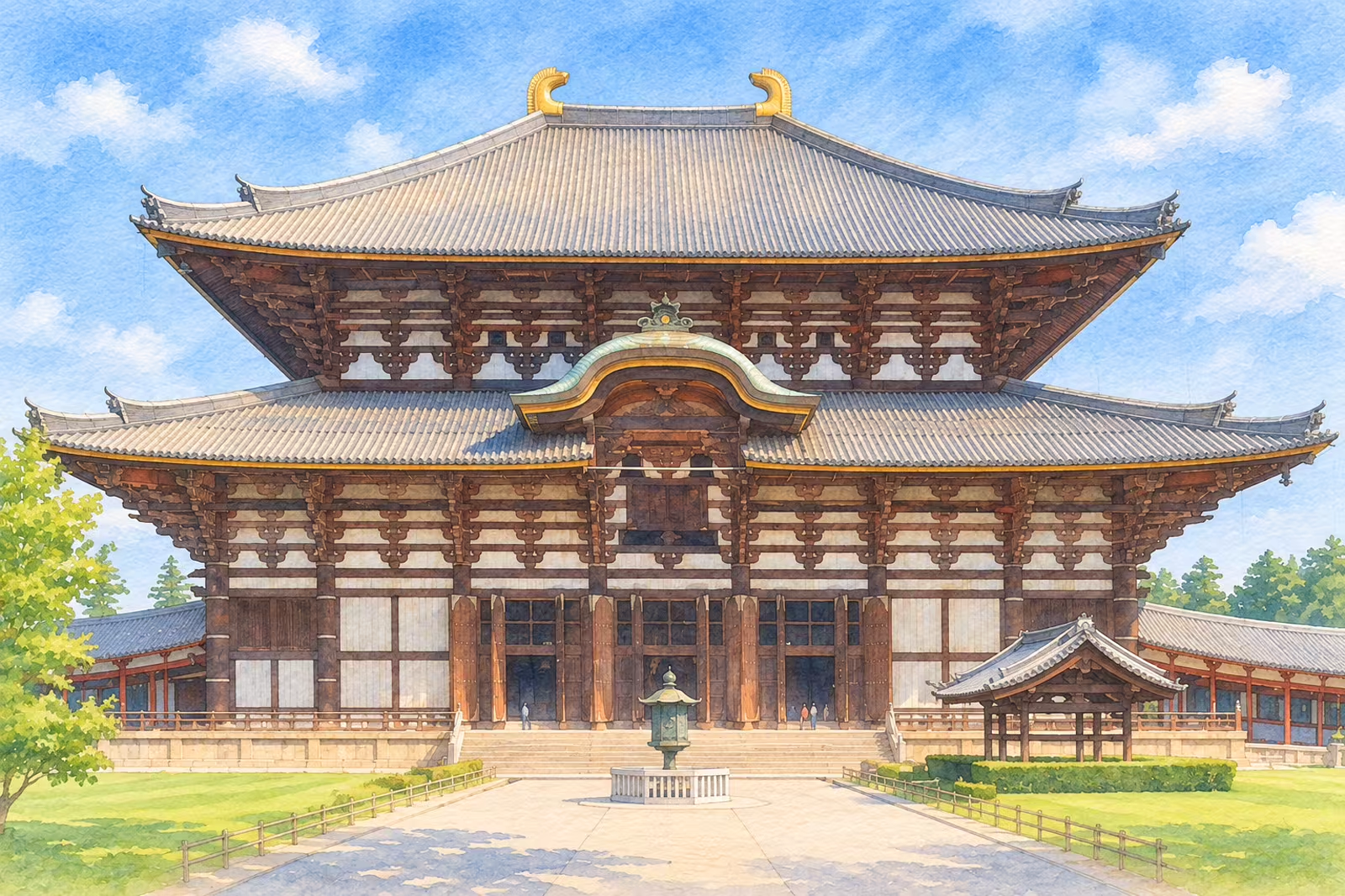
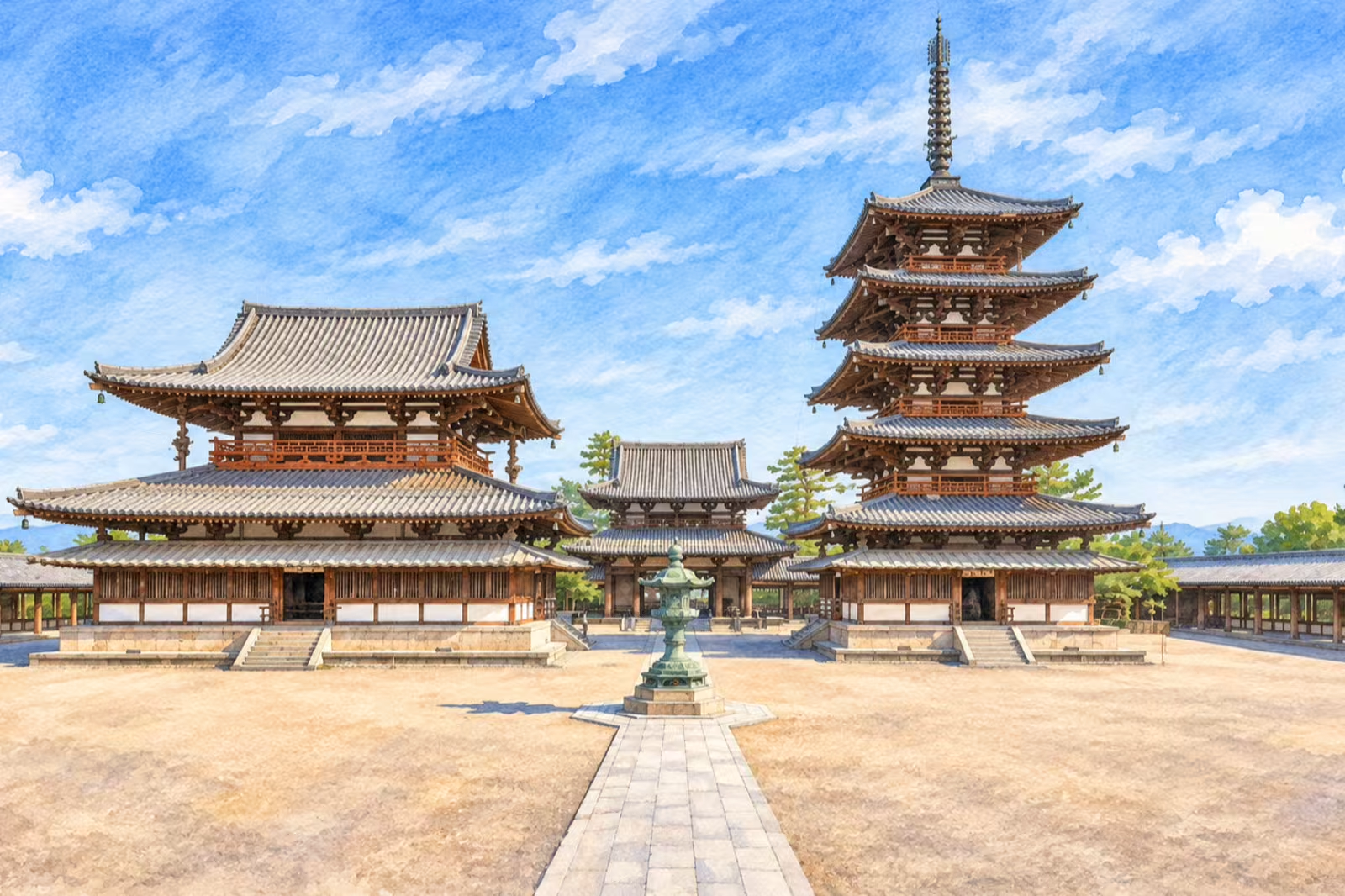
Kansai is where the early Japanese state took shape, and the easiest way into it is to follow the capital as it moved. At Ikaruga, Hōryū-ji, traditionally founded by Prince Shōtoku and Empress Suiko, keeps a main hall and five-story pagoda generally regarded as the oldest surviving wooden buildings in the world. In 710 Empress Genmei moved the court to Heijō-kyō in Nara. Emperor Shōmu built Tōdai-ji, whose Great Buddha was consecrated in 752. When the court left in 784 the palace grounds turned to farmland, but the great temples stayed, and Kōfuku-ji long held effective power over Yamato Province.
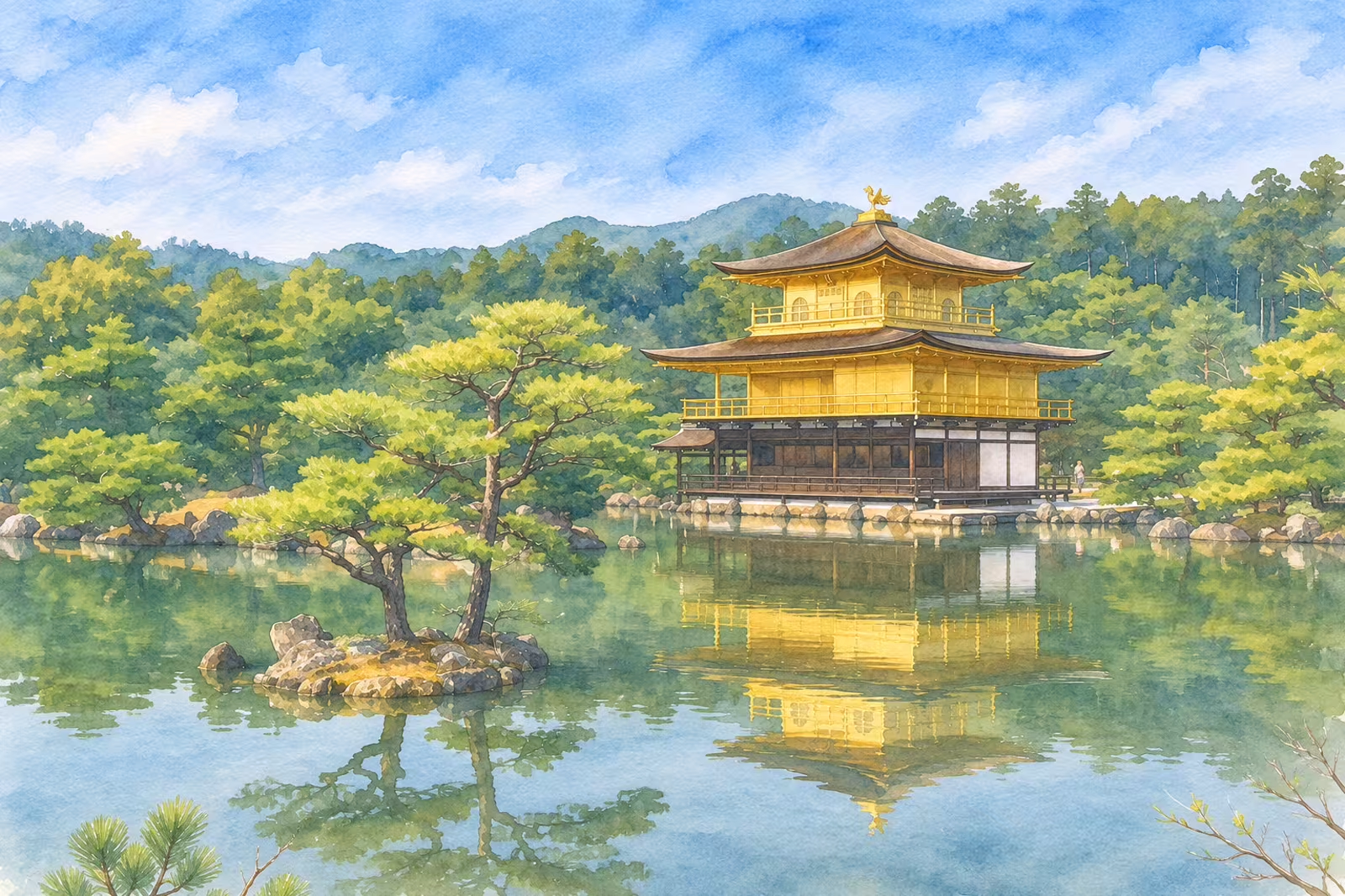
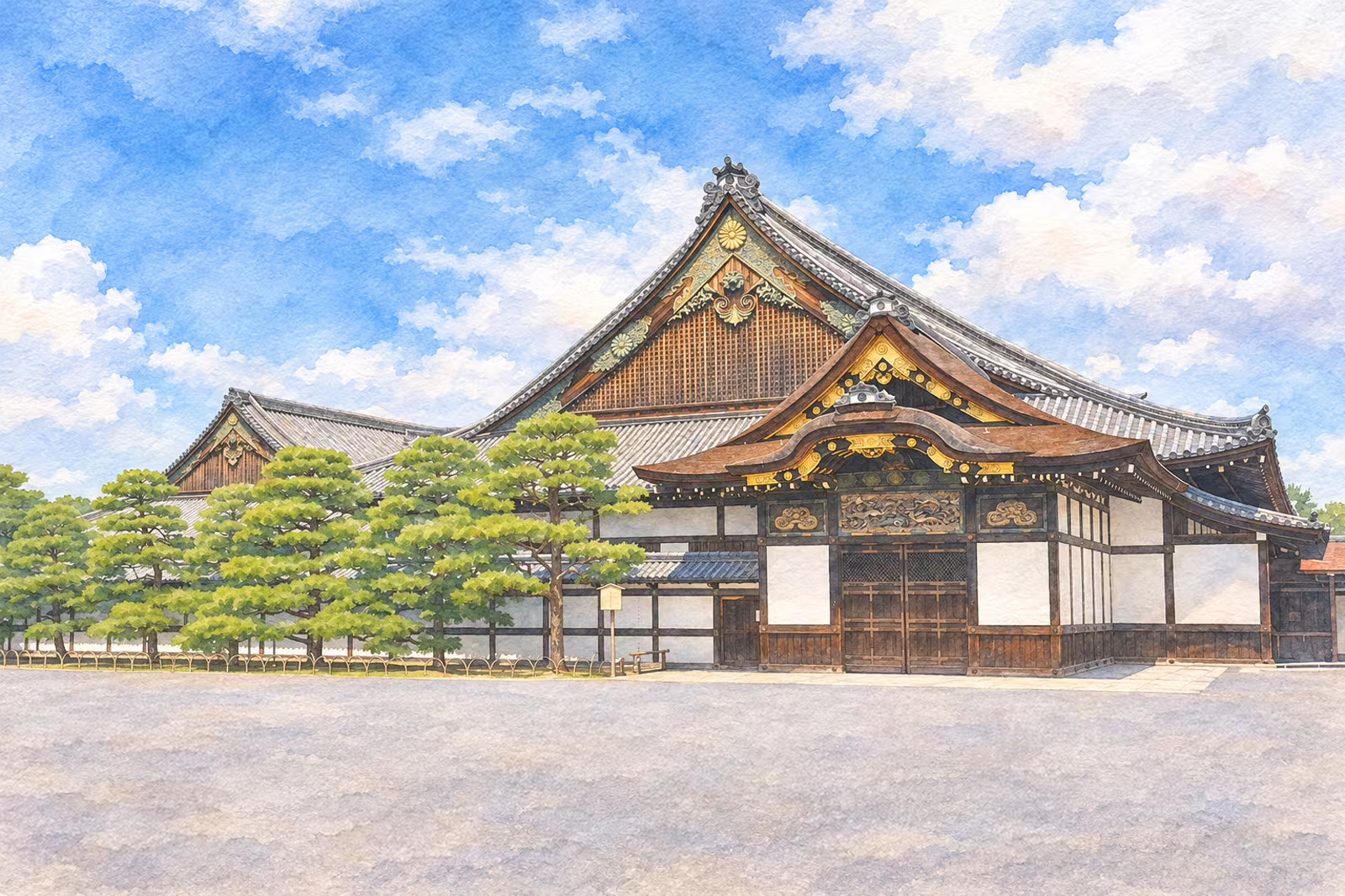
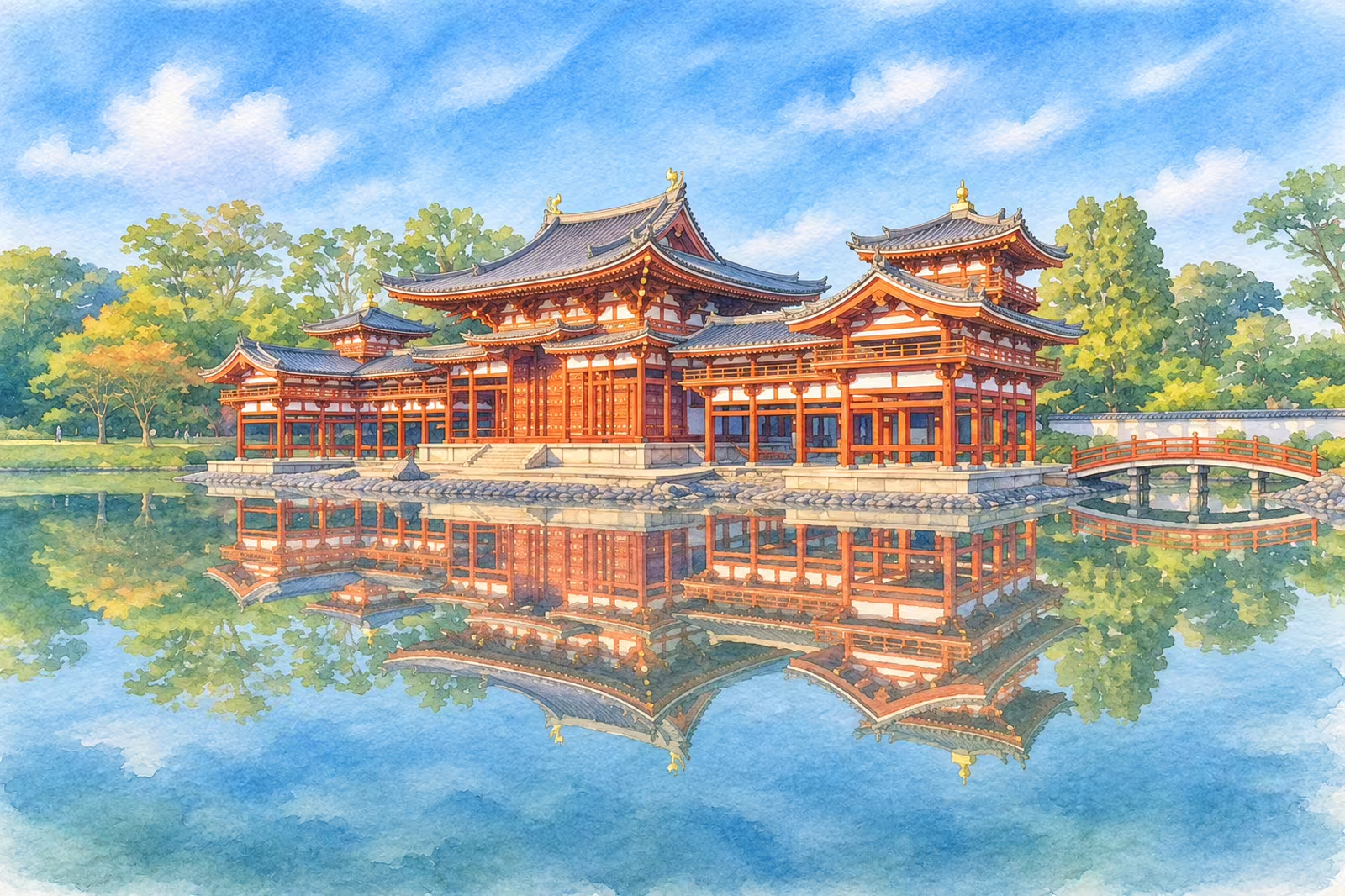
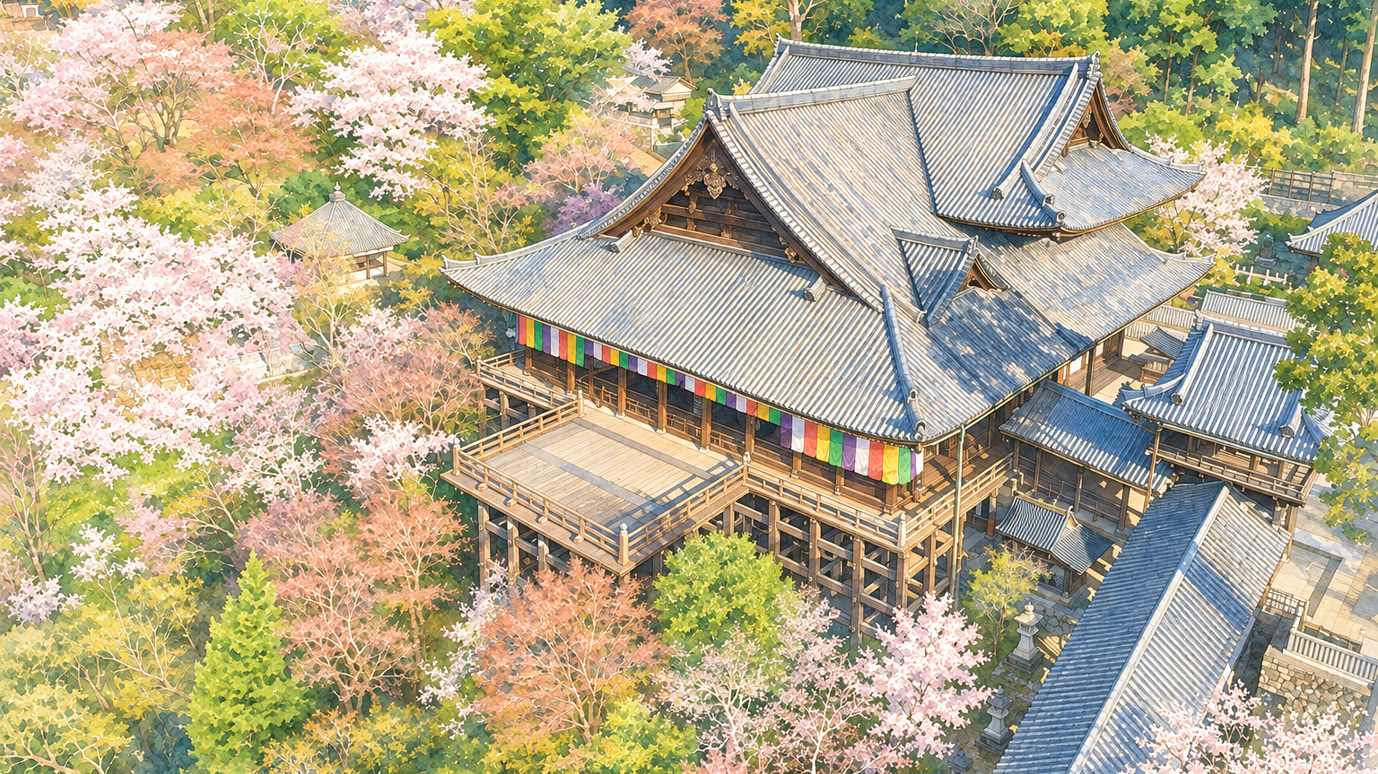
In 794 Emperor Kanmu moved the capital to Heian-kyō, and Kyoto remained the emperor's city for more than a thousand years, until the early Meiji move to Tokyo. The hall of Byōdō-in at Uji, finished in 1053, gives Fujiwara regency piety a visible form; Kinkaku-ji survives from Ashikaga Yoshimitsu's Kitayama villa. The Ōnin War of 1467–1477 turned northern Kyoto into fortified compounds and burned streets. Oda Nobunaga was killed at Honnō-ji in 1582; Tokugawa Ieyasu raised Nijō Castle, where a later shogun decided to return governing authority to the court. The Shinsengumi, Sakamoto Ryōma and the 1868 Battle of Toba-Fushimi made Kyoto the stage of the shogunate's final years.
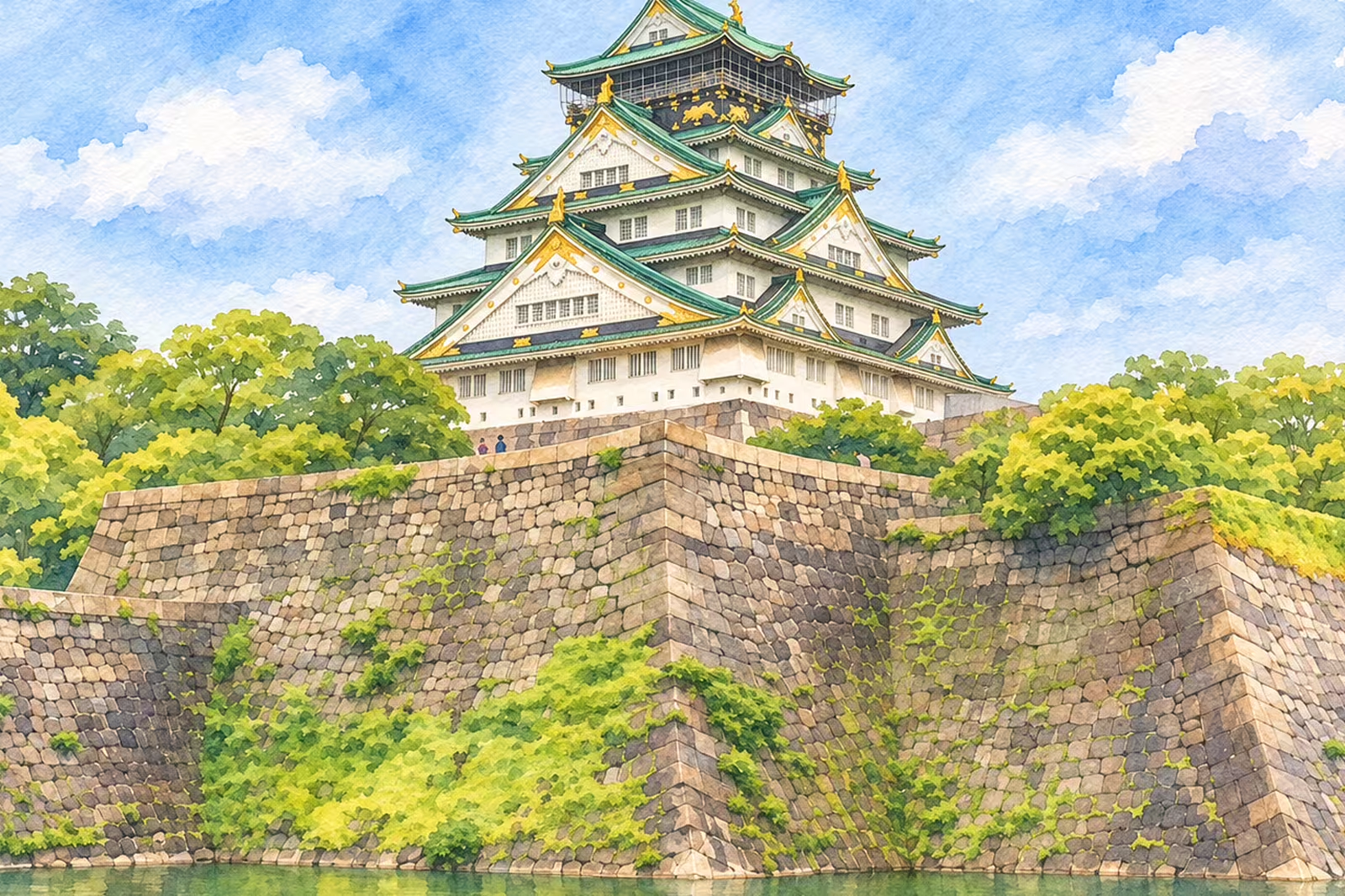
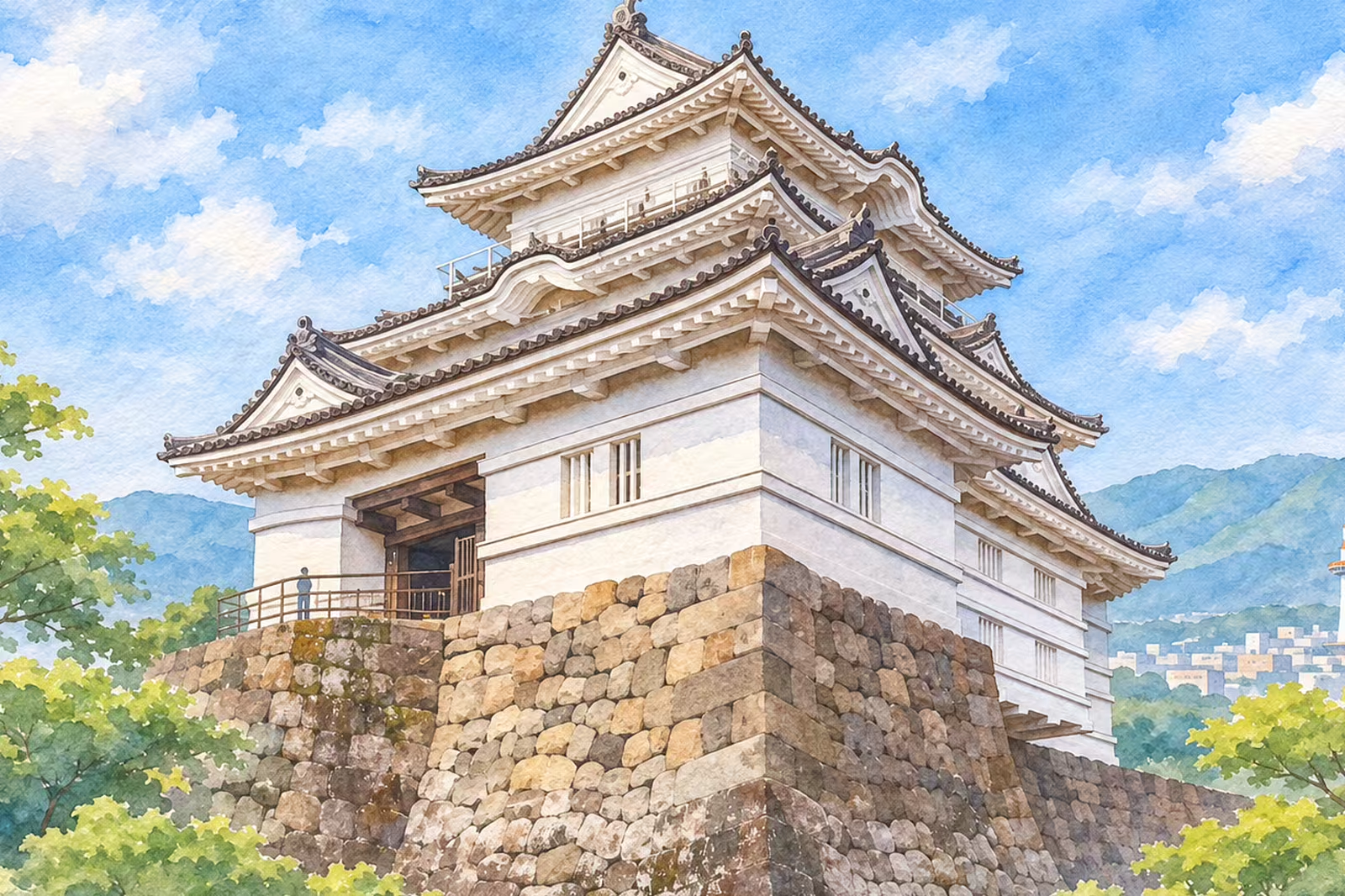
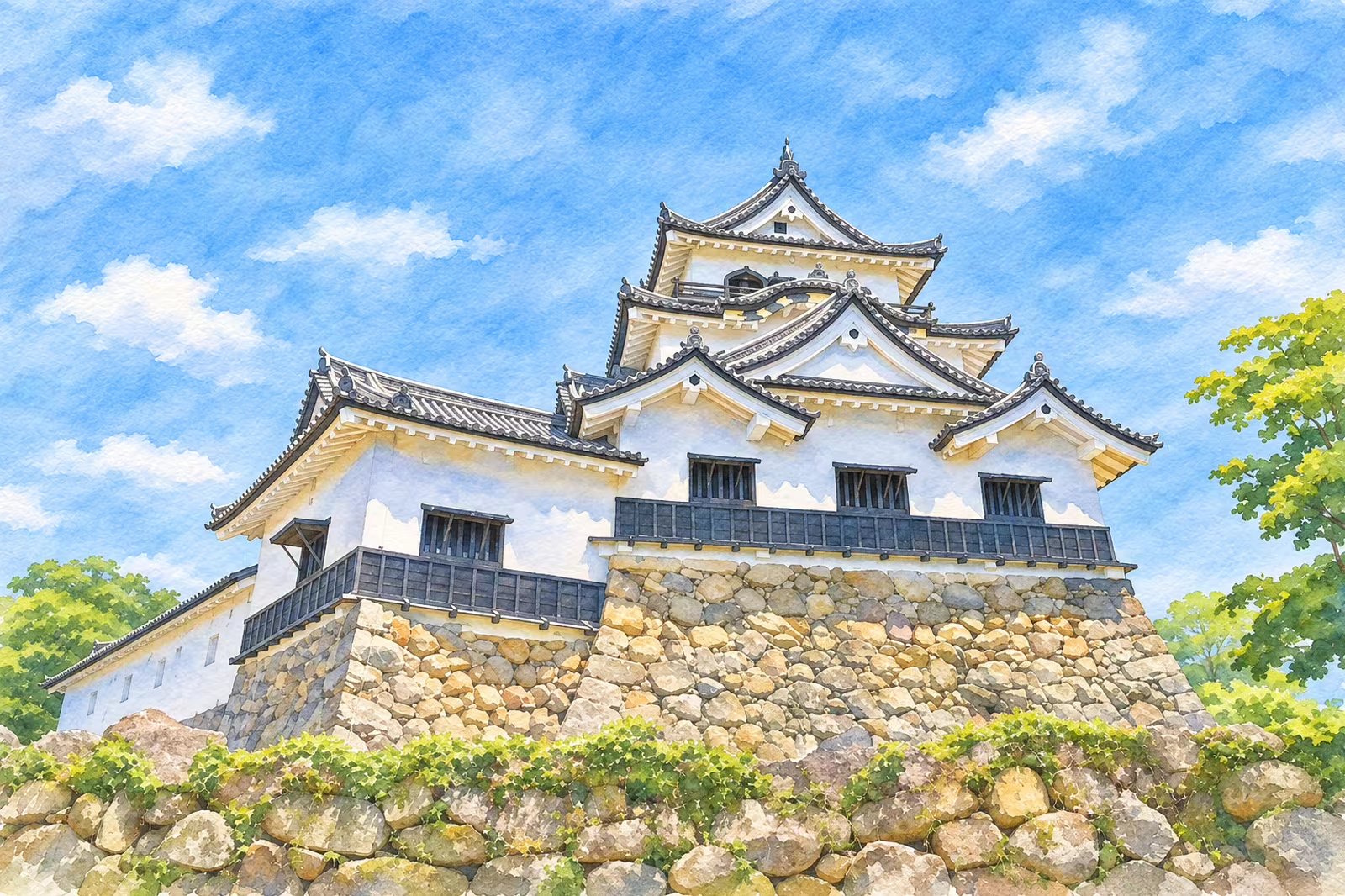
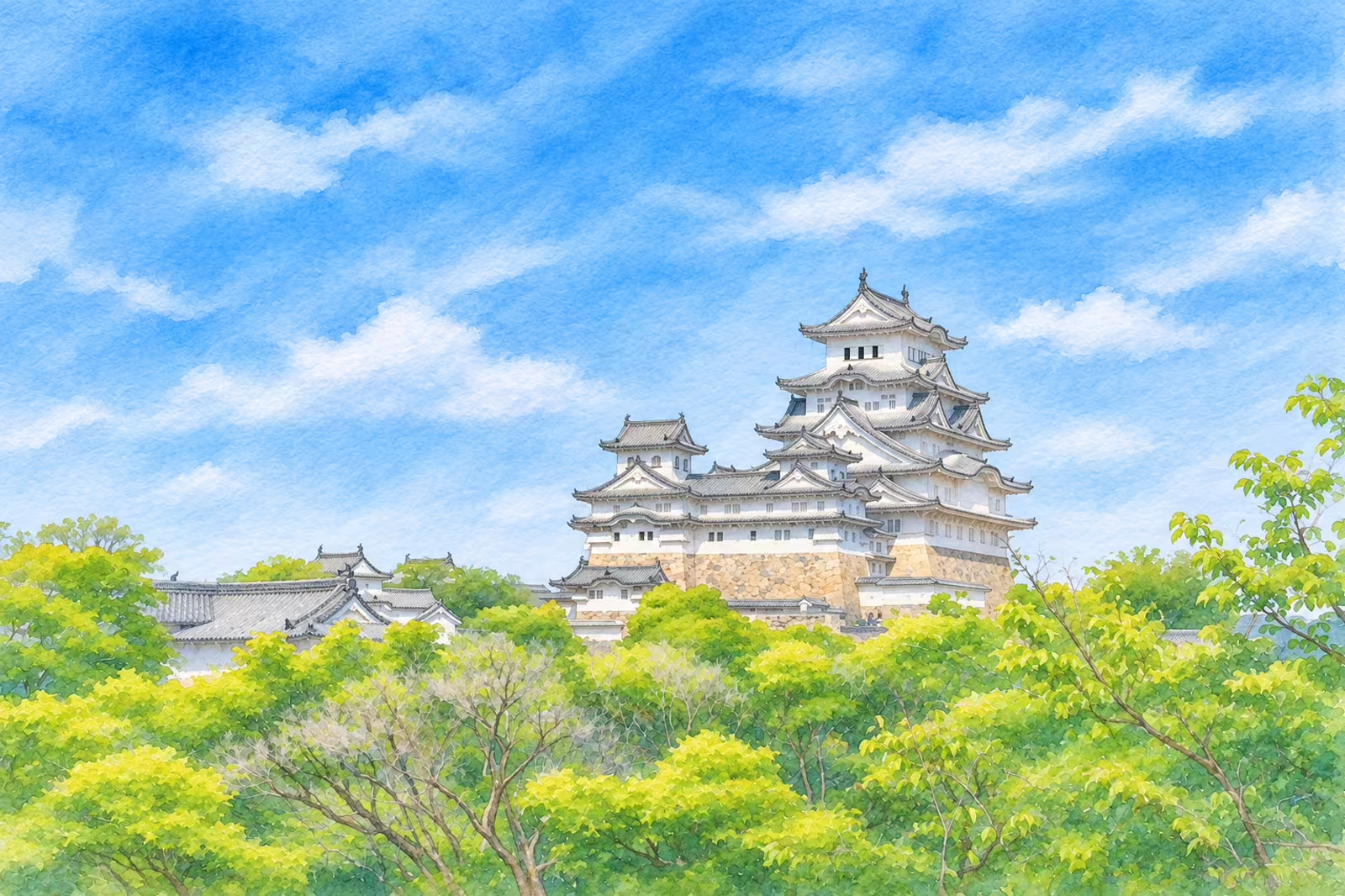
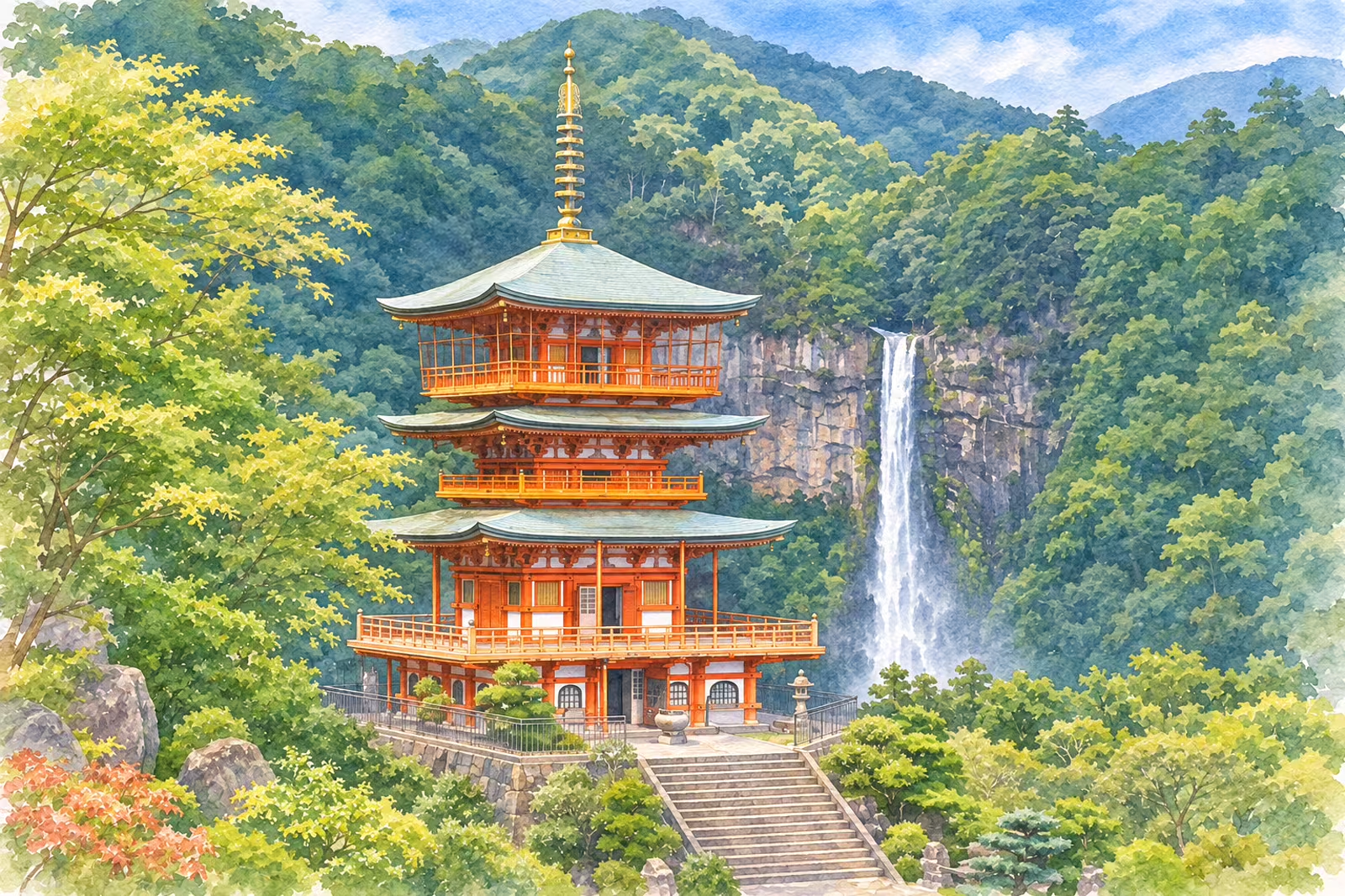
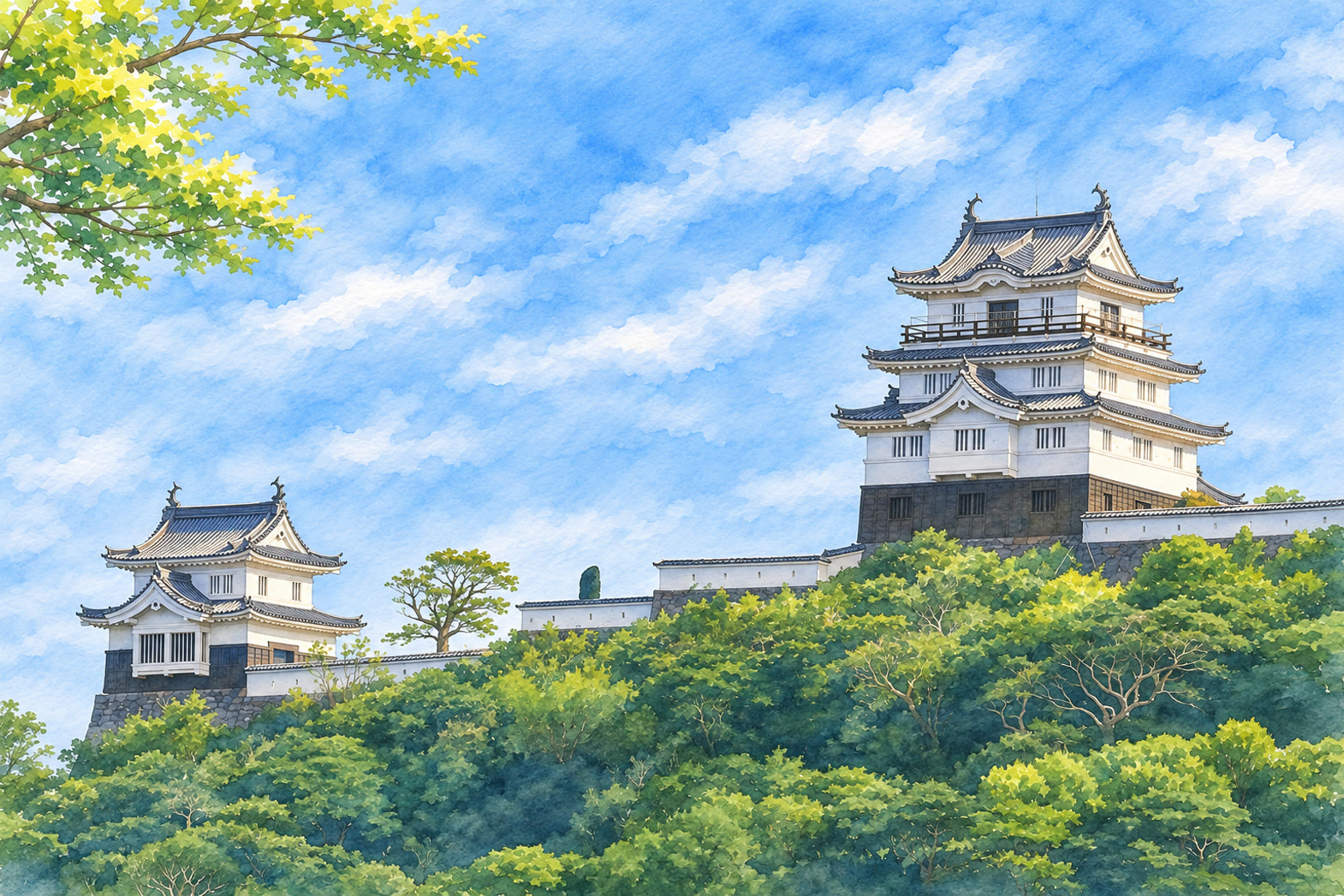
Ōsaka, once Naniwa, was the gateway to the Inland Sea. Ishiyama Hongan-ji held out against Nobunaga there for about ten years before leaving in 1580; Toyotomi Hideyoshi built Ōsaka Castle on its site, and the Toyotomi house fell in the Ōsaka campaigns of 1614–1615. Under the Tokugawa it became "the nation's kitchen," and Dōtonbori staged Chikamatsu Monzaemon's puppet plays. Beyond the three cities, Himeji Castle keeps its early seventeenth-century white keeps and defenses intact, and in the Kii Mountains lie Kōyasan and Kumano: Kūkai's esoteric Buddhist center, founded in 816, and the shrines retired emperors visited again and again.
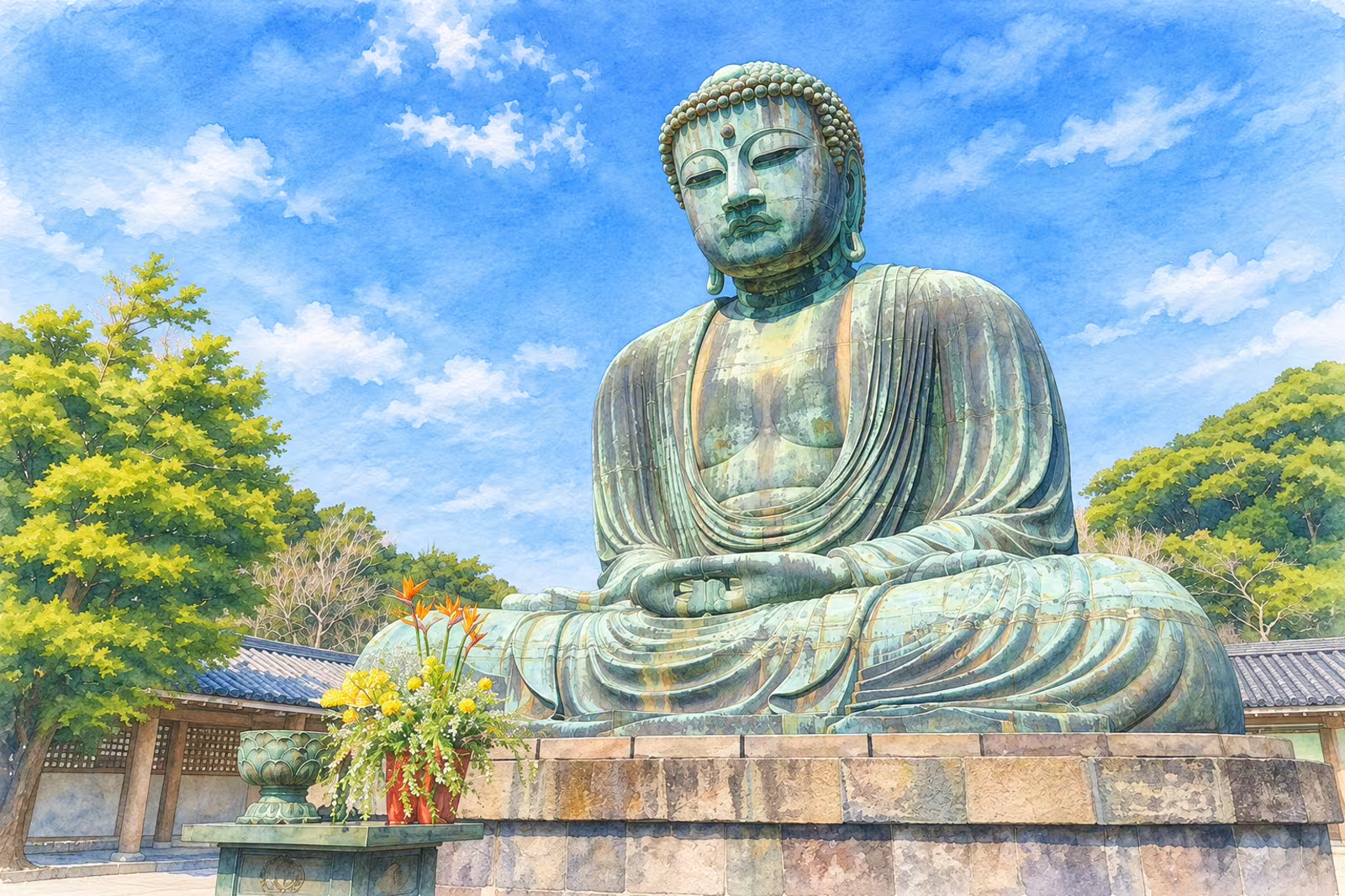
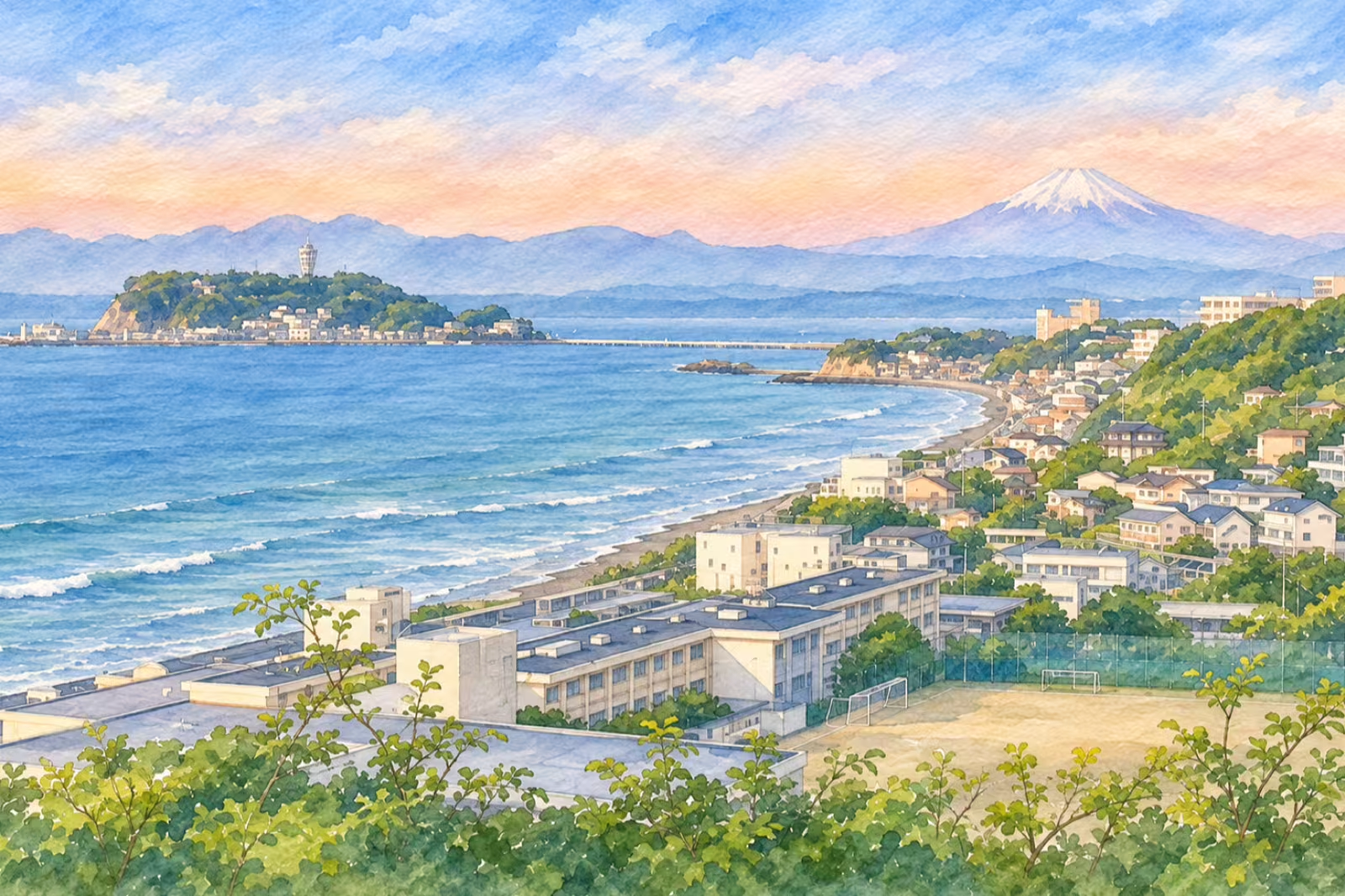
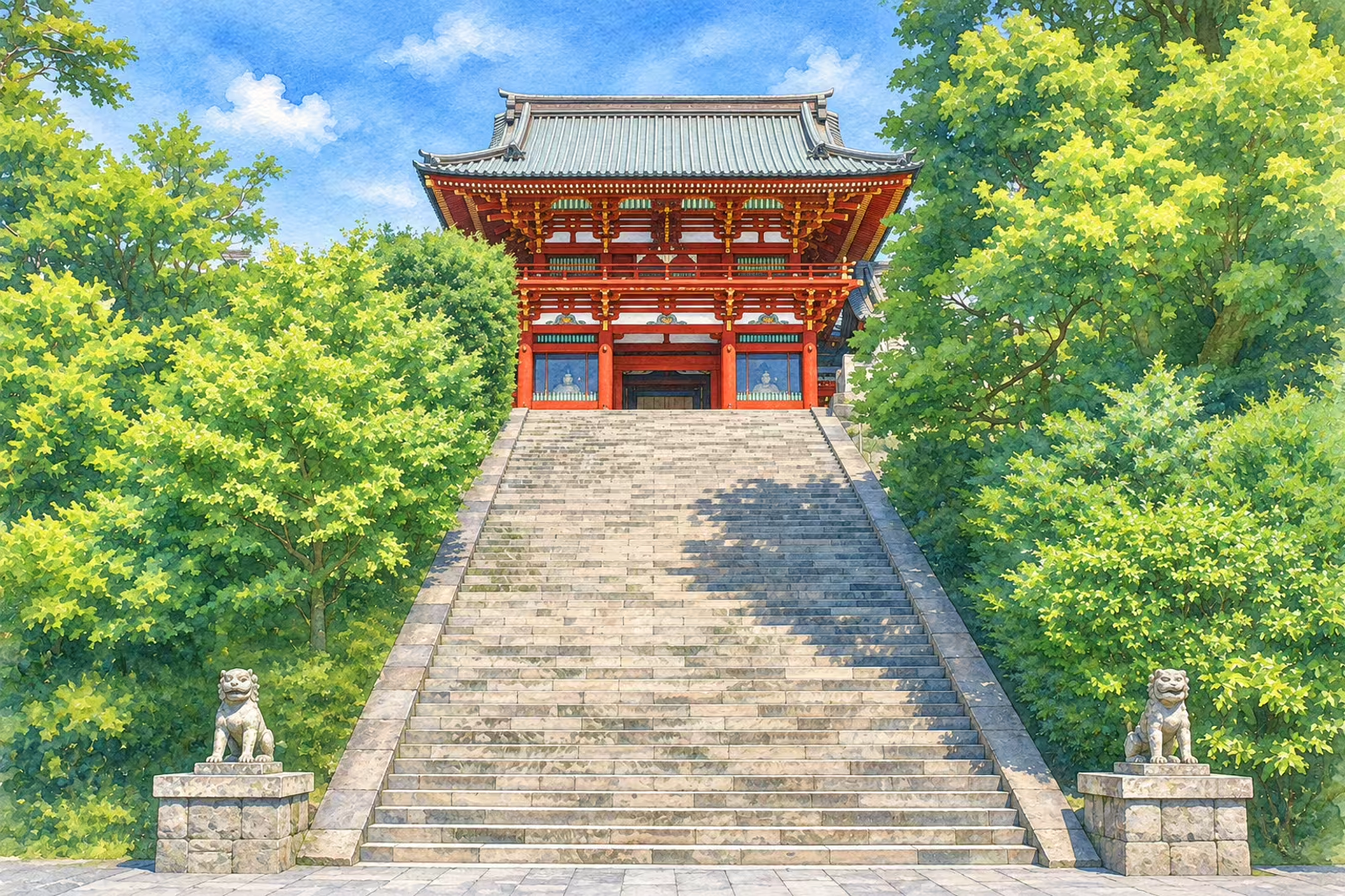
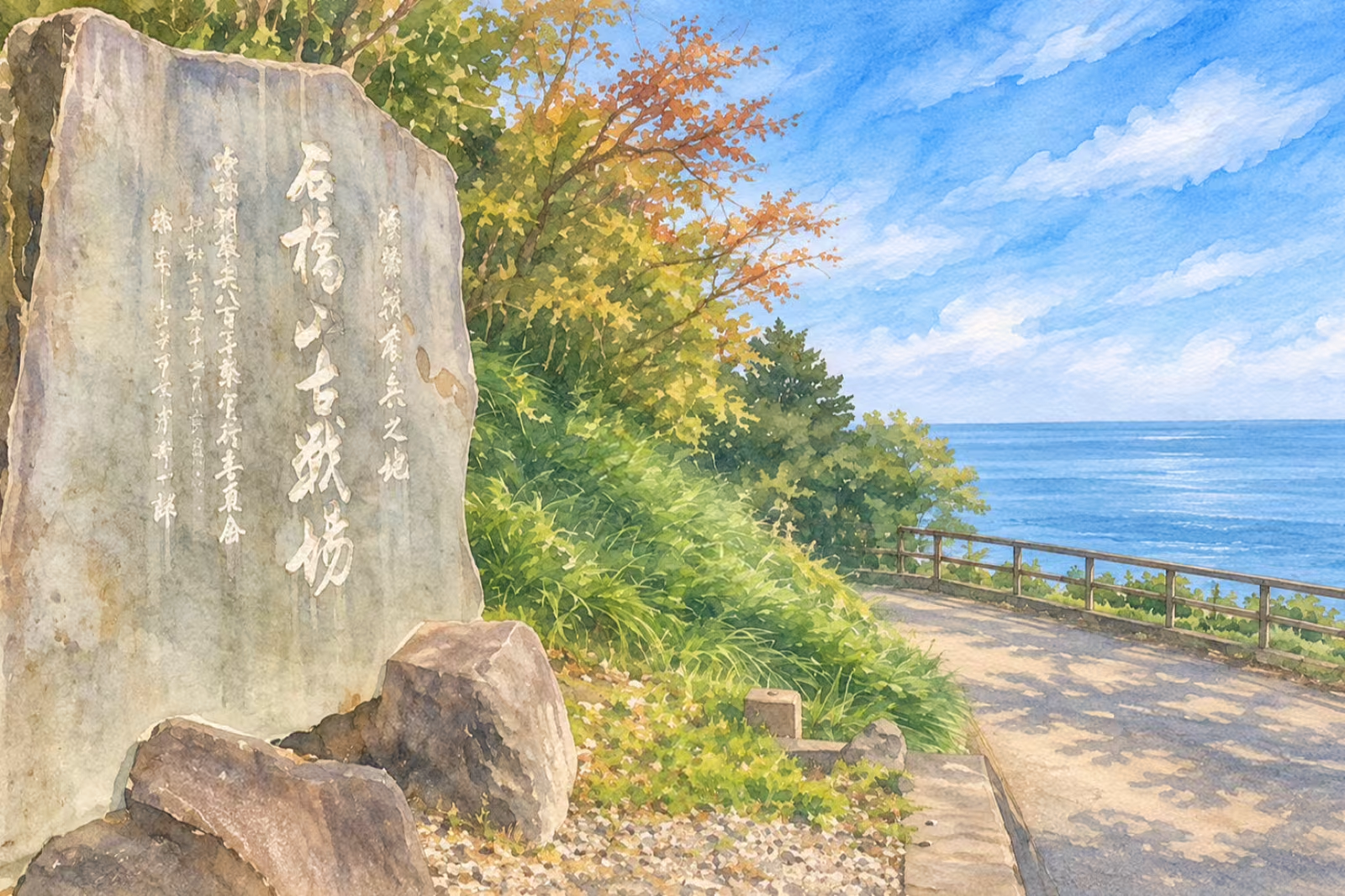
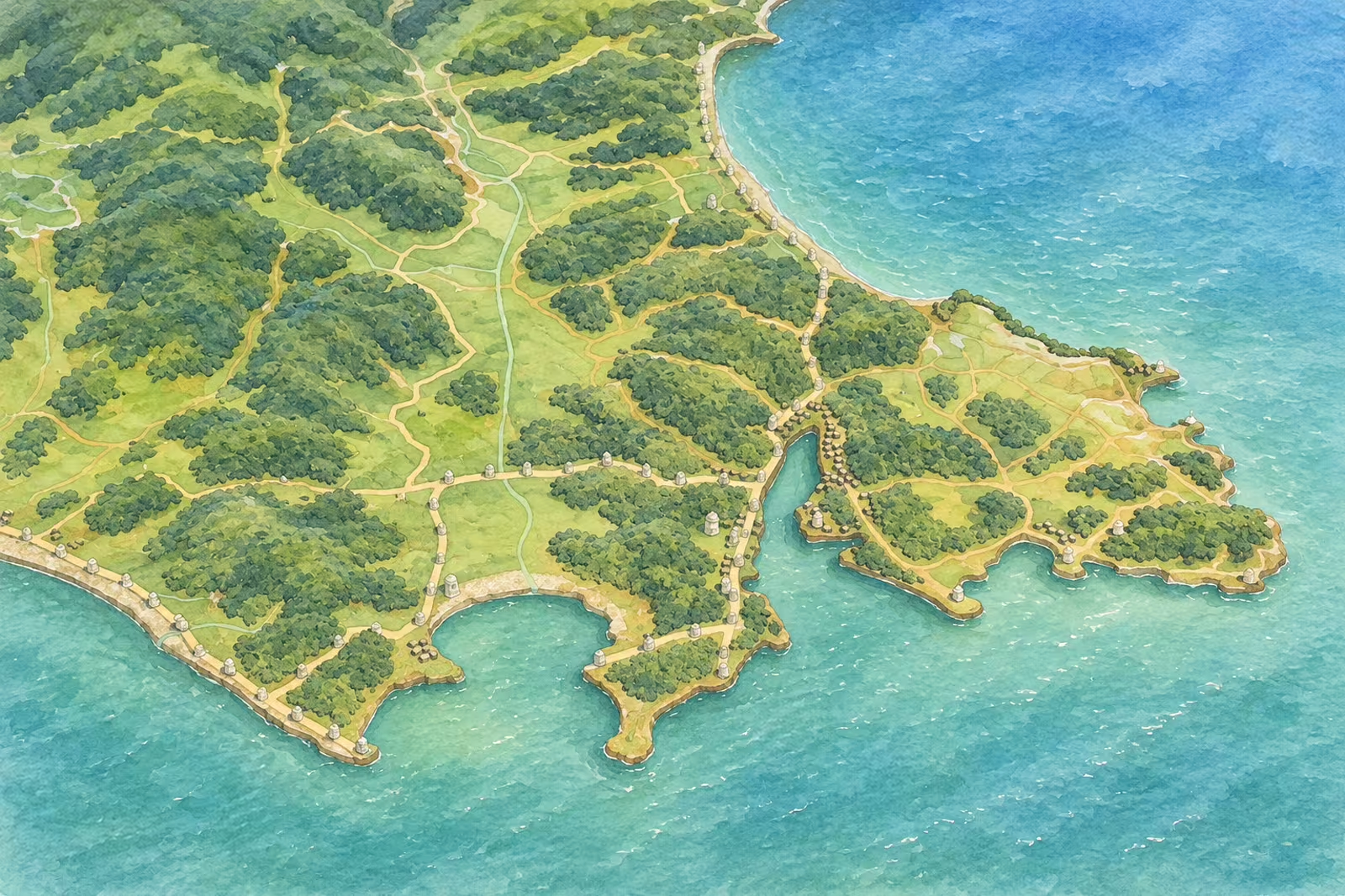
The Kantō twice became the seat of warrior government. The first time was at Kamakura, a seaside town ringed by hills on three sides. Minamoto no Yoritomo based himself there in 1180 and went on to found the Kamakura shogunate, Japan's first warrior regime. The town was laid out along the axis of Tsurugaoka Hachimangū. After Yoritomo's death the Hōjō regents held real power, and they sponsored great Zen temples such as Kenchō-ji in 1253 and Engaku-ji in 1282, each led by a Chinese monk. Casting of the bronze Great Buddha began in 1252. In 1333 Nitta Yoshisada, a warrior from Kōzuke Province, broke into the city near Inamuragasaki, and the Hōjō took their own lives.
In the Sengoku period the center of the Kantō shifted west to Odawara Castle. Ise Sōzui, later known as Hōjō Sōun, is generally thought to have seized it around 1495, and five generations of the Hōjō ruled much of the region from there for about a century, until Toyotomi Hideyoshi besieged the city in 1590 and they surrendered.
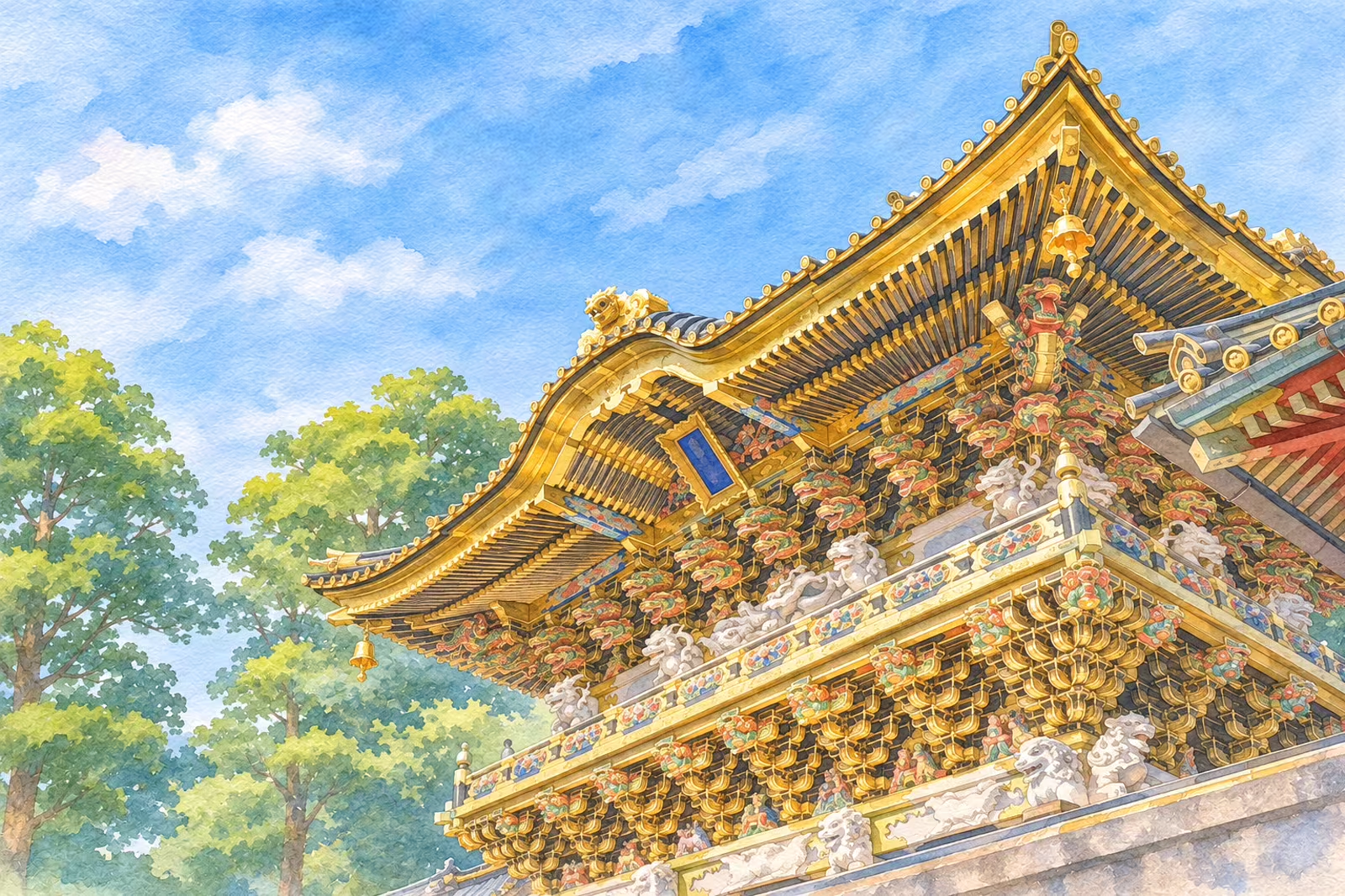
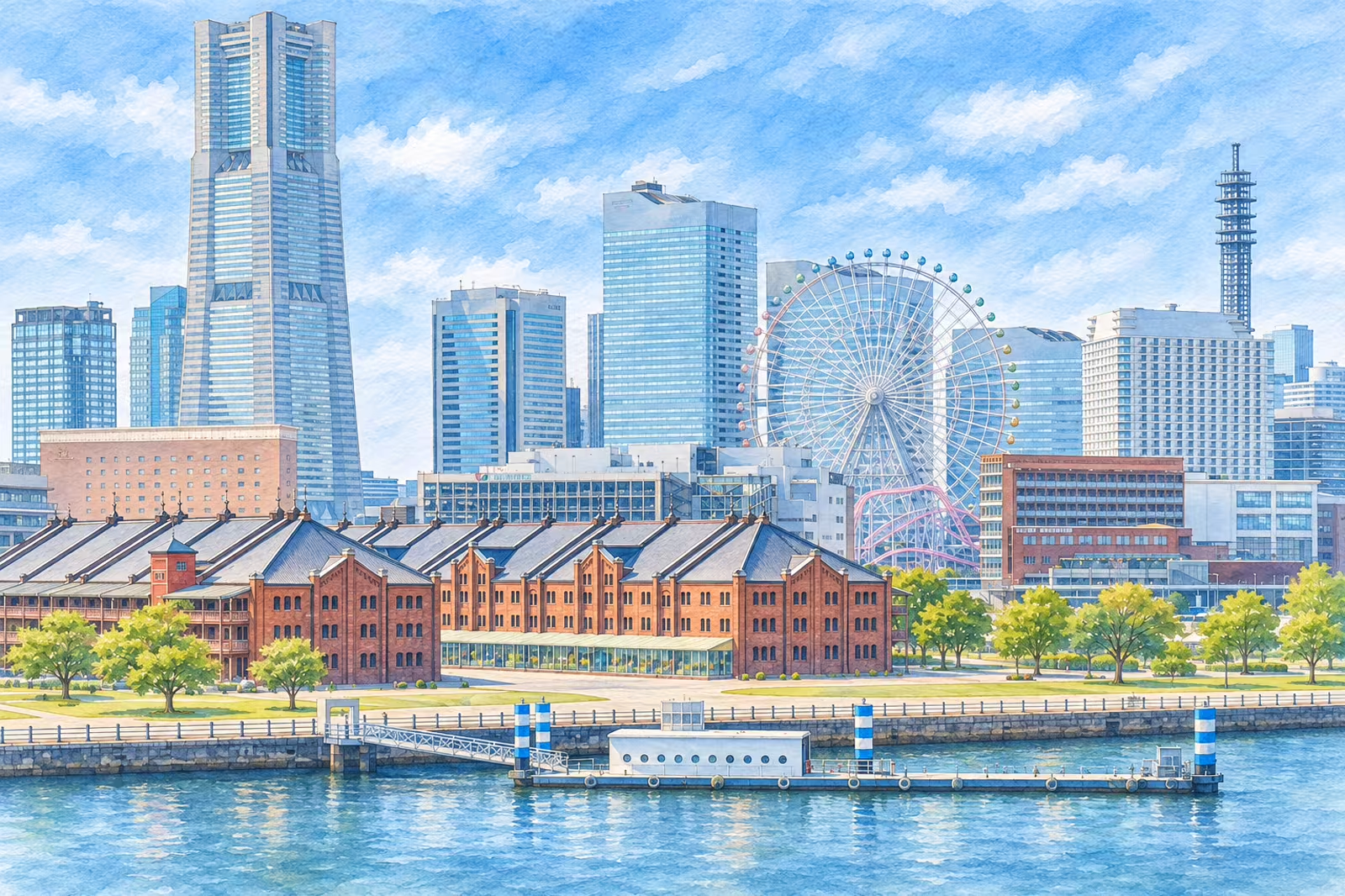
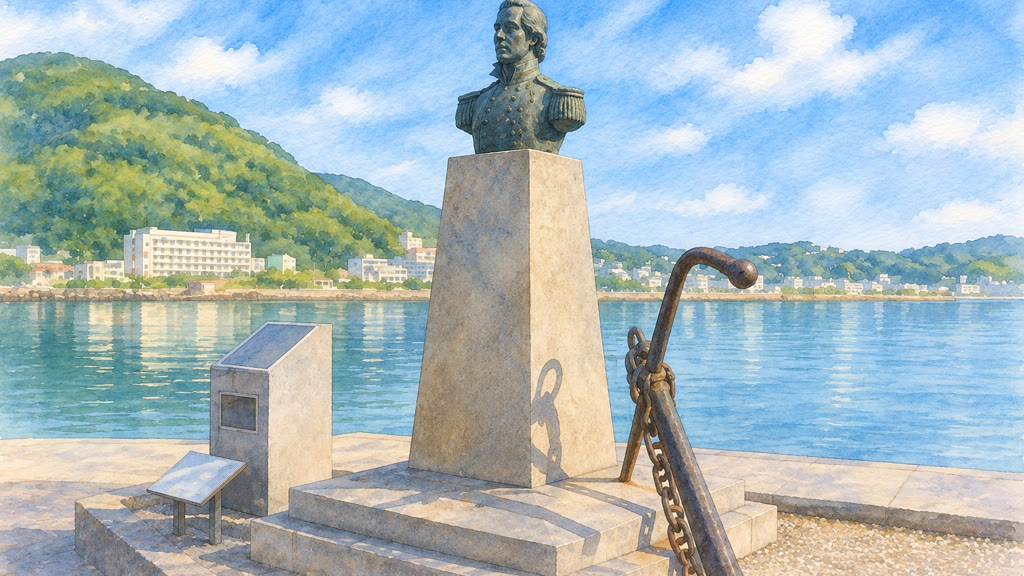
That same year Tokugawa Ieyasu received the Kantō and made Edo his base. After he founded the shogunate in 1603, Edo grew into the political center of the country. Ieyasu was later enshrined at Nikkō, where the third shogun, Iemitsu, rebuilt the richly carved Nikkō Tōshōgū. In 1853 the American squadron of Matthew C. Perry arrived off Uraga and delivered the president's letter at nearby Kurihama. Yokohama, a small fishing village, opened as a port in 1859 and soon became Japan's leading trading harbor. In 1868 Edo Castle was handed over to the new government without an assault, Edo was renamed Tokyo, and the emperor moved into the castle. Tokyo has been the capital ever since.
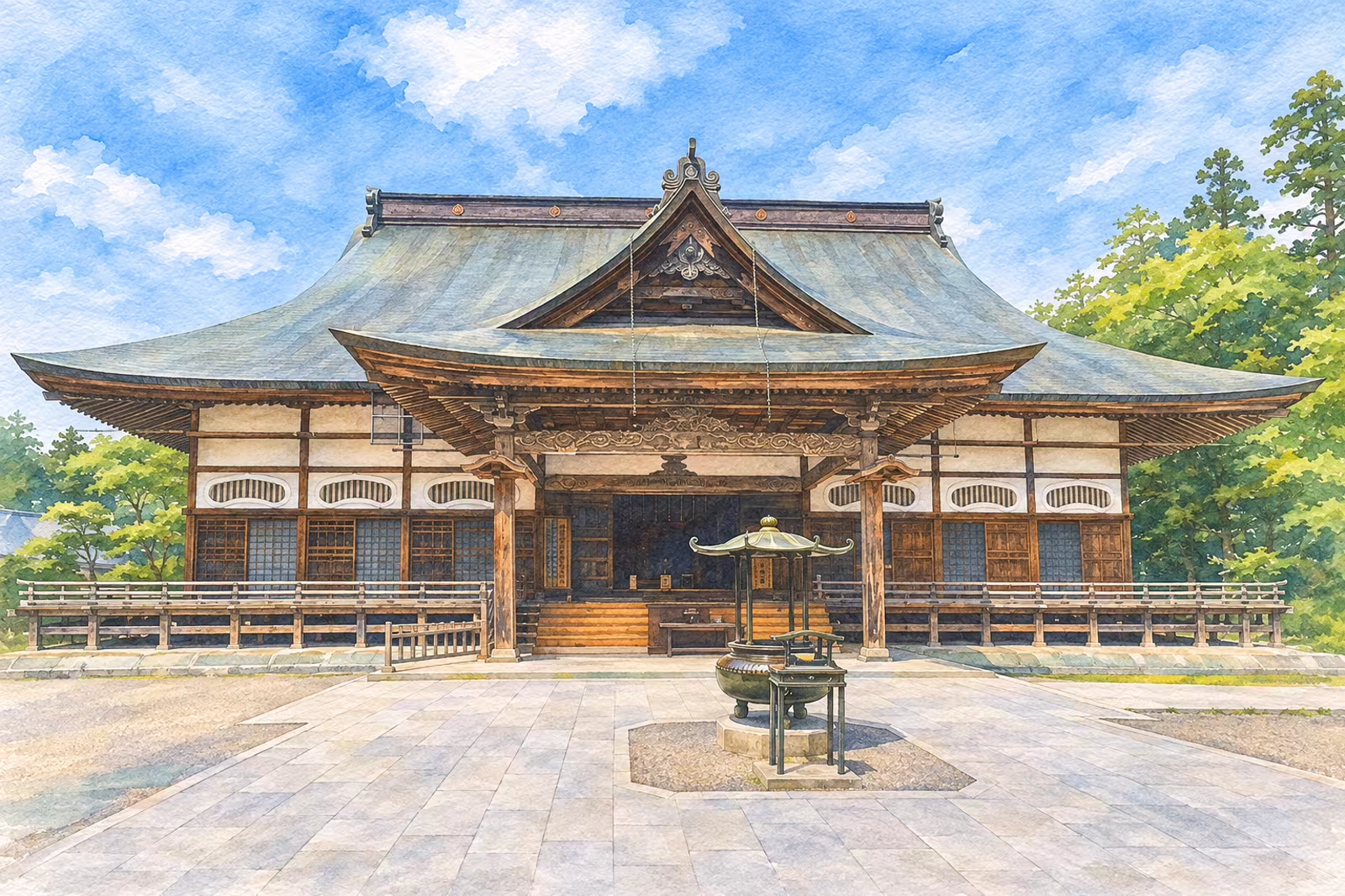
For most of Japanese history, Tōhoku and Hokkaidō lay at the northern edge of the state. In the late eighth century the imperial court sent repeated armies against the people of northern Honshū who lived outside its rule, whom it called "Emishi," a label applied by the court rather than a name they used themselves. Aterui, a leader in the Isawa area, routed a court force in 789; in 802, as the court built Isawa Castle, he surrendered and was later executed. After two eleventh-century wars, Fujiwara no Kiyohira moved to Hiraizumi and founded the Northern Fujiwara, who ruled Mutsu and Dewa for nearly a century until Minamoto no Yoritomo destroyed them in 1189. Kiyohira's Chūson-ji, whose Golden Hall became the family's burial chapel, is where a visit to Hiraizumi begins.
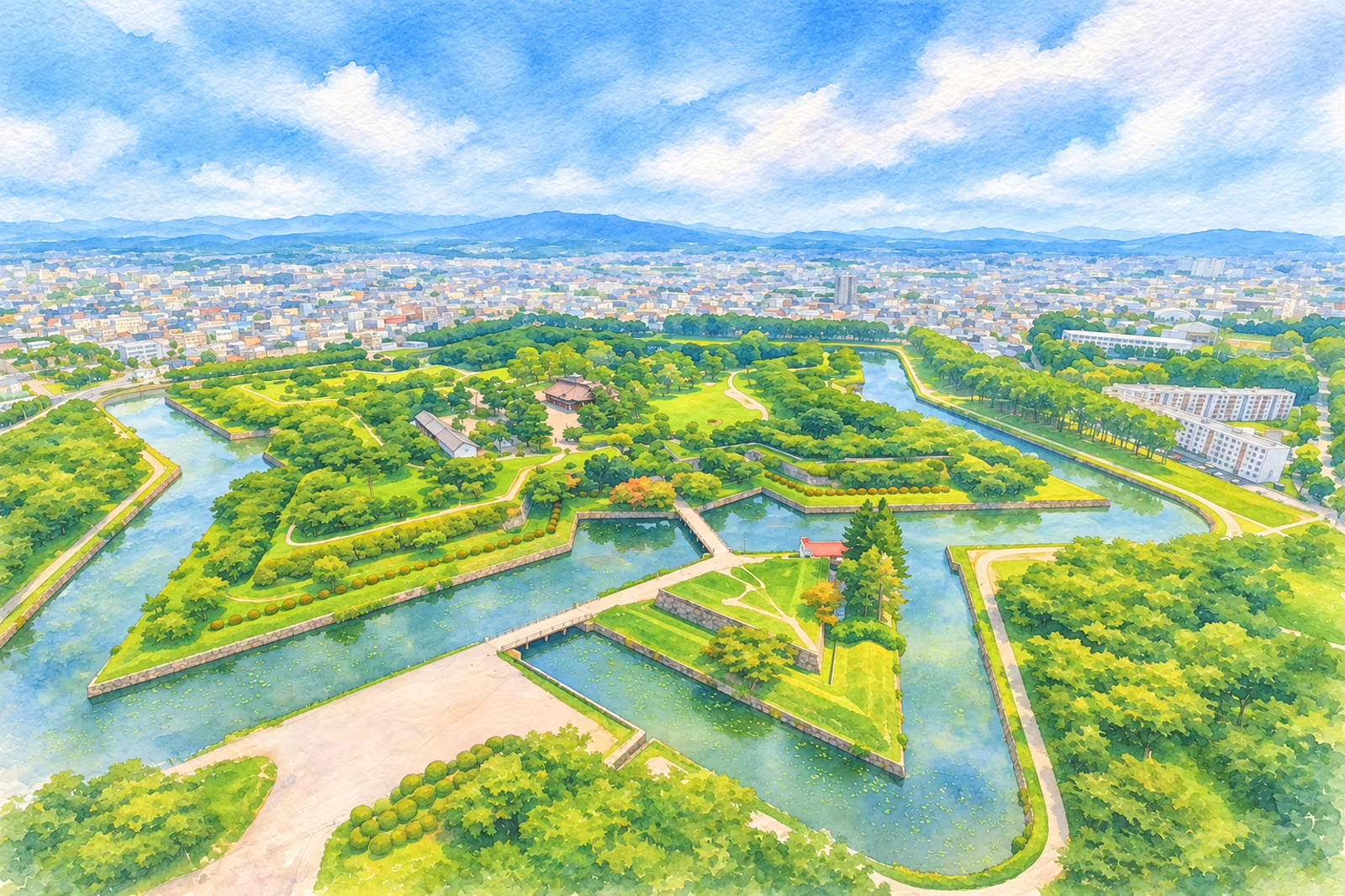
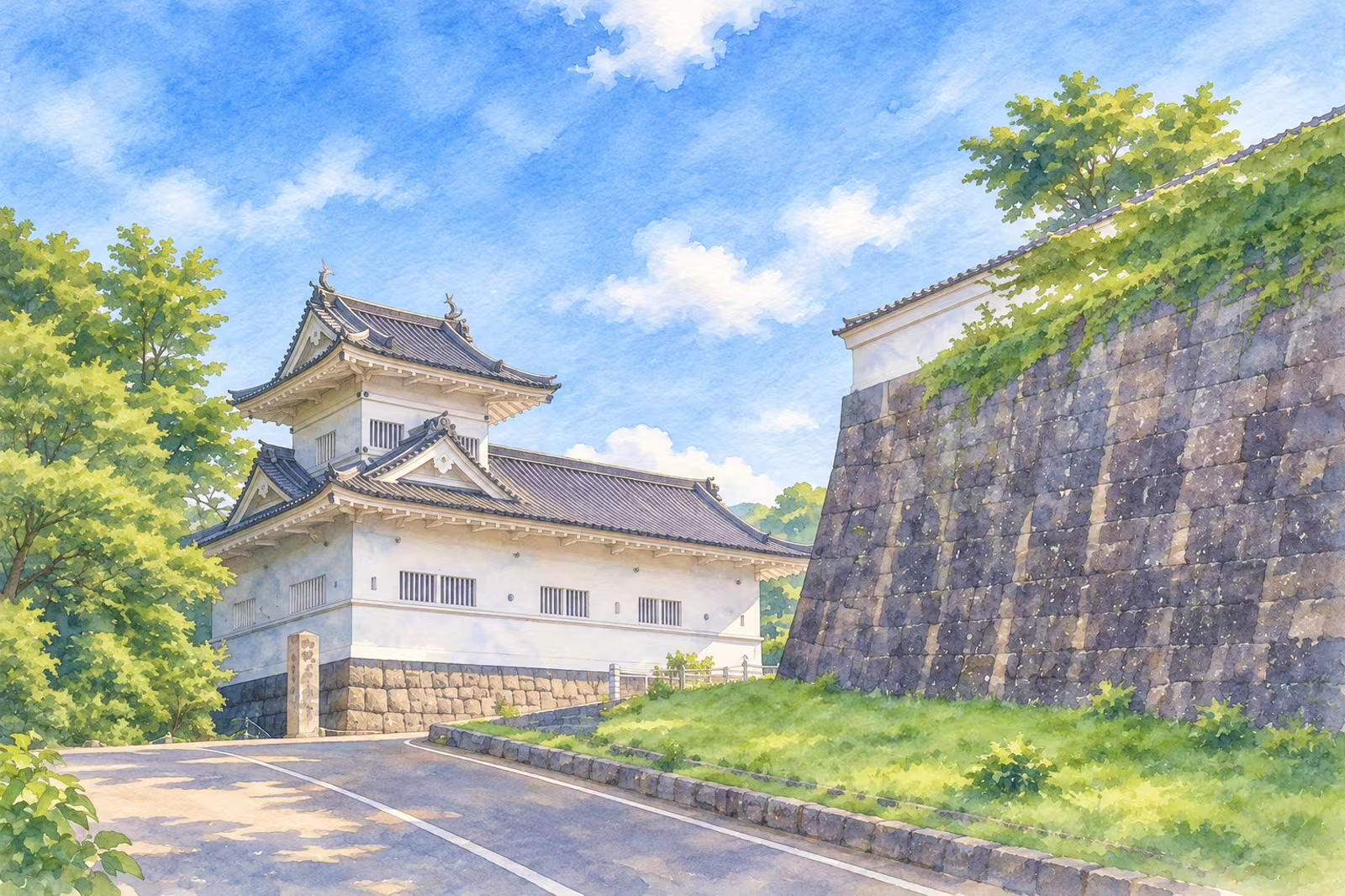
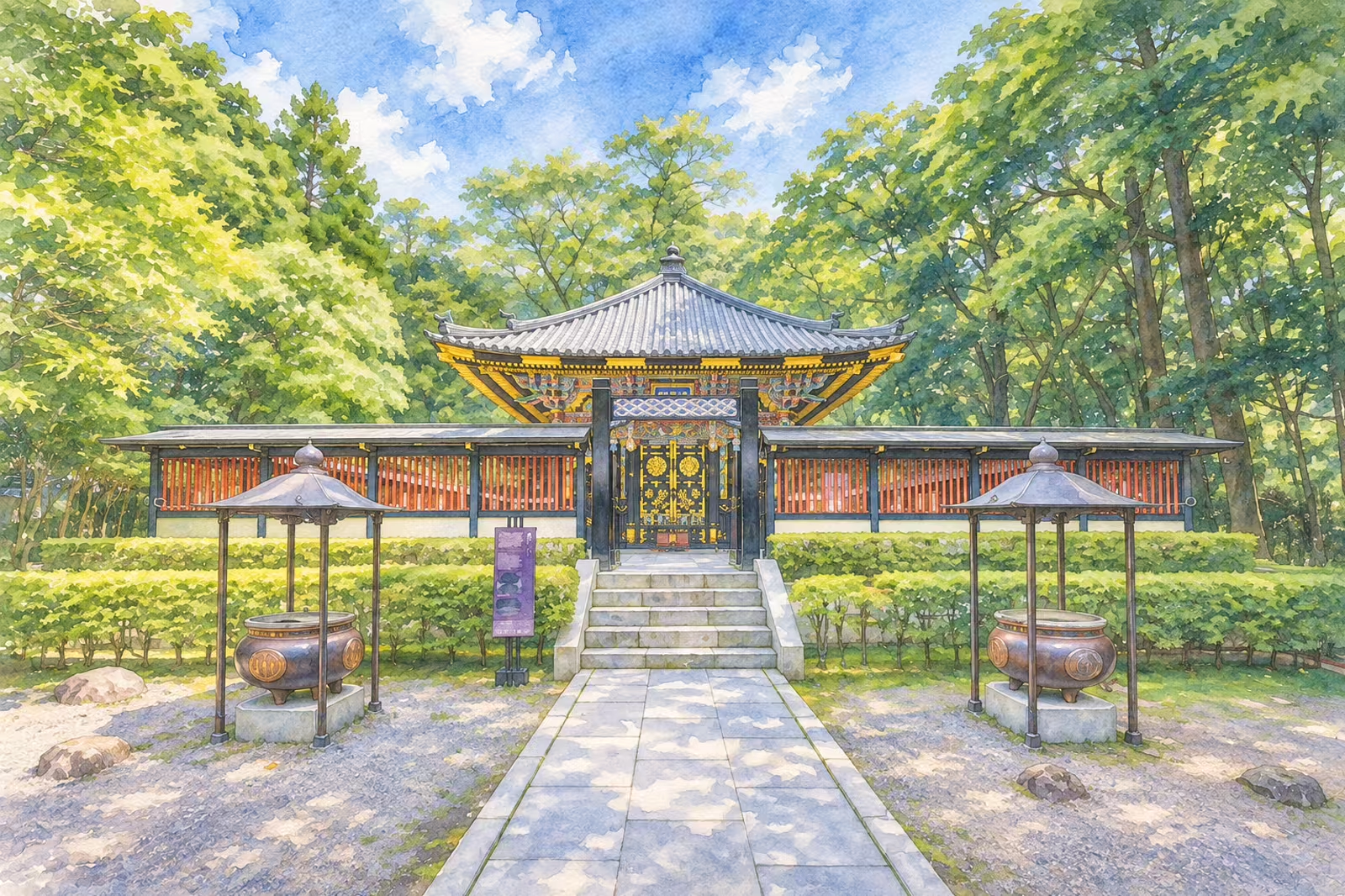
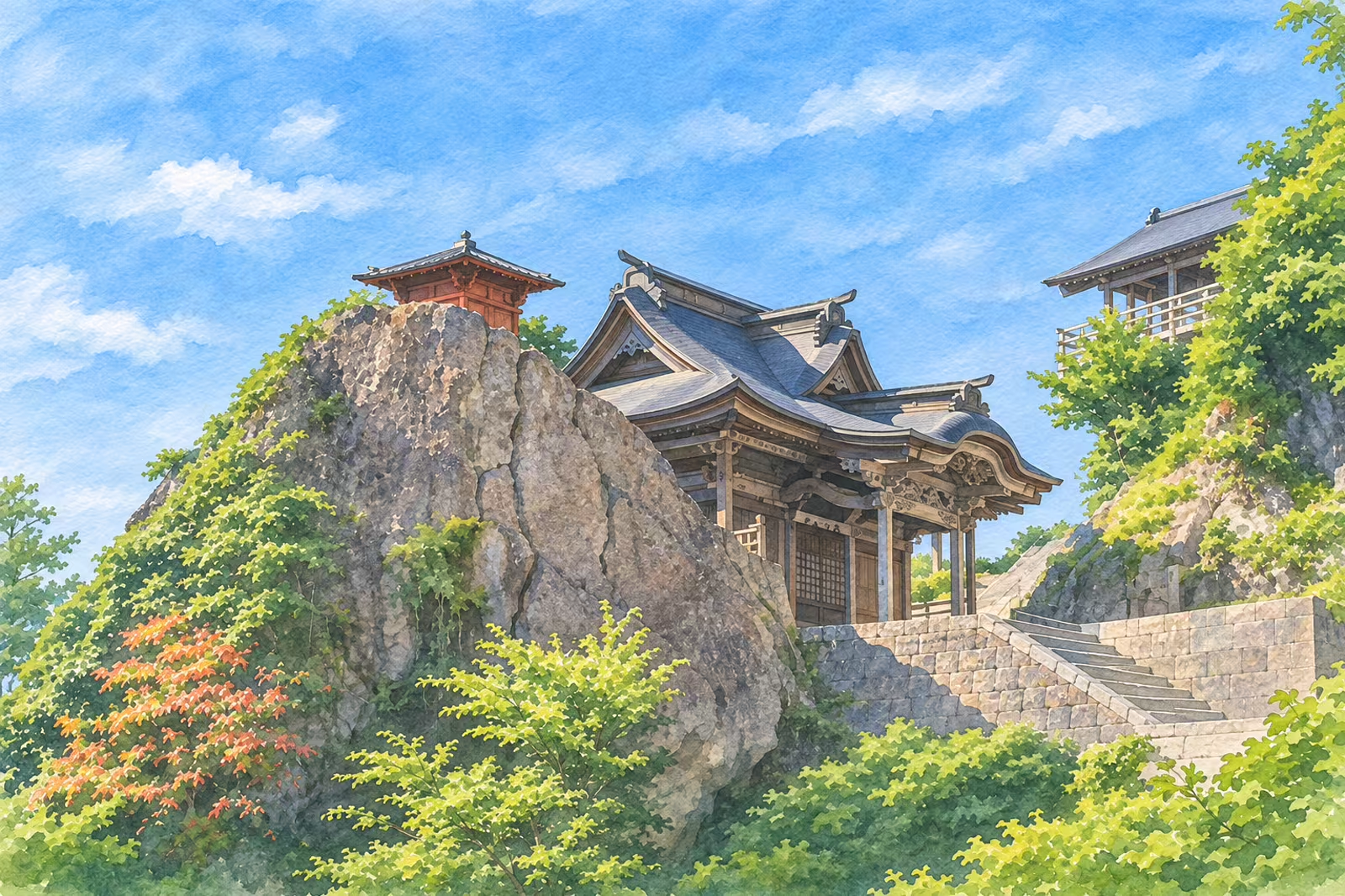
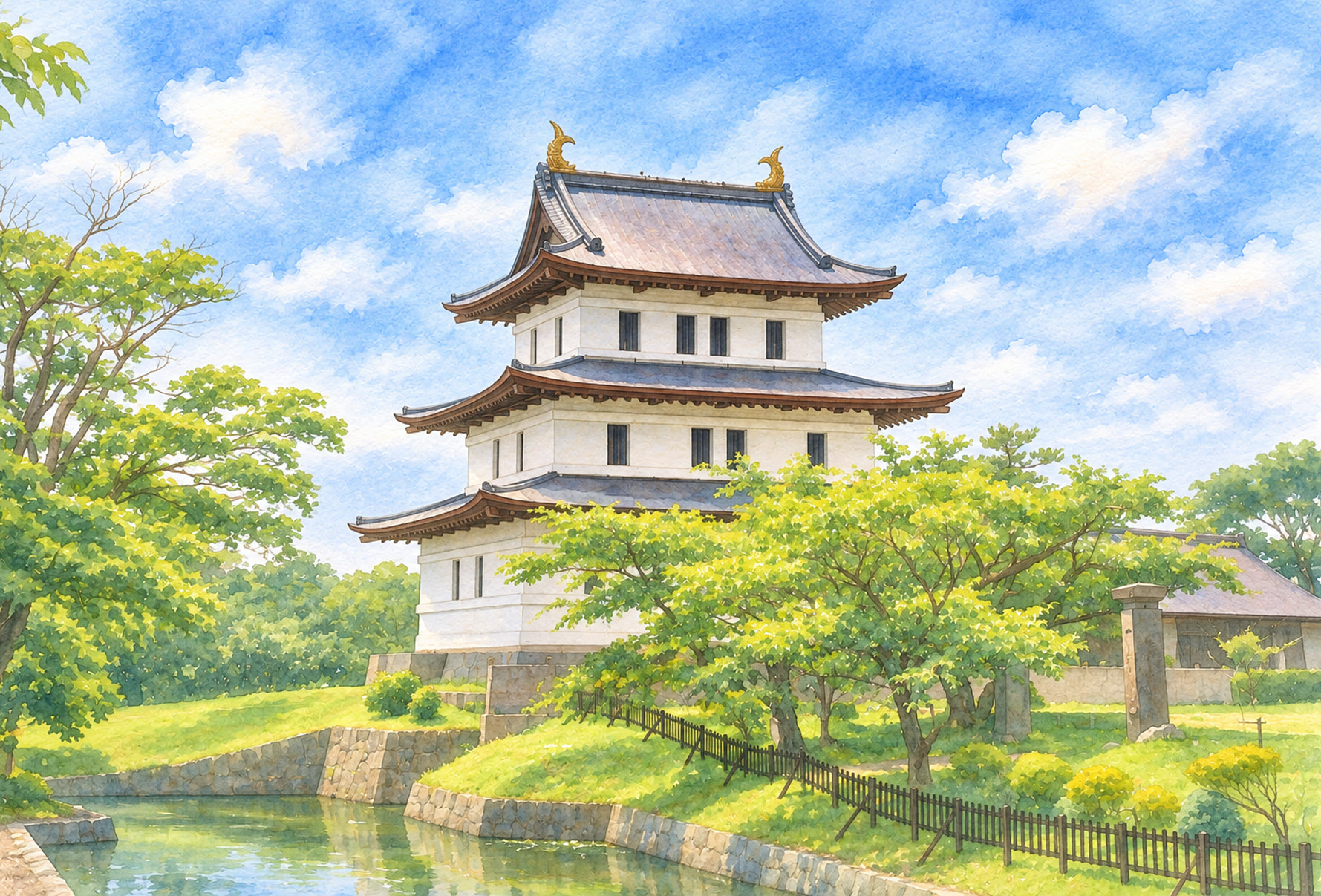
After Sekigahara, Date Masamune built Sendai Castle on Aobayama and laid out the town below it. In 1689 Matsuo Bashō walked north through Matsushima, Hiraizumi and Yamadera. The region's sharpest modern memory is the Boshin War. Aizu's lord Matsudaira Katamori had policed Kyoto for the shogunate, and in 1868 his Tsuruga Castle held out for about a month before surrendering. The war ended at Hakodate, where Enomoto Takeaki's former shogunal fleet occupied the Western-designed fort of Goryōkaku until its surrender in 1869.
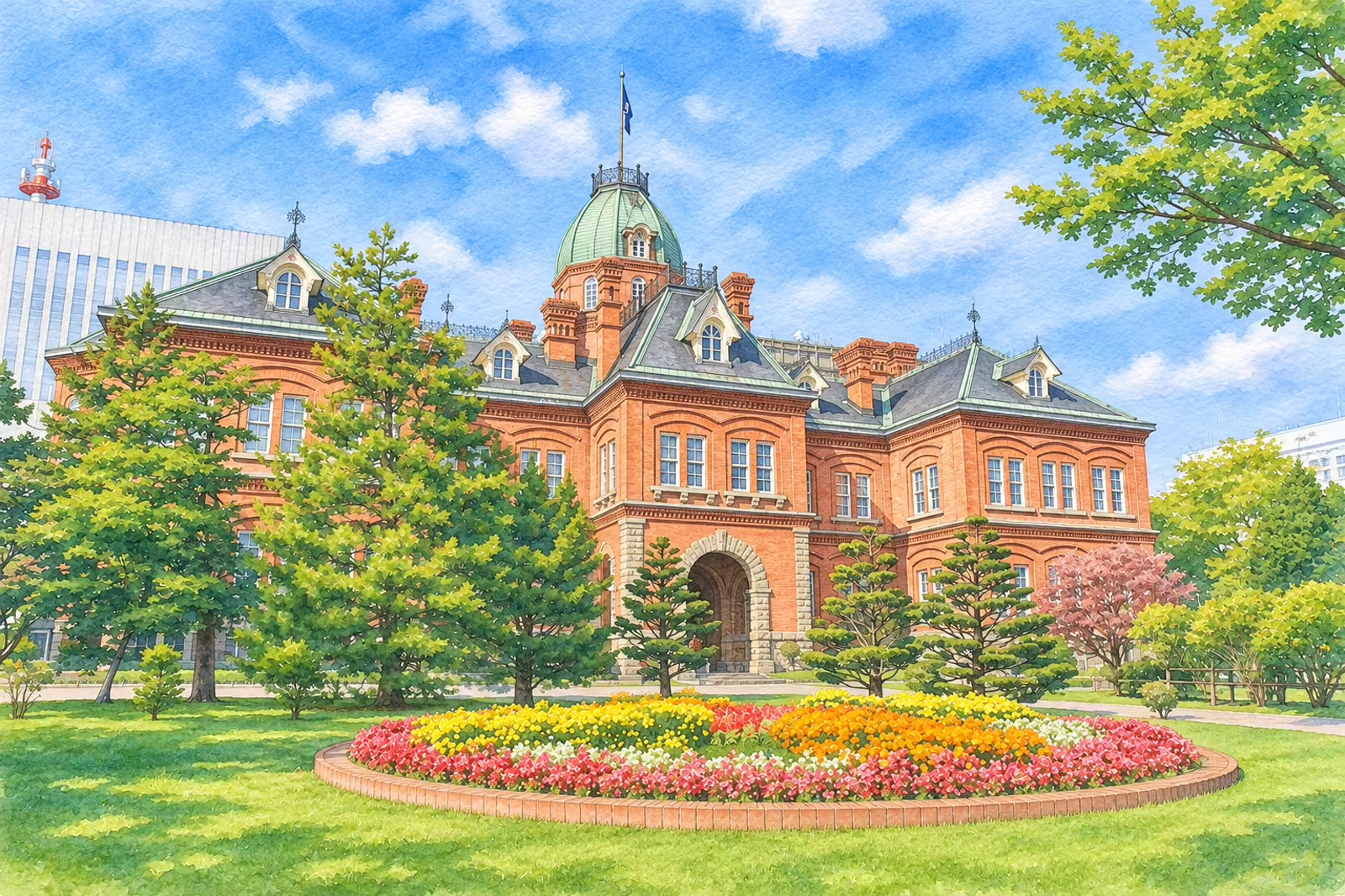
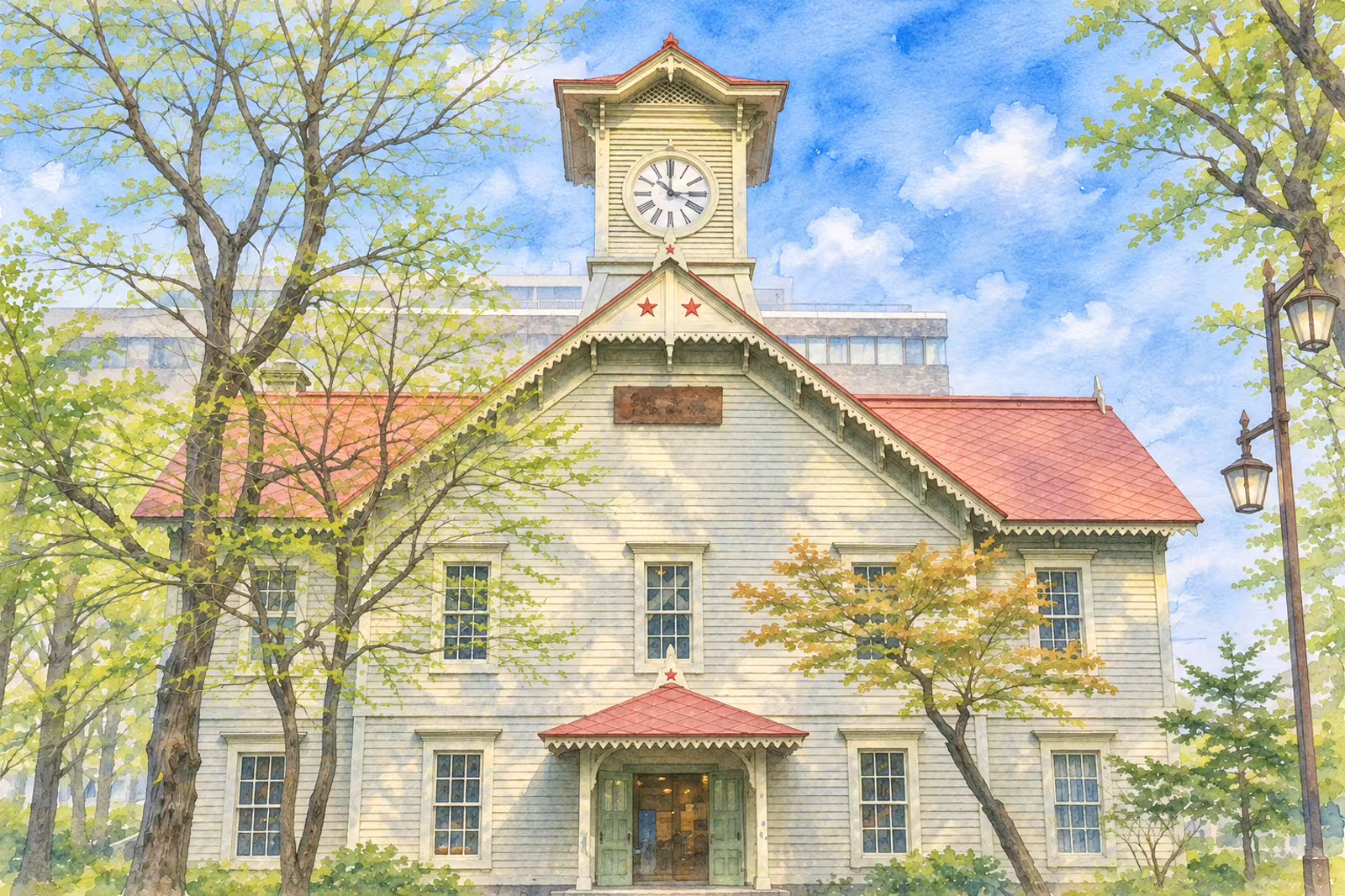
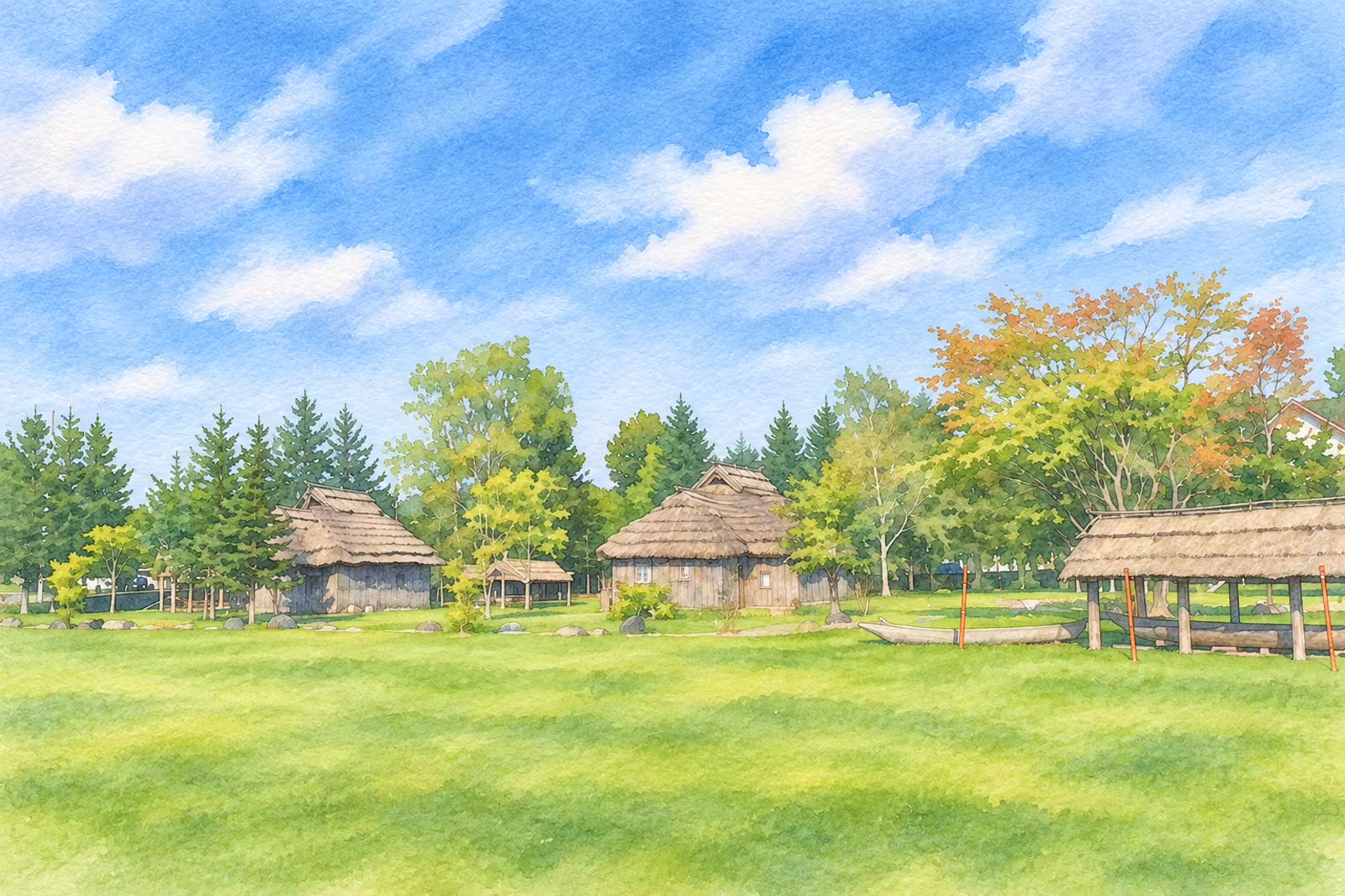
Hokkaidō, known in the Edo period as Ezochi, was Ainu land. The Ainu are the Indigenous people of Hokkaidō, Sakhalin, the Kuril Islands and the northern tip of Honshū, with their own language and culture. In 1869 the Meiji government created the Kaitakushi (Hokkaidō Development Commission), renamed the island and laid out Sapporo on a grid. The Former Hokkaidō Government Office district records that project, which also took Ainu land and livelihoods and pushed assimilation. For Ainu history told from an Ainu perspective, go to Upopoy in Shiraoi and to Nibutani on the Saru River in Biratori, a living Ainu community.
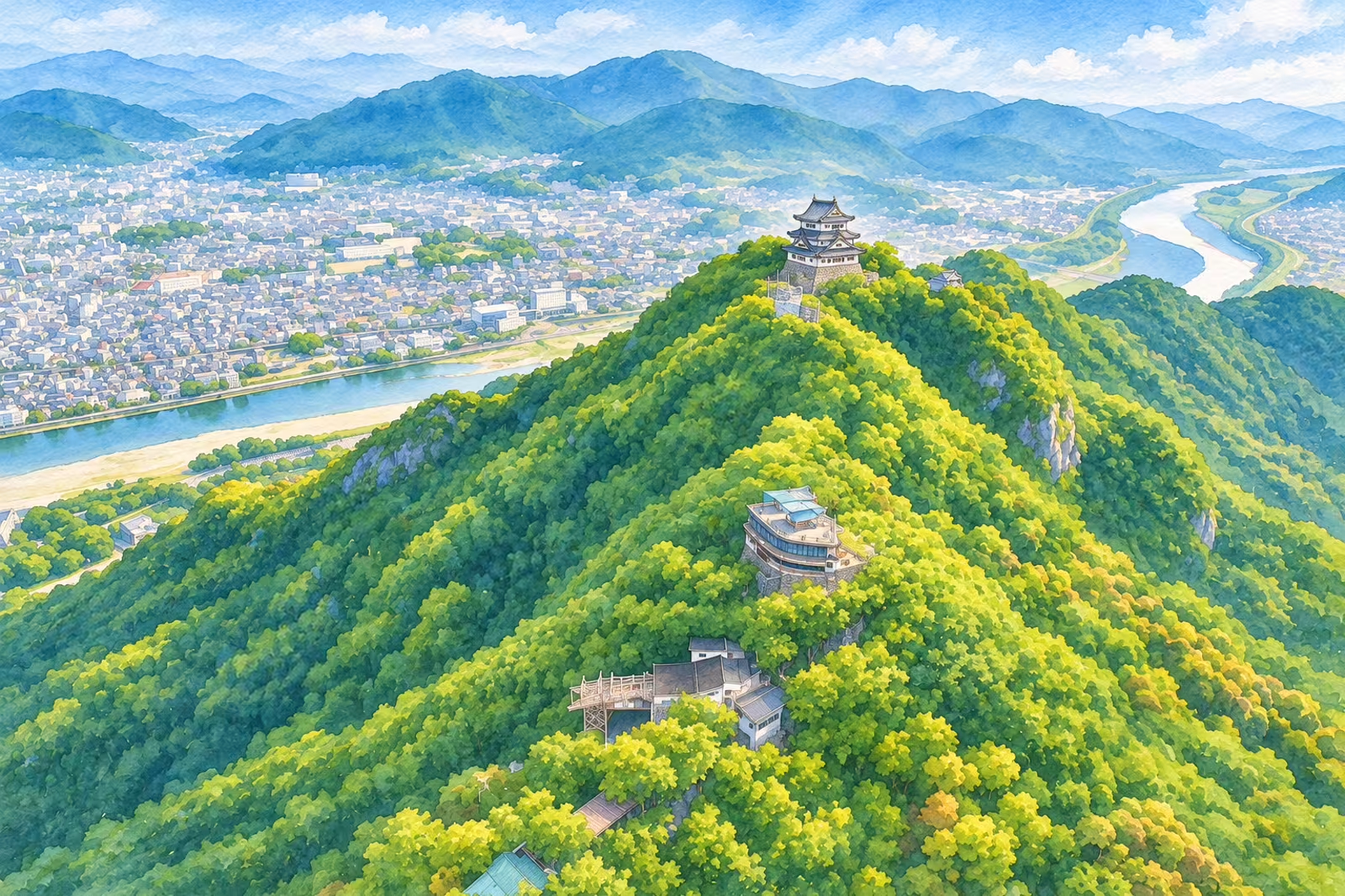
Chūbu runs from Owari and Mikawa on the Pacific side, through the mountains of Shinano and Kai, to Hokuriku and the island of Sado on the Sea of Japan. Its central story is the Sengoku period. Owari produced both Oda Nobunaga and Toyotomi Hideyoshi. In 1560 Nobunaga surprised and killed Imagawa Yoshimoto at Okehazama, which let Matsudaira Motoyasu, the future Tokugawa Ieyasu, leave Imagawa service, return to Okazaki and ally with Nobunaga. In 1567 Nobunaga took Inabayama Castle and renamed the town below it Gifu; Gifu Castle and Mount Kinka served as his base for the next several years.
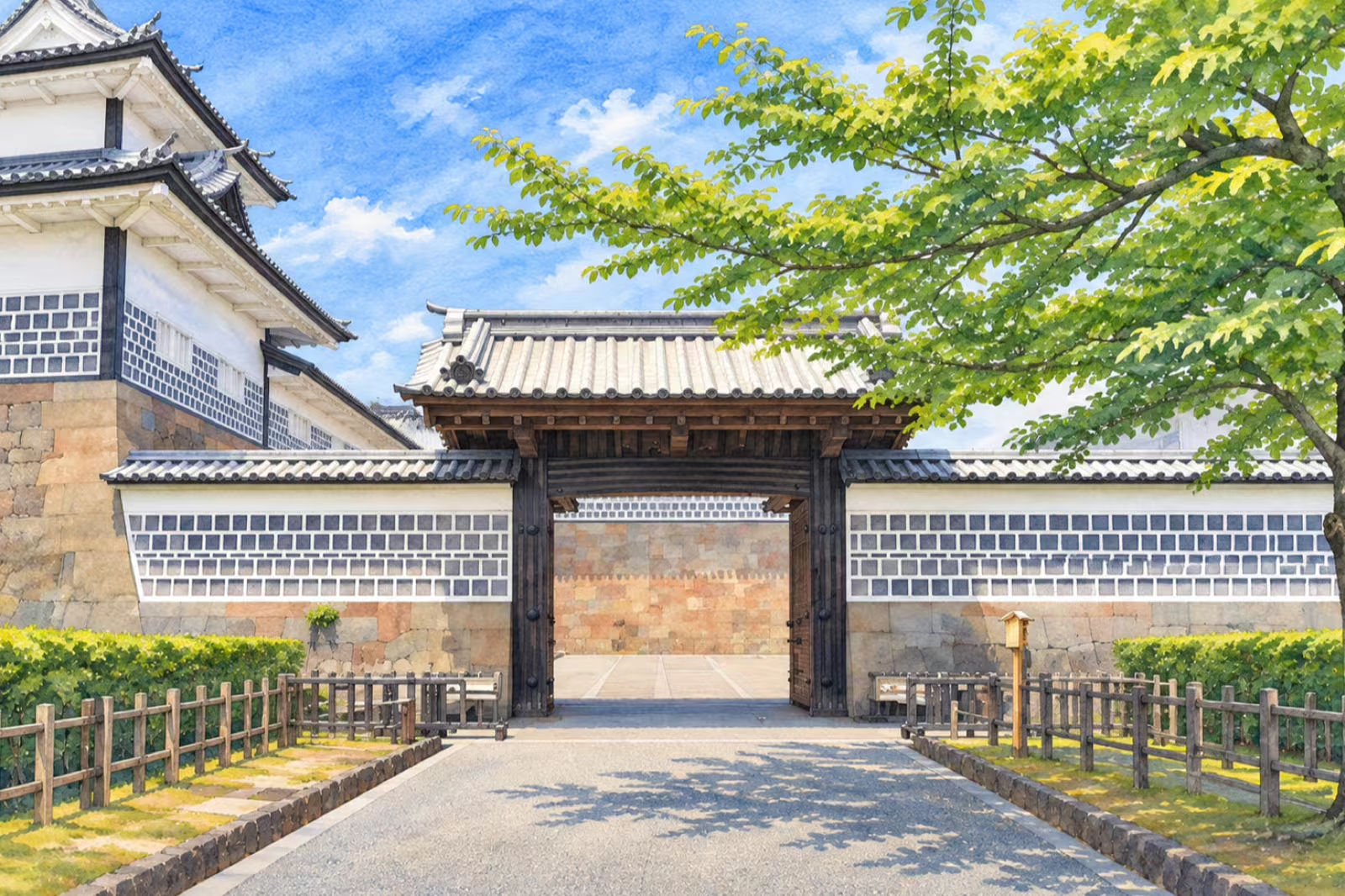
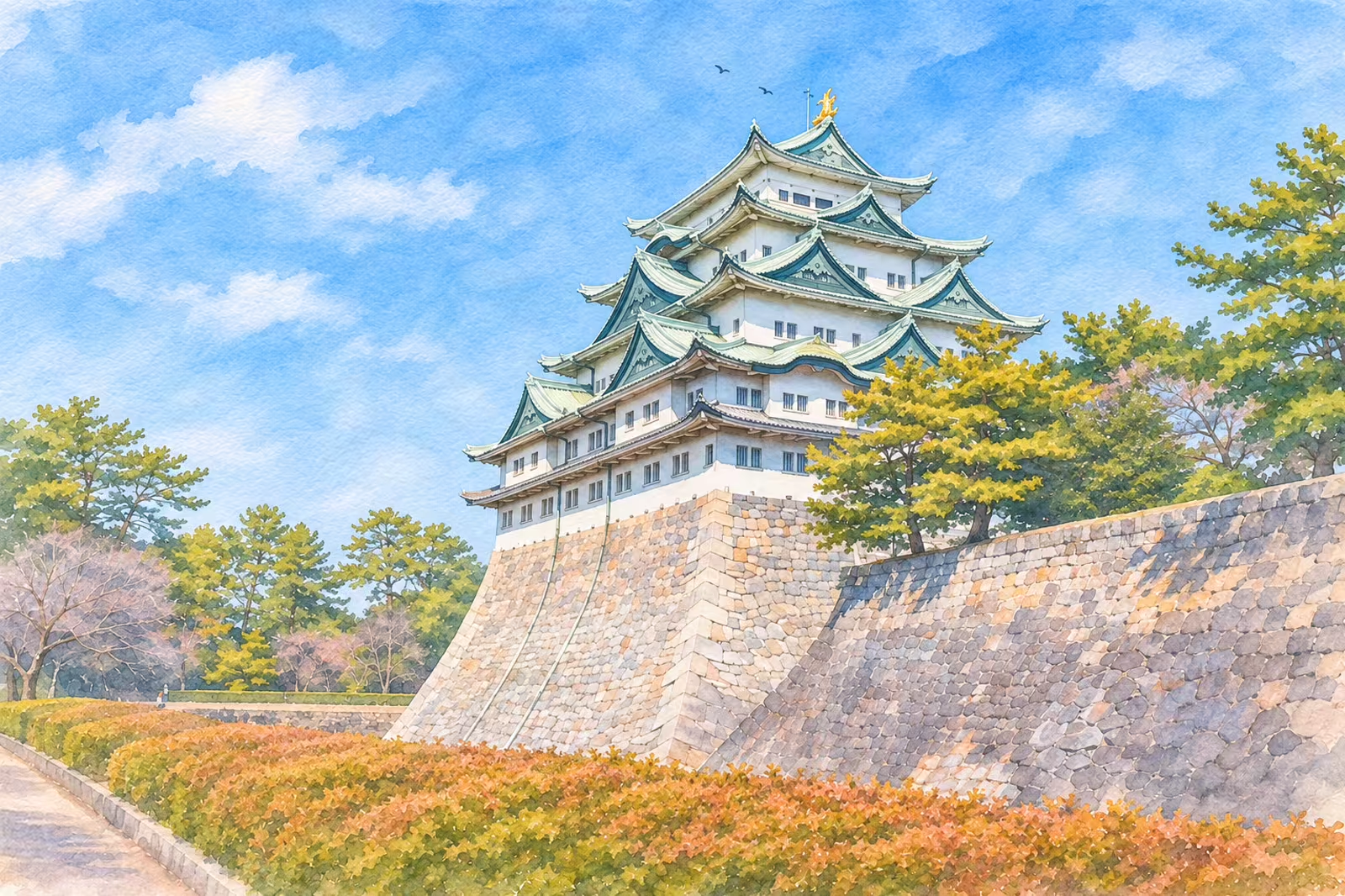
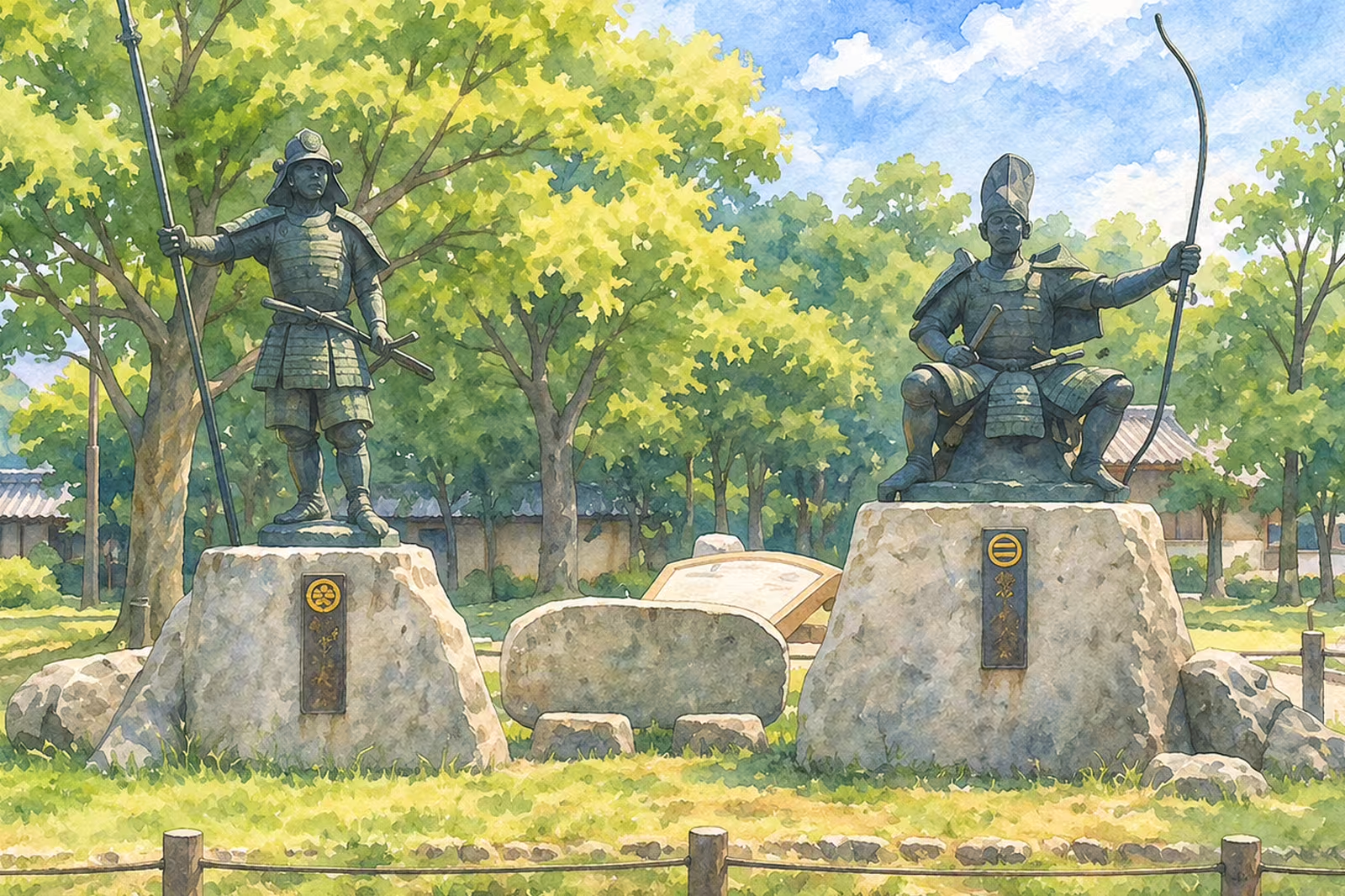
The mountains belonged to another power. From his residence at Tsutsujigasaki in Kai, Takeda Shingen expanded outward and fought Uesugi Kenshin repeatedly at Kawanakajima between 1553 and 1564. After Shingen's death his heir Katsuyori was crushed by the Oda–Tokugawa allies at Nagashino and Shitaragahara in 1575, and the Takeda house fell in 1582. After Nobunaga's death, Hideyoshi and Ieyasu faced off at Komaki and Nagakute in 1584, and in 1600 Ieyasu defeated the western coalition built around Ishida Mitsunari at Sekigahara. In 1610 he had Nagoya Castle built for his ninth son, Tokugawa Yoshinao, and the townspeople and temples of Kiyosu moved in to form the new castle town. In Hokuriku, Maeda Toshiie entered Kanazawa in 1583, and Kanazawa Castle still keeps late Edo buildings from the Maeda era.
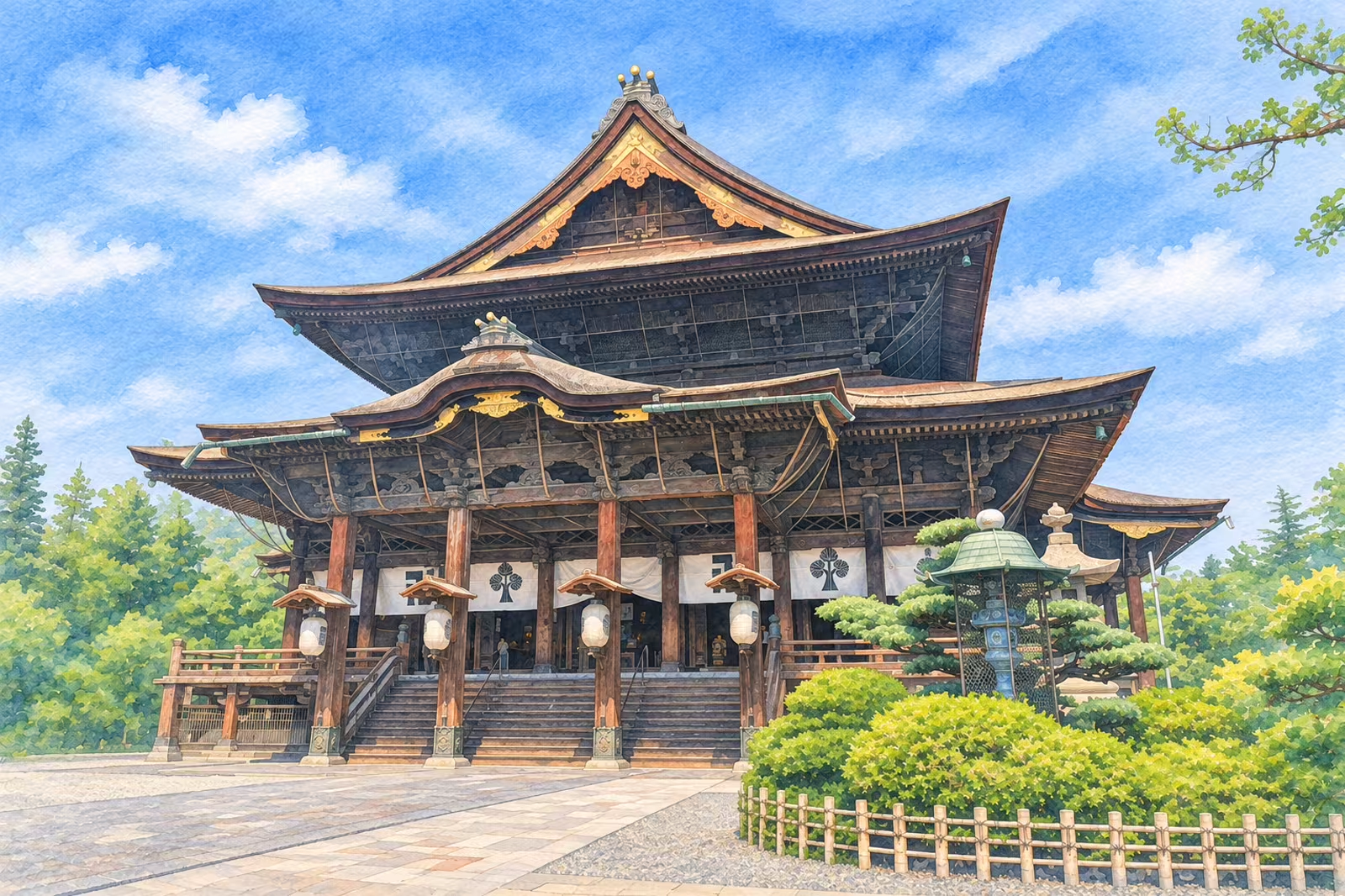
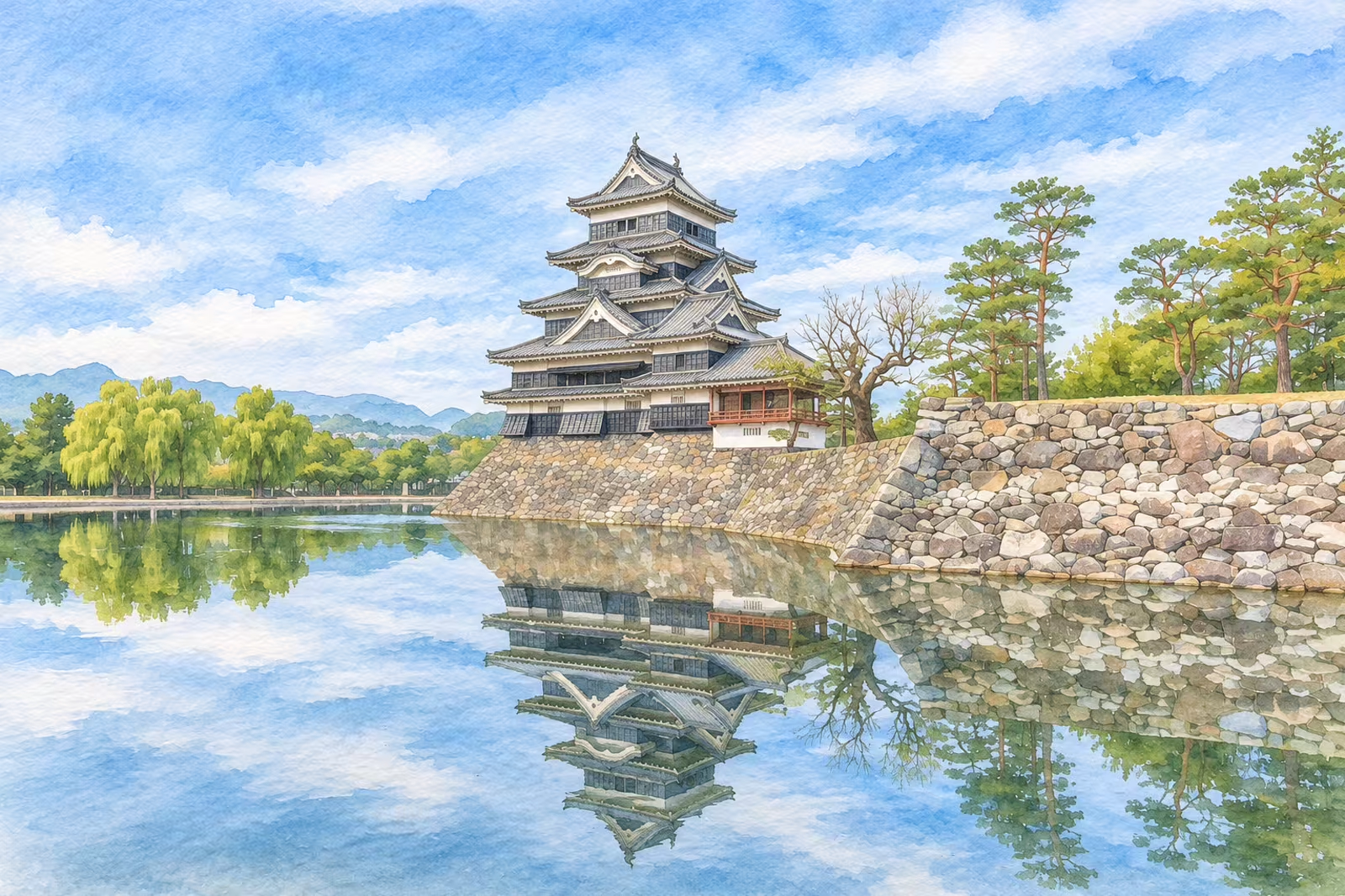
Other periods left their mark too. Minamoto no Yoritomo spent about twenty years in exile in Izu, where the Izu Hōjō Residence–Ganjōju-in recalls the family he married into. Nichiren retreated to Minobu in 1274, and Minobusan Kuon-ji became the head temple of his school. Sado took in exiles including Nichiren and Zeami, whose traces survive in the Sado Noh heritage area. In Shinano, Nagano grew up around Zenkō-ji, and Matsumoto Castle keeps a keep whose construction date is still debated.
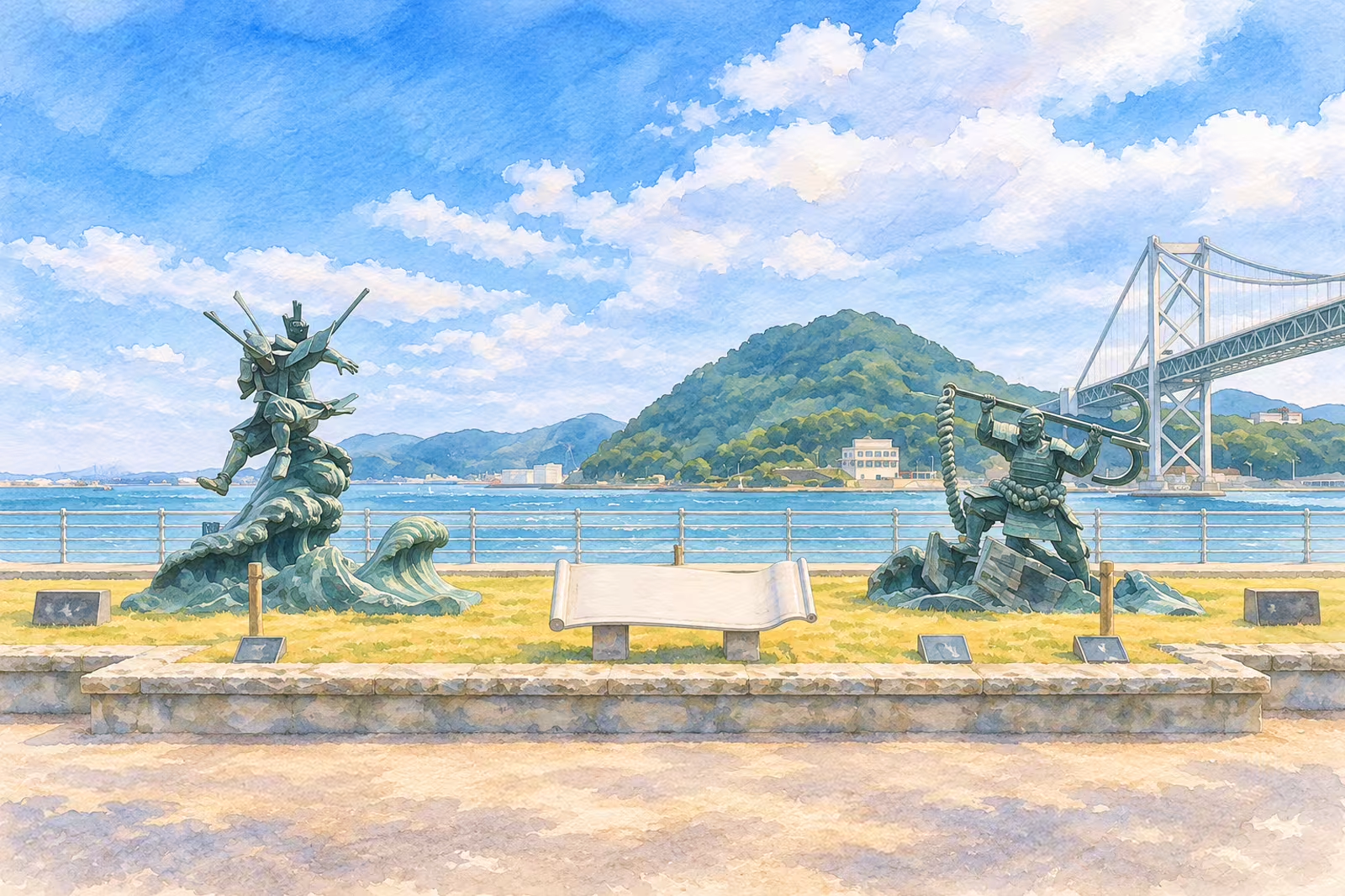
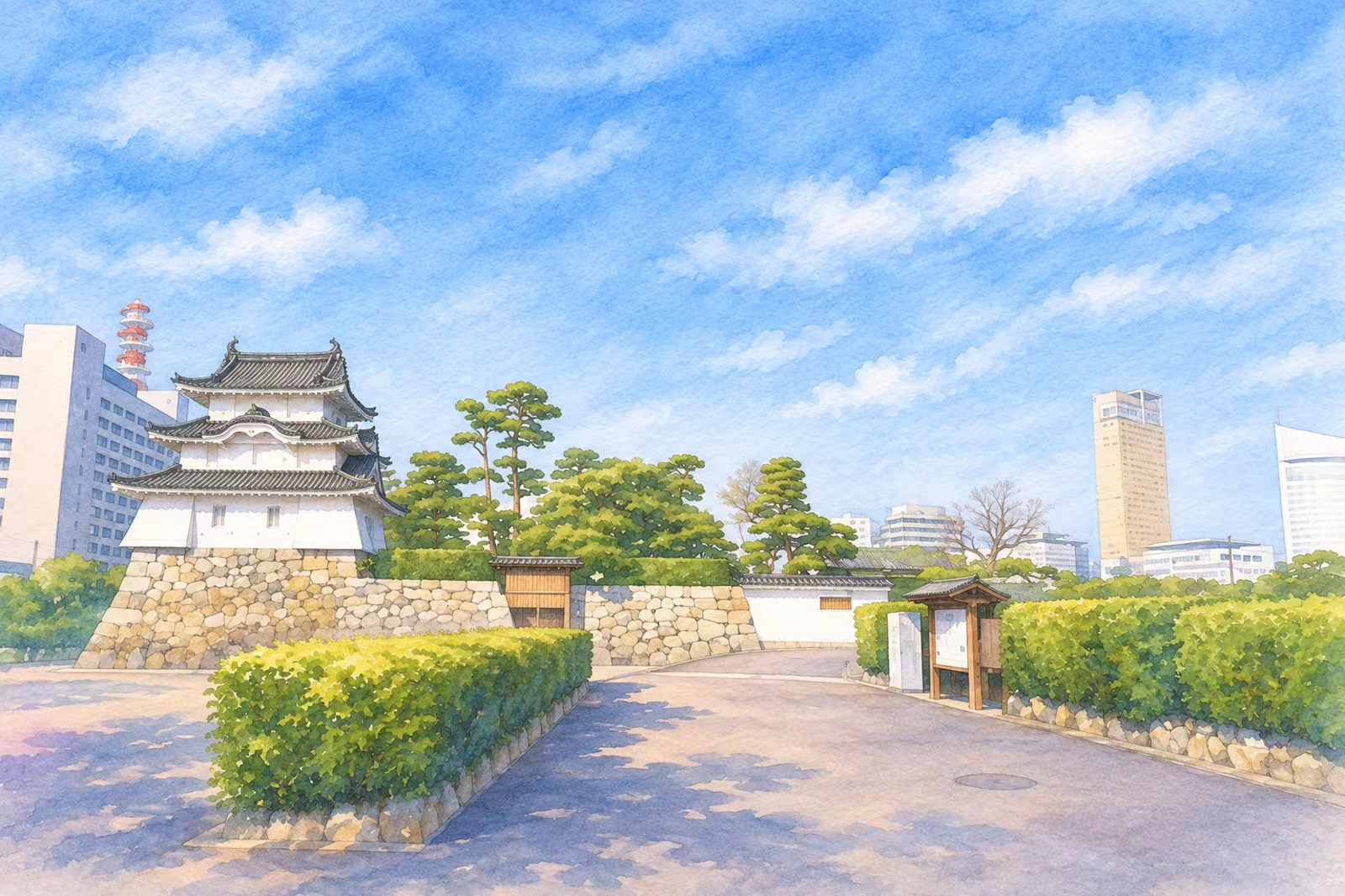
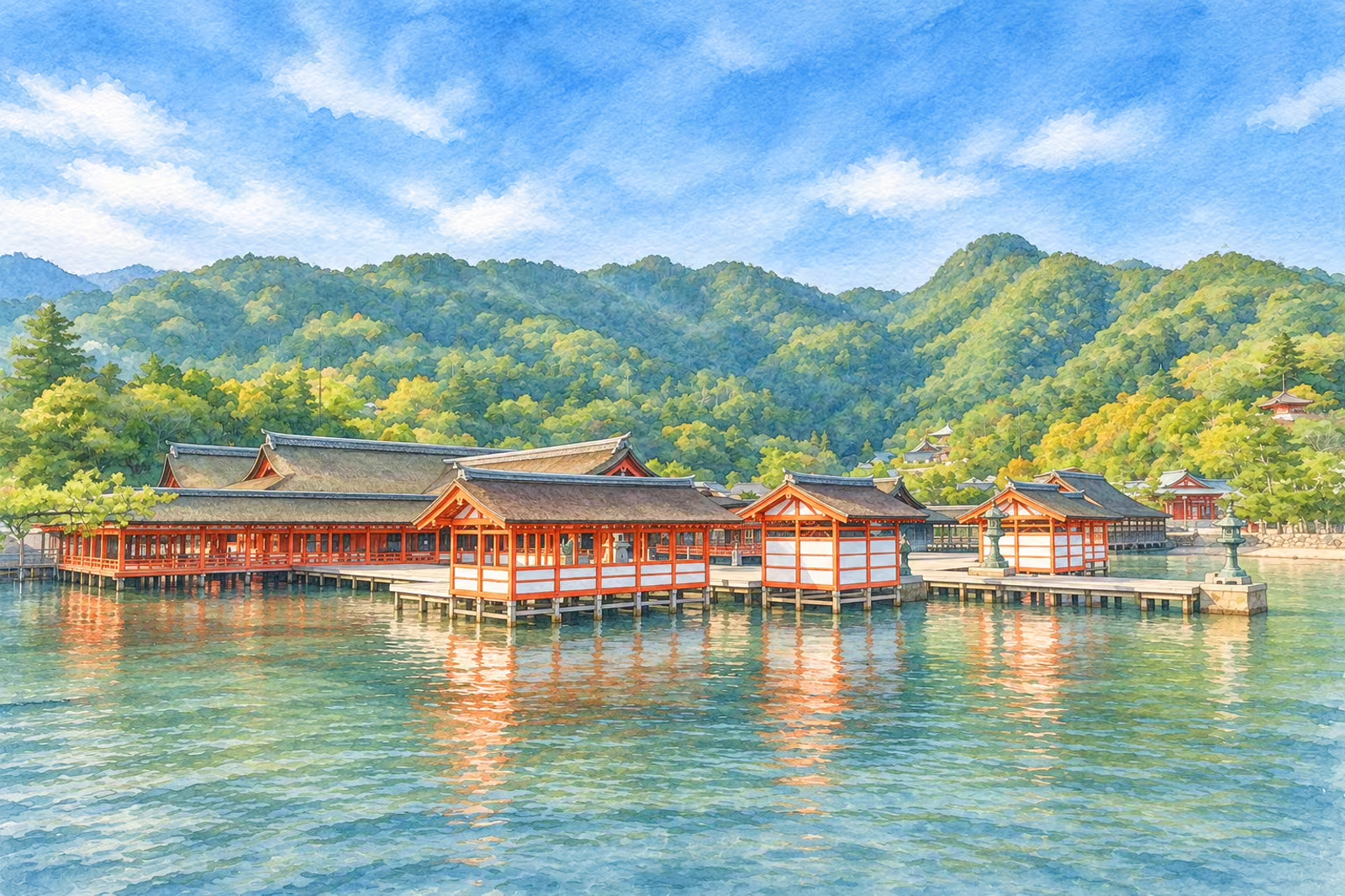
Chūgoku, the western end of Honshū, and Shikoku face each other across the Seto Inland Sea, and much of their history follows its sea lanes and straits. In the 12th century Taira no Kiyomori, as governor of Aki, rebuilt the halls of Itsukushima Shrine over the water, tying the island to Taira fortunes. Late in the Genpei War the Taira withdrew west with the child Emperor Antoku. In 1185 Minamoto no Yoshitsune surprised them at Yashima, just east of Takamatsu, and a month later they were destroyed at Dan-no-ura in the strait off Shimonoseki, where Antoku drowned. After the Jōkyū War of 1221, Retired Emperor Go-Toba was exiled to the Oki Islands in the Sea of Japan and died there.
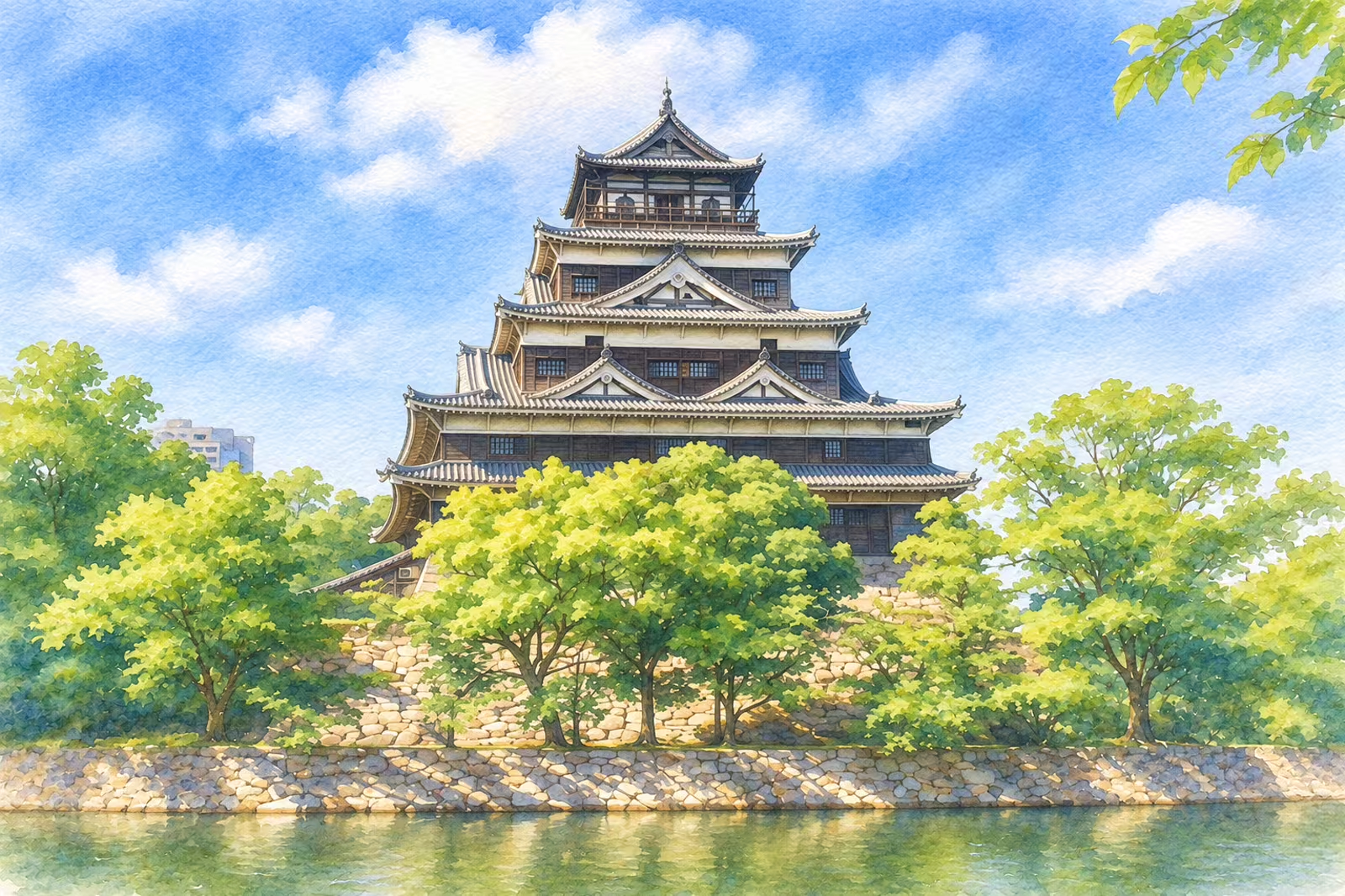
In 1555 Mōri Motonari, a minor lord from Aki, defeated Sue Harukata at the Battle of Itsukushima and went on to hold most of the Chūgoku region. His grandson Mōri Terumoto began building Hiroshima Castle on the Ōta River delta in 1589, and the city grew around it. After Sekigahara the Mōri kept only Suō and Nagato, and Hagi served as the seat of their Chōshū domain for about 260 years. In the 1850s Yoshida Shōin taught at the Shokasonjuku in Hagi; his student Takasugi Shinsaku formed the Kiheitai militia at Shimonoseki in 1863, the year Chōshū guns fired on foreign ships in the strait. Across the sea, Tosa (today's Kōchi) produced Sakamoto Ryōma, and in the early Meiji years Itagaki Taisuke founded the Risshisha there, making Kōchi the birthplace of the Freedom and People's Rights Movement.
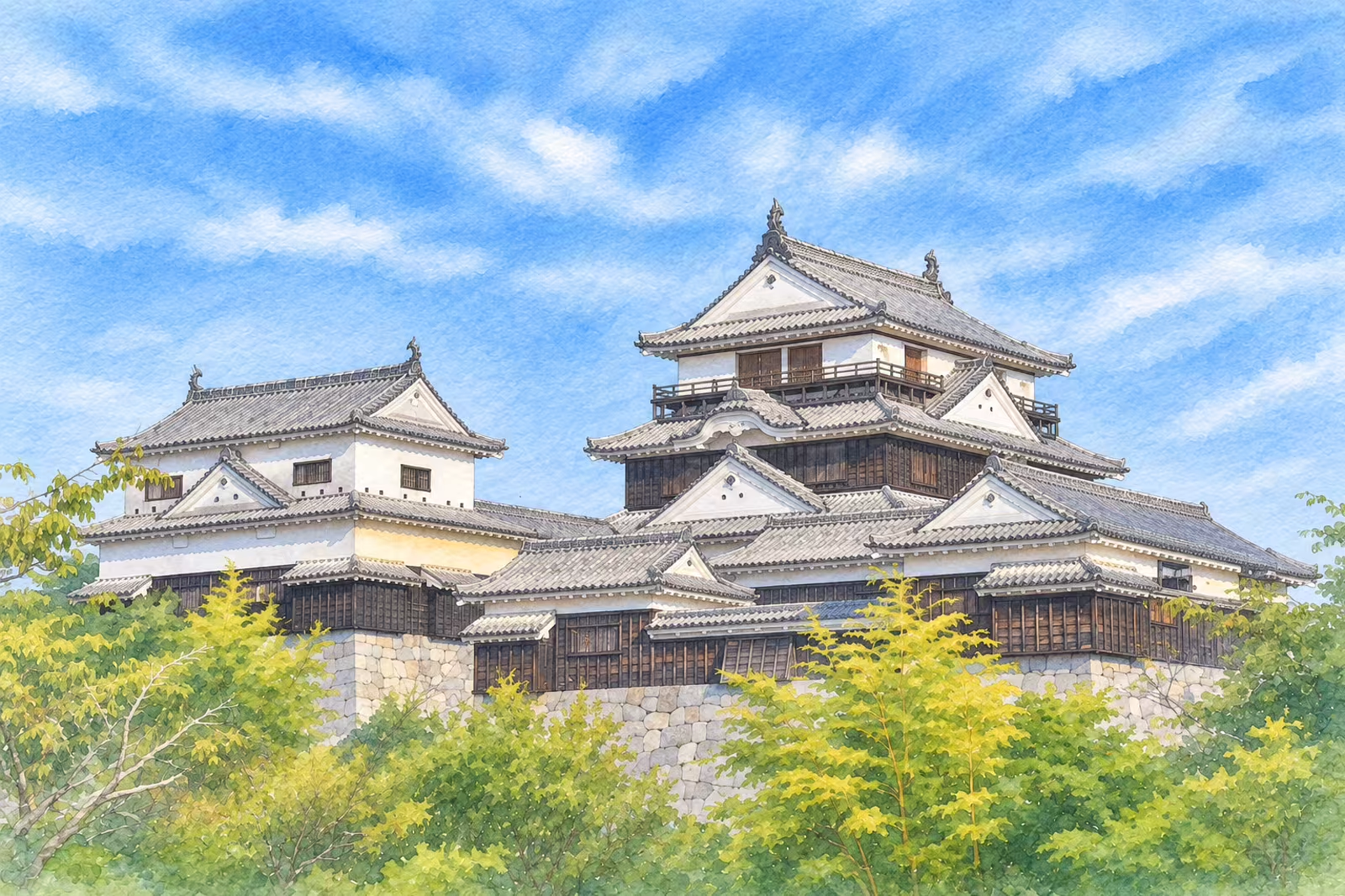
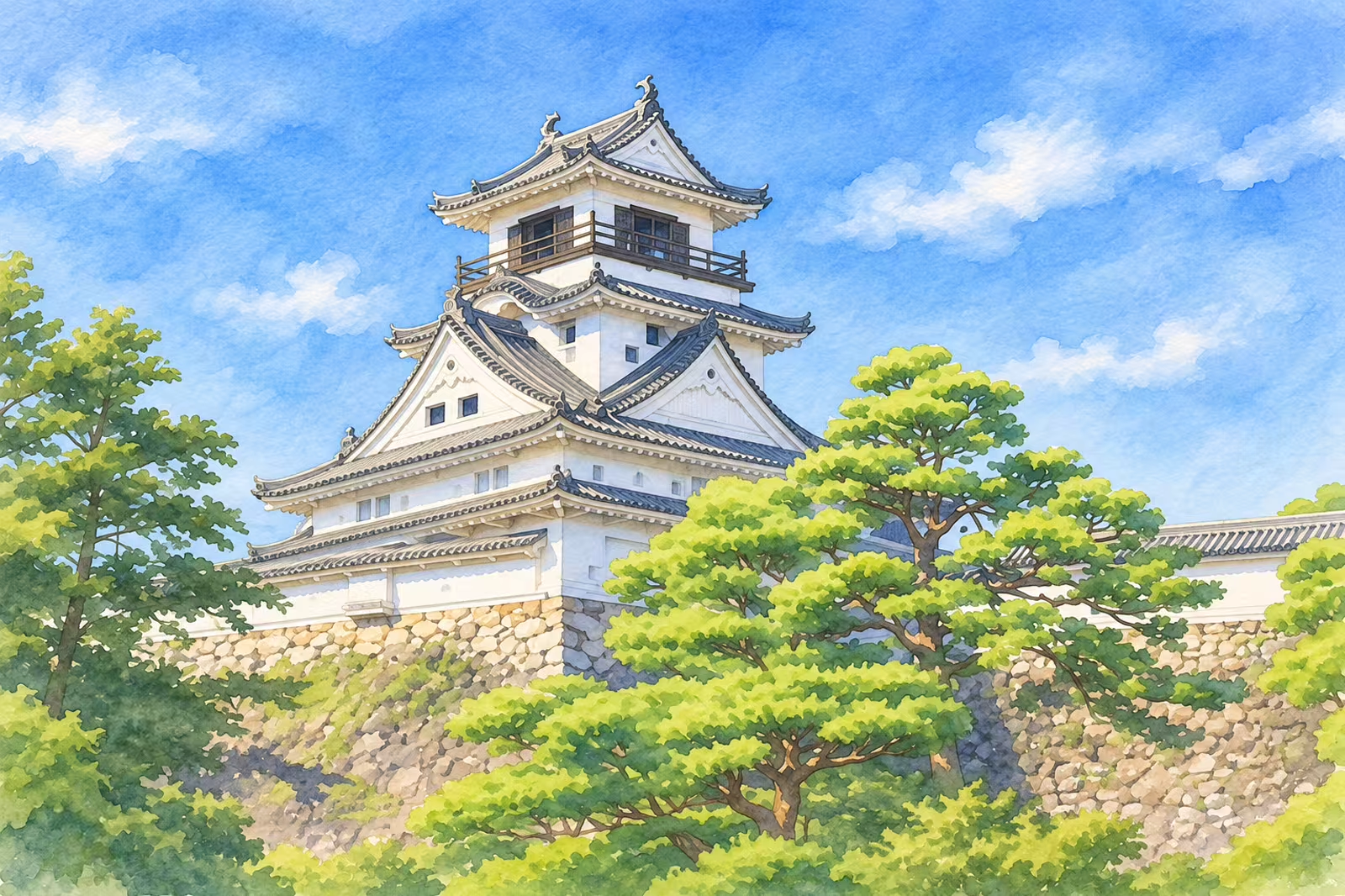
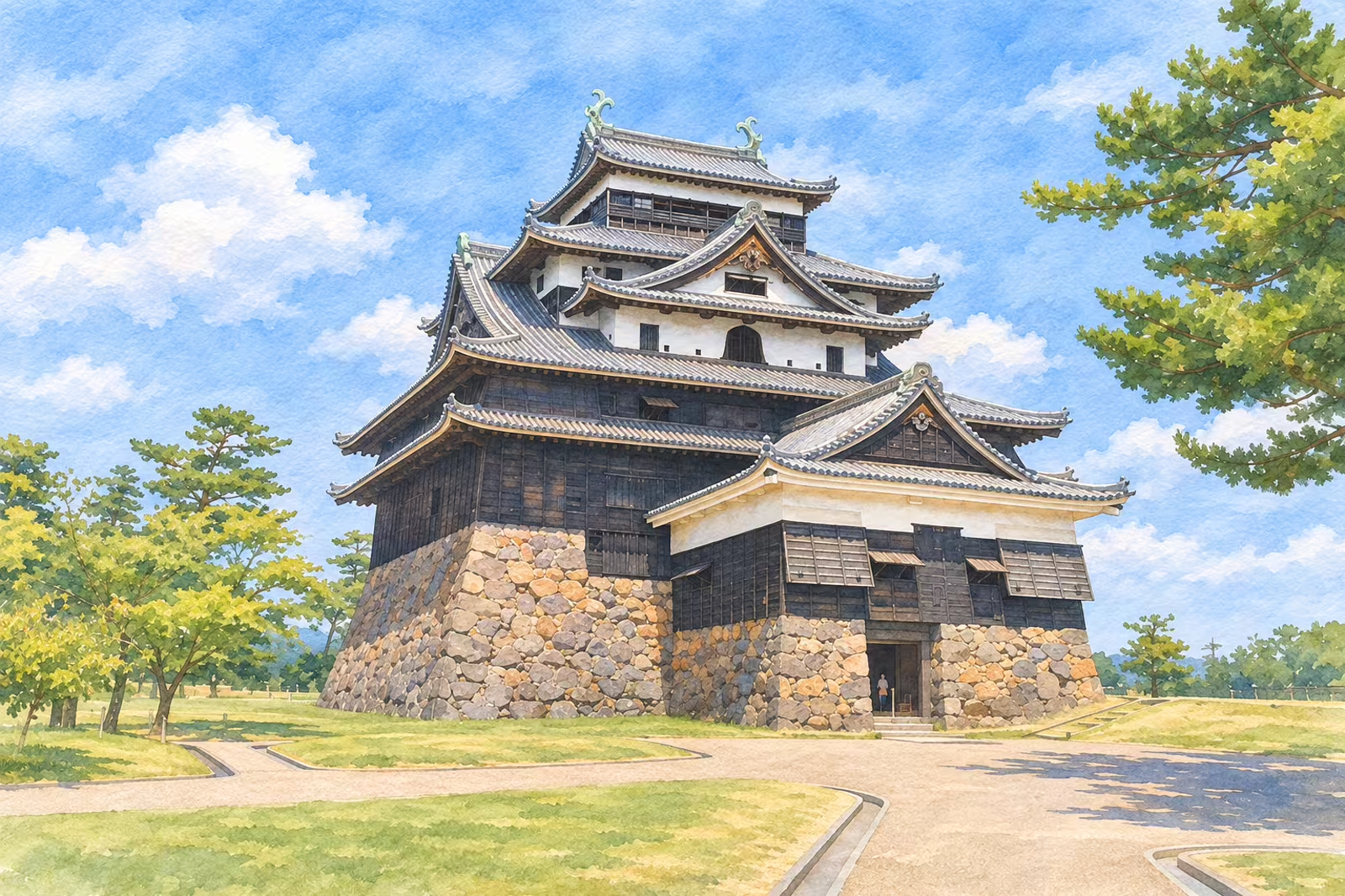
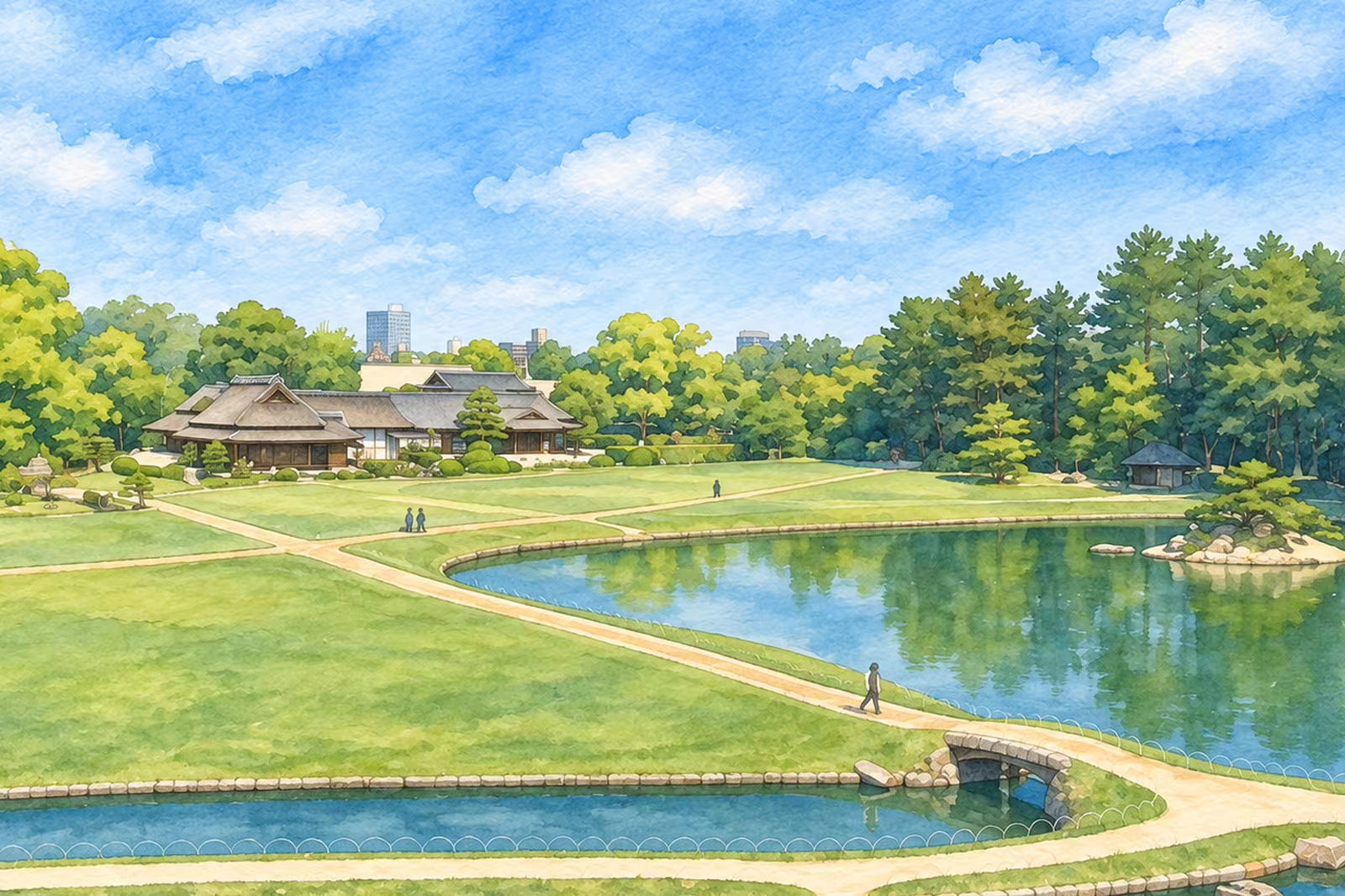
In 1895 Itō Hirobumi signed the peace treaty ending the Sino-Japanese War at Shunpūrō in Shimonoseki. On 6 August 1945 an atomic bomb nearly destroyed Hiroshima. Matsuyama was the hometown of the poet Masaoka Shiki. Besides Miyajima and Hagi, sights include Kōchi Castle, whose main compound survives intact, Matsuyama Castle with its late Edo keep, Matsue Castle, and Okayama Kōrakuen Garden.
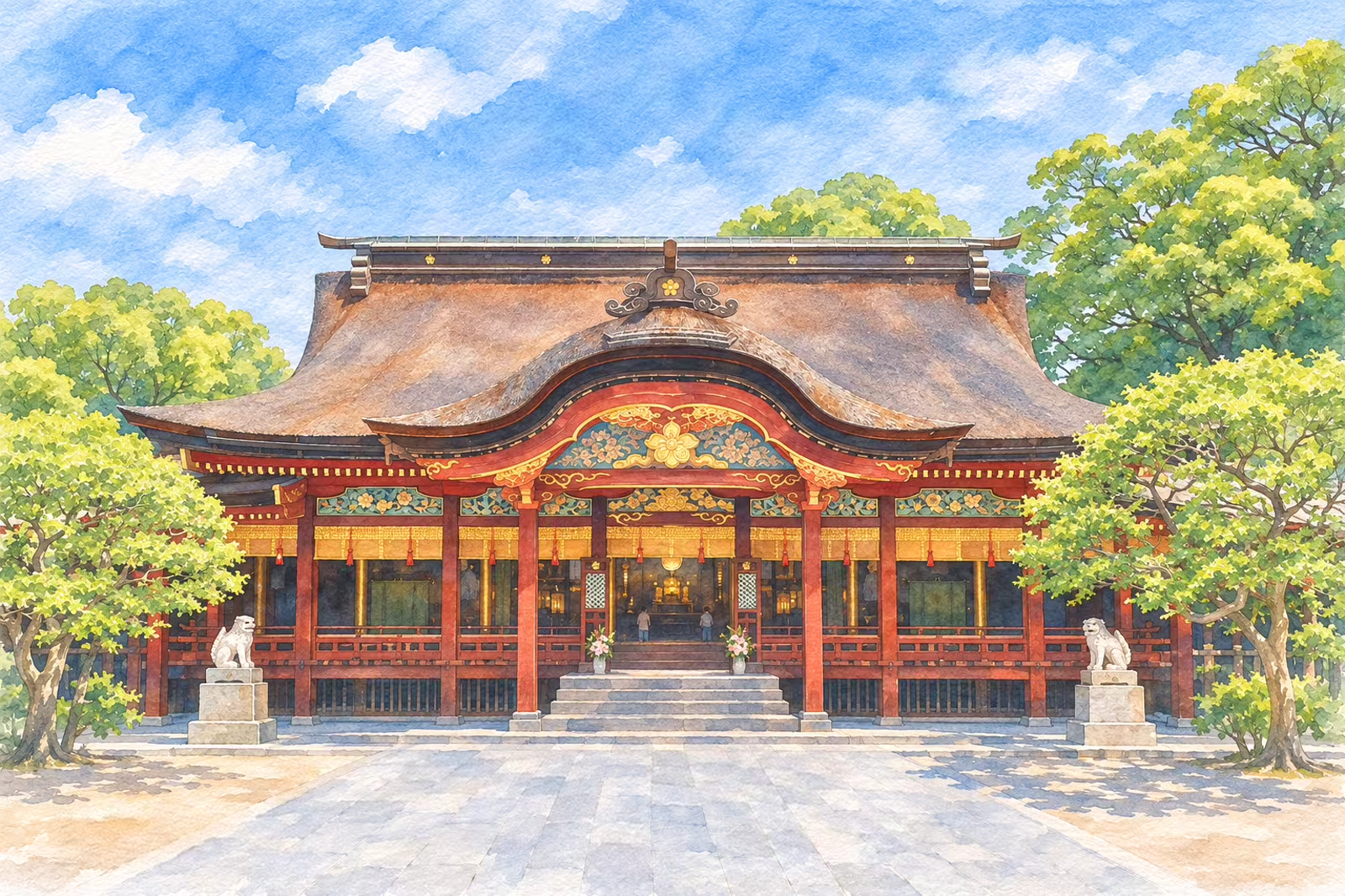
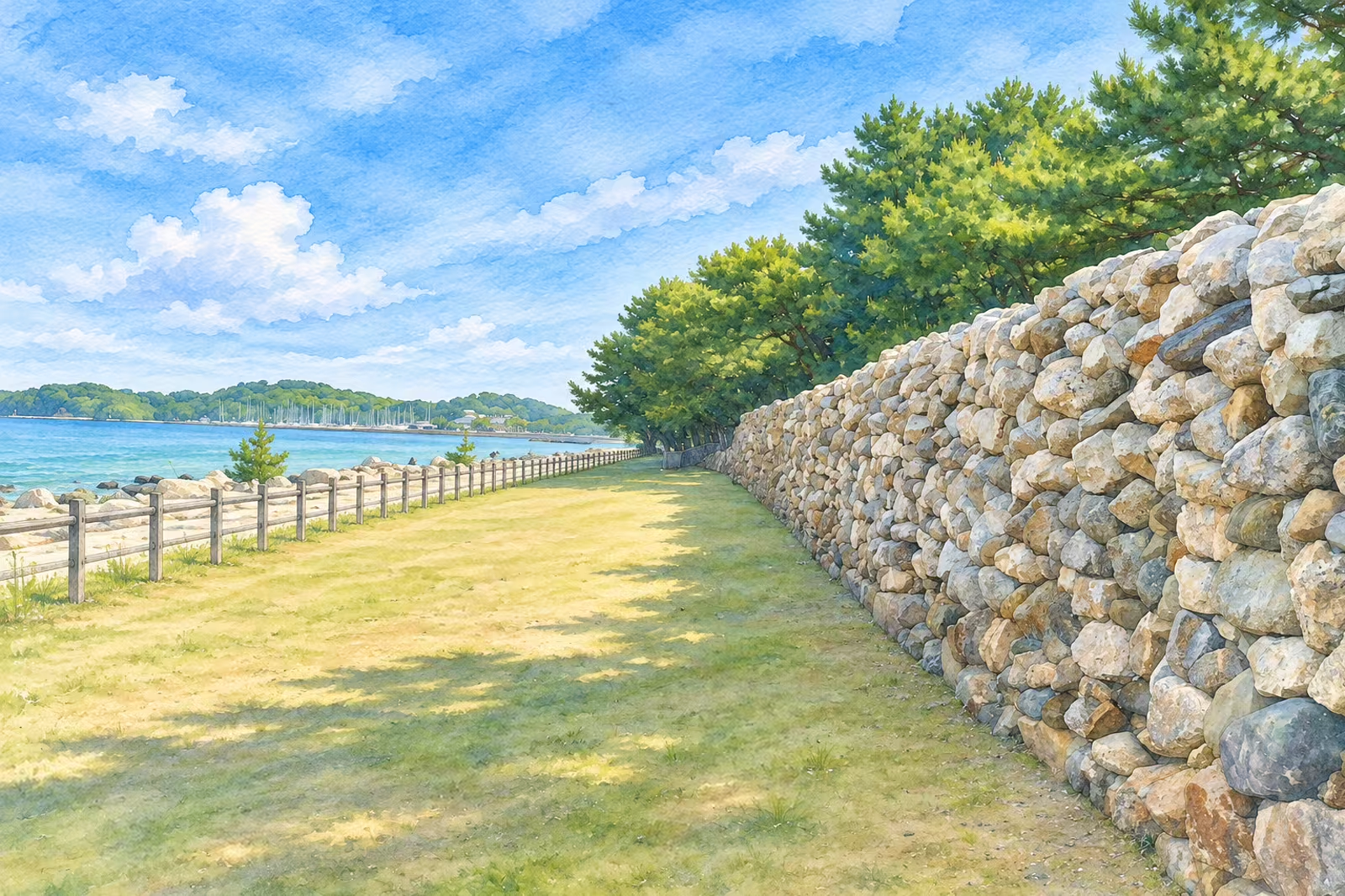
Kyūshū faces Korea and the Chinese mainland, and for centuries it was Japan's front door. The ancient state ran the island's provinces, diplomacy and coastal defense from its headquarters at Dazaifu. The minister Sugawara no Michizane was sent there in 901 and died there in 903; students still pray for exam success at Dazaifu Tenmangū, the shrine that grew from his grave. After the first Mongol invasion in 1274, the Kamakura shogunate had a stone wall built along Hakata Bay; stretches of the Genkō Bōrui survive in Fukuoka.
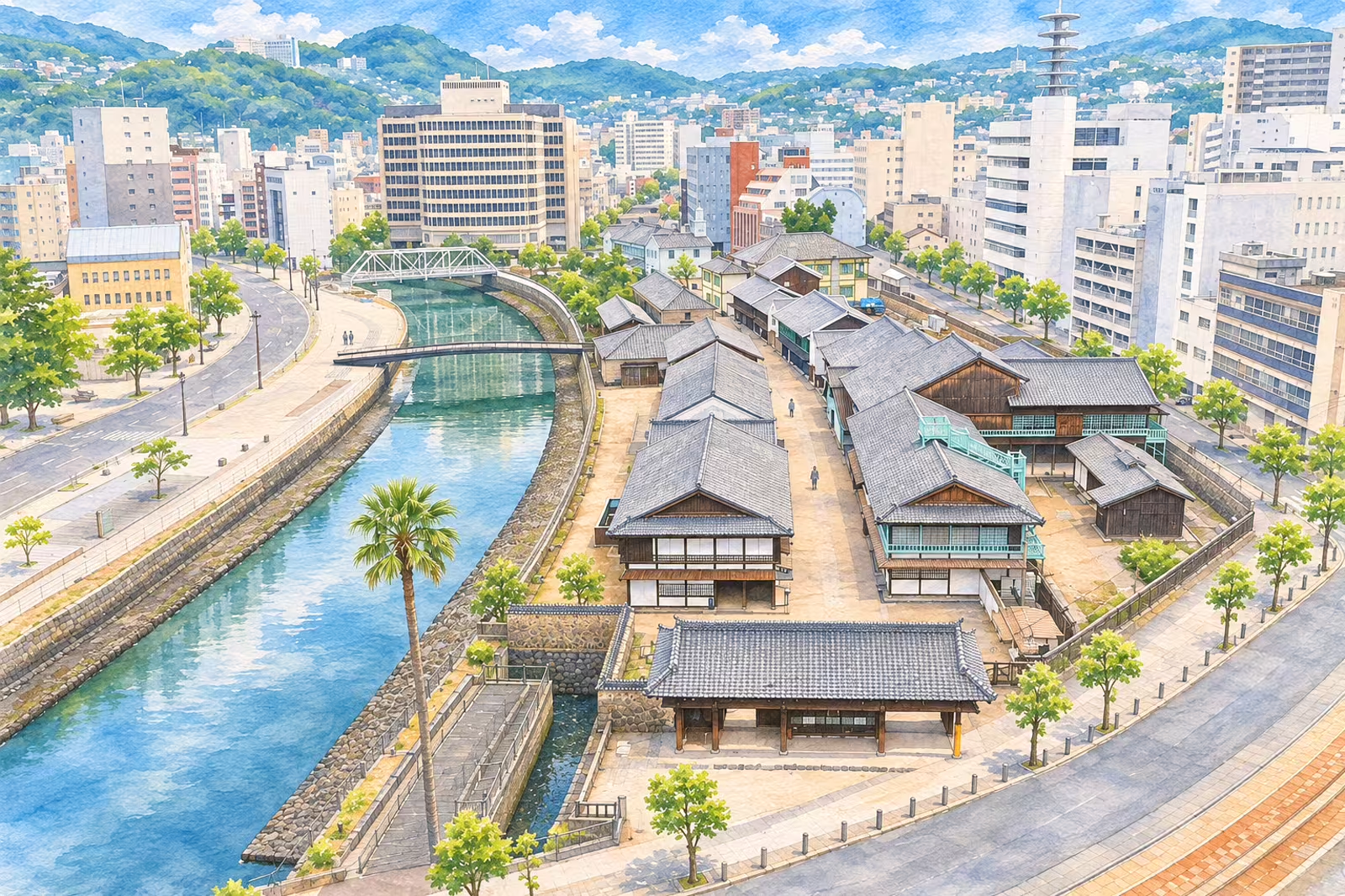
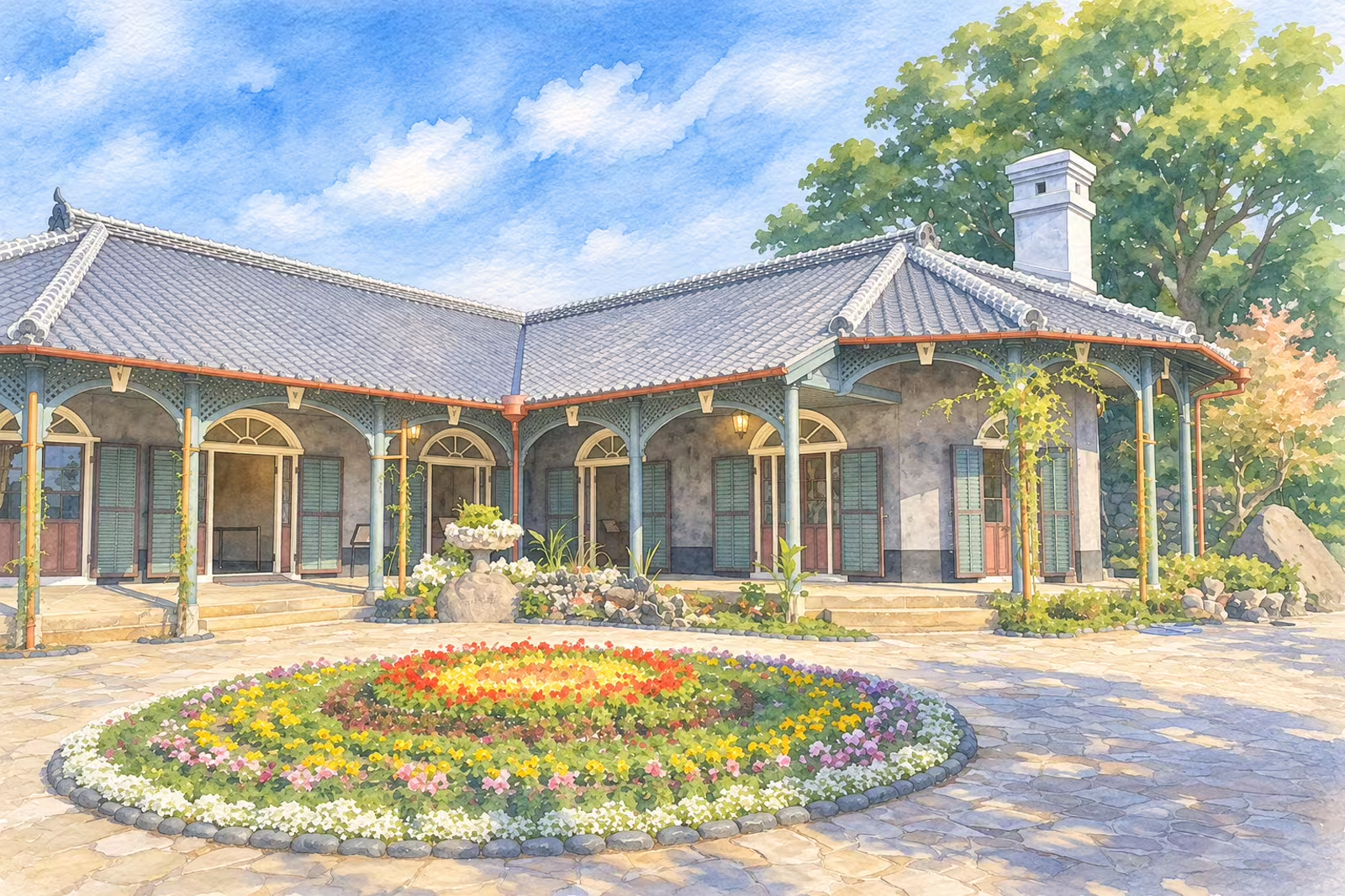
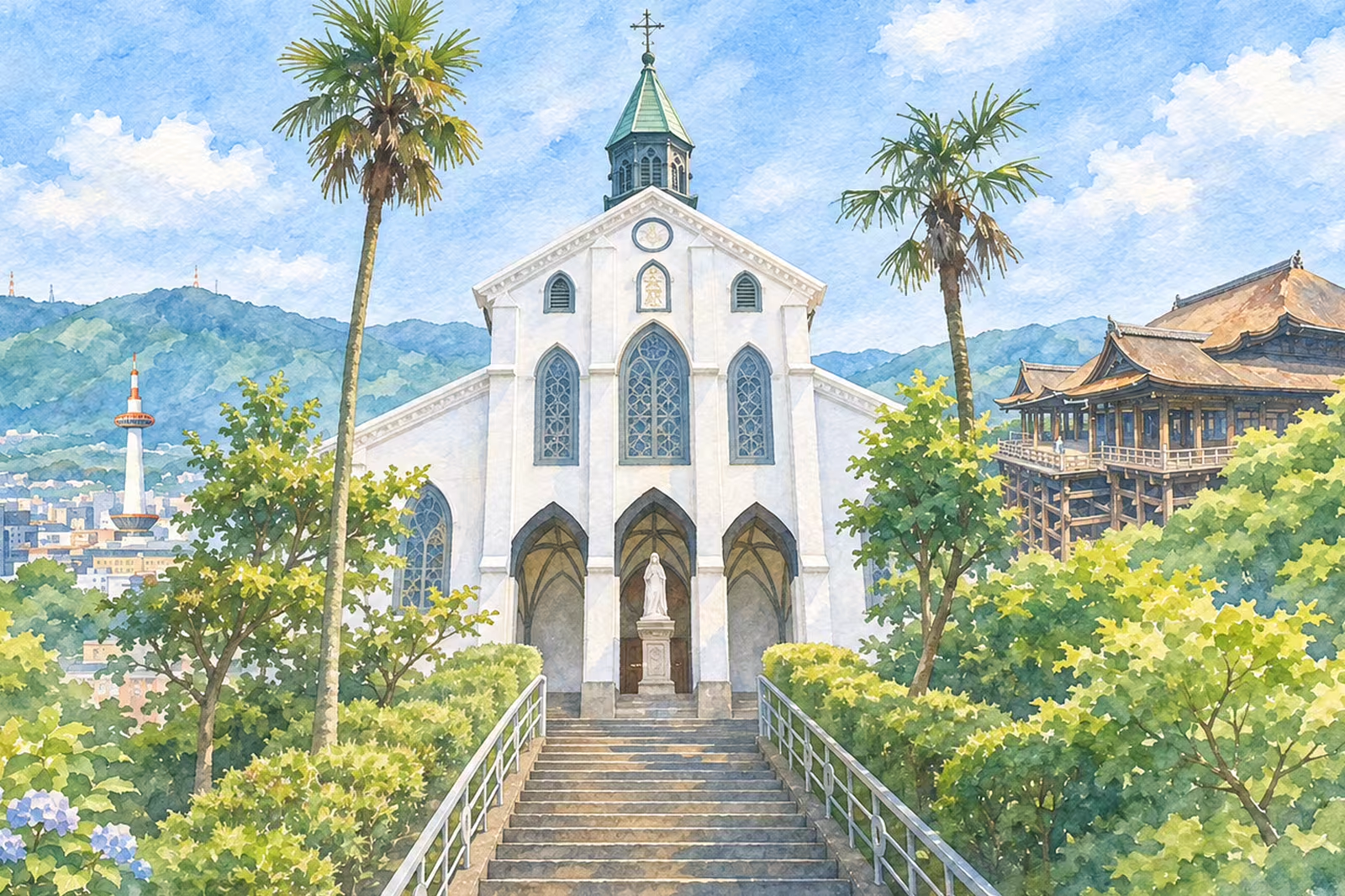
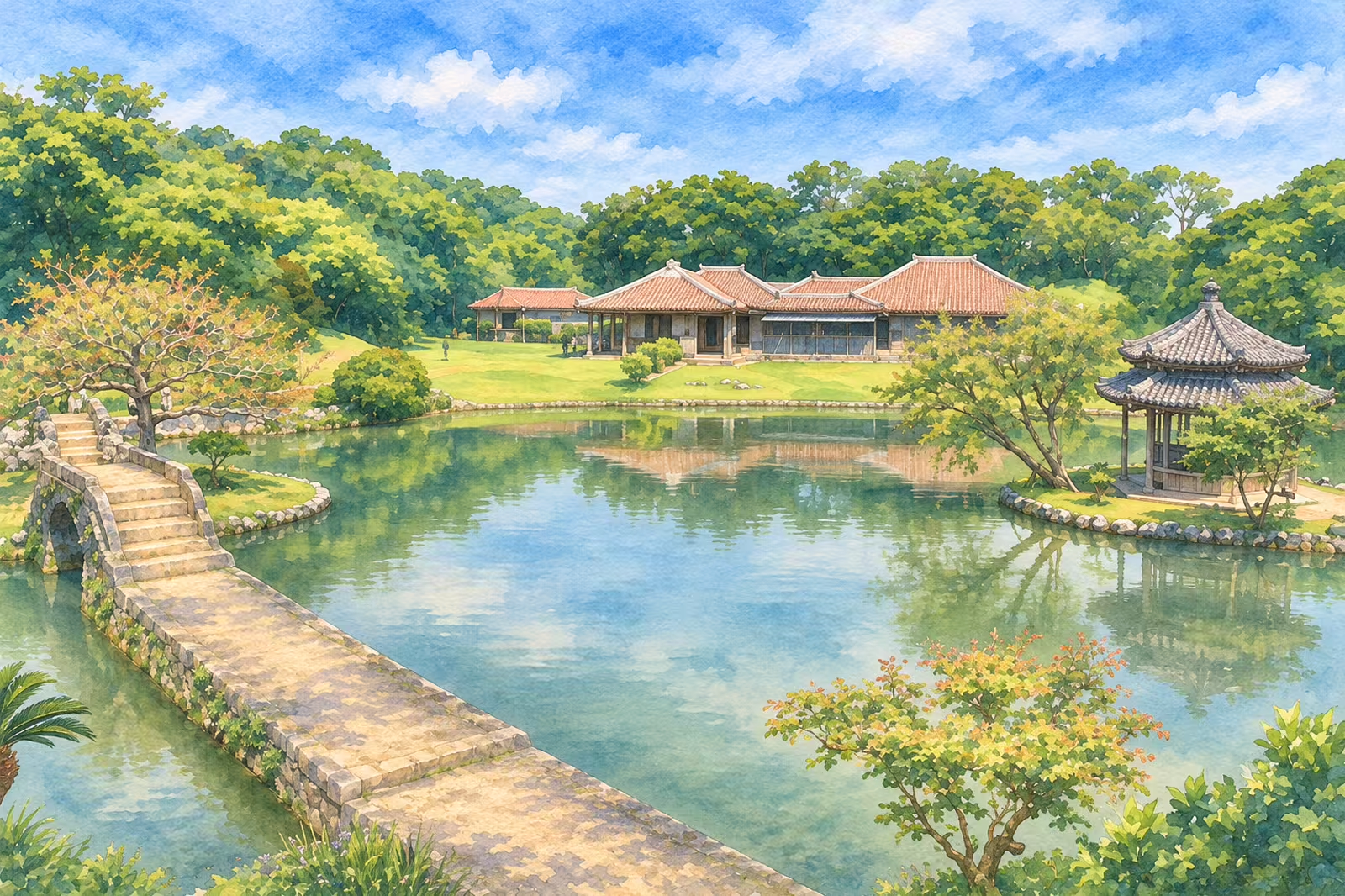
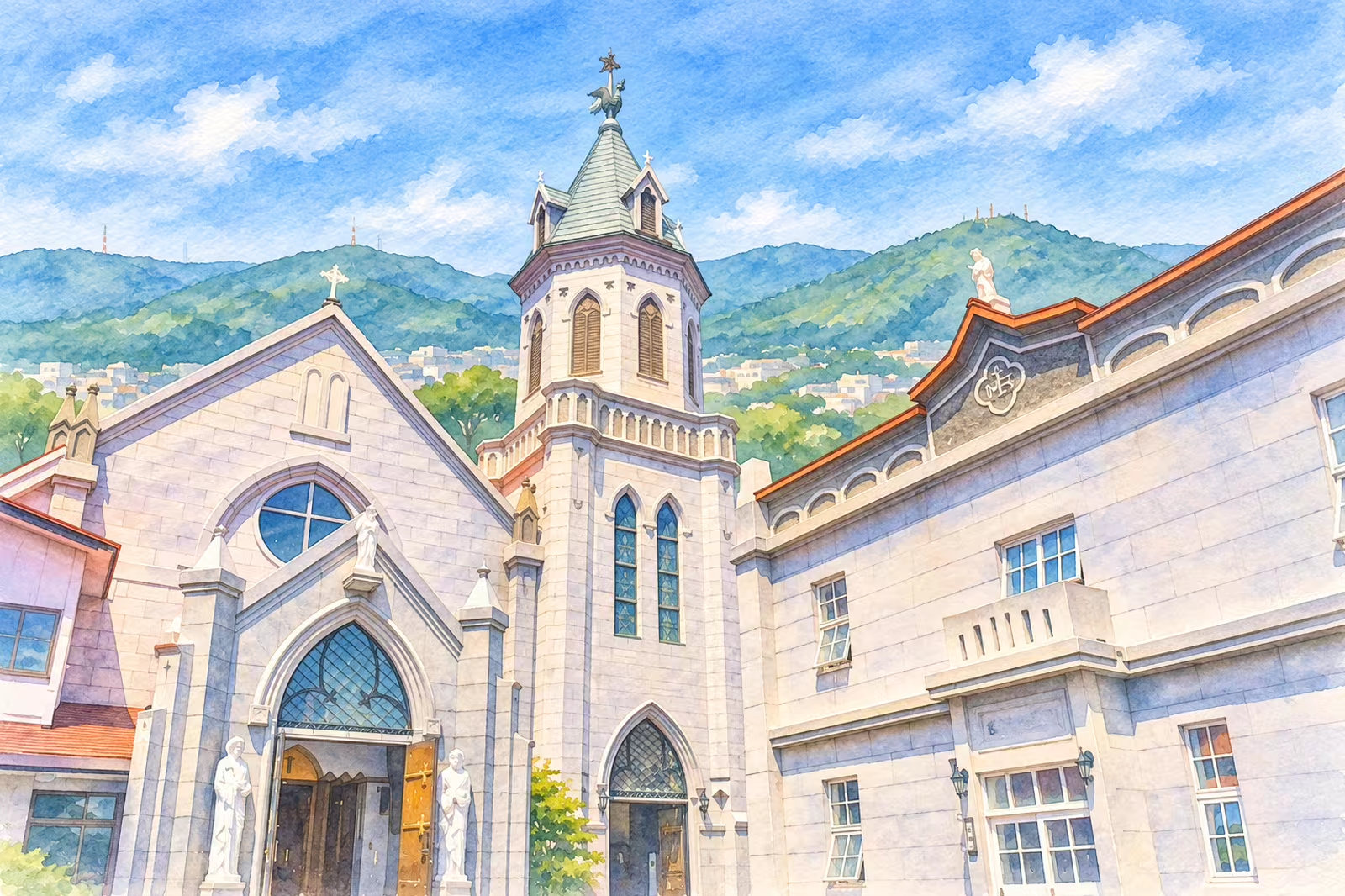
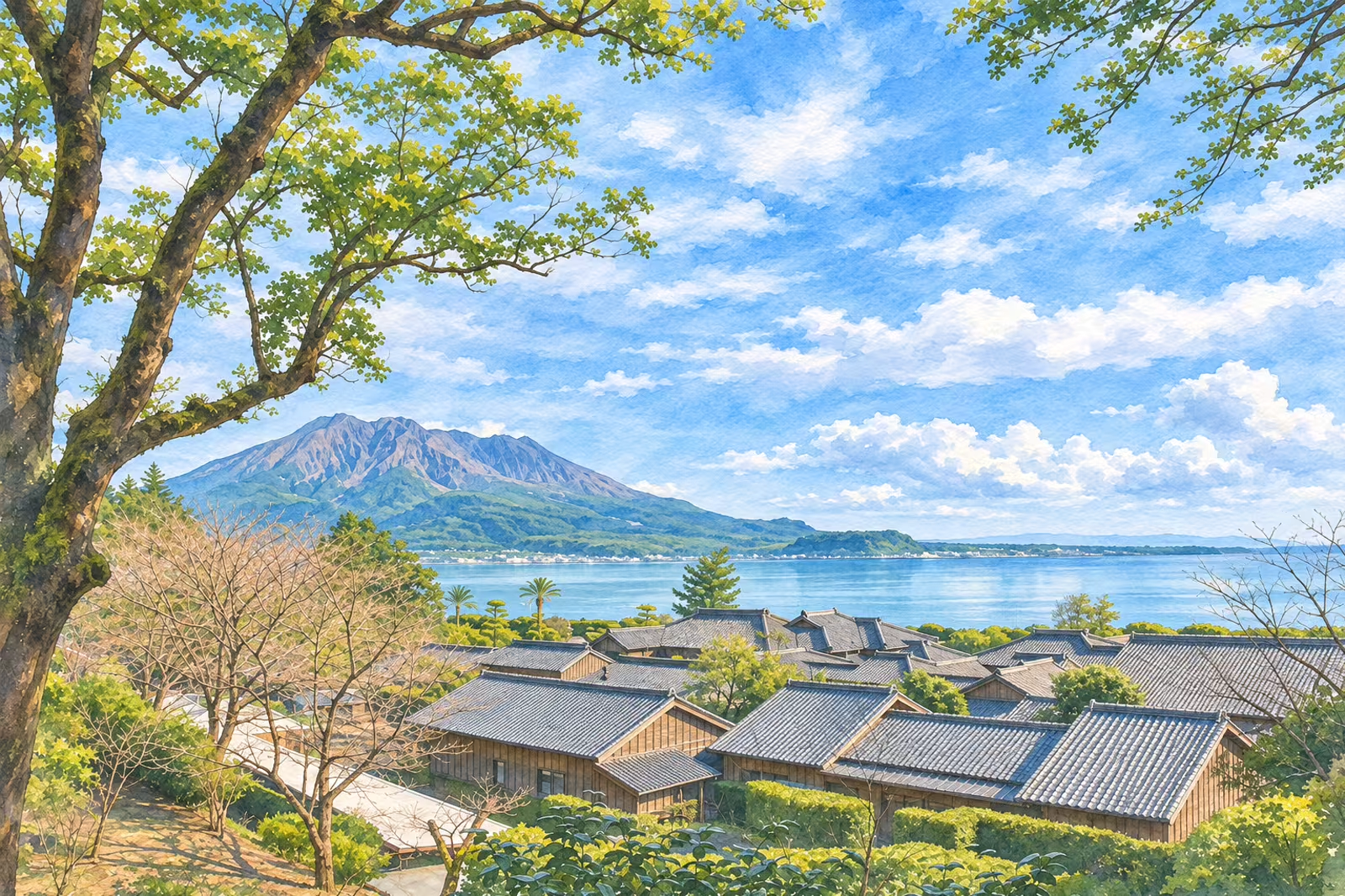
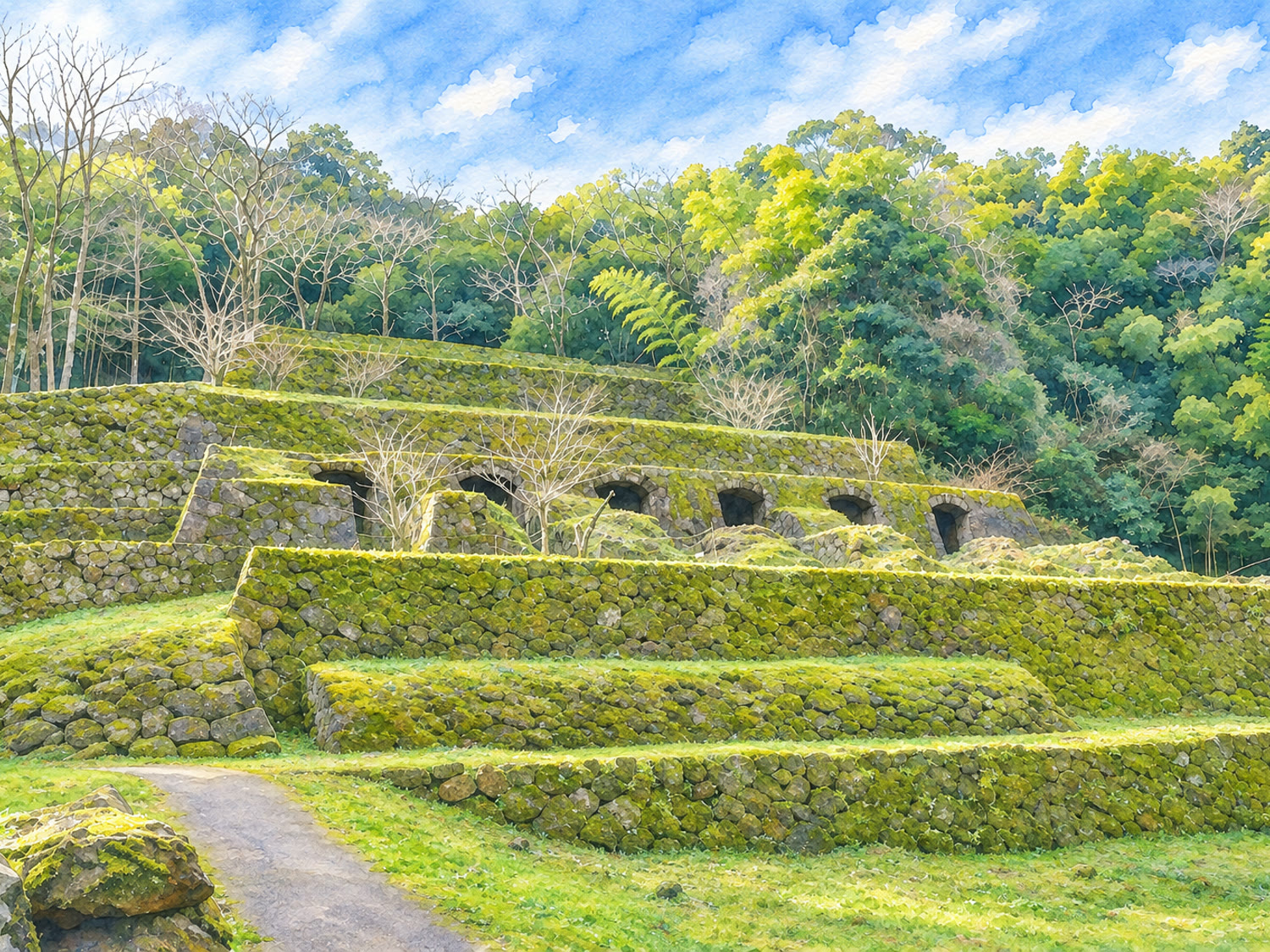
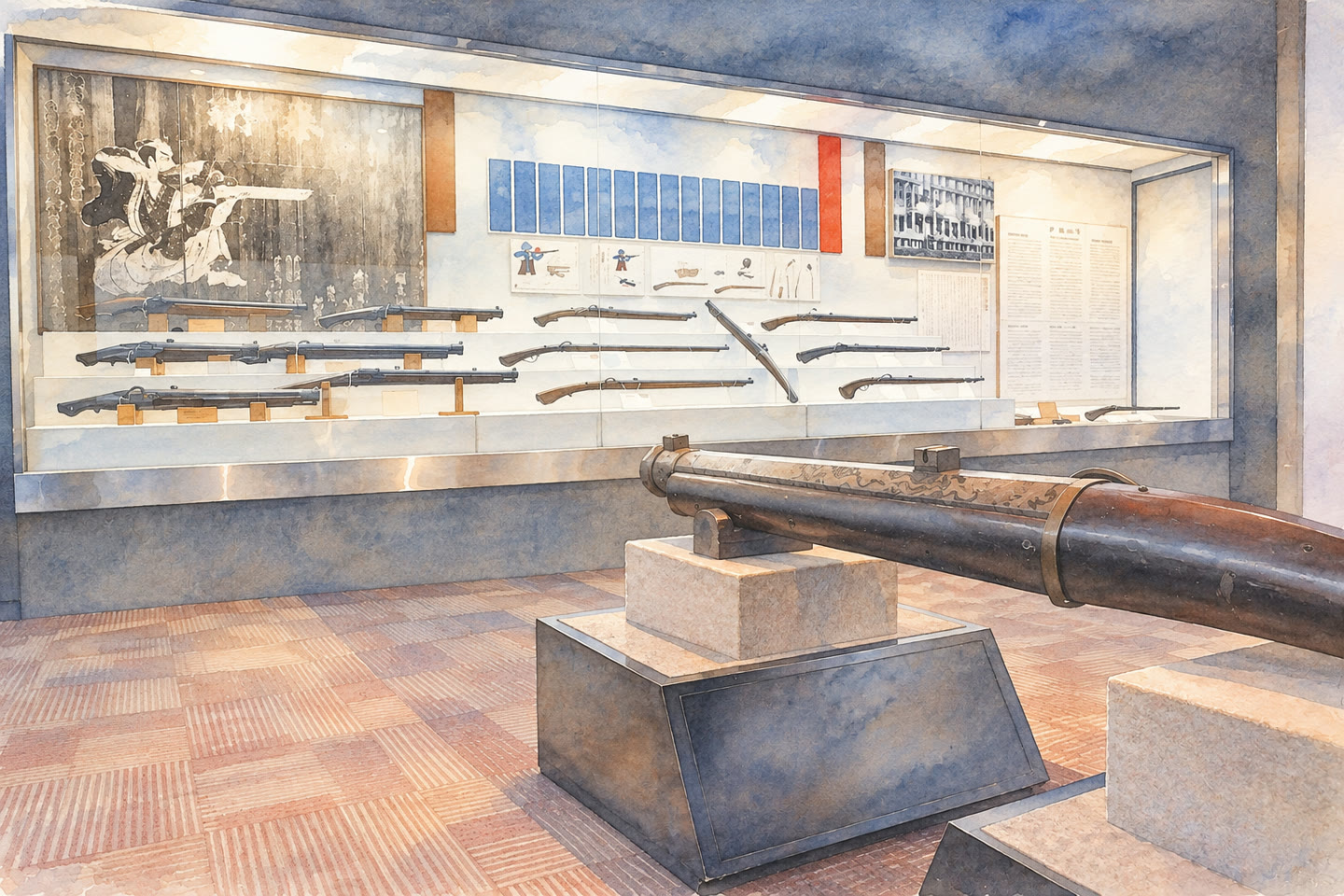
Nagasaki became the center of Japanese Christianity in the late sixteenth century. Under the Tokugawa ban the Shimabara–Amakusa Uprising of 1637 ended in the siege of Hara Castle, and in 1641 the Dutch trading post was moved onto the artificial island of Dejima, for two centuries Japan's main formal link to Europe. In the far south, Kagoshima was the castle town of the Shimazu, lords of Satsuma. In the 1850s Shimazu Nariakira built cannon and shipbuilding works beside the family villa at Sengan-en. In 1877 Saigō Takamori led former samurai against the new government; the war ended with his death on Shiroyama.
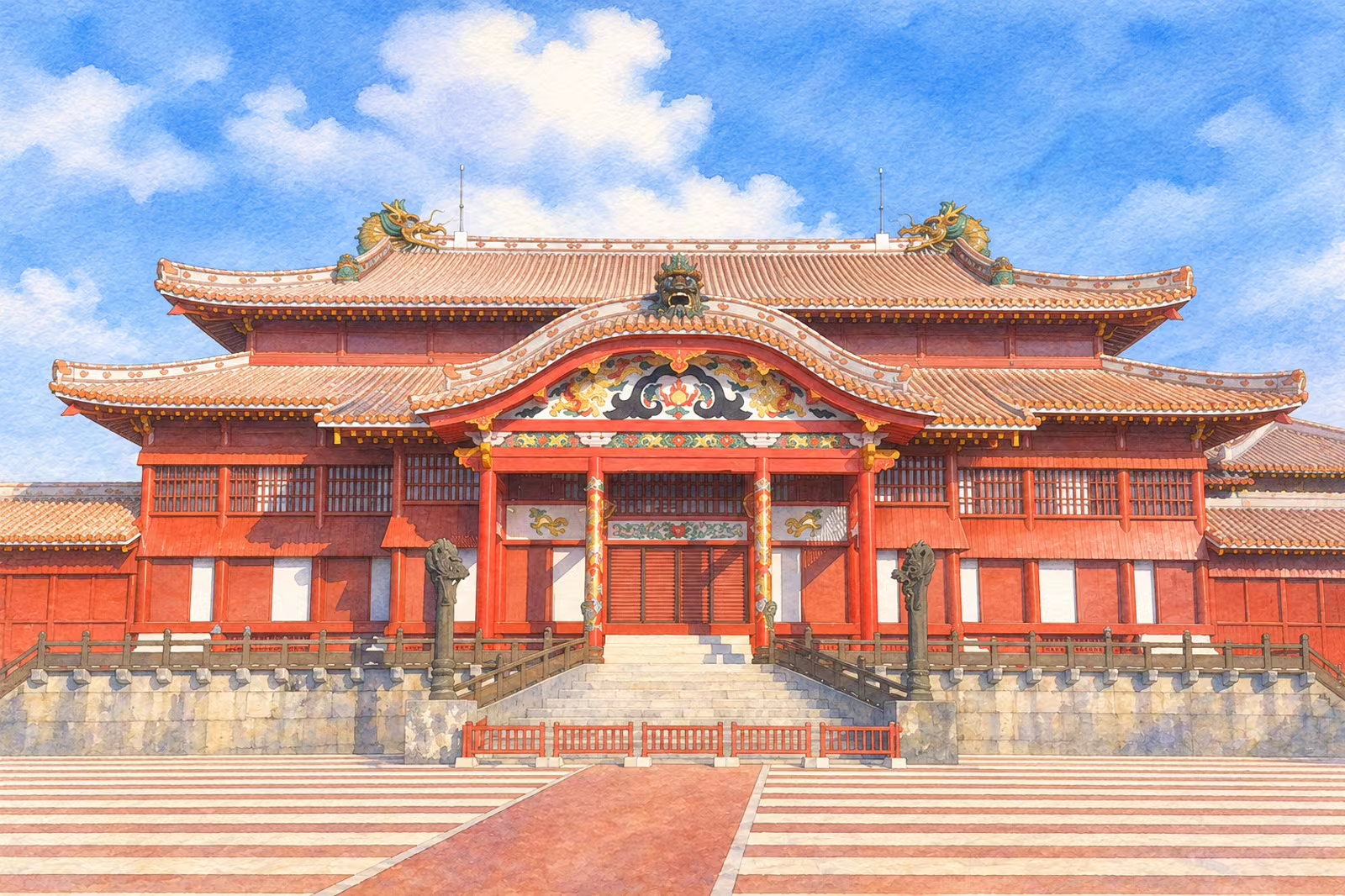
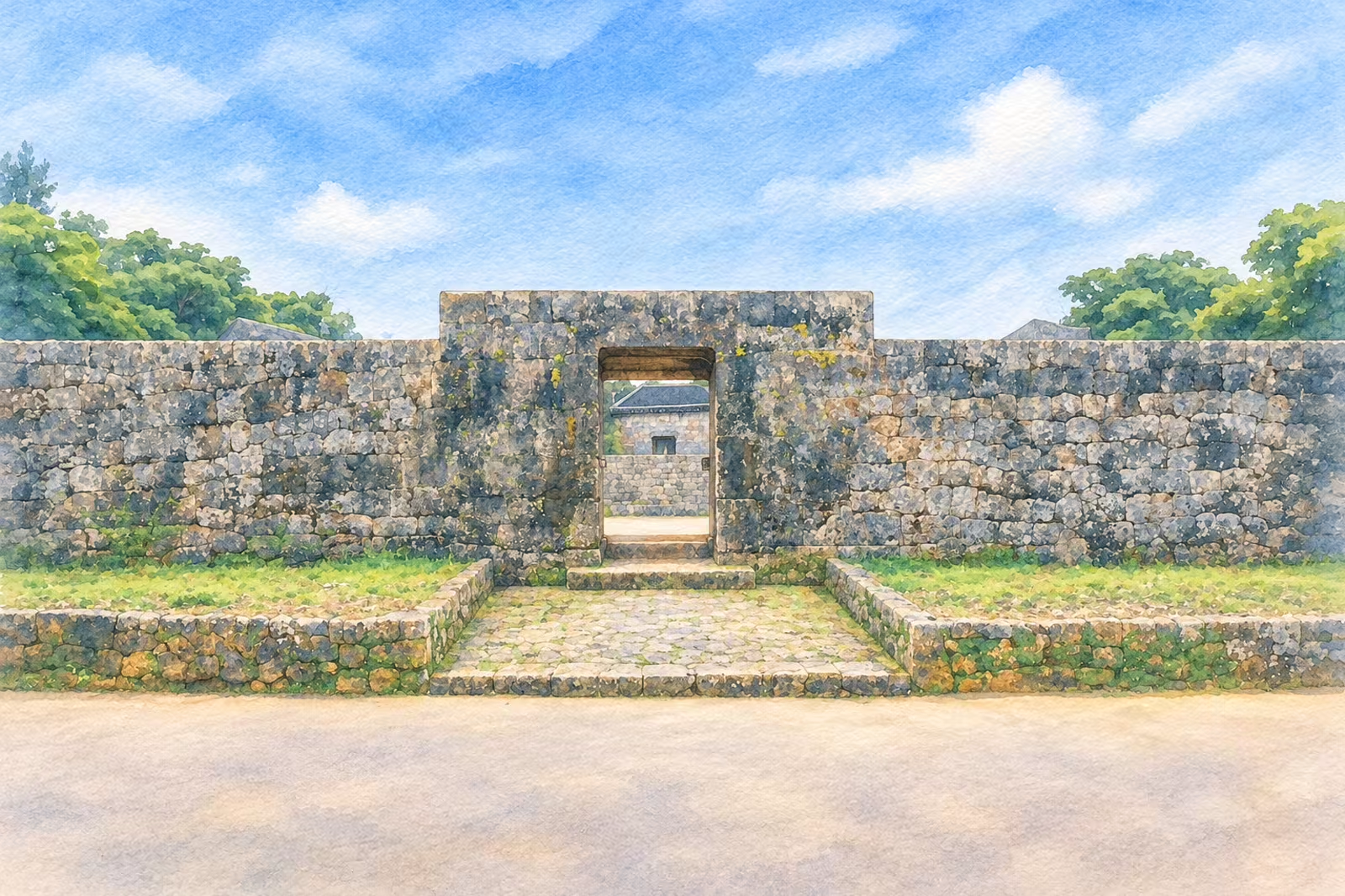
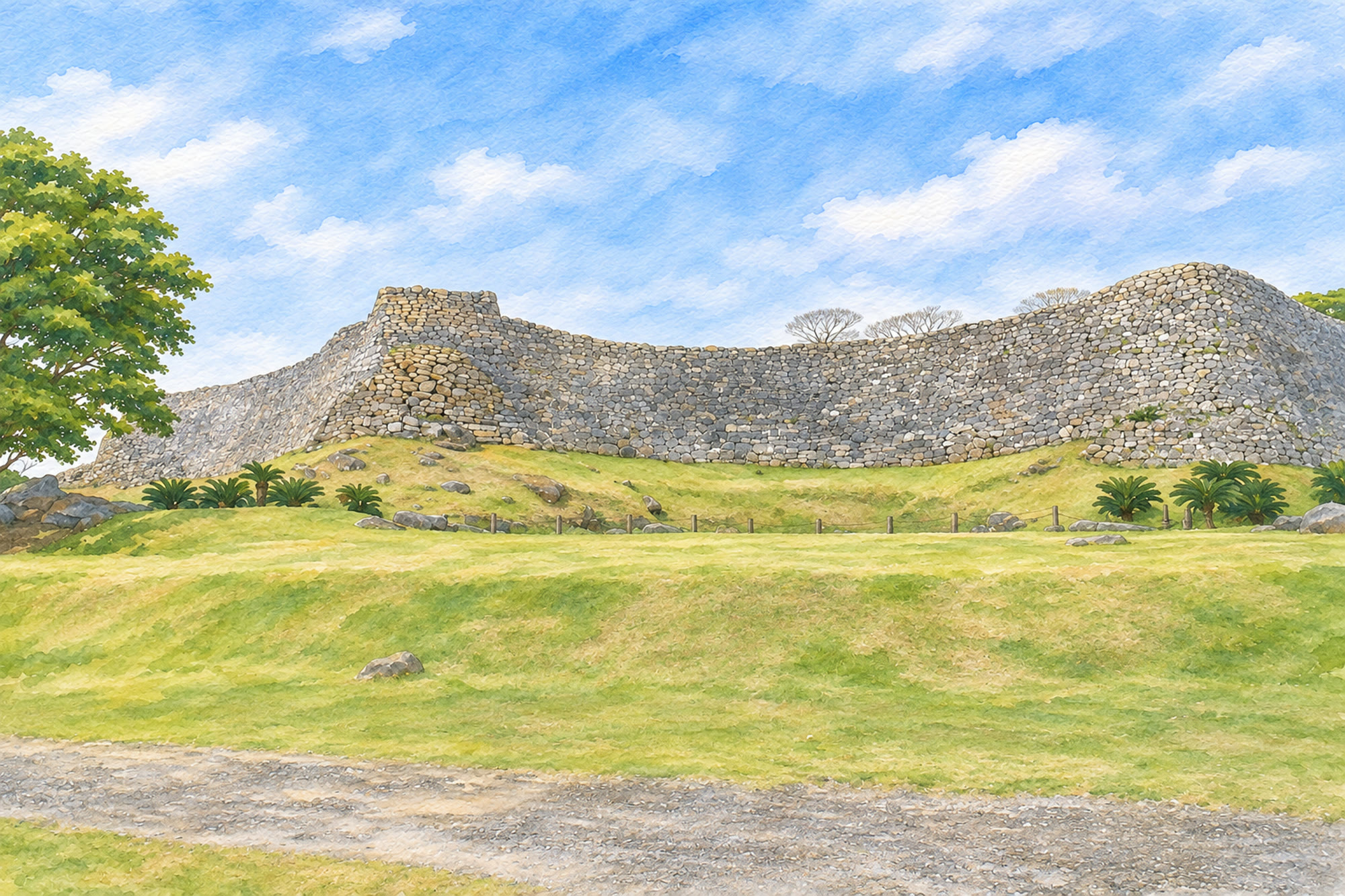
Shuri Castle was the royal seat of the Ryūkyū Kingdom, whose kings were invested by Chinese dynasties from the late fourteenth century. In 1609 Satsuma sent an expedition south; King Shō Nei surrendered Shuri, was taken to Kagoshima, and returned in 1611 after swearing an oath to the Shimazu. The kingdom kept its king and its tribute missions to China while Satsuma controlled its trade and finances. Japanese scholars often call this dual subordination; historians disagree about how much autonomy the royal government kept. In 1879 the Meiji government sent officials, police and soldiers into Shuri and, over the royal government's objection, replaced the kingdom with Okinawa Prefecture. Meiji officials called this the Ryūkyū Disposition; Chinese works usually call it Japan's annexation of Ryūkyū, and Okinawan scholars remain divided.