
103 cities · 199 sites
Kansai is where the early Japanese state took shape, and the easiest way into it is to follow the capital as it moved. At Ikaruga, Hōryū-ji, traditionally founded by Prince Shōtoku and Empress Suiko, keeps a main hall and five-story pagoda generally regarded as the oldest surviving wooden buildings in the world. In 710 Empress Genmei moved the court to Heijō-kyō in Nara. Emperor Shōmu built Tōdai-ji, whose Great Buddha was consecrated in 752. When the court left in 784 the palace grounds turned to farmland, but the great temples stayed, and Kōfuku-ji long held effective power over Yamato Province.
In 794 Emperor Kanmu moved the capital to Heian-kyō, and Kyoto remained the emperor's city for more than a thousand years, until the early Meiji move to Tokyo. The hall of Byōdō-in at Uji, finished in 1053, gives Fujiwara regency piety a visible form; Kinkaku-ji survives from Ashikaga Yoshimitsu's Kitayama villa. The Ōnin War of 1467–1477 turned northern Kyoto into fortified compounds and burned streets. Oda Nobunaga was killed at Honnō-ji in 1582; Tokugawa Ieyasu raised Nijō Castle, where a later shogun decided to return governing authority to the court. The Shinsengumi, Sakamoto Ryōma and the 1868 Battle of Toba-Fushimi made Kyoto the stage of the shogunate's final years.
Ōsaka, once Naniwa, was the gateway to the Inland Sea. Ishiyama Hongan-ji held out against Nobunaga there for about ten years before leaving in 1580; Toyotomi Hideyoshi built Ōsaka Castle on its site, and the Toyotomi house fell in the Ōsaka campaigns of 1614–1615. Under the Tokugawa it became "the nation's kitchen," and Dōtonbori staged Chikamatsu Monzaemon's puppet plays. Beyond the three cities, Himeji Castle keeps its early seventeenth-century white keeps and defenses intact, and in the Kii Mountains lie Kōyasan and Kumano: Kūkai's esoteric Buddhist center, founded in 816, and the shrines retired emperors visited again and again.
Imperial capital from 794 for over a thousand years, holding sites from Heian court to Bakumatsu.→
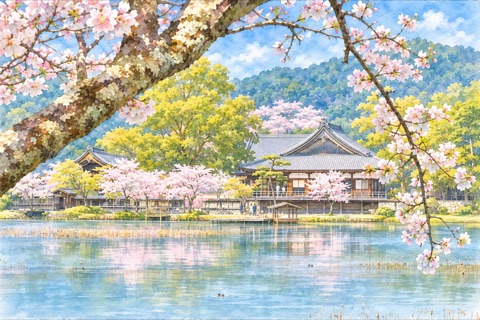 KyotoDaikaku-ji
A former imperial villa turned temple, which gave its name to the Daikakuji imperial line and witnessed the 1392 reunion of the courts.
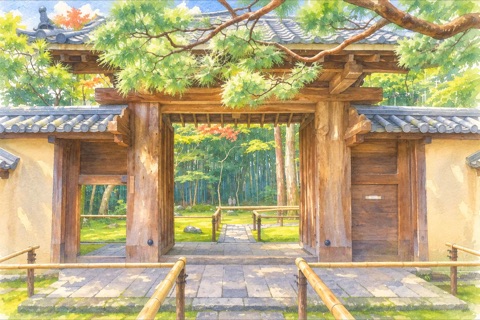 KyotoDaitoku-ji–Jukō-in
A major Rinzai Zen temple tied to Ikkyū and Rikyū; its subtemple Jukō-in holds Rikyū’s grave.
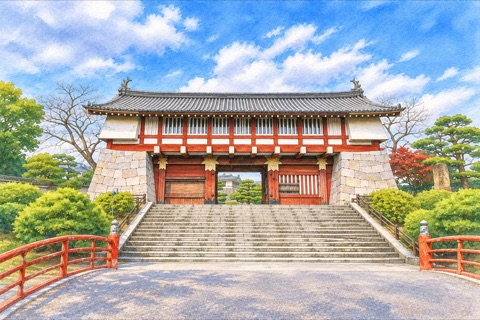 KyotoFushimi-Momoyama Castle Historic Area
Site of the castle where Hideyoshi died and Ieyasu became shogun, now an imperial mausoleum and archaeological zone.
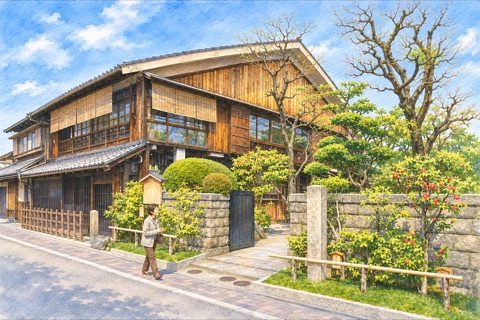 KyotoFushimi Teradaya
Fushimi river-port inn where Satsuma samurai clashed in 1862 and Sakamoto Ryōma escaped arrest in 1866.
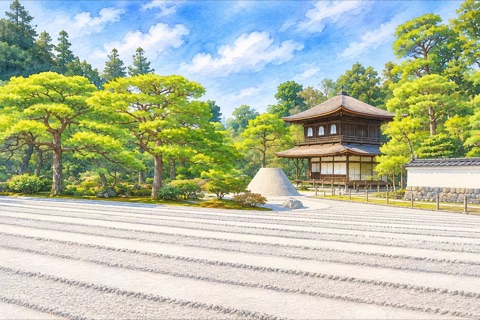 KyotoGinkaku-ji and the Higashiyama Villa
Zen temple converted from Ashikaga Yoshimasa’s hillside villa; its Kannon Hall and Tōgu-dō are National Treasures.
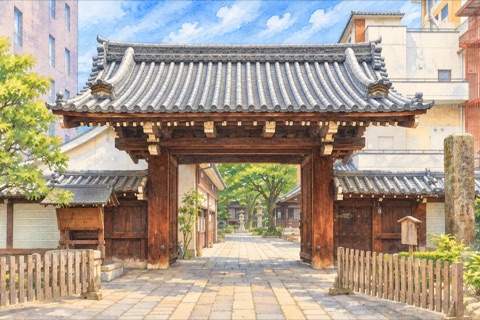 KyotoHonnō-ji: Original Site and Present Temple
Temple where Oda Nobunaga died in 1582; the attack site and the temple Hideyoshi relocated now stand apart.
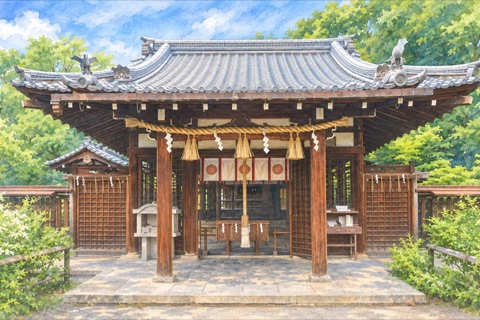 KyotoImakumano / Shin-Kumano Shrine
Kumano shrine founded in Kyoto by Go-Shirakawa, where Zeami’s 1374 performance won Ashikaga Yoshimitsu’s patronage.
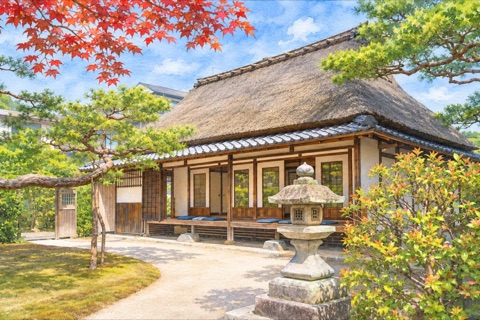 KyotoIwakura Tomomi’s Secluded Residence
Northern Kyoto house where the exiled noble Iwakura Tomomi lived in 1862–1867 and rebuilt ties leading to the Restoration.
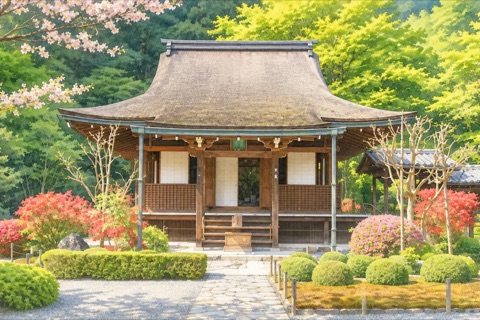 KyotoJakkō-in, Ōhara
Ōhara convent where Kenreimon’in lived out her life after the Taira fell, the setting for the close of The Tale of the Heike.
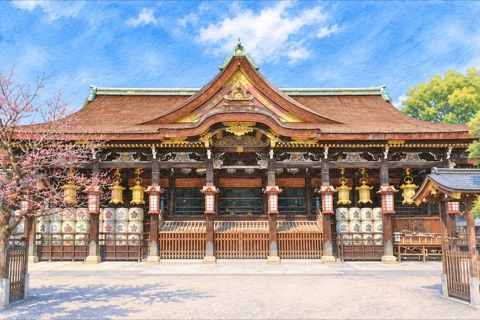 KyotoKitano Tenmangū
Kyoto shrine founded to appease Sugawara no Michizane’s spirit, now a center of worship for Tenjin, god of learning.
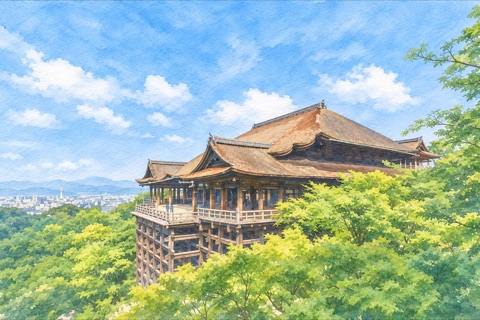 KyotoKiyomizu-dera
Kannon temple on the slopes of Mount Otowa, famous for its cliffside main hall and stage rebuilt in 1633.
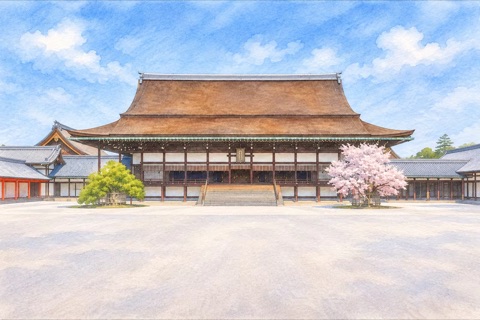 KyotoKyoto Imperial Palace
Emperors’ residence for five centuries until 1869; most halls date from 1855 and witnessed the court politics of the Bakumatsu years.
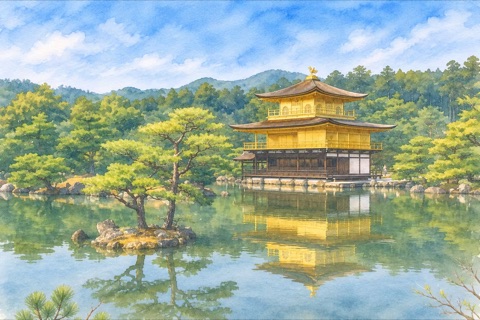 KyotoKinkaku-ji (Rokuon-ji)
Former villa of Ashikaga Yoshimitsu; its gold-leaf pavilion burned in 1950 arson and was rebuilt to the original design in 1955.
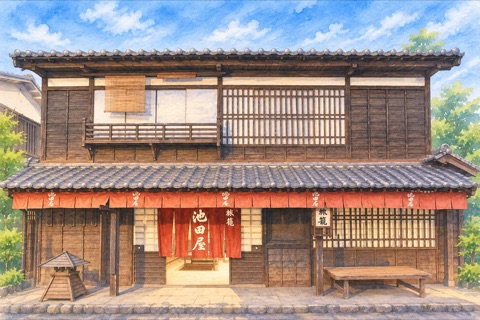 KyotoMibu–Ikedaya Bakumatsu Historic Area
Where the Shinsengumi formed and lodged in Mibu, and the inn site of their 1864 Ikedaya raid on loyalist activists.
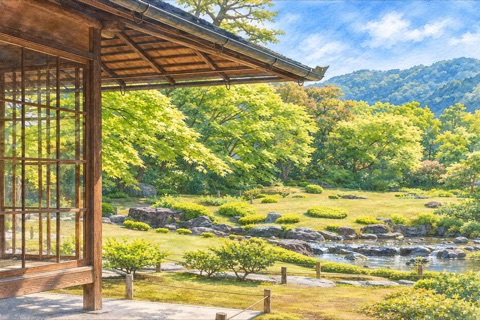 KyotoMurin-an
Yamagata Aritomo’s Meiji villa, with a canal-fed garden borrowing the Higashiyama hills and a room used for a 1903 Russia policy meeting.
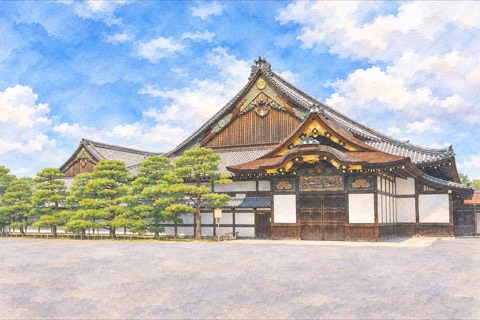 KyotoNijō Castle
The Tokugawa shoguns’ Kyoto residence, where the shogunate’s rule was celebrated in 1603 and surrendered in 1867.
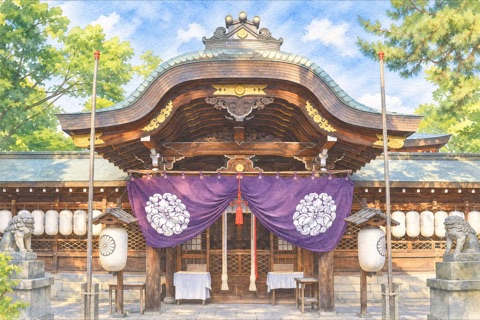 KyotoNishijin–Kamigoryō Ōnin War Historic Area
Northern Kyoto streets where the Ōnin War began and raged, now traced through shrines, temples, markers and the name Nishijin.
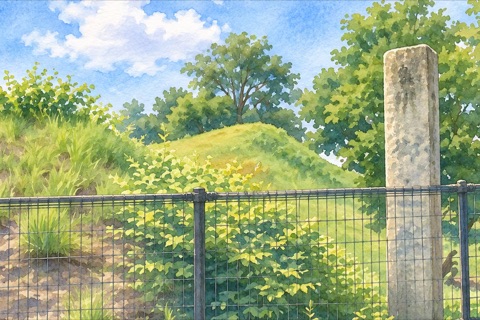 KyotoŌmiya Site
Former inn where Sakamoto Ryōma and Nakaoka Shintarō were assassinated in 1867; only a stone marker remains.
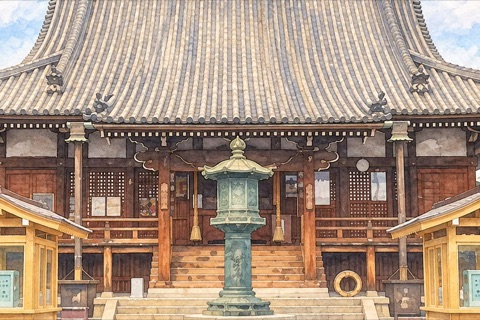 KyotoRokuharamitsu-ji–Rokuhara Tandai Historic Area
Temple founded by Kūya in 951, on ground once home to the Taira residences and the Kamakura shogunate’s Kyoto office.
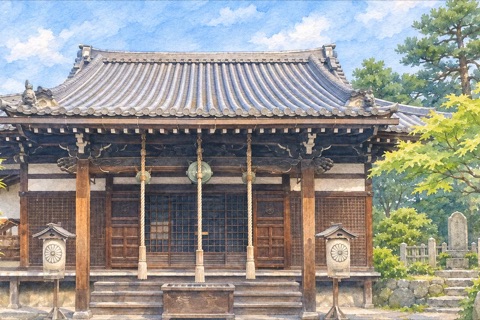 KyotoRozan-ji and the Murasaki Shikibu Grave Area
Temple on the likely site of Murasaki Shikibu’s family home, with her traditional grave a few kilometers away.
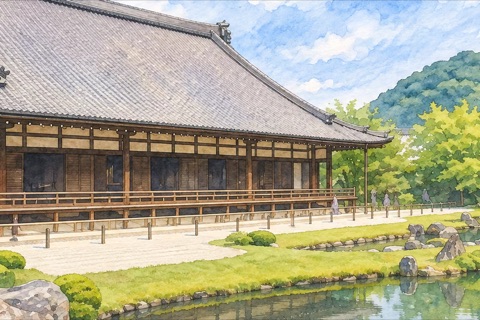 KyotoRyōan-ji
A Rinzai Zen temple founded by Hosokawa Katsumoto, famous for its dry garden of fifteen stones in white gravel.
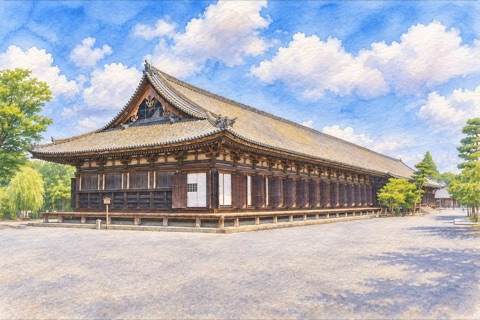 KyotoSanjūsangen-dō–Hōjūji-dono Historic Area
A long hall built by Taira no Kiyomori for Go-Shirakawa, housing 1,001 Kannon statues; the surrounding palace is lost.
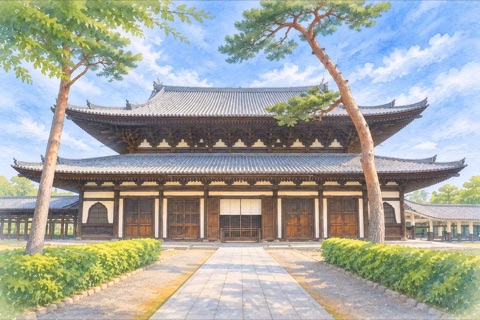 KyotoShōkoku-ji
A Five Mountains Zen temple founded by Ashikaga Yoshimitsu beside the imperial palace, once the shogunate’s center for administering Zen.
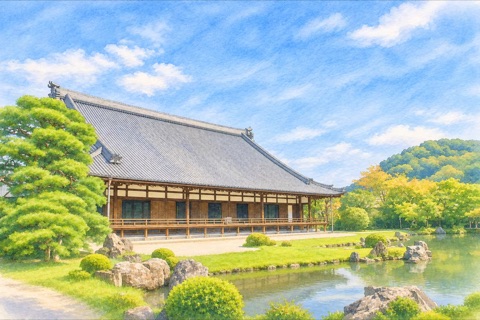 KyotoTenryū-ji
Zen temple founded by Ashikaga Takauji for Emperor Go-Daigo, first of Kyoto’s Five Mountains, known for its Sōgenchi garden.
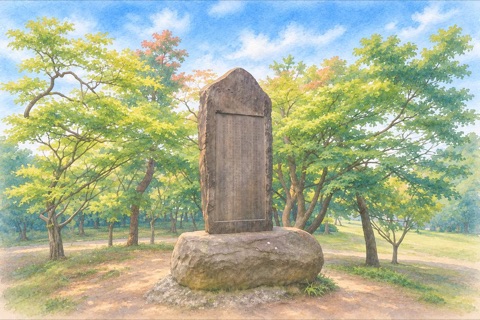 KyotoToba-Fushimi Battlefield
Scattered sites of the opening battle of the Boshin War in 1868, along the Toba Road, Fushimi and Yodo south of Kyoto.
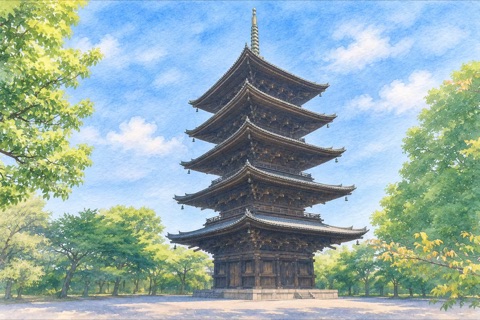 KyotoTō-ji
Official temple of early Heian-kyō, granted to Kūkai as a Shingon center, with Japan’s tallest wooden pagoda.
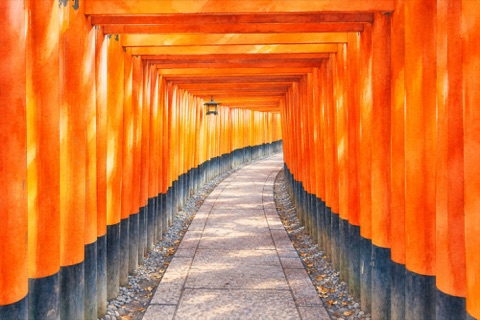 KyotoFushimi Inari Taisha
Head shrine of Japan’s Inari network, founded by tradition in 711; worshippers’ vermilion torii line the mountain behind its 1499 main hall.
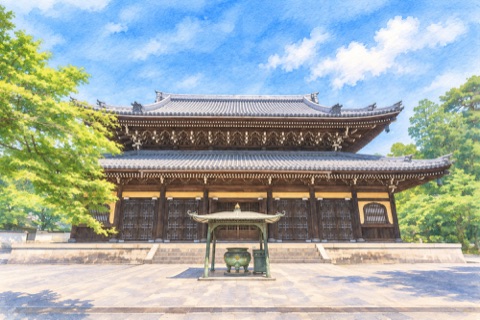 KyotoNanzen-ji
Zen temple built on Retired Emperor Kameyama’s villa and ranked above the Five Mountains, with its great gate, dry garden and brick aqueduct.
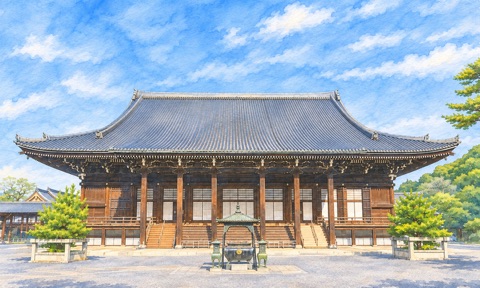 KyotoChion-in
Head temple of Jōdo Buddhism on the site of Hōnen’s last hermitage, with a vast gate and hall built by the Tokugawa shoguns.
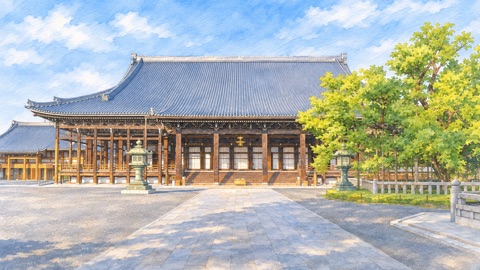 KyotoNishi Hongan-ji
Head temple of the Hongwanji-ha branch of Shin Buddhism, settled here in 1591 on land granted by Hideyoshi; home to several National Treasures.
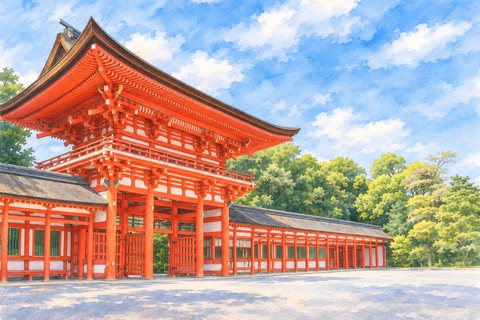 KyotoShimogamo Shrine
Ancient Kamo clan shrine at the meeting of two rivers, home of the Aoi Festival and the old forest of Tadasu no Mori.
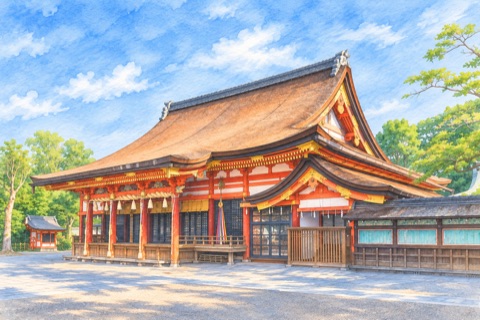 KyotoYasaka Shrine
The former Gion-sha, home of the Gion Festival, whose unusual Gion-zukuri main hall became a National Treasure in 2020.
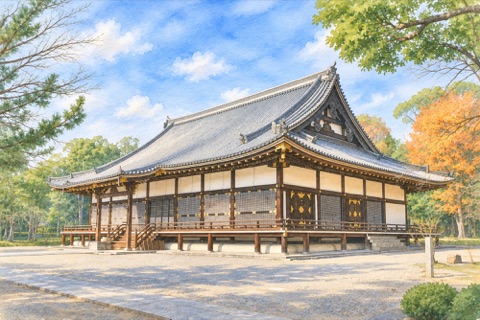 KyotoNinna-ji
Imperial temple completed by Emperor Uda in 888, long headed by princes; its Golden Hall is a relocated palace hall.
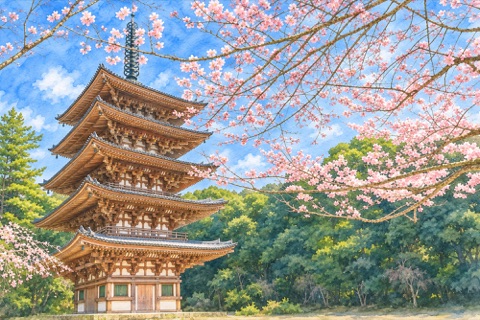 KyotoDaigo-ji
Shingon head temple spanning a mountain, with Kyoto’s oldest wooden building and the site of Hideyoshi’s 1598 blossom party.
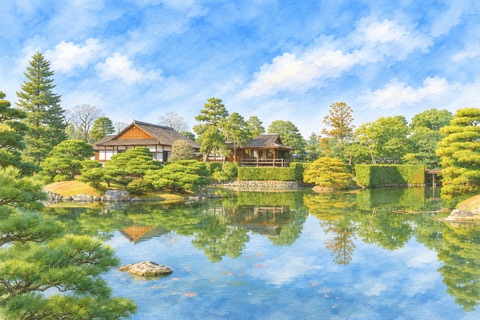 KyotoKatsura Imperial Villa
Seventeenth-century retreat of the Hachijō-no-miya princes, famed for its stepped shoin halls, teahouses and stroll garden.
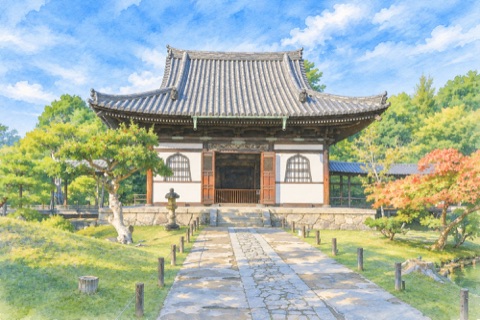 KyotoKōdai-ji
Temple founded by Nene for Toyotomi Hideyoshi with Tokugawa Ieyasu’s backing, famed for the gold lacquer of its mortuary hall.
Site of Heijō-kyō, capital from 710 to 784, with great temples such as Tōdai-ji still standing.→
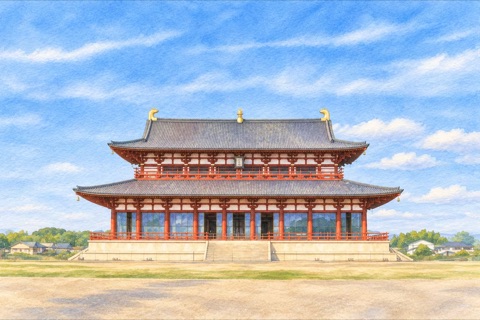 NaraHeijō Palace Site
Site of the Nara-period imperial palace, with well-preserved buried remains and modern reconstructions of the Suzaku Gate and Daigokuden.
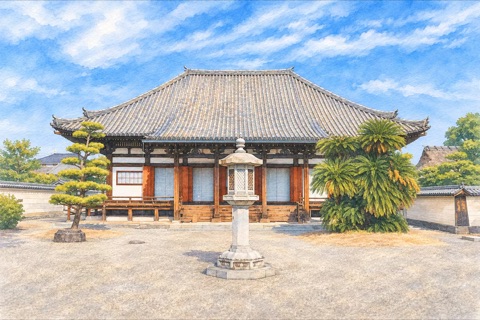 NaraHokke-ji
Head nunnery founded by Empress Kōmyō, home to an early Heian National Treasure statue of the Eleven-Headed Kannon.
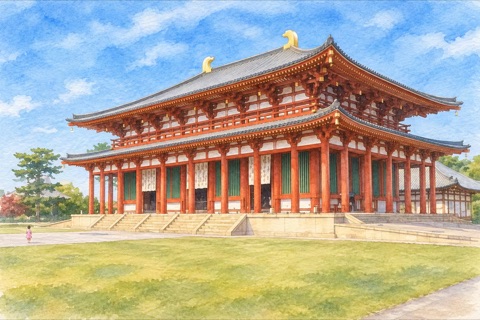 NaraKōfuku-ji
Fujiwara clan temple and Hossō head temple, known for its five-storied pagoda, Eastern Golden Hall and Ashura statue.
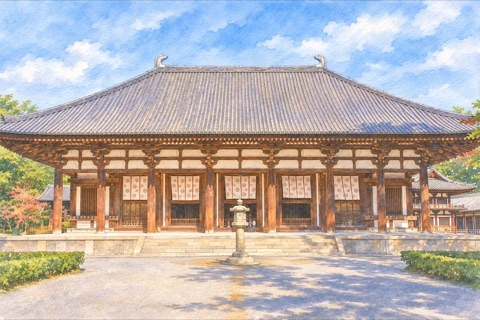 NaraTōshōdai-ji
Head temple of the Ritsu school founded by Ganjin, with a Nara-period Golden Hall and a Lecture Hall moved from the Heijō Palace.
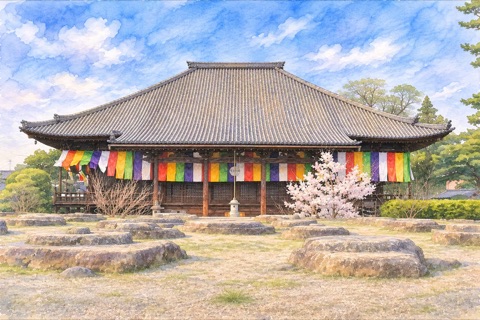 NaraSaidai-ji
Imperial temple founded by Empress Shōtoku in the 760s and revived by the monk Eison as a center of Buddhist precept revival.
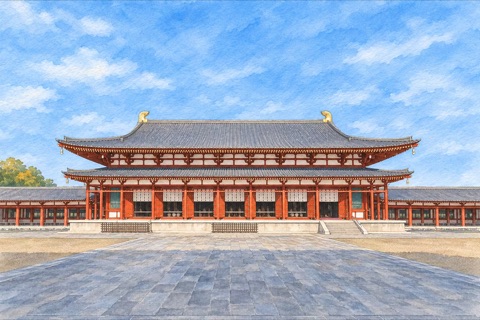 NaraYakushi-ji
Temple vowed by Emperor Tenmu in 680, where an 8th-century pagoda stands beside halls rebuilt since the 1970s.
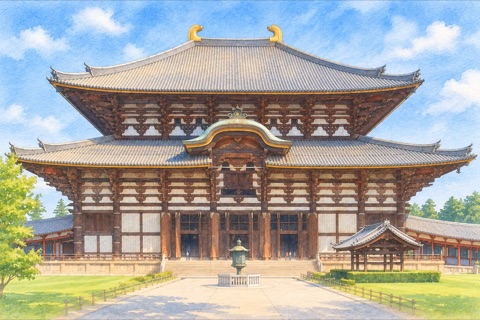 NaraTōdai-ji
Great Nara temple founded by Emperor Shōmu, home of the Great Buddha, twice burned and twice rebuilt.
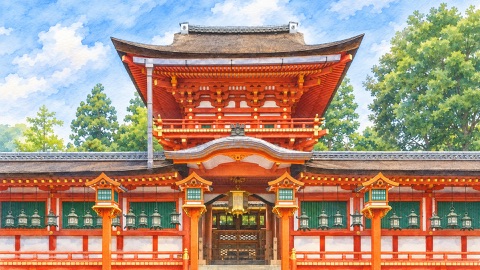 NaraKasuga Taisha
Clan shrine of the Fujiwara, founded in 768 below sacred Mt. Mikasa, known for its vermilion halls, 3,000 lanterns and sacred deer.
Kiyomori’s ancient port, medieval battlefield coast, and treaty port from 1868→
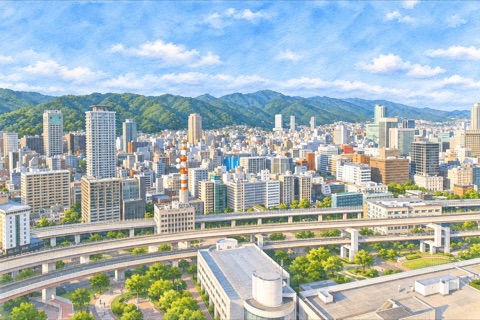 KōbeOwada-no-tomari and Kōbe Port
A thousand-year-old Inland Sea harbor, developed by Taira no Kiyomori for Song trade and reborn as Kobe’s treaty port in 1868.
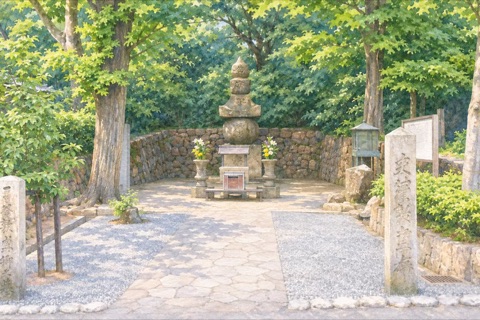 KōbeIchi-no-Tani Battlefield
Site of the 1184 Genpei War battle remembered for Yoshitsune’s surprise descent and the death of young Taira no Atsumori.
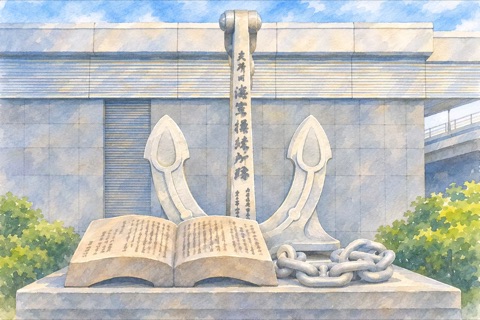 KōbeKōbe Naval Training Center Site
Former site of the shogunate’s short-lived naval school run by Katsu Kaishū, where Sakamoto Ryōma studied seamanship.
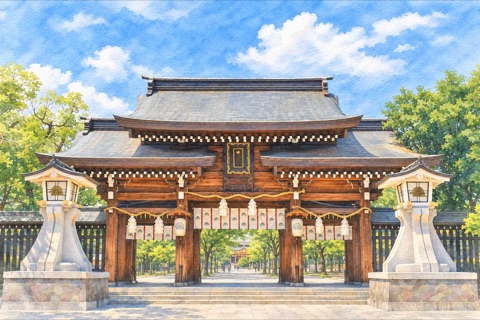 KōbeMinatogawa Shrine–Minatogawa Battlefield
Meiji-era shrine to Kusunoki Masashige, built over his grave and the site where he died in the 1336 battle.
Ōsaka: ancient Naniwa, Hideyoshi’s castle city, and Edo Japan’s merchant "kitchen."→
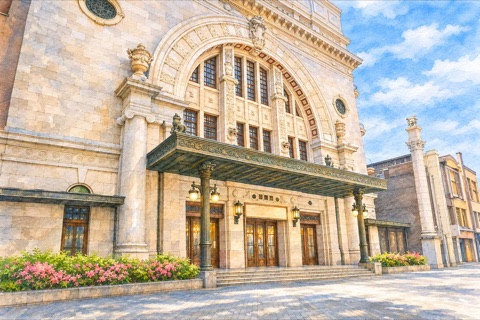 ŌsakaDōtonbori Theater History Area
Ōsaka’s theater street since the early Edo period, home of the Takemoto-za, the Five Theaters and the Shōchikuza.
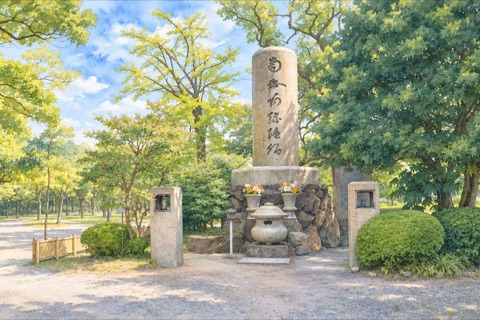 ŌsakaIshiyama Hongan-ji Site
Former head temple and fortified town of Jōdo Shinshū’s Hongan-ji, which held out against Oda Nobunaga for ten years
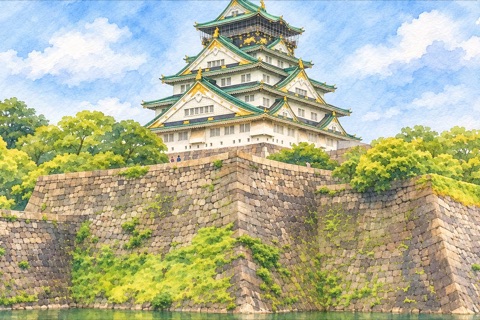 ŌsakaŌsaka Castle
Hideyoshi’s power base, with his buried castle beneath Tokugawa stone walls and a 1931 reconstructed keep
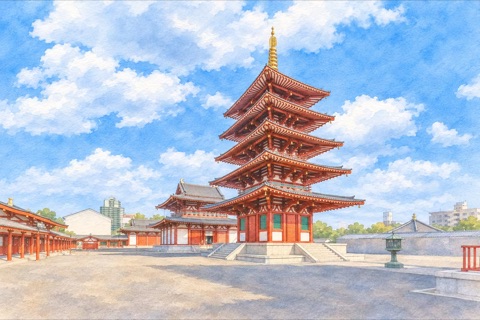 ŌsakaShitennō-ji
Temple traditionally founded by Prince Shōtoku, keeping its early north–south layout through many rebuildings
Seventh-century political heartland in Nara where Japan’s ancient centralized state took shape.→
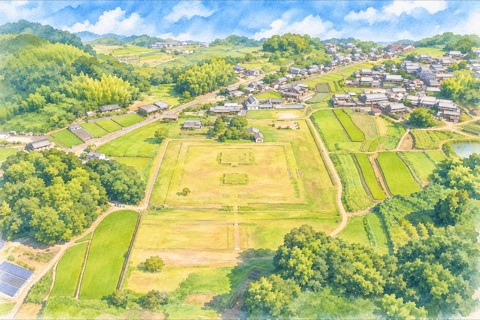 Asuka–FujiwaraAsuka and Fujiwara: Ancient Capitals
Seat of the Yamato court from the late 6th century to 710, with palace sites, early temples and painted tombs.
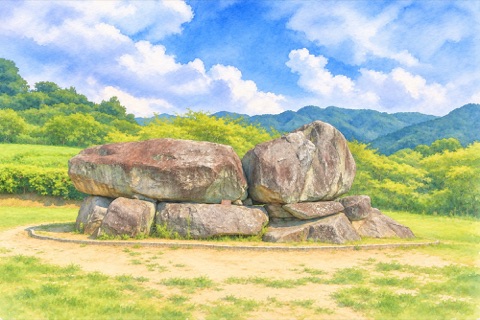 Asuka–FujiwaraAsuka-dera and the Ishibutai Tomb
Japan’s first full-scale Buddhist temple, founded by Soga no Umako, and the giant stone chamber thought to be his tomb.
Harima castle town, home to Himeji Castle, the best-preserved early Edo castle→
Home of Ise Jingū, Japan’s foremost shrine to the sun goddess Amaterasu→
Sacred mountains of Kōyasan, Kumano and Yoshino, linked by pilgrimage routes→
Three capitals of Emperor Shōmu’s 740–745 relocations; the Great Buddha edict came from Shigaraki.→
Site of Nagaoka-kyō, Emperor Kanmu’s capital from 784 until the move to Heian-kyō in 794.→
Ōmihachiman: Ōmi merchant town on Lake Biwa, home to the ruins of Nobunaga’s Azuchi Castle.→
Ōtsu: site of Emperor Tenji’s Ōmi capital, at the foot of Mount Hiei’s Enryaku-ji.→
Ōyamazaki: the gateway between Kyoto and Osaka, where Hideyoshi defeated Mitsuhide in 1582.→
Rittō: southern Ōmi, where shogun Ashikaga Yoshihisa died in camp during the Magari-no-Jin.→
Self-governing medieval port city and the home of Sen no Rikyū and the tea ceremony→
Shima Peninsula near Ise, home of ama divers and the birthplace of cultured pearls.→
Heian aristocrats’ retreat south of Kyoto, home of Byōdō-in’s Phoenix Hall.→
Castle town of the Kii Tokugawa, home domain of the eighth shogun Yoshimune→
Sacred Shugendō mountain in southern Nara and seat of the Southern Court→
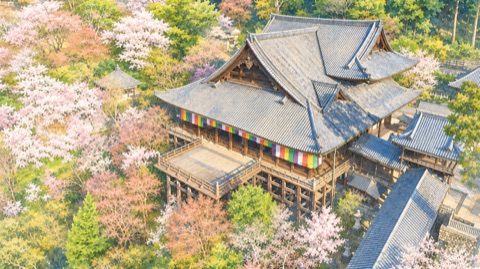
An early Yamato heartland, with Mount Miwa and Hase-dera, the Heian pilgrimage temple.→
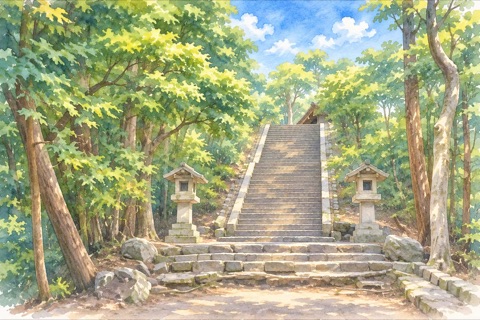 ChihayaakasakaChihaya-Akasaka and Chihaya Castle Ruins
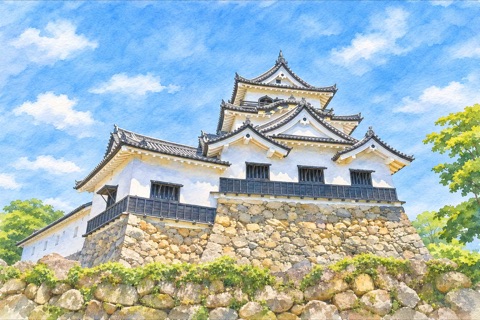 HikoneHikone Castle and Umoregi-no-ya
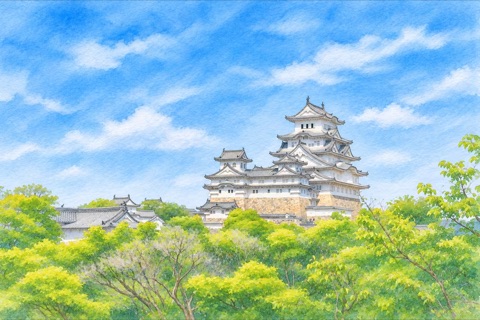 HimejiHimeji Castle
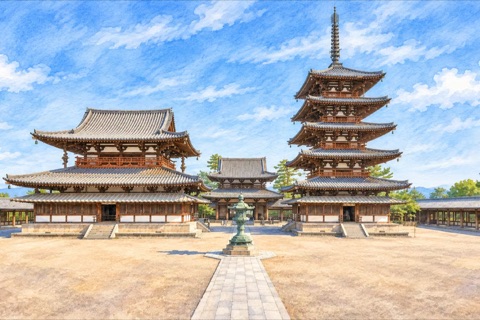 IkarugaHōryū-ji
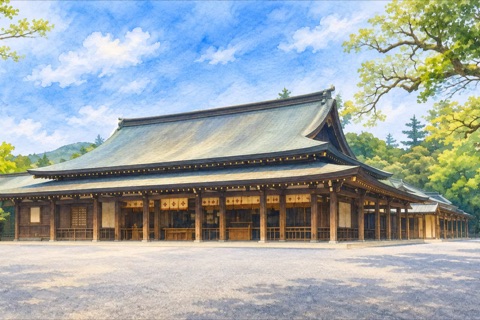 IseIse Jingū: Naikū
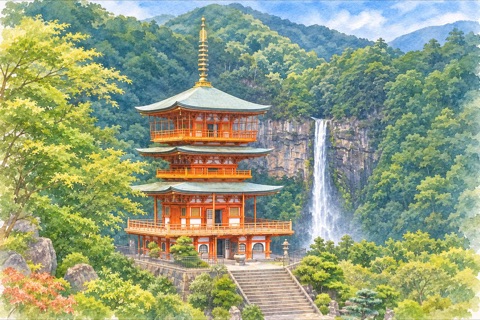 Kii Sacred SitesKōyasan to Kumano: Sacred Sites of the Kii Mountains
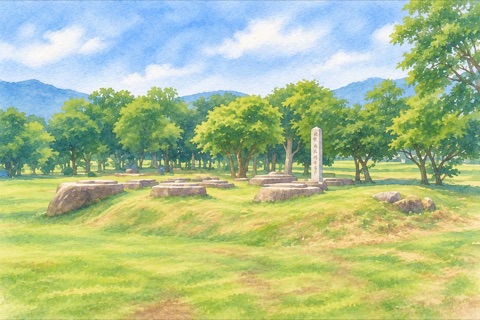 Kuni–Shigaraki–NaniwaKuni-kyō–Shigaraki Palace–Naniwa Palace Relocation Journey
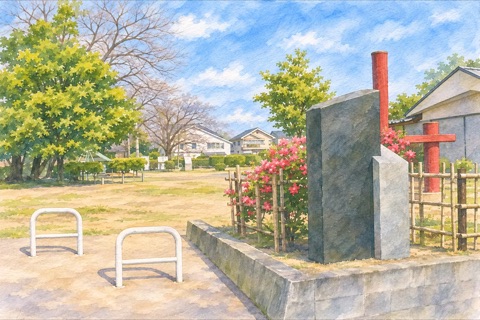 MukoNagaoka-kyō Capital Site
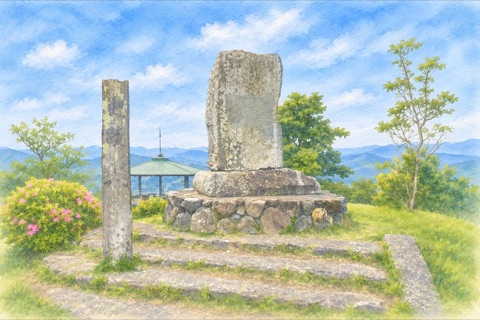 NagahamaShizugatake Battlefield
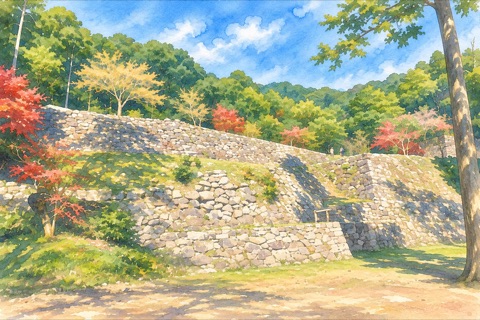 ŌmihachimanAzuchi Castle Ruins
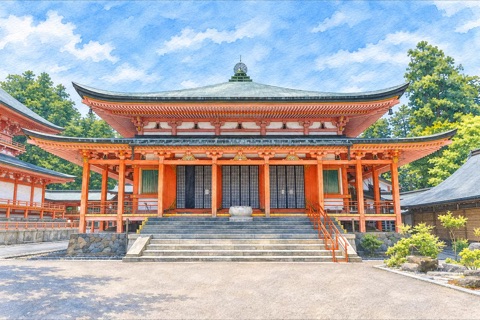 ŌtsuHieizan Enryaku-ji
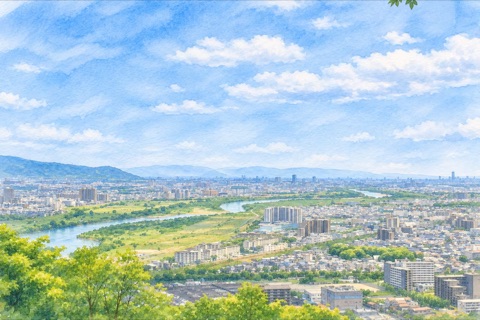 OyamazakiMount Tennōzan–Yamazaki Battlefield
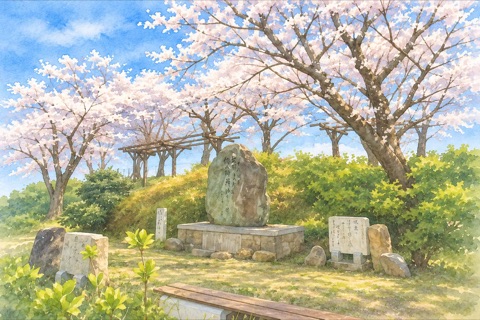 RittoMagari-no-Jin Ruins
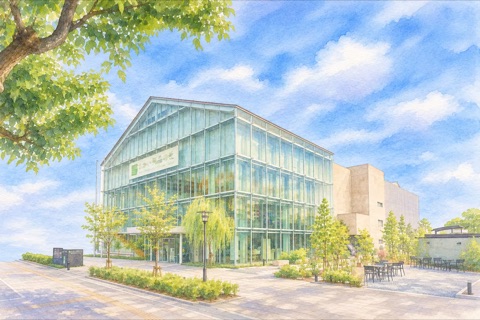 SakaiSakai: Sen no Rikyū and Tea Culture Historic Area
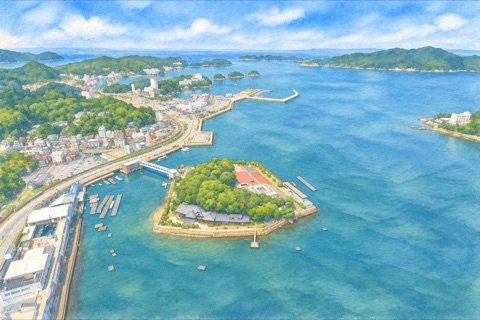 Toba–ShimaMikimoto Pearl Island and the Toba Pearl Cultivation Landscape
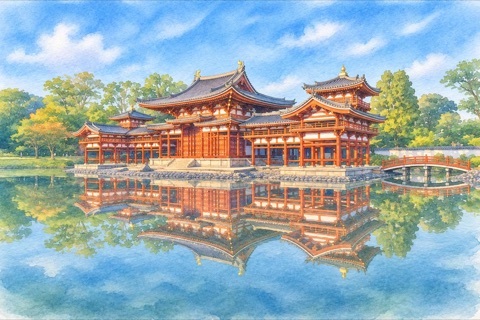 UjiByōdō-in
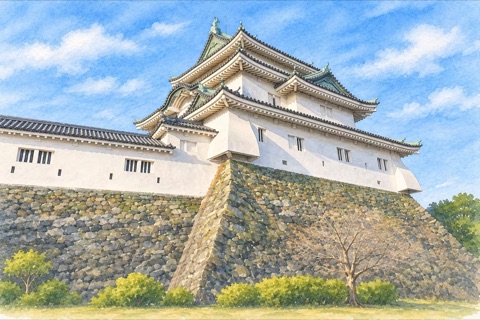 WakayamaWakayama Castle
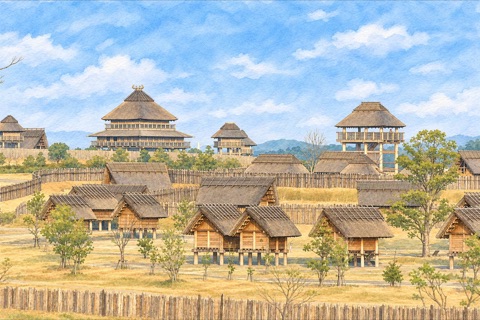 YoshinoYoshino and the Southern Court
 SakuraiHase-dera