
103 cities · 199 sites
Chūgoku, the western end of Honshū, and Shikoku face each other across the Seto Inland Sea, and much of their history follows its sea lanes and straits. In the 12th century Taira no Kiyomori, as governor of Aki, rebuilt the halls of Itsukushima Shrine over the water, tying the island to Taira fortunes. Late in the Genpei War the Taira withdrew west with the child Emperor Antoku. In 1185 Minamoto no Yoshitsune surprised them at Yashima, just east of Takamatsu, and a month later they were destroyed at Dan-no-ura in the strait off Shimonoseki, where Antoku drowned. After the Jōkyū War of 1221, Retired Emperor Go-Toba was exiled to the Oki Islands in the Sea of Japan and died there.
In 1555 Mōri Motonari, a minor lord from Aki, defeated Sue Harukata at the Battle of Itsukushima and went on to hold most of the Chūgoku region. His grandson Mōri Terumoto began building Hiroshima Castle on the Ōta River delta in 1589, and the city grew around it. After Sekigahara the Mōri kept only Suō and Nagato, and Hagi served as the seat of their Chōshū domain for about 260 years. In the 1850s Yoshida Shōin taught at the Shokasonjuku in Hagi; his student Takasugi Shinsaku formed the Kiheitai militia at Shimonoseki in 1863, the year Chōshū guns fired on foreign ships in the strait. Across the sea, Tosa (today's Kōchi) produced Sakamoto Ryōma, and in the early Meiji years Itagaki Taisuke founded the Risshisha there, making Kōchi the birthplace of the Freedom and People's Rights Movement.
In 1895 Itō Hirobumi signed the peace treaty ending the Sino-Japanese War at Shunpūrō in Shimonoseki. On 6 August 1945 an atomic bomb nearly destroyed Hiroshima. Matsuyama was the hometown of the poet Masaoka Shiki. Besides Miyajima and Hagi, sights include Kōchi Castle, whose main compound survives intact, Matsuyama Castle with its late Edo keep, Matsue Castle, and Okayama Kōrakuen Garden.
Iyo castle town of Katō Yoshiaki and birthplace of the poet Masaoka Shiki.→
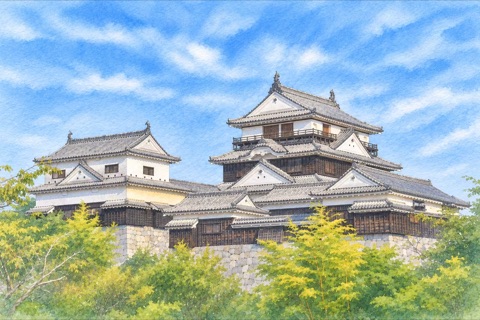 MatsuyamaMatsuyama Castle
Hilltop castle in central Matsuyama whose 1854 keep is the youngest of Japan’s 12 surviving original keeps.
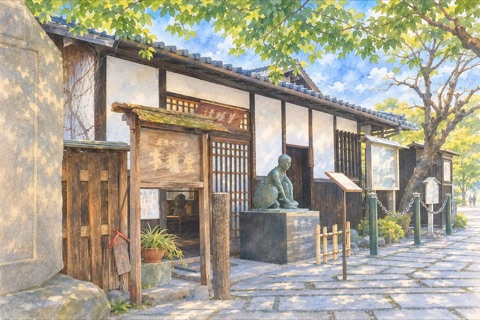 MatsuyamaShiki-do and Matsuyama City Shiki Memorial Museum
Two Matsuyama memorials to Masaoka Shiki: his rebuilt boyhood home in a temple and a municipal museum in Dōgo.
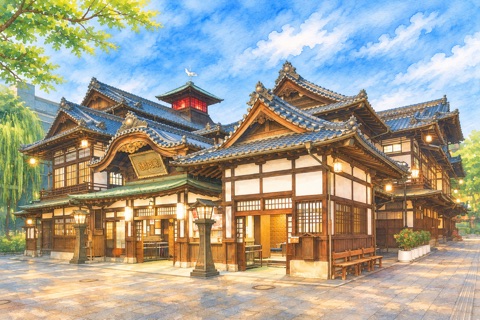 MatsuyamaDōgo Onsen
Hot spring recorded since antiquity, centered on a working 1894 wooden bathhouse linked to Natsume Sōseki’s Botchan.
Kanmon Strait city of the Dan-no-ura battle, the Chōshū bombardments and the 1895 peace treaty→
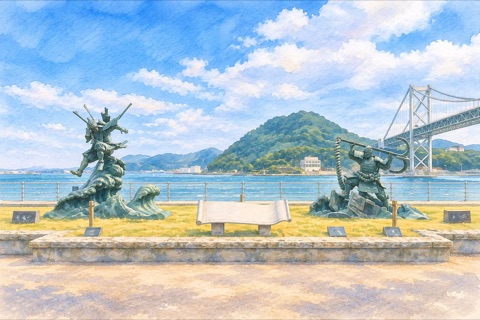 ShimonosekiDan-no-ura
Kanmon Strait shore where the Taira fell in 1185 and the child Emperor Antoku drowned; Akama Jingū stands nearby.
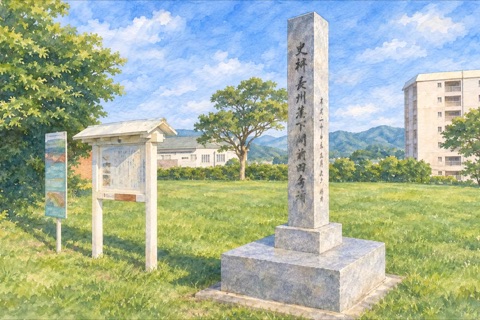 ShimonosekiShimonoseki Chōshū War Historic Area
Late-Edo sites along the Kanmon Strait tracing Chōshū’s 1863–64 clashes with foreign fleets, the Kiheitai and Takasugi’s coup.
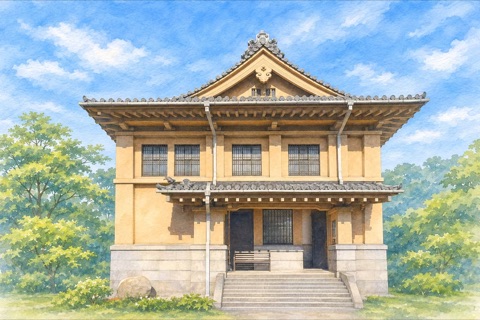 ShimonosekiShunpanrō and the Sino-Japanese Peace Memorial Hall
Inn where Qing and Japanese delegates signed the 1895 treaty ending the Sino-Japanese War; the adjoining hall keeps the original furniture.
Tosa domain castle town, home of Restoration activists and the people’s rights movement→
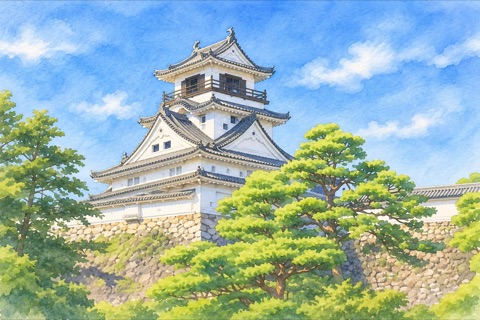 KōchiKōchi Castle
Seat of the Yamauchi lords of Tosa, the only castle whose entire inner citadel, keep and palace included, survives.
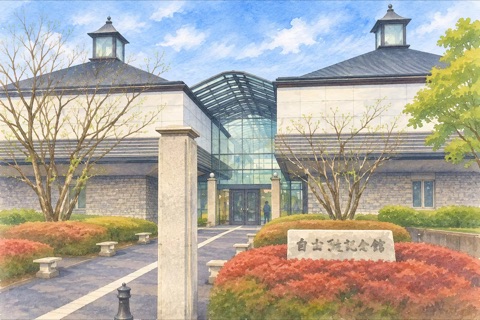 KōchiKōchi Freedom and People’s Rights Memorial / Itagaki Area
Museum and scattered memorials in the city where Itagaki Taisuke and the Risshisha launched the Freedom and People’s Rights Movement.
Gateway to Shikoku, site of the Battle of Yashima and a seawater-moated castle.→
Castle town of the Chōshū domain and home of Yoshida Shōin’s Shōkasonjuku school.→
Mōri castle town, 1894 wartime headquarters, destroyed by the 1945 atomic bomb→
Lakeside Izumo castle town with a National Treasure keep and the tea culture of Matsudaira Fumai.→
Okayama: ancient Kibi, Ikeda castle town, home of Kōrakuen, one of Japan’s three great gardens.→
Oki–Ama: Sea of Japan exile islands where Retired Emperor Go-Toba spent his last years.→
The ancient Izumo of myth, home of Izumo Taisha, the shrine of Ōkuninushi.→
Home of Iwami Ginzan, a source of the silver that flowed through 16th–17th-century world trade.→
A pilgrim town grown around Kotohiragū, guardian shrine of seafarers.→
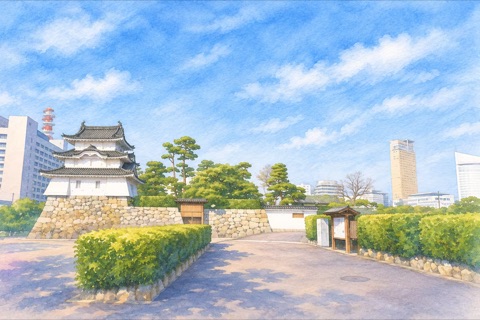 TakamatsuTakamatsu Castle (Tamamo Park)
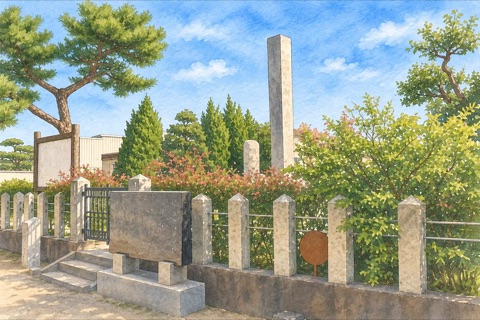 TakamatsuYashima Battlefield
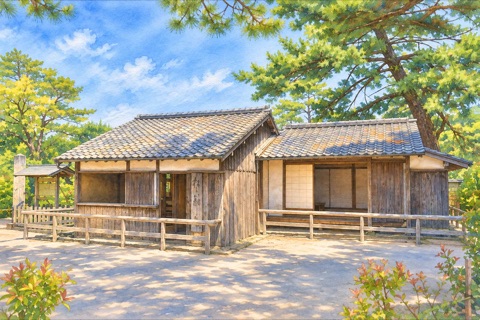 HagiHagi: Shokasonjuku and the Castle Town
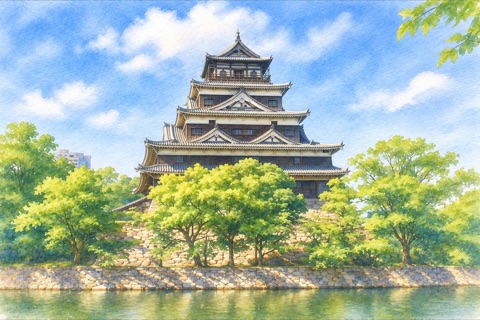 HiroshimaHiroshima Castle–Imperial General Headquarters Site
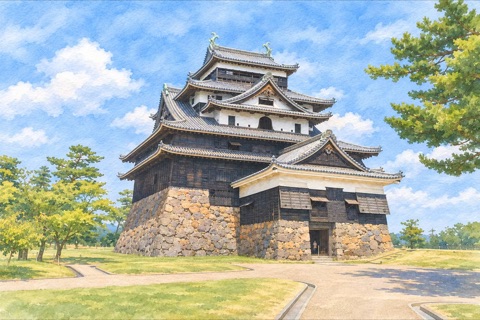 MatsueMatsue Castle
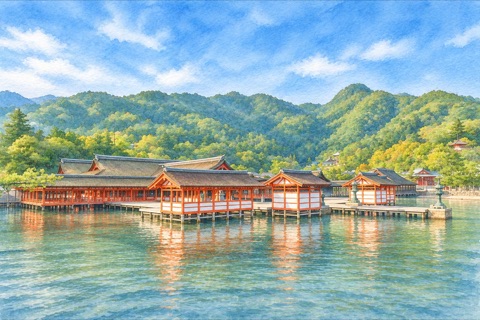 MiyajimaItsukushima Shrine
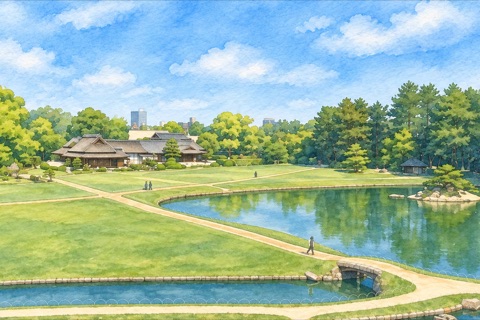 OkayamaOkayama Kōrakuen Garden
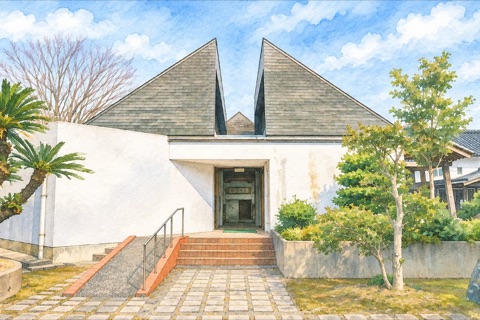 Oki–AmaOki: Go-Toba-in Museum and Related Exile Sites
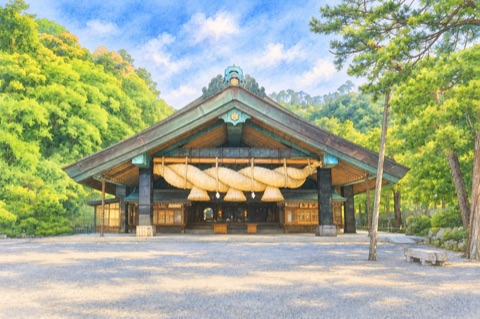 IzumoIzumo Taisha
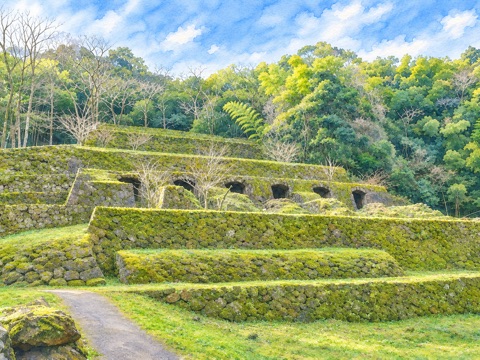 ŌdaIwami Ginzan
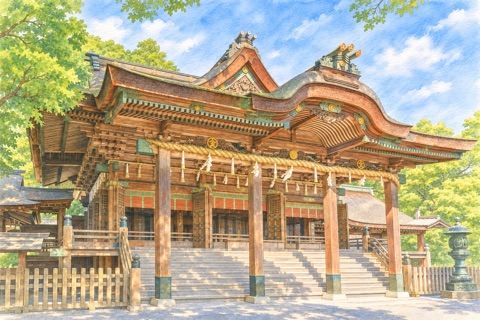 KotohiraKotohiragū