
103 cities · 199 sites
Chūbu runs from Owari and Mikawa on the Pacific side, through the mountains of Shinano and Kai, to Hokuriku and the island of Sado on the Sea of Japan. Its central story is the Sengoku period. Owari produced both Oda Nobunaga and Toyotomi Hideyoshi. In 1560 Nobunaga surprised and killed Imagawa Yoshimoto at Okehazama, which let Matsudaira Motoyasu, the future Tokugawa Ieyasu, leave Imagawa service, return to Okazaki and ally with Nobunaga. In 1567 Nobunaga took Inabayama Castle and renamed the town below it Gifu; Gifu Castle and Mount Kinka served as his base for the next several years.
The mountains belonged to another power. From his residence at Tsutsujigasaki in Kai, Takeda Shingen expanded outward and fought Uesugi Kenshin repeatedly at Kawanakajima between 1553 and 1564. After Shingen's death his heir Katsuyori was crushed by the Oda–Tokugawa allies at Nagashino and Shitaragahara in 1575, and the Takeda house fell in 1582. After Nobunaga's death, Hideyoshi and Ieyasu faced off at Komaki and Nagakute in 1584, and in 1600 Ieyasu defeated the western coalition built around Ishida Mitsunari at Sekigahara. In 1610 he had Nagoya Castle built for his ninth son, Tokugawa Yoshinao, and the townspeople and temples of Kiyosu moved in to form the new castle town. In Hokuriku, Maeda Toshiie entered Kanazawa in 1583, and Kanazawa Castle still keeps late Edo buildings from the Maeda era.
Other periods left their mark too. Minamoto no Yoritomo spent about twenty years in exile in Izu, where the Izu Hōjō Residence–Ganjōju-in recalls the family he married into. Nichiren retreated to Minobu in 1274, and Minobusan Kuon-ji became the head temple of his school. Sado took in exiles including Nichiren and Zeami, whose traces survive in the Sado Noh heritage area. In Shinano, Nagano grew up around Zenkō-ji, and Matsumoto Castle keeps a keep whose construction date is still debated.
A city grown around Zenkō-ji, with Kawanakajima and the Sanada domain of Matsushiro to the south.→
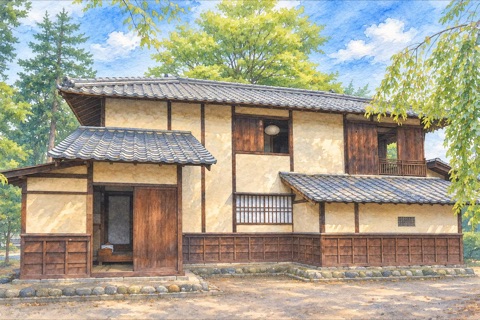 NaganoMatsushiro Sakuma Shōzan Historic Area
Residence site, shrine and relocated buildings in the home town of Sakuma Shōzan, the Bakumatsu advocate of Western learning.
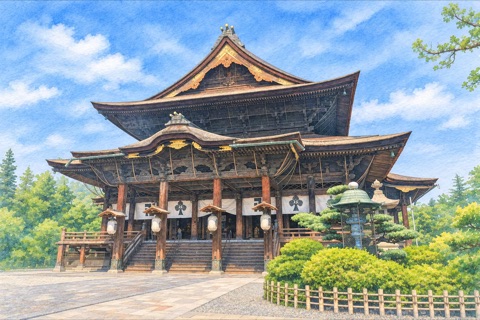 NaganoZenkō-ji
A non-sectarian pilgrimage temple whose hidden Buddha is said to be Japan’s first; its 1707 Main Hall is a National Treasure.
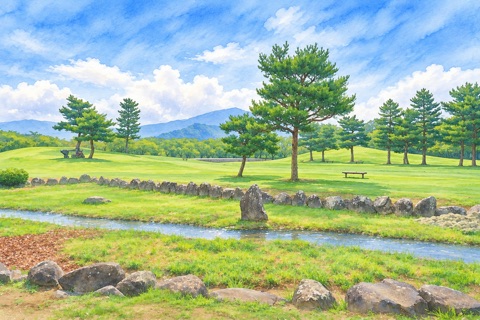 NaganoKawanakajima Battlefield
Plain where Takeda Shingen and Uesugi Kenshin clashed repeatedly, most fiercely in the fourth battle of 1561.
Old Echizen, with Kanegasaki Castle and the shrine to Nitta Yoshisada.→
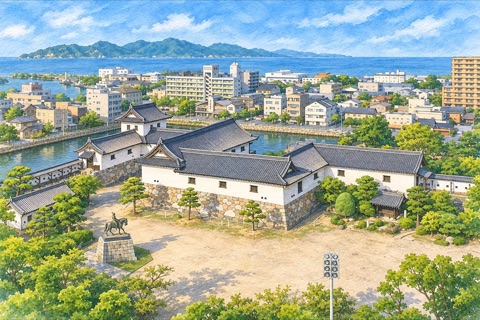 Tsuruga–FukuiKanegasaki Castle–Fujishima Shrine Historical Line
A seaside hill castle where Nitta Yoshisada’s Southern Court forces fell in 1337, and the shrine to Yoshisada in Fukui.
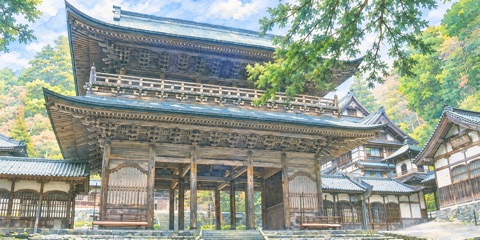 Tsuruga–FukuiEihei-ji
Sōtō Zen head temple founded by Dōgen in the 1240s, where monks still train among mountain cedars by his rules.
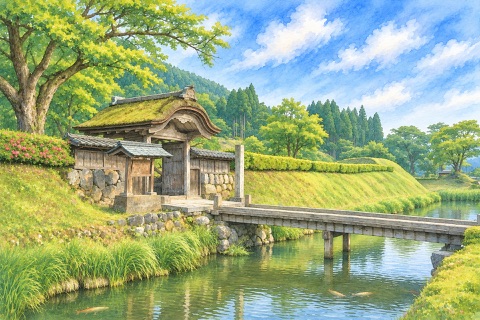 Tsuruga–FukuiIchijōdani Asakura Ruins
Seat of the Asakura daimyo for five generations; burned in 1573, buried under fields, and excavated as a near-complete Sengoku castle town.
Castle town of the Maeda, lords of the million-koku Kaga domain→
Former stronghold of Saitō Dōsan, renamed Gifu by Oda Nobunaga in 1567.→
Where Minamoto no Yoritomo lived in exile and rose in 1180; Hōjō homeland→
Shizuoka home of Tanuma Okitsugu’s Sagara domain, whose castle was razed after his fall.→
Central Shinano castle town whose late-16th-century keep, Matsumoto Castle, is a National Treasure.→
Kai Province valley where Nichiren spent his last nine years; Kuon-ji heads the Nichiren school.→
Castle town of the Owari Tokugawa, built around Nagoya Castle from 1610 on Ieyasu’s orders.→
Okehazama: where Oda Nobunaga killed Imagawa Yoshimoto in a surprise attack in 1560.→
Exile island off Niigata, home to Edo-period gold mines and a living Noh tradition→
Site of the ancient Fuwa Barrier and the decisive 1600 Battle of Sekigahara→
Hill town in eastern Mikawa, battlefield of the 1575 Battle of Nagashino→
Mountain town in Hida, once shogunate land, with a preserved merchant quarter.→
Port at the tip of Izu where Perry, Putyatin and Harris negotiated with the shogunate.→
Castle town on the Kiso River, with Inuyama Castle, one of Japan’s original keeps.→
A snowbound mountain village on the upper Shō River, known for its gasshō-zukuri farmhouses.→
The Kiso Road of the Nakasendō, with the preserved post towns of Tsumago and Magome.→
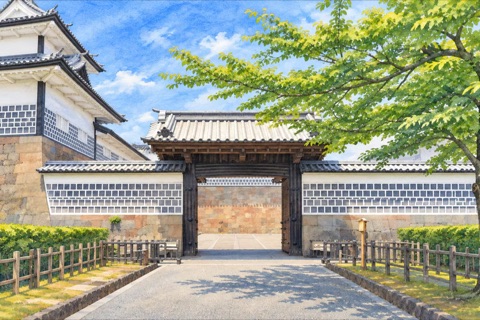 KanazawaKanazawa Castle
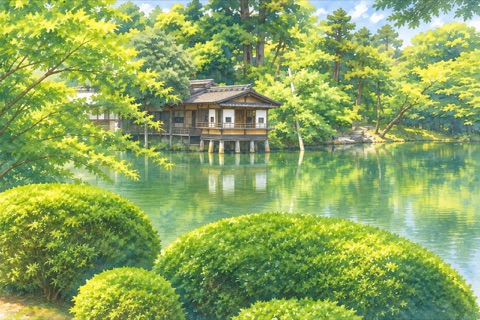 KanazawaKenroku-en
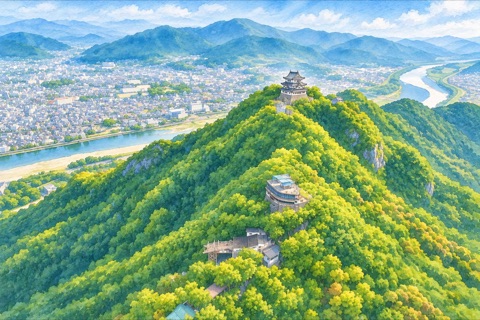 GifuGifu Castle and Mount Kinka
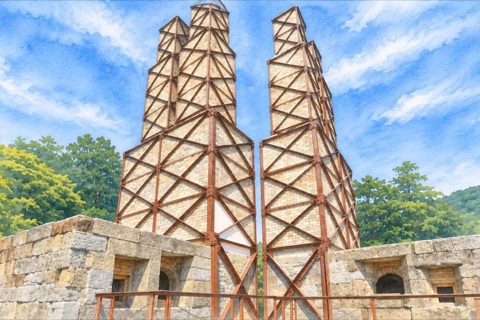 IzunokuniIzu Hōjō Residence–Ganjōju-in
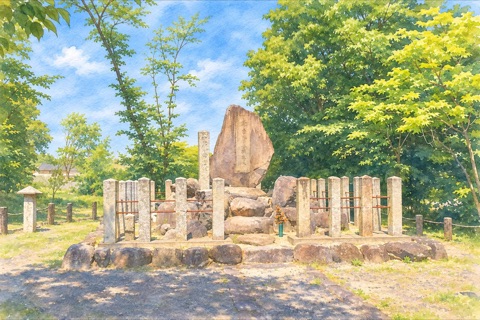 Komaki–NagakuteKomaki–Nagakute Battlefield
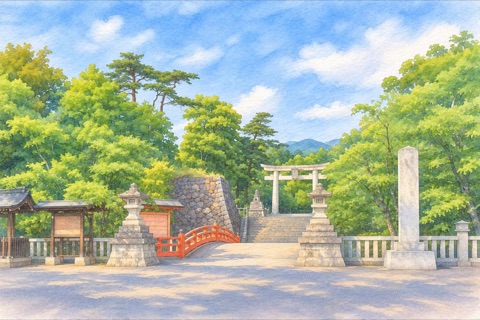 KoshuTakeda Clan Residence–Kōshū Conquest Sites
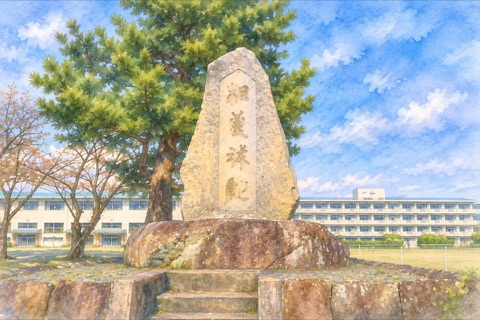 MakinoharaSagara Castle Ruins
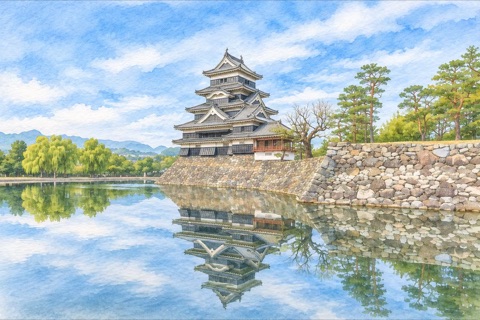 MatsumotoMatsumoto Castle
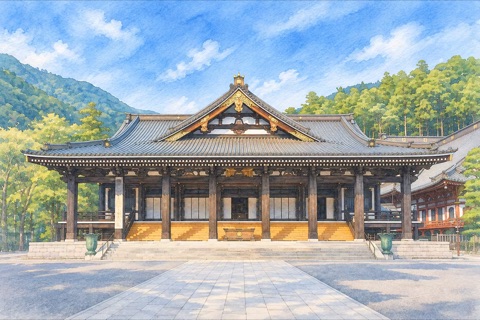 MinobuMinobusan Kuon-ji
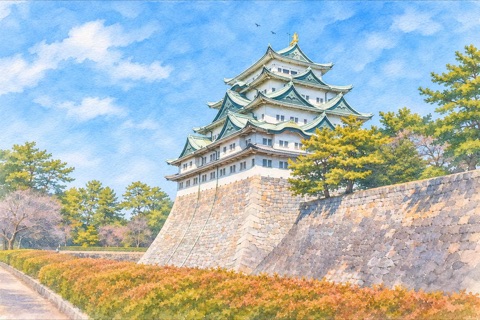 NagoyaNagoya Castle
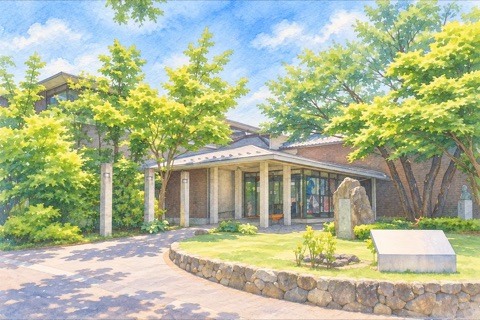 ObuseObuse: Hokusai Museum and Ganshō-in
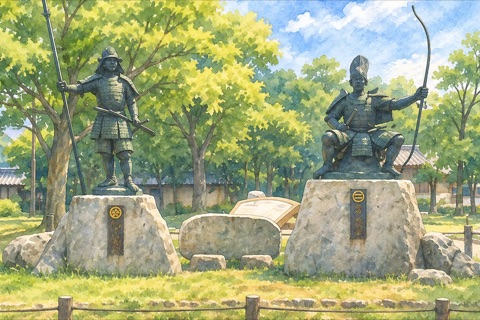 OkehazamaOkehazama Battlefield
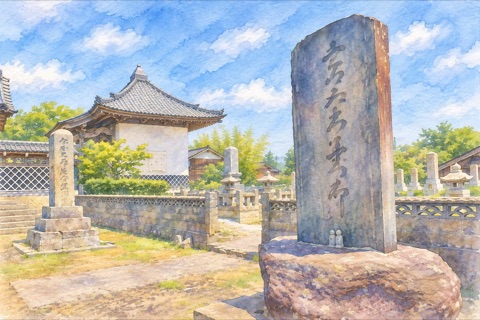 SadoSado: Zeami Exile and Noh Heritage Area
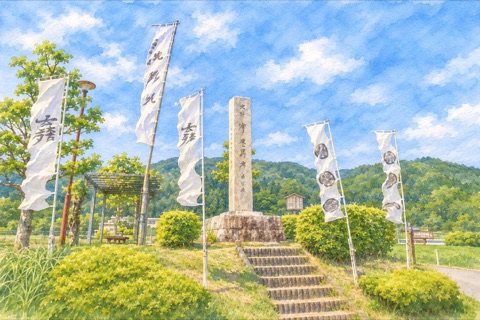 SekigaharaSekigahara Battlefield
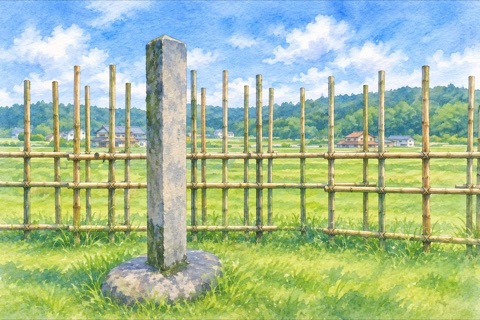 ShinshiroNagashino–Shitaragahara Battlefield
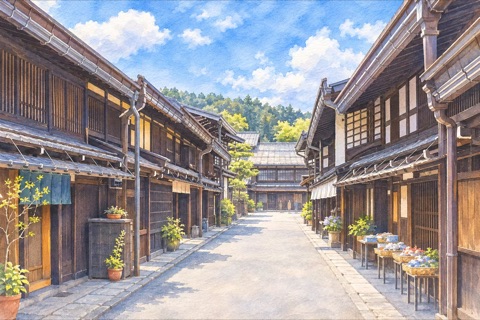 TakayamaTakayama Old Town
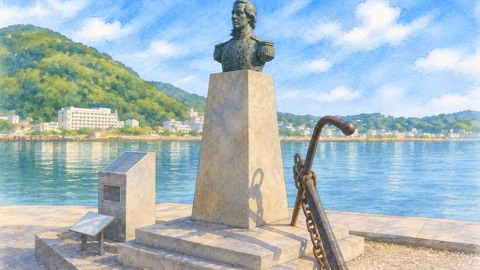 ShimodaShimoda: The Perry and Harris Sites
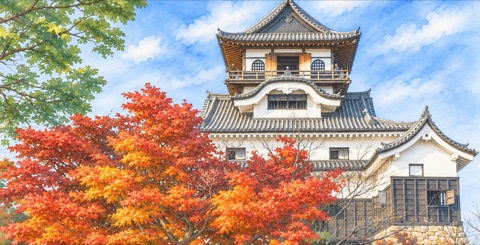 InuyamaInuyama Castle
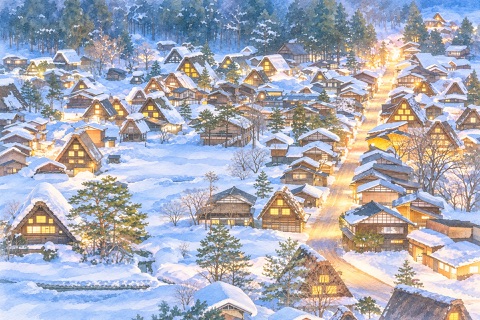 Shirakawa-gōShirakawa-gō
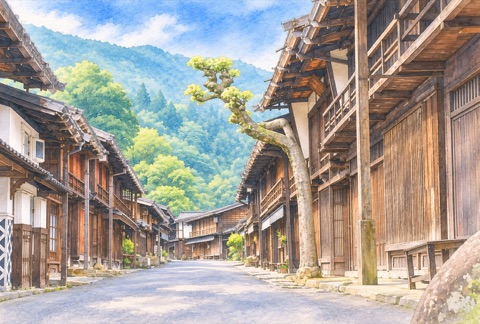 Nagiso–NakatsugawaTsumago and Magome