
103 cities · 199 sites
The Kantō twice became the seat of warrior government. The first time was at Kamakura, a seaside town ringed by hills on three sides. Minamoto no Yoritomo based himself there in 1180 and went on to found the Kamakura shogunate, Japan's first warrior regime. The town was laid out along the axis of Tsurugaoka Hachimangū. After Yoritomo's death the Hōjō regents held real power, and they sponsored great Zen temples such as Kenchō-ji in 1253 and Engaku-ji in 1282, each led by a Chinese monk. Casting of the bronze Great Buddha began in 1252. In 1333 Nitta Yoshisada, a warrior from Kōzuke Province, broke into the city near Inamuragasaki, and the Hōjō took their own lives.
In the Sengoku period the center of the Kantō shifted west to Odawara Castle. Ise Sōzui, later known as Hōjō Sōun, is generally thought to have seized it around 1495, and five generations of the Hōjō ruled much of the region from there for about a century, until Toyotomi Hideyoshi besieged the city in 1590 and they surrendered.
That same year Tokugawa Ieyasu received the Kantō and made Edo his base. After he founded the shogunate in 1603, Edo grew into the political center of the country. Ieyasu was later enshrined at Nikkō, where the third shogun, Iemitsu, rebuilt the richly carved Nikkō Tōshōgū. In 1853 the American squadron of Matthew C. Perry arrived off Uraga and delivered the president's letter at nearby Kurihama. Yokohama, a small fishing village, opened as a port in 1859 and soon became Japan's leading trading harbor. In 1868 Edo Castle was handed over to the new government without an assault, Edo was renamed Tokyo, and the emperor moved into the castle. Tokyo has been the capital ever since.
Seat of the Edo shogunate and Japan’s capital since 1868.→
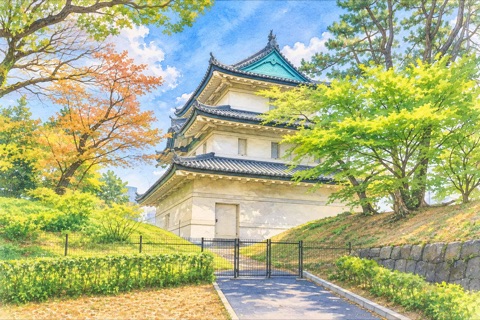 TokyoEdo Castle and the Imperial Palace East Gardens
Seat of the Tokugawa shoguns, later the imperial residence; its East Gardens keep walls, gates and the empty keep base.
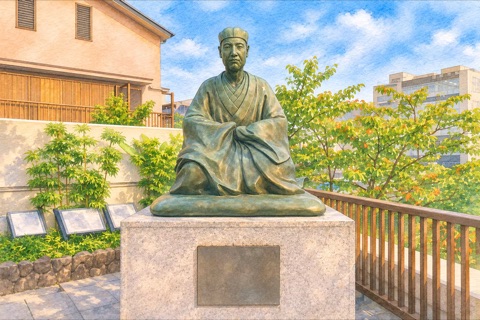 TokyoFukagawa Bashō-an–Bashō Memorial Museum
Where Matsuo Bashō lived for over a decade and began his journey north; the hut is gone, a shrine and museum remain.
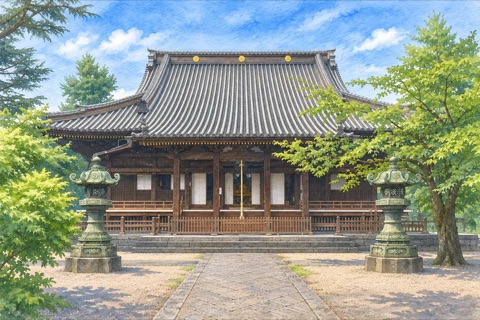 TokyoKan’ei-ji–Ueno Historic Area
Tokugawa family temple whose grounds became Ueno Park after the 1868 Battle of Ueno; six shoguns are buried here.
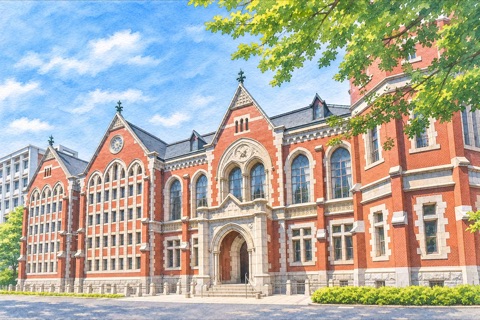 TokyoKeiō Gijuku Mita Historic Area
Home since 1871 of the school Fukuzawa Yukichi founded, with Japan’s first speech hall and a 1912 library.
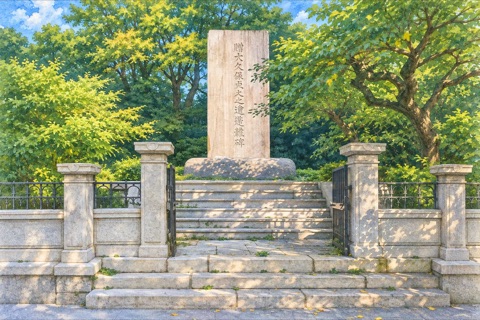 TokyoKioizaka Site of Ōkubo Toshimichi’s Assassination
Where Home Minister Ōkubo Toshimichi was assassinated in 1878; a memorial stone of 1888 stands in Shimizudani Park.
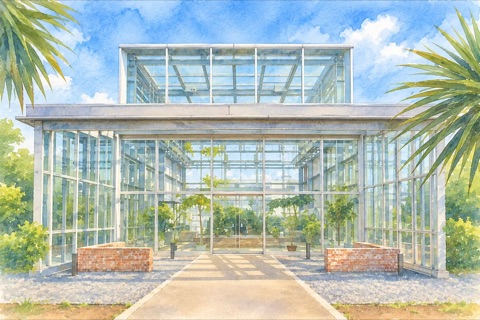 TokyoKoishikawa Yōjōsho–Koishikawa Botanical Garden
Shogunal herb garden and free clinic for the poor, now the University of Tokyo’s research botanical garden.
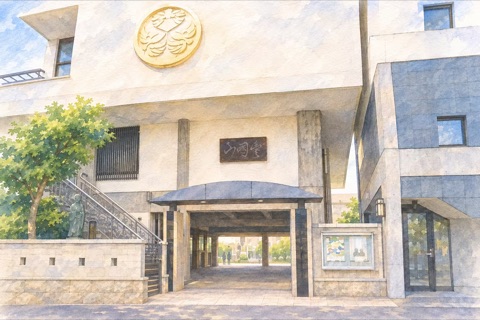 TokyoKozukappara Execution Ground–Ekō-in
One of Edo’s two main execution grounds, where Sugita Genpaku watched the 1771 dissection that led to Kaitai Shinsho.
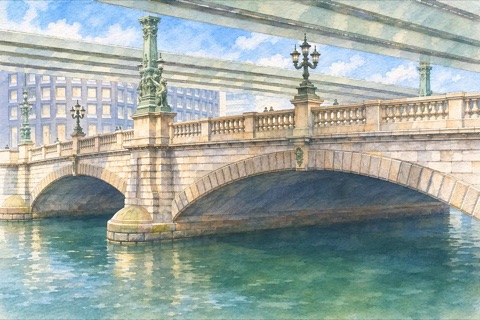 TokyoNihonbashi
Starting point of the Edo-period Five Routes, now a 1911 granite double-arch bridge and Important Cultural Property.
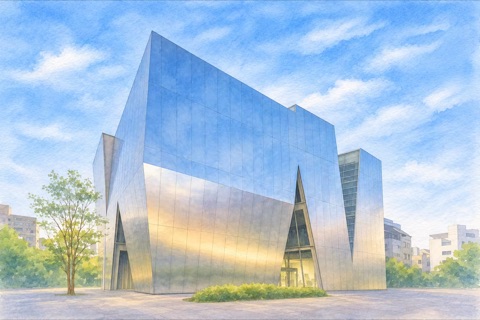 TokyoSumida Hokusai Historic Area
Honjo district where Katsushika Hokusai was born and spent most of his life, now home to the Sumida Hokusai Museum.
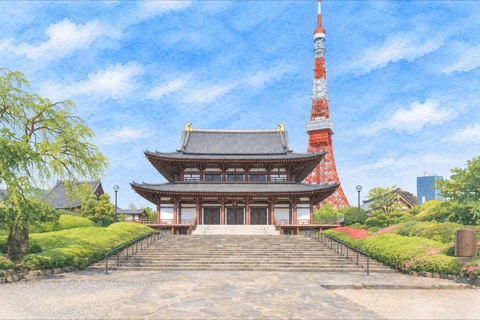 TokyoZōjō-ji
Jōdo head temple in Shiba that served as a Tokugawa family temple; six shoguns are buried here.
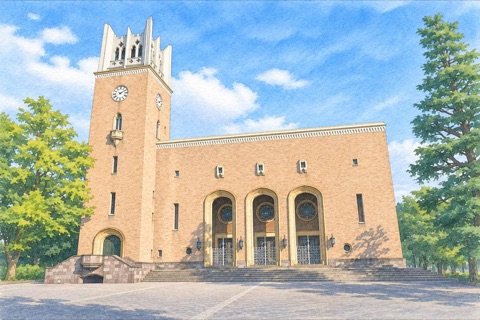 TokyoWaseda University Ōkuma Historic Area
Main campus of the private university Ōkuma Shigenobu founded in 1882, with his garden and 1927 auditorium.
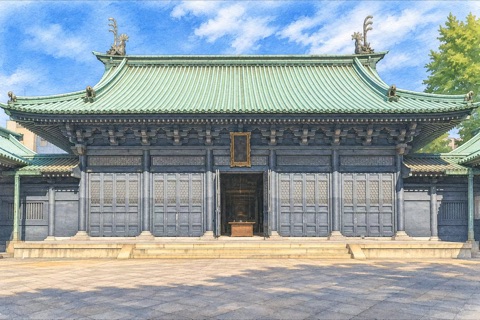 TokyoYushima Seidō
The shogunate’s Confucian temple and site of its official academy, rebuilt in concrete after 1923.
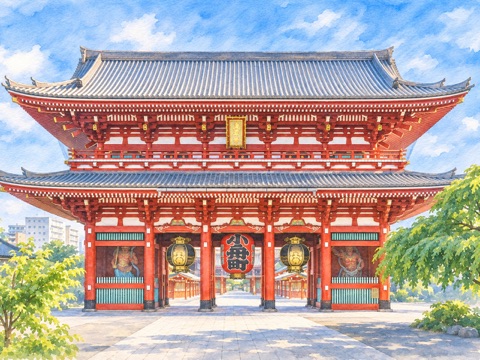 TokyoSensō-ji
Tokyo’s oldest temple, built around a Kannon image said to have been netted from the Sumida River; its gates and hall were rebuilt after 1945.
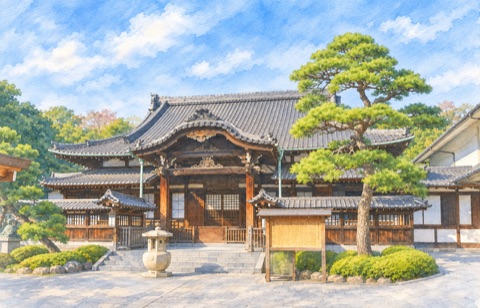 TokyoSengaku-ji
Family temple of the Asano lords, where Asano Naganori and the Akō retainers who avenged him are buried.
Seat of the Kamakura shogunate, Japan’s first warrior government→
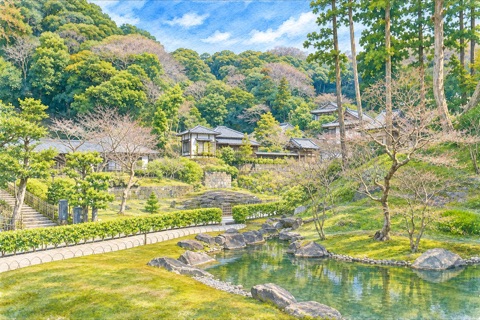 KamakuraEngaku-ji
Zen monastery founded in 1282 by Hōjō Tokimune for the dead of the Mongol invasions; second of Kamakura’s Five Mountains.
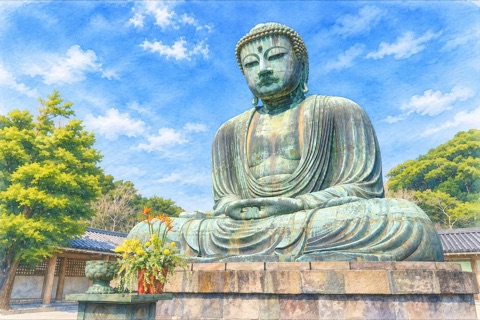 KamakuraGreat Buddha of Kamakura
A thirteenth-century bronze Amida, over 11 meters tall, sitting in the open since its hall was lost in the Middle Ages.
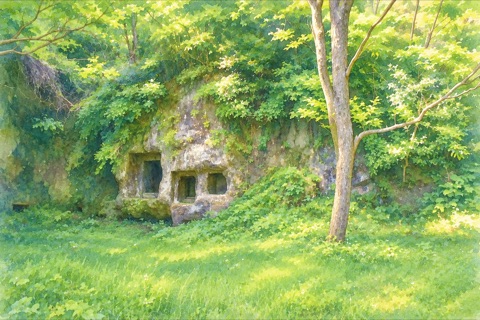 KamakuraHōjō Clan Tokiwa Residence Ruins
Valley estate of a Hōjō family branch beside Kamakura’s Daibutsu Pass, known through excavated foundations, inkstones and Chinese ceramics.
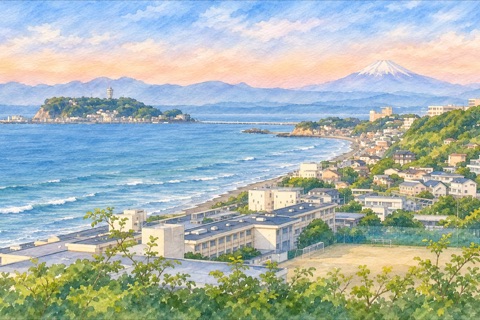 KamakuraInamuragasaki and the 1333 Kamakura Attack Route
Coastal headland where, in legend, Nitta Yoshisada’s sword made the tide recede so his army could storm Kamakura in 1333.
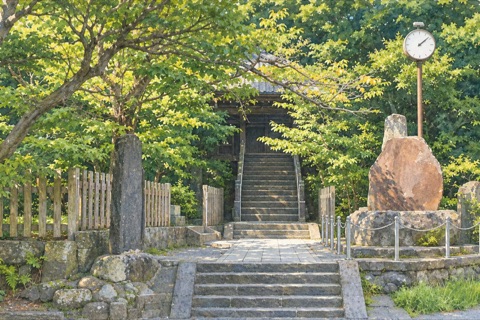 KamakuraKamakura Hokkedō–Hōjō Political Sites Area
Hillside where memorial halls for Minamoto no Yoritomo and Hōjō Yoshitoki stood above the shogunate’s first headquarters at Ōkura.
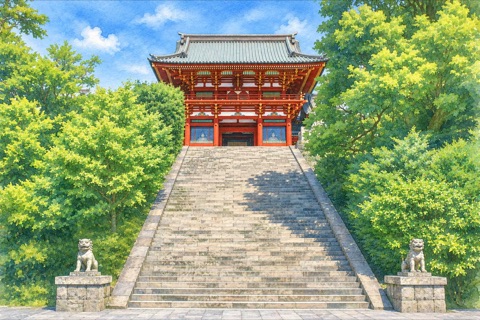 KamakuraTsurugaoka Hachimangū
Hachiman shrine that Minamoto no Yoritomo made the guardian of his warrior government and the axis of medieval Kamakura.
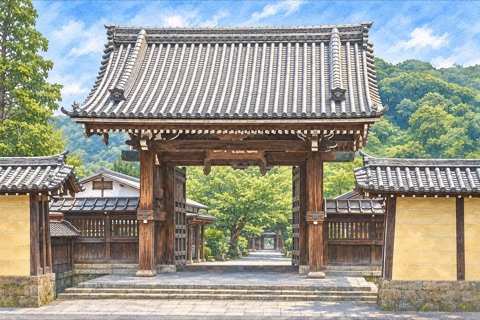 KamakuraKenchō-ji
Zen monastery founded in 1253 by Hōjō Tokiyori under Rankei Dōryū; first of Kamakura’s Five Mountains.
Home of Tōshōgū, Tokugawa Ieyasu’s mausoleum shrine, and of the Ashio copper mine.→
Seat of five generations of the Hōjō, whose surrender to Hideyoshi in 1590 completed unification.→
Where Perry arrived and the modern navy grew, guarding the entrance to Tokyo Bay→
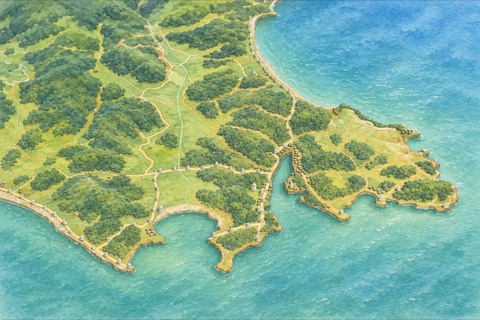 YokosukaUraga and Kurihama
Harbour and beach on Edo Bay where Perry’s squadron anchored and landed to deliver the American president’s letter in 1853.
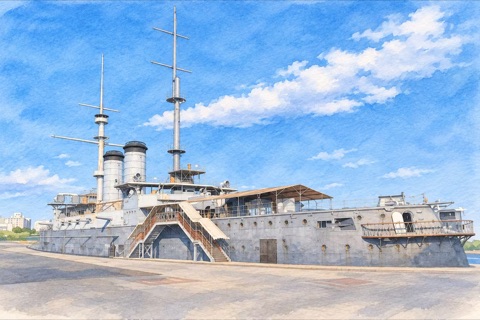 YokosukaYokosuka Naval Port–Battleship Mikasa
Naval port grown from a shogunate ironworks, with Mikasa, Tōgō’s Russo-Japanese War flagship, preserved as a memorial ship.
Shōnan post town on the Tōkaidō, where Nichiren narrowly escaped execution in 1271.→
Mountain pass on the Tōkaidō, guarded by the shogunate’s Hakone checkpoint→
Castle town near Edo known as Little Edo, with fireproof storehouse streets→
Tone River merchant port town where the mapmaker Inō Tadataka lived and worked→
Silk town in Gunma, home of the Meiji state model silk mill.→
Science city below Mount Tsukuba, once the medieval seat of the Oda family.→
Highland below Mount Asama, devastated by the great Tenmei eruption of 1783.→
Trading port opened in 1859, Japan’s window on the West from the late Edo period→
Home of the Ashikaga family and of the Ashikaga School, renowned in the Sengoku period.→
Castle town of the Mito Tokugawa, home of the Mito school, Kairaku-en and the Kōdōkan.→
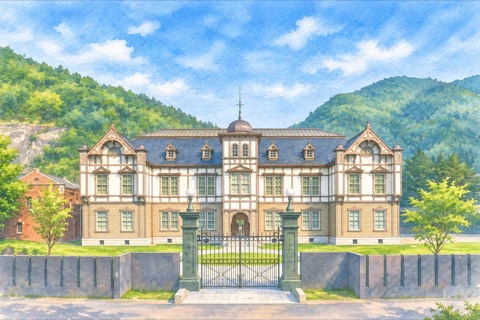 NikkōAshio Copper Mine Historic Area
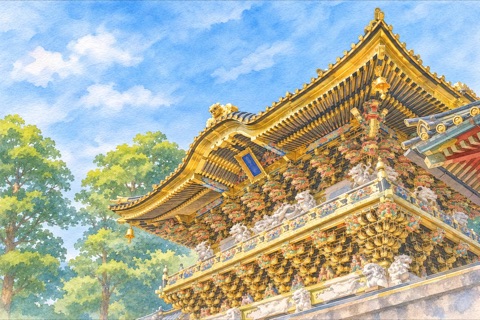 NikkōNikkō Tōshōgū
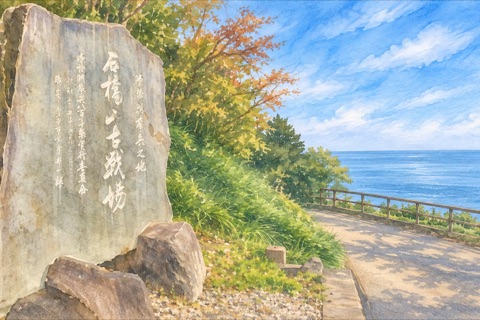 OdawaraIshibashiyama Battlefield
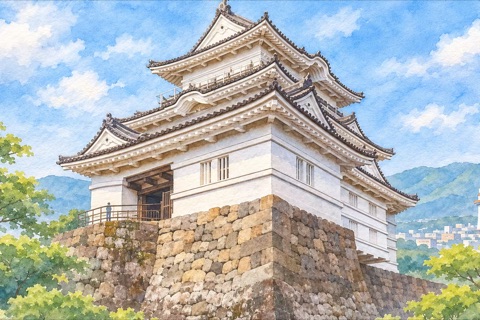 OdawaraOdawara Castle
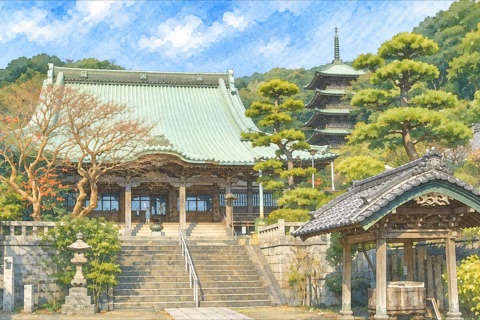 FujisawaRyūkō-ji and the Tatsunokuchi Persecution Site
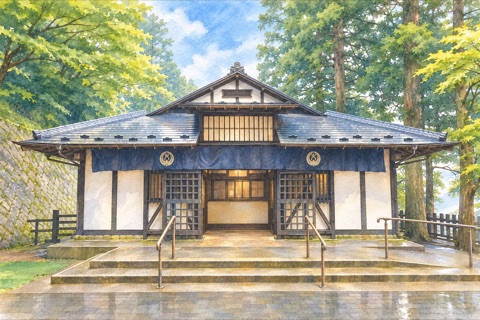 HakoneHakone Sekisho
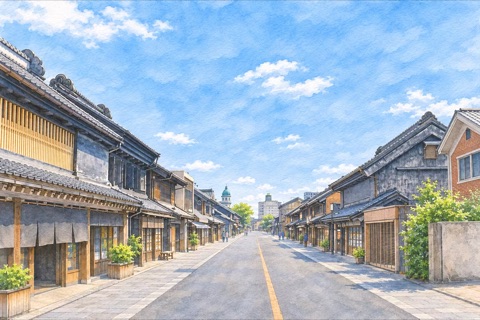 KawagoeKawagoe
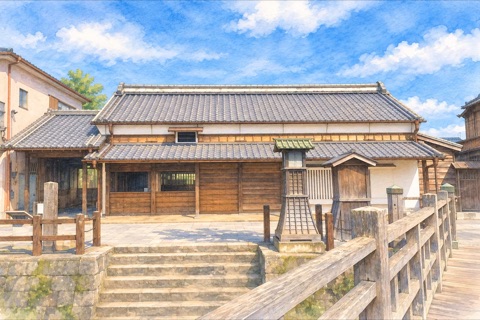 SawaraSawara: Inō Tadataka Residence and Memorial Museum
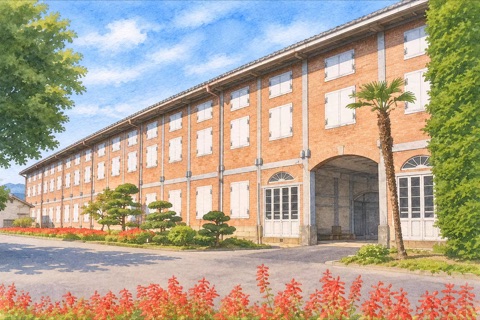 TomiokaTomioka Silk Mill
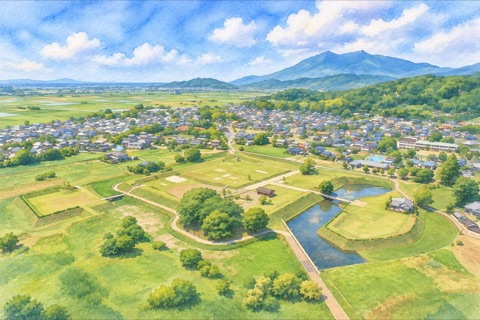 TsukubaOda Castle Ruins
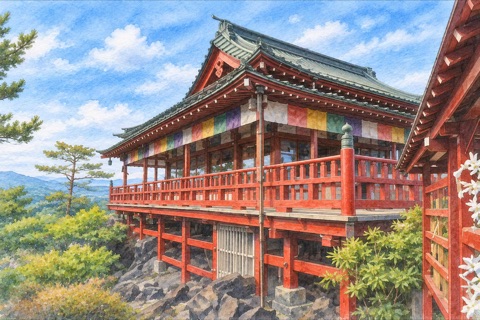 TsumagoiMount Asama–Kanbara Kannon-dō Tenmei Eruption Area
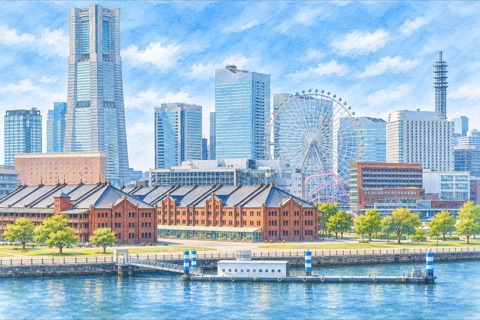 YokohamaYokohama Port-Opening Historic Area
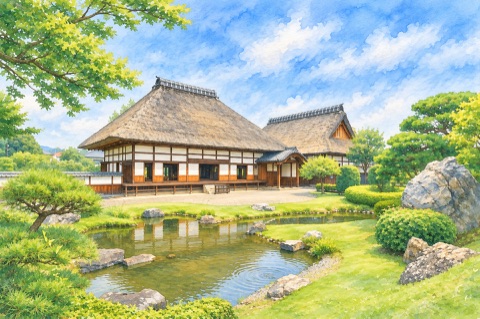 AshikagaAshikaga School
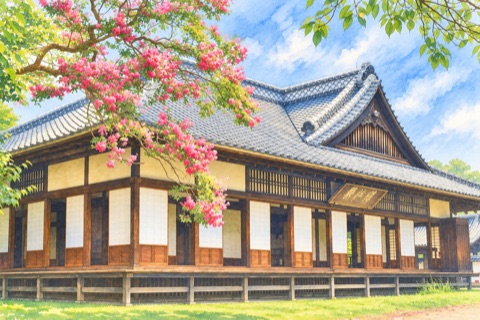 MitoKairaku-en and the Kōdōkan