
304 people by period
Most of the people worth knowing first in the Sengoku period stand around one relay: three men in turn, Nobunaga, Hideyoshi and Ieyasu, forcing the warring lords into a single order. Oda Nobunaga, heir to a branch house in Owari, made his name in 1560 by killing Imagawa Yoshimoto, then the strongest lord on the Tōkaidō road. In 1568 he installed Ashikaga Yoshiaki as shogun in Kyoto; Yoshiaki resented being managed, plotted against him, and was expelled in 1573. To the east the great power was Takeda Shingen of Kai, whose five encounters with Uesugi Kenshin of Echigo at Kawanakajima kept both men from marching on the capital. Shingen died on campaign in 1573.
In 1582 Nobunaga's general Akechi Mitsuhide attacked him at Honnō-ji, for reasons still debated. Another of his generals, Toyotomi Hideyoshi, a man of the humblest origins, destroyed Mitsuhide and then the senior Oda general Shibata Katsuie. Maeda Toshiie changed sides in that campaign and became one of Hideyoshi's most trusted lords, while Ishida Mitsunari ran much of the regime's day-to-day administration.
Tokugawa Ieyasu began as an Imagawa hostage, broke free after 1560, and stayed Nobunaga's ally for twenty years; after fighting Hideyoshi in 1584 he accepted him as overlord. When Hideyoshi died, his son Toyotomi Hideyori was five, and a council headed by Ieyasu and Toshiie was to govern for him. Toshiie's death in 1599 removed the one counterweight. Ieyasu defeated Mitsunari's coalition at Sekigahara in 1600 and became shogun in 1603. Hideyori and his mother Yodo-dono, Nobunaga's niece, held out in Ōsaka Castle until the campaigns of 1614 and 1615 destroyed the Toyotomi house.
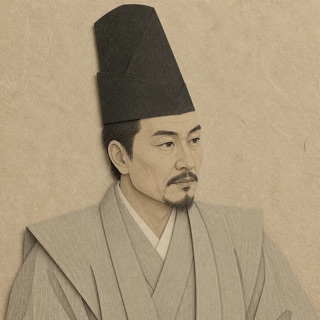
Mitsuhide matters above all because of Honnō-ji.
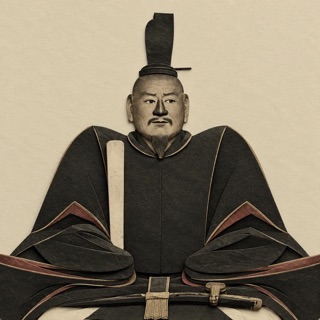
Yoshiaki matters because he turned the bare title of shogun back into a working political asset.
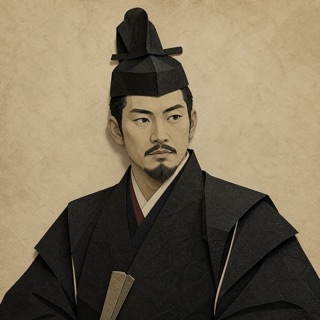
Masamune nearly unified southern Ōu by his early twenties, by force and with great brutality, as the massacre at Otemori shows.
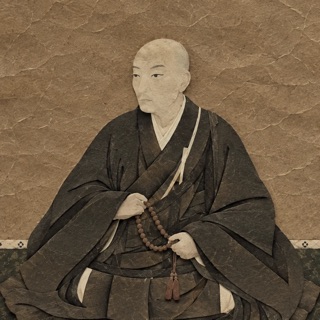
Kennyo matters because, as head of the Hongan-ji, he mobilized followers across the Kinai, Hokuriku and the provinces east of Kyoto, and through marriage ties …
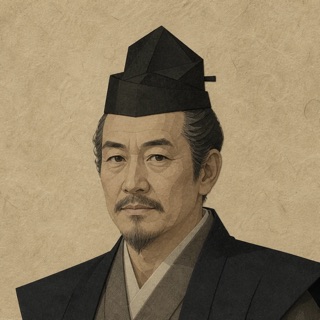
Yoshiharu never won a famous victory and never stood at the center of national politics.
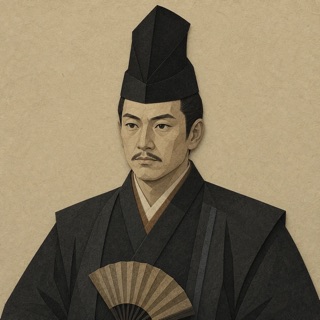
Terumasa’s career spanned the whole of Japan’s unification.
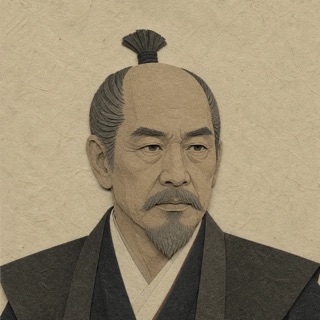
Ikoma Chikamasa was neither a great general nor a key strategist, and his interest lies in how typical his career was.
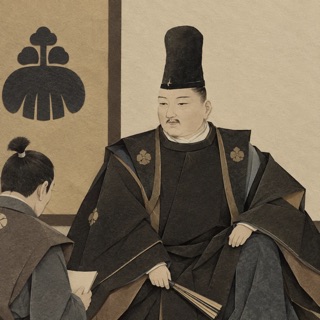
Yoshimoto was the strongest lord on the Tōkaidō in his time.
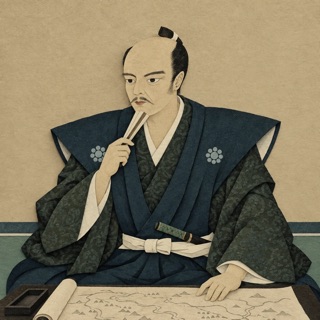
Mitsunari was a central executor of the Toyotomi government’s day-to-day work.
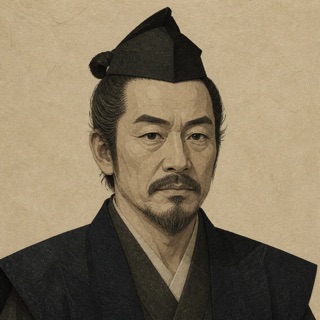
Kazumasa matters because he stood beside Ieyasu from the hostage years through the Tokugawa rise to regional dominance.
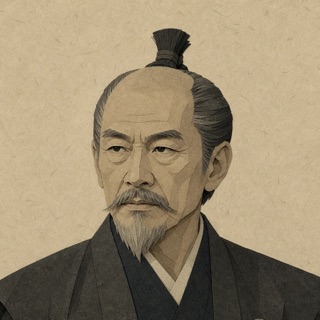
Nagachika was a capable second-rank commander from a family that had lost its home base, and he spent his first fifty years as one of Nobunaga’s officers befor…
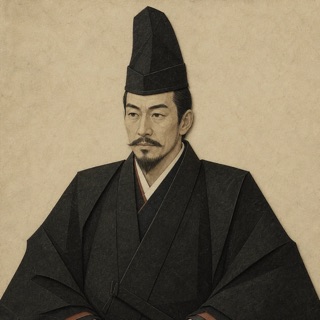
Kiyomasa was the model of the men Hideyoshi raised from nothing.
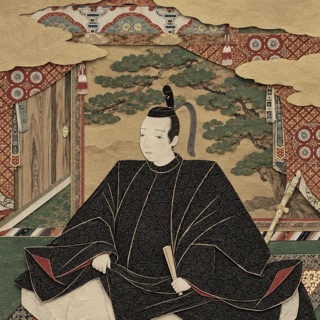
Kobayakawa Hideaki matters almost entirely because of one day.
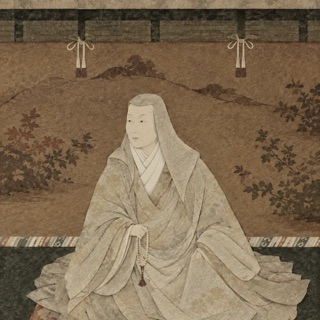
Kōdaiin matters because of the real place she held in Hideyoshi’s regime.
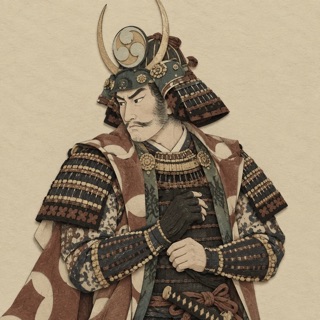
Konishi Yukinaga was one of the very few merchants’ sons to become a daimyo, and his rise shows how Hideyoshi’s regime drew on merchants and port towns: he was…
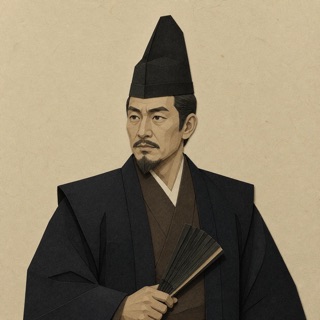
Toshiie mattered because of seniority, reputation, and family ties.
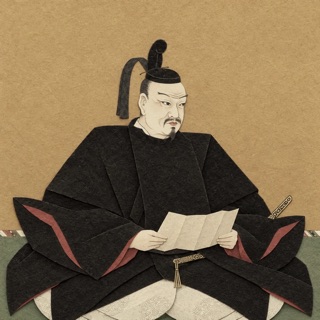
Terumoto inherited most of the Chūgoku region from Motonari and carried that inheritance into the age of unification.
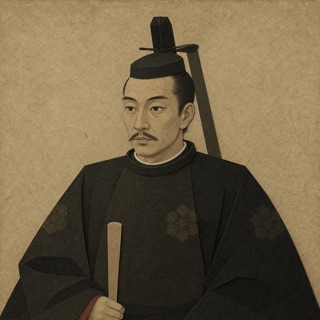
In less than thirty years Oda Nobunaga went from heir of a junior branch in Owari to ruler of the heart of Japan.
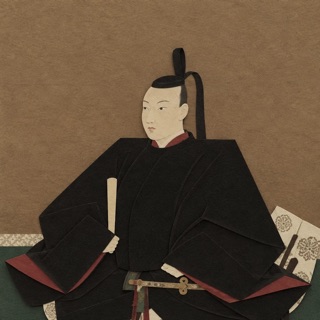
Nobutada matters because he was the successor Nobunaga had already prepared.
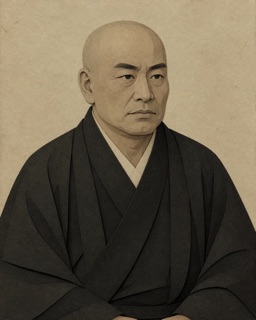
Sen no Rikyū carried the rustic tea of Murata Jukō and Takeno Jōō to a severe simplicity.
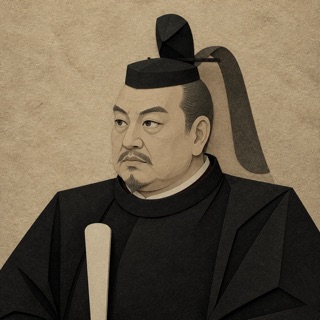
Ieyasu rose from a hostage of a minor Mikawa house to found the shogunate that ruled Japan for more than 250 years.
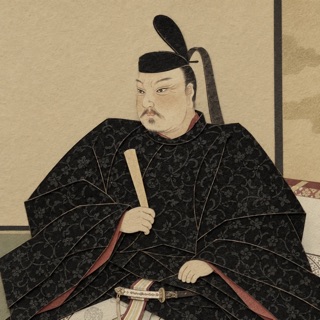
Hideyoshi rose from nothing and had no hereditary retainers, so a brother who shared his mother was the one man he could trust completely.
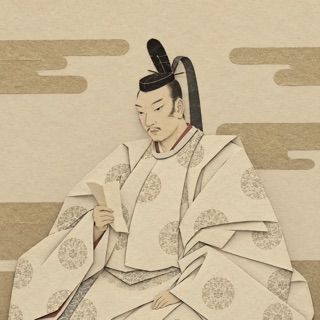
Hidetsugu mattered because of where he stood in the Toyotomi regime.
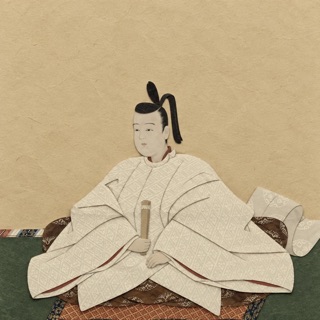
Hideyori mattered less for what he did than for what he was.
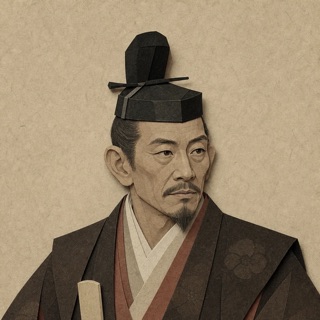
Toyotomi Hideyoshi rose from the bottom of Japanese society to rule the whole country.
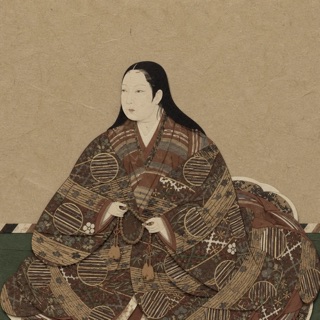
Yodo-dono stood at the point where the Oda, Toyotomi and Tokugawa houses met: a niece of Nobunaga, the mother of Hideyoshi’s heir, and the elder sister of Gō, …
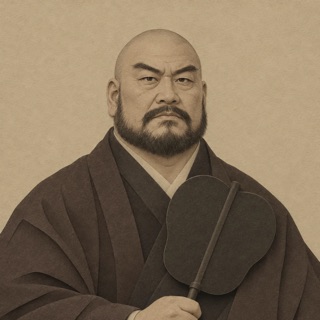
Shingen turned a poor, landlocked mountain province into a power its neighbors could not ignore, taking most of Shinano, Suruga, western Kōzuke and parts of fo…
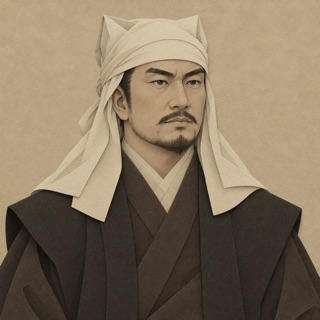
Kenshin mattered because he could lead Echigo’s armies out year after year, north into Shinano, east into the Kantō and west into the Hokuriku.
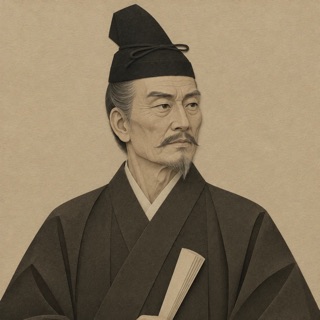
Motonari matters because he turned a small hill-country house into the master of about ten provinces of western Honshū within one lifetime.
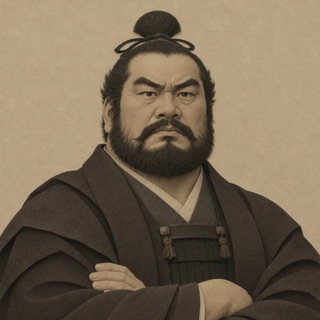
Katsuie was the senior general of the Oda house, a former opponent of Nobunaga who became his most trusted commander in the north.
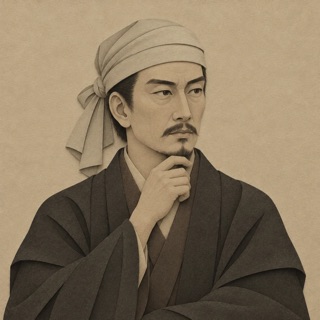
Kanbei mattered as a negotiator and a judge of local politics.
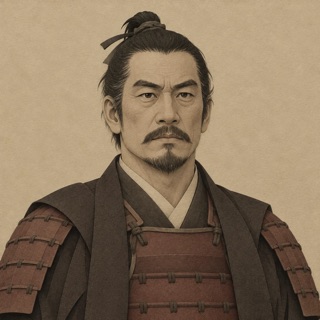
Nobushige held an independent command for less than a year, but in that time he won the Toyotomi side’s most notable success of the winter campaign at the Sana…
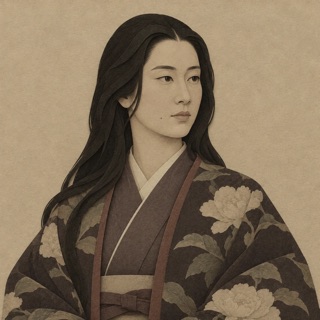
Gracia matters because her life shows where several forces of the late sixteenth century met: her father’s rebellion made her a political liability, the Toyoto…
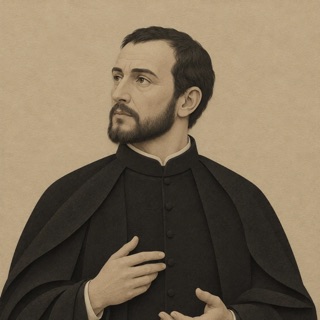
Xavier was the first Catholic missionary in Japan, and his landing at Kagoshima is usually taken as the beginning of Christianity there.