
304 people by period
The early Muromachi cast is caught up in one question: should the emperor rule, or the warriors? Emperor Go-Daigo overthrew the Kamakura shogunate and governed in person. Kusunoki Masashige, a provincial warrior, fought for him to the end and killed himself after the defeat at Minatogawa in 1336; later centuries made him the model of loyalty. The man who beat him, Ashikaga Takauji, turned first on Kamakura, then on Go-Daigo, and founded the shogunate. He handled war and rewards while his brother Ashikaga Tadayoshi, designer of the early institutions, ran the courts, until the two fought in the Kannō Disturbance.
Takauji's grandson Ashikaga Yoshimitsu tamed the great governors, ended the schism of the courts in 1392 and dealt with the Ming as "King of Japan." As a teenager he had taken up the boy actor Zeami, who turned sarugaku into Noh and wrote the Fūshikaden. In 1434 Zeami was banished to Sado by Yoshimitsu's son Ashikaga Yoshinori, the shogun chosen by lot, whose harsh drive to restore his father's authority ended in 1441, when Akamatsu Mitsusuke, hearing he was next, had him killed at his mansion.
Yoshinori's son Ashikaga Yoshimasa took office as a boy, was thwarted when he tried to govern, and turned to buildings, gardens and art, ending with the villa that became Ginkaku-ji. He named his brother heir; a year later his wife Hino Tomiko bore a son. That question, tangled with the Hosokawa–Yamana rivalry, fed the Ōnin War. Older accounts blamed Tomiko's ambition; current opinion treats her role as exaggerated.
Tōshi’s significance lies in where she stood.
Mitsusuke matters almost entirely because of the Kakitsu Disturbance.
Ano Renshi was one of the most influential women around Go-Daigo.
Mochiuji matters because his career exposed the fault line built into Muromachi rule of the east.
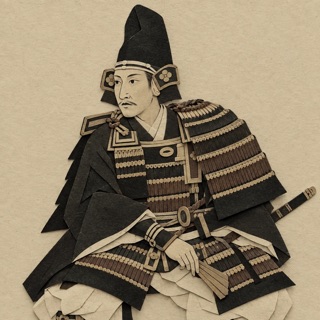
Motouji matters because he held the Kantō for the Ashikaga during the worst years of the civil war between the Northern and Southern Courts, and turned the Kam…
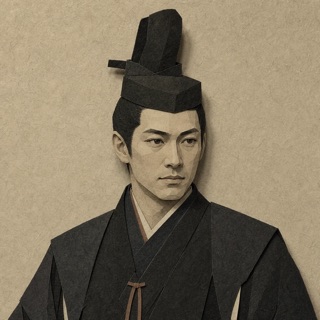
Tadayoshi was the administrative architect of the early Muromachi bakufu.
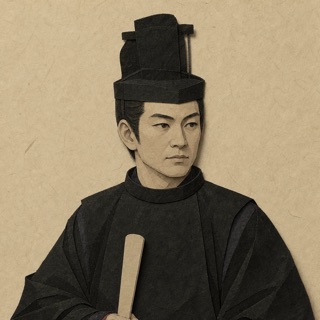
Ashikaga Takauji founded the Muromachi bakufu.
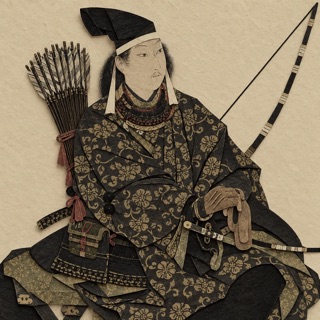
Yoshihisa’s life is a clear window onto the position of the shogun after the Ōnin War.
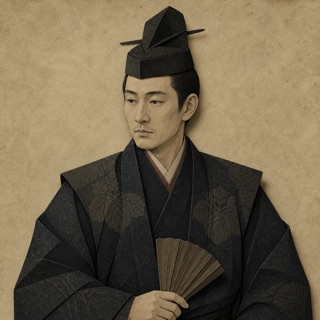
Yoshimasa is usually remembered as the aesthete who let the country burn, and the picture has a basis: he built during a famine, wavered over the succession, a…
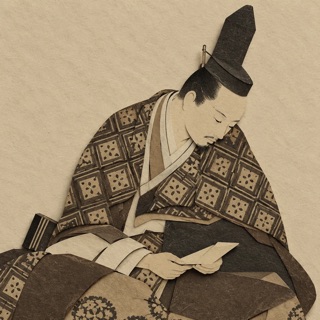
Yoshimi matters less for what he did than for where he stood.
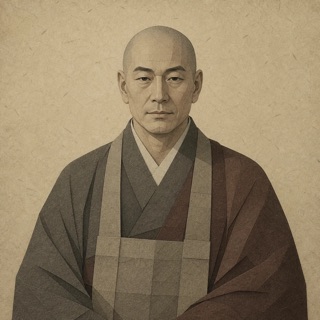
Yoshimitsu inherited a fractured country of two rival courts, independent-minded military governors and a bakufu that had nearly destroyed itself.
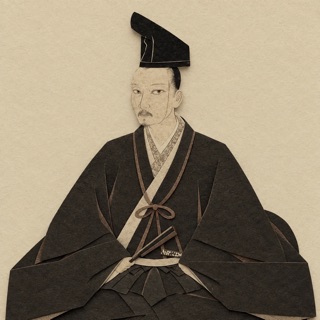
Yoshinori was one of the Muromachi shoguns who worked hardest to bring power back to the shogun.
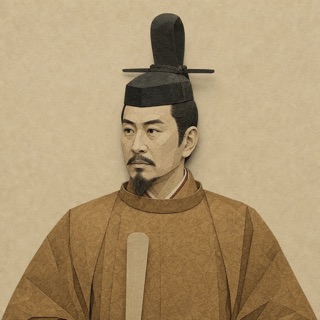
Go-Daigo was born into a divided imperial house and cast as a placeholder even within his own branch, and his determination to secure a future for his own line…
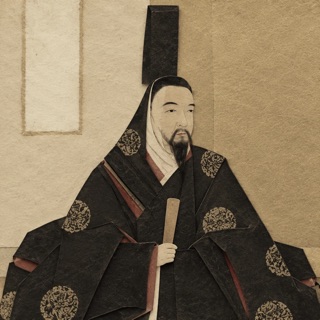
Go-Kameyama was the fourth and last emperor of the Southern Court.
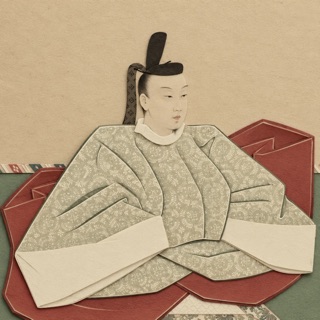
Go-Komatsu received the Sacred Treasures from the Southern Court, ending more than half a century of rival courts, and then, by abdicating to Shōkō and install…
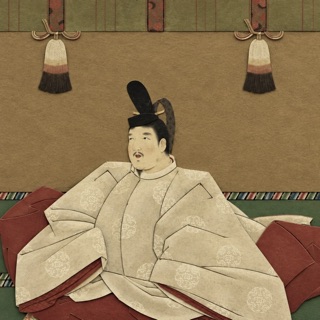
Go-Murakami reigned for nearly thirty years, longer than any other Southern emperor.
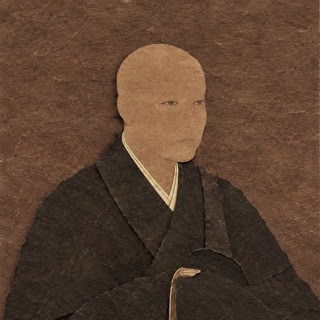
Kōgon was the first emperor of the Northern Court and a central figure at the start of the Nanbokuchō period.
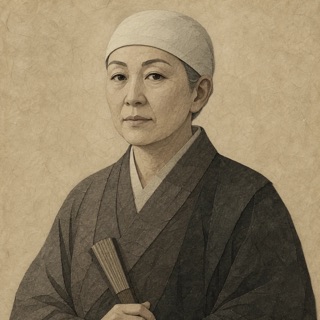
Hino Tomiko was the most powerful woman of the Muromachi bakufu in its years of collapse.
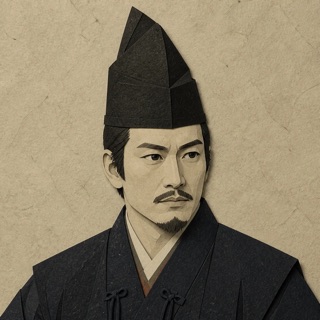
Katsumoto was one of the most powerful kanrei of the Muromachi bakufu.
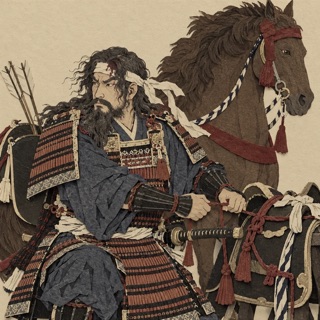
Takemitsu was a younger son from a secondary line who won the headship of his house by fighting.
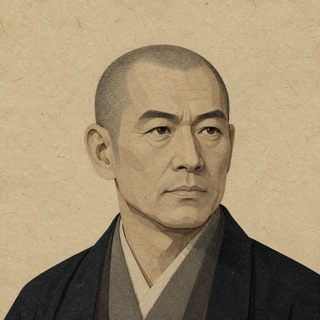
Chikafusa was the Southern Court’s leading statesman and its principal theorist.
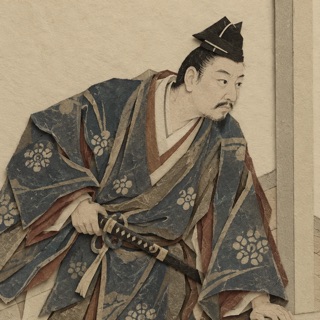
Moronao was the most powerful retainer of the early Muromachi bakufu.
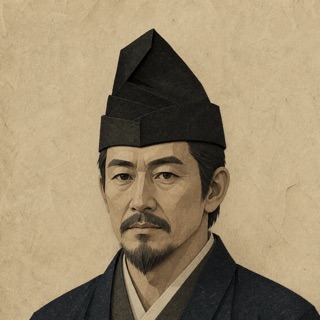
Masashige mattered because a man of modest origins, holding mountain forts in southern Kawachi, showed every wavering warrior in Japan that the bakufu could no…
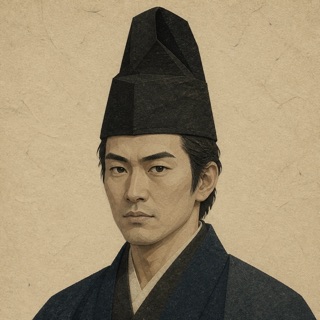
Nitta Yoshisada matters first because he destroyed the Kamakura bakufu.
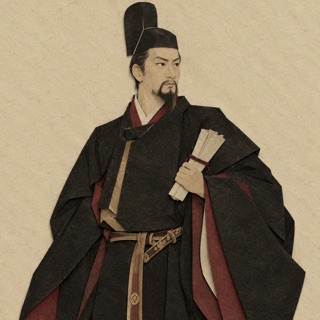
Prince Kaneyoshi built the most successful regional government the Southern Court ever had.
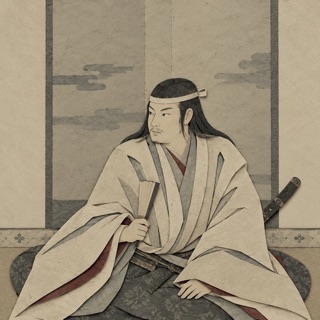
Moriyoshi was at the center of events for barely four or five years, but in the two years after 1331 he and Kusunoki Masashige were the core of resistance to t…
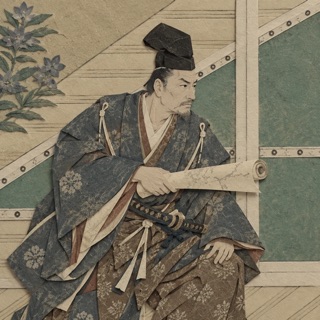
Noriaki’s career followed the course of early Muromachi politics in the east very closely.
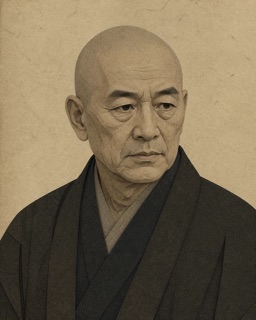
Sōzen’s life followed a consistent line.
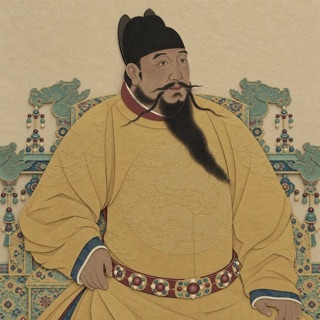
The Yongle Emperor’s twenty-two years on the throne were the height of early Ming power.
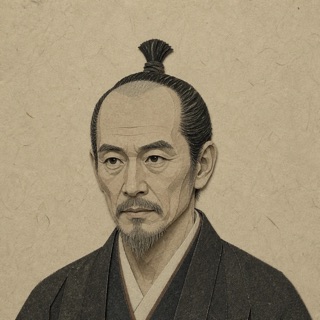
Zeami turned a popular entertainment that courtiers dismissed as beggars’ work into a stage art able to carry classical literature and Buddhist thought, admire…
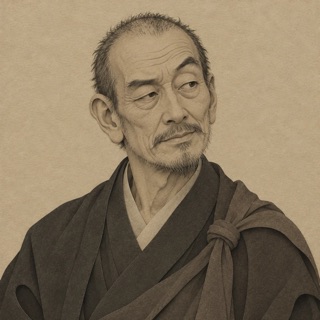
Ikkyū matters as the most outspoken critic within fifteenth-century Zen.
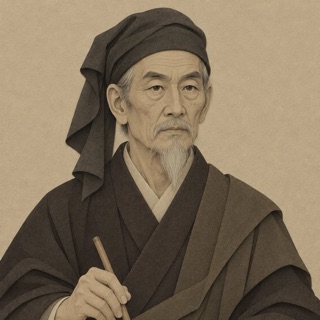
Sesshū took the Chinese landscape tradition that Japanese monk-painters had known mainly through imported pictures and rebuilt it in ink with a firmness and pe…
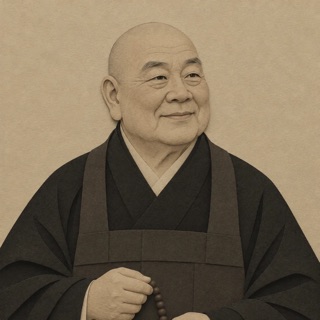
Rennyo turned a poor dependency of a Tendai temple into a network of congregations and temples across the Kinai, the Hokuriku coast and the Tōkai.
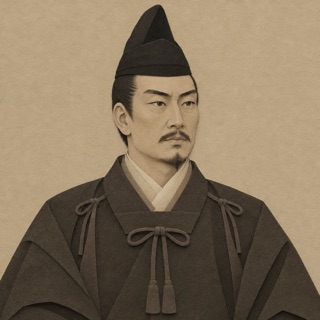
Yoshimochi presided over the shogunate for some three decades.
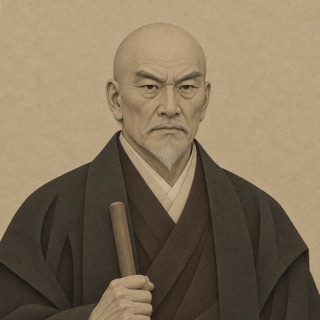
Starting from a single castle, he took Izu and Sagami in about thirty years and built a style of government based on land surveys and direct dealings with vill…