
304 people by period
Most Nara-period figures hang on one thread: keeping the throne in a single royal line, and the Fujiwara using marriage to get close to it. Empress Genmei took the throne when her son Emperor Monmu died young, holding it for her grandson Prince Obito, and moved the court to Heijō-kyō in 710. Her daughter Empress Genshō reigned until Obito succeeded as Emperor Shōmu. Behind them stood Fujiwara no Fuhito, a leading drafter of the Taihō Code, who married one daughter to Monmu and another, Kōmyōshi, to Obito. After Fuhito died, Prince Nagaya, a grandson of Emperor Tenmu, led the government until Fuhito's four sons drove him to suicide in 729, clearing the way for Empress Kōmyō, the first empress born outside the imperial family.
Shōmu answered smallpox and rebellion with the Great Buddha of Tōdai-ji. To raise labor and donations he enlisted Gyōki, a popular preacher the court had once condemned. The year after the dedication, the Chinese monk Ganjin arrived on his sixth attempt and ordained Shōmu, Kōmyō, and their daughter. The scholar Kibi no Makibi, back from China, rose after the epidemic and in old age planned the defeat of Fujiwara no Nakamaro.
That daughter, Empress Kōken, dominates the second half, reigning twice, the second time as Shōtoku. Kōmyō's nephew Fujiwara no Nakamaro ruled with his aunt's backing, clashed with Kōken after her death, and was killed in 764. Kōken's favorite, the monk Dōkyō, became "Dharma King"; when a 769 oracle proposed him for the throne, Wake no Kiyomaro brought back a contrary one and was banished. After Shōtoku died the nobles chose Emperor Kōnin, a grandson of Tenji, from whom every later emperor descends.
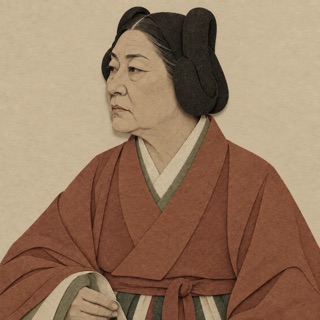
Michiyo never held an office of state in the sense that men did, and her influence worked through marriage, child-rearing and service in the palace.
Motoi did nothing himself; he mattered because of where he stood.
Osabe left no deeds of his own; his importance lies in his position.
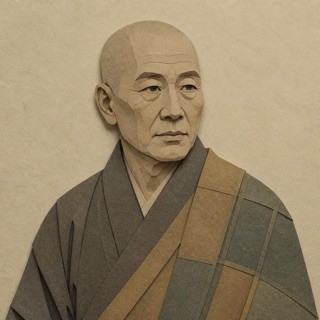
Dōkyō is almost unique in Japanese history: a monk who rose to the highest office in the realm and received the title of Dharma King, with the perquisites of a…
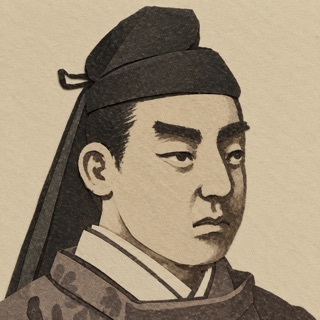
Junnin matters mainly because his fate exposed a gap in the Nara-period monarchy.
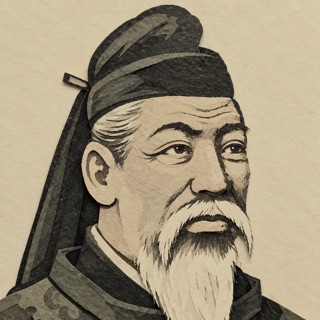
Kōnin’s own achievements were modest; his importance lies in his position.
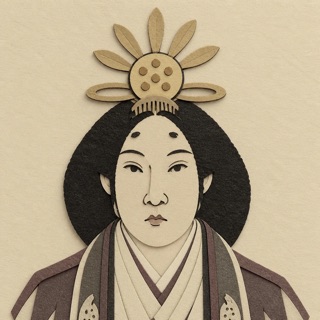
Genmei’s accession and her abdication served one purpose: to keep the throne in the line running from Tenmu and Jitō through Kusakabe to her grandson Obito aft…
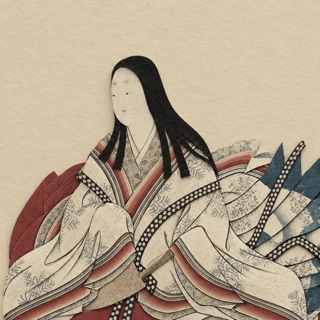
Genshō was a necessary link in keeping the throne within Kusakabe’s line.
Jitō turned the programs begun under Tenmu into working institutions: the Asuka Kiyomihara Code was put into force, household registers and field allocation we…
She was the only female sovereign who had first been formally designated heir, the only sovereign who ruled as an ordained nun, and the second to reign twice.
Kōmyō was the first empress born a subject rather than a royal, legend aside.
During Suiko’s thirty-six-year reign Asuka became the seat of royal power, Buddhism moved from a single clan’s faith to a religion backed by the throne, the ca…
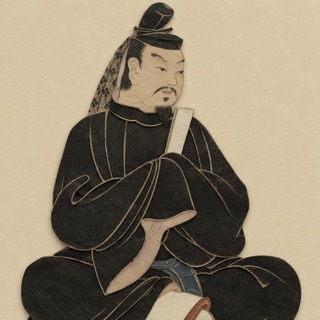
Fuhito was one of the main builders of the Japanese ritsuryō state.
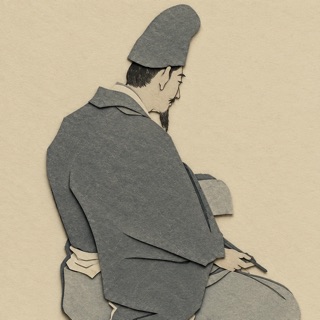
Fusasaki’s own career was not dazzling: he spent twenty years as a councilor, never served as minister and left no recorded policy.
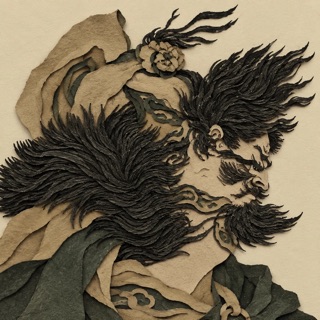
Hirotsugu’s rising was part of the reshuffling of power after the four Fujiwara brothers died.
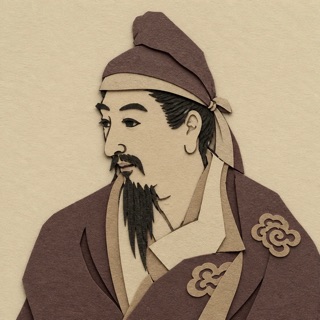
Maro was one of the four brothers who carried the Fujiwara through their first rise to power.
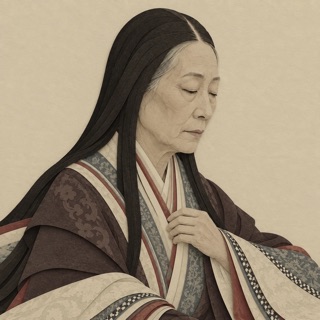
Miyako’s importance lies almost entirely in her position.
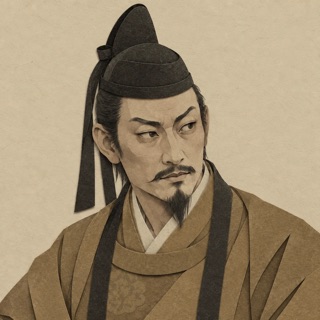
Momokawa mattered because of where he stood.
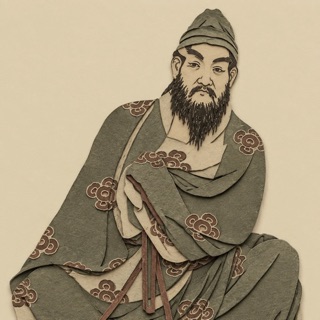
Muchimaro matters because he carried his father’s program into the next generation.
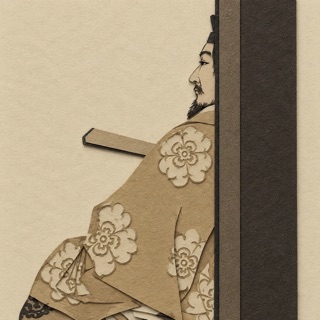
Nagate matters for where he stood at a few turning points.
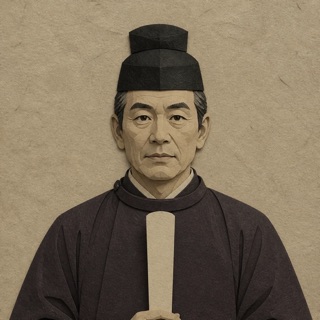
Nakamaro was the most powerful subject at the mid-Nara court.
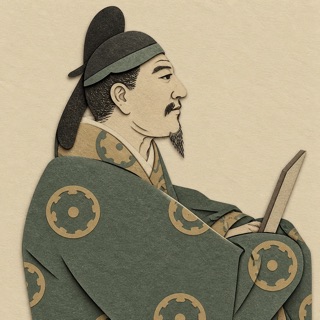
Umakai was the Fujiwara brother most often sent away from the capital and given military command: vice-envoy to the Tang, provincial governor and inspector, ge…
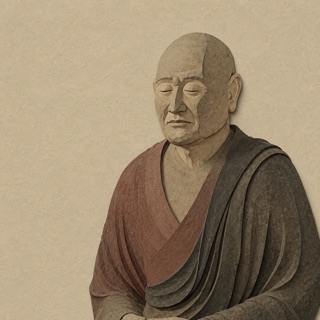
Ganjin’s main contribution was institutional.
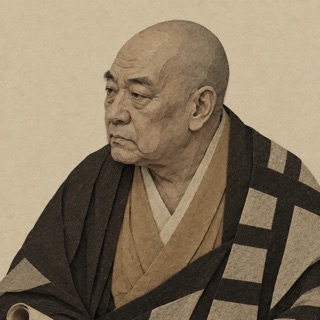
Two of Genbō’s achievements are secure.
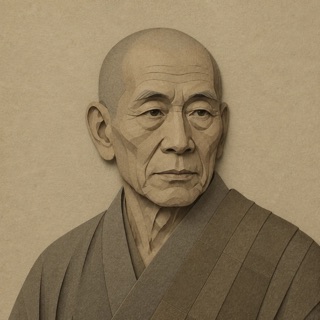
Gyōki matters because he joined popular Buddhist devotion to practical public works.
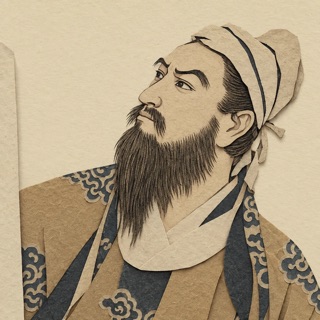
The clearest thread in Makibi’s life is the exchange of learning for position.
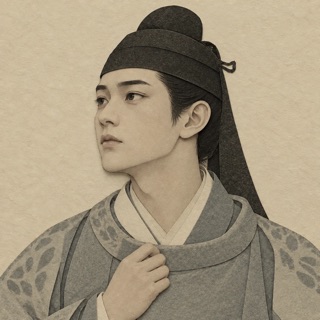
Asaka left almost no record of his own; his importance lies in where he stood.
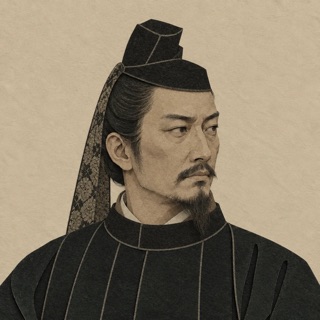
Nagaya led the Council of State for most of a decade after Fuhito’s death, saw the transition from the empresses Genmei and Genshō to Emperor Shōmu, and presid…
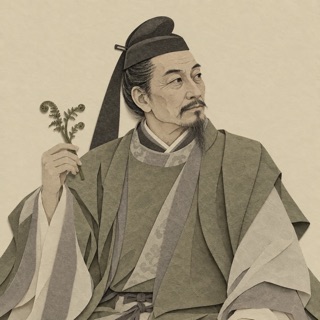
Shiki won no battles, held no high office and was caught up in none of the famous conspiracies of his age.
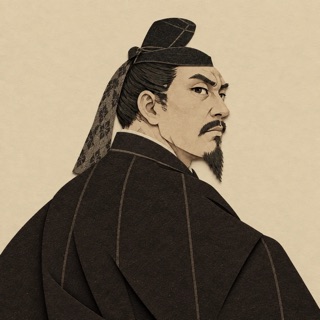
Shioyaki matters less for anything he did than for where he stood.
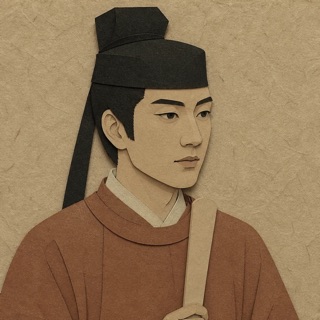
Umayado matters because he stood near the center of Suiko’s court.
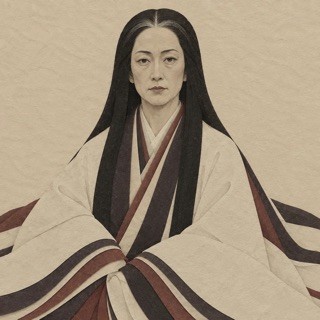
Inoe stood at a turning point in the Nara succession.
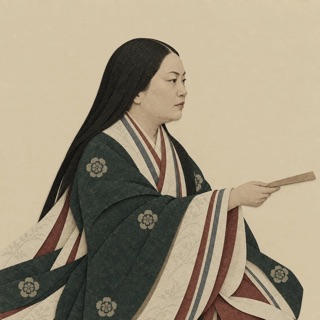
Kibi mattered because of where she stood.
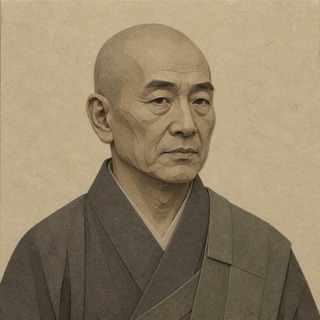
Read through the reliable sources, Rōben was an organizer.
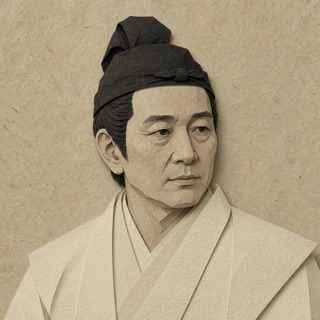
Shōmu’s twenty-five years on the throne saw a run of crises: the destruction of Prince Nagaya, the smallpox epidemic, Hirotsugu’s rebellion and a long uncertai…
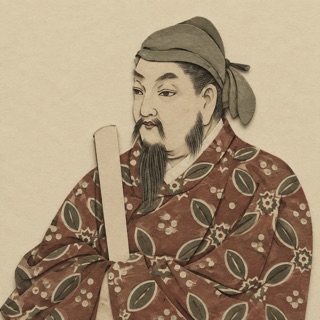
Moroe led the Nara court for close to twenty years after the epidemic of 737.
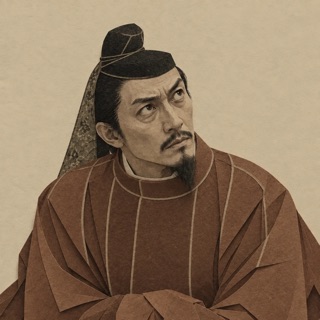
Naramaro’s conspiracy was the largest challenge to Fujiwara no Nakamaro’s rise under Empress Kōken.
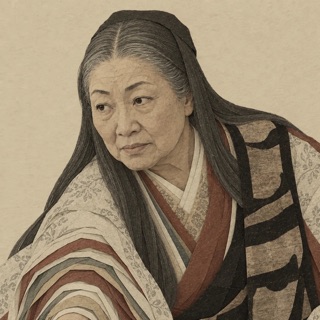
Hiromushi held no great political office.
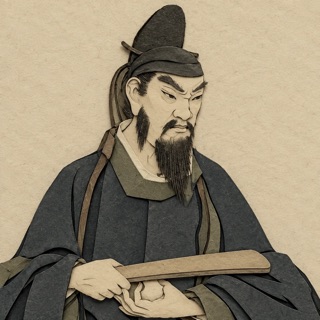
Kiyomaro is remembered first for the Usa oracle affair.
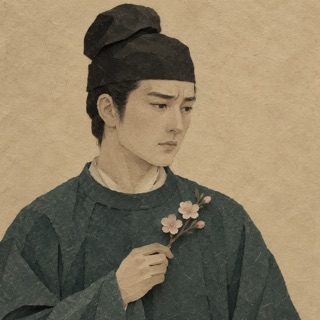
About 470 of the Man’yōshū’s roughly 4,500 poems are by Yakamochi, and Books 17 to 20 are close to his dated poetic diary; he is generally thought to have play…
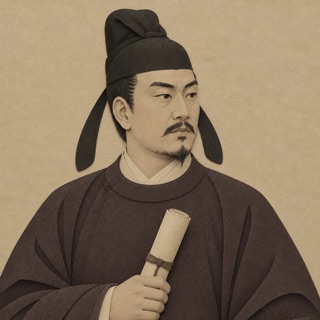
Abe no Nakamaro went further inside the Tang state than any other Japanese student of his era.