
304 people by period
The people of the Heian period are easiest to follow by watching who held power in the capital. It starts with Emperor Kanmu, who moved his court twice in ten years, settled it at Heian-kyō, and sent armies against the Emishi of the northeast. Two monks sailed with the embassy to Tang China in 804: Saichō came home to found the Tendai school on Mount Hiei, and Kūkai founded the Shingon school and won the favor of Emperor Saga, who gave him Tō-ji in the capital.
From the ninth century the Northern House of the Fujiwara took the lead. Fujiwara no Yoshifusa became the first regent not of imperial blood, and his adopted son Mototsune went on to manage affairs for adult emperors too. Emperor Uda raised the scholar Sugawara no Michizane as a check on the family, but Fujiwara no Tokihira's faction drove him to Dazaifu, where he died; he is still worshipped as Tenjin. Under Fujiwara no Michinaga the regency peaked. His daughter Shōshi became empress and bore two future emperors, and one of her ladies-in-waiting, Murasaki Shikibu, wrote The Tale of Genji.
Late in the eleventh century Emperor Shirakawa, son of Go-Sanjō, abdicated and kept ruling as retired emperor, drawing warriors into court politics. In the Hōgen War of 1156, Minamoto no Yoshitomo and Taira no Kiyomori fought on the same side; a few years later, in the Heiji War, they were enemies, and Yoshitomo was killed. Kiyomori rose to chancellor and put his daughter Tokuko's son on the throne as Antoku. Yoshitomo's sons had the last word: Yoritomo rose in Izu, and Minamoto no Yoshitsune won at Ichi-no-Tani, Yashima, and Dan-no-ura, where the Taira fell.
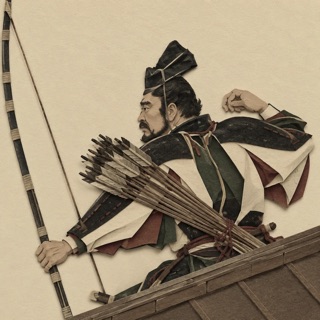
With the resources of a regional family, Sadatō held off a governor who was also commander of the northern frontier for more than five years, beat him in open …
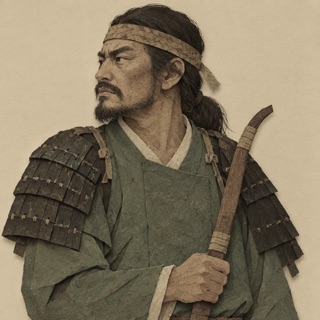
Aterui matters as the figure around whom Emishi resistance in Isawa formed.
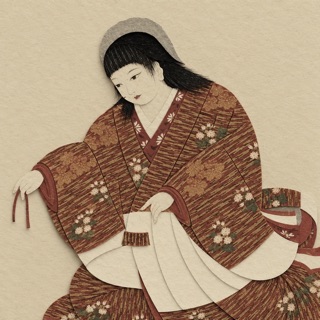
Antoku left almost no trace of himself as a person; his importance is that his short life runs straight through the rise and destruction of the Taira.
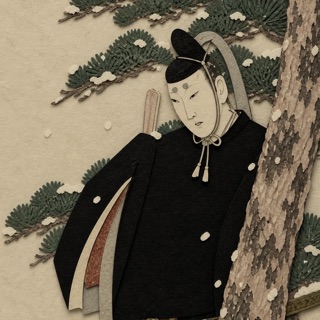
Go-Sanjō reached the throne through a gap in the regents’ system.
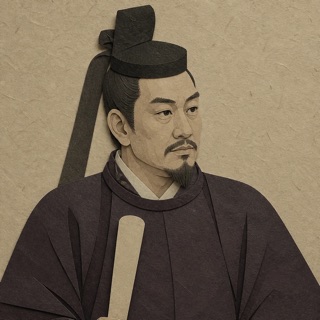
Kanmu came from a side branch of the royal house and had a mother of Baekje descent, and almost nobody expected him to rule.
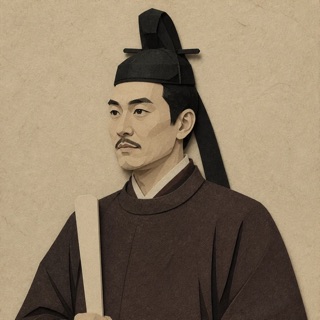
Saga defended his father’s capital and policies against his brother’s challenge in 810, and kept the government working as the older legal order loosened, thro…
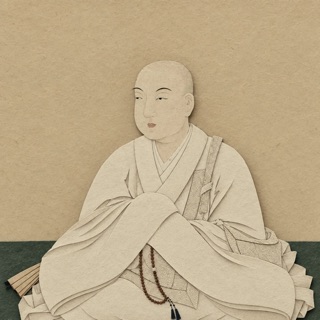
Seiwa left little trace of personal action; his importance lies in two things.
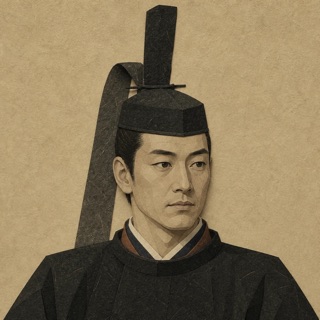
Shirakawa is remembered as the founder of insei, rule by a retired emperor.
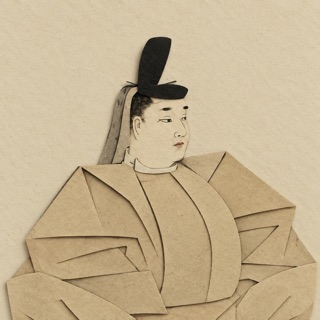
Sutoku matters above all as the clearest loser of the insei system, in which a retired emperor could govern only as the father or grandfather of the reigning e…
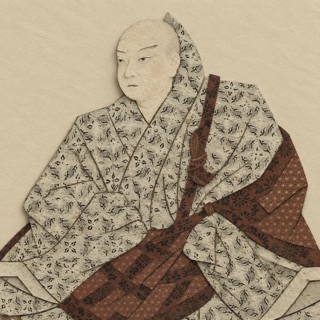
Emperor for sixteen years and governing retired emperor for twenty-eight, Toba consolidated the rule by retired emperors that Shirakawa had improvised.
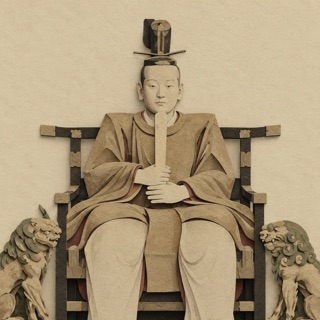
Uda was the only emperor in Japanese history who had been reduced to commoner status and then returned to the imperial family to take the throne, and his life …
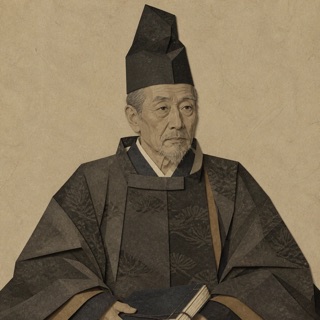
Kiyohira founded the Northern Fujiwara.
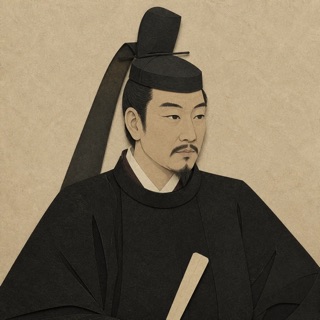
Michinaga marks the high point of Fujiwara regency government.
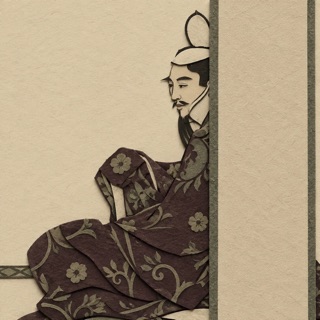
Mototsune took the position his adoptive father Yoshifusa had created and made it more explicit and more forceful.
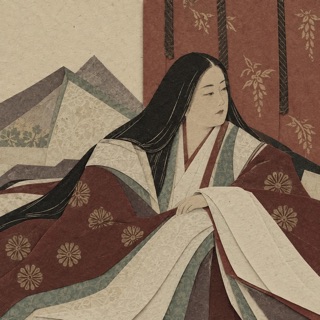
Shōshi’s life covers almost exactly the high point of Fujiwara regency government.
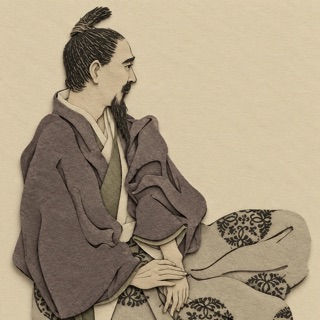
Tadamichi served as sesshō or kanpaku for thirty-seven years under Toba, Sutoku, Konoe and Go-Shirakawa, one of the longest tenures in the history of the regen…
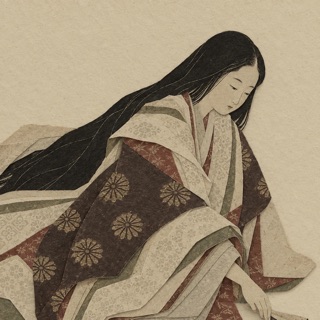
Taikenmon’in stood where the lines of insei politics crossed.
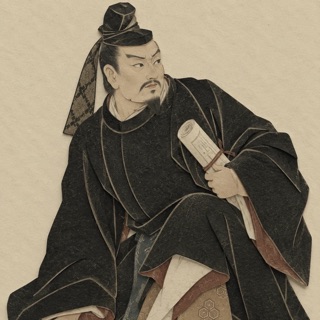
Tanetsugu’s time at the center of history lasted only four or five years, and his place rests almost entirely on two things: building Nagaoka-kyō and being mur…
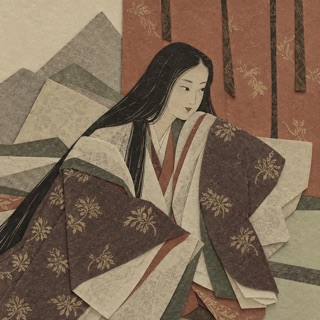
Teishi’s life shows how Fujiwara regency politics actually worked: an empress’s security rested on her family’s power, not on the emperor’s affection.
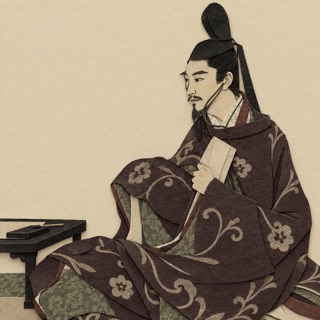
Tokihira reached the summit of the Heian court very young, carried there by his father’s standing and the favor of successive emperors.
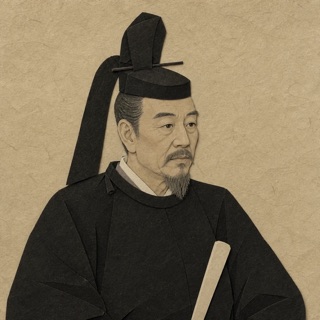
Yorimichi held the offices of regent and kanpaku for some fifty years, longer than anyone else in Japanese history, and his line, through Morozane, became the …
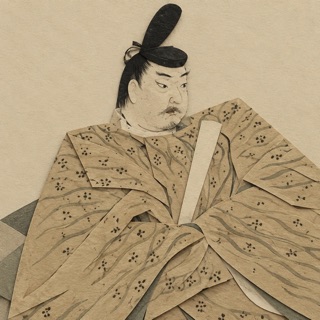
Yorinaga was the last great minister of the old court order to stake everything on learning and law.
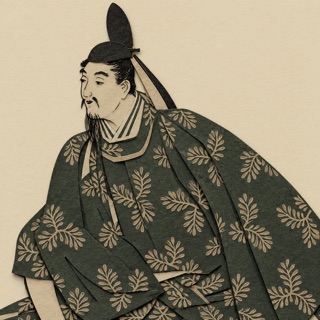
Yoshifusa is usually treated as the starting point of Fujiwara regency.
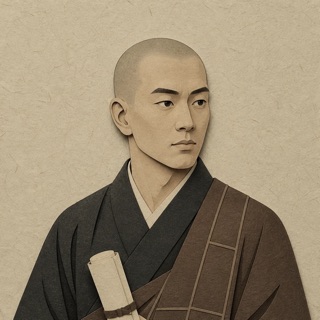
Kūkai matters because, in little more than a year in Chang’an, he obtained the full esoteric transmission of the leading master Huiguo, and then, through liter…
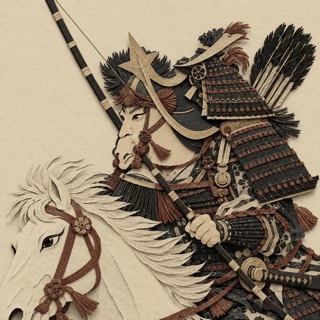
Yoshiie’s importance rests above all on his skill at arms.
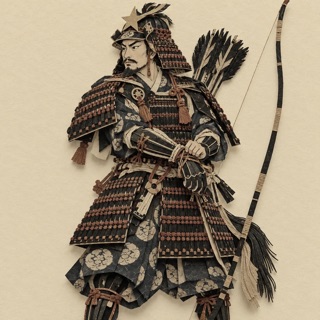
Yoshitomo matters because he pulled the Kawachi Genji back into the center of politics.
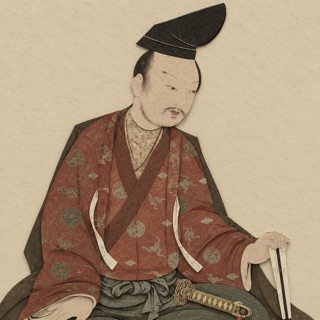
Yoshitsune matters first as the commander who decided the Genpei War.
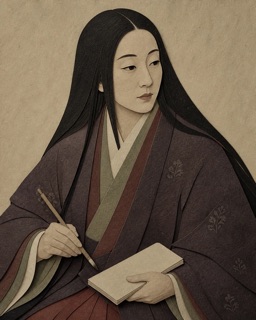
Murasaki Shikibu wrote The Tale of Genji, a fifty-four-chapter tale in kana prose interwoven with waka, whose attention to the inner lives of its characters ha…
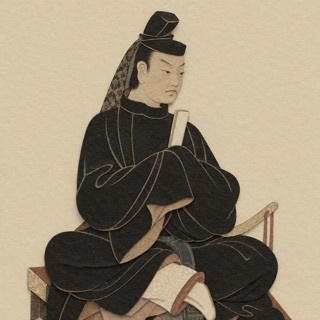
Sawara’s political career was short; his importance lies mostly in what happened after his death.
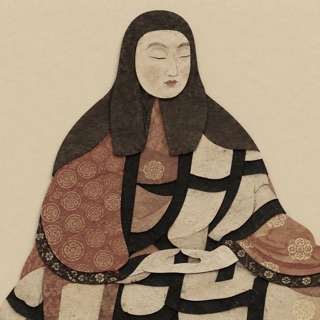
Saichō mattered as a builder of institutions.
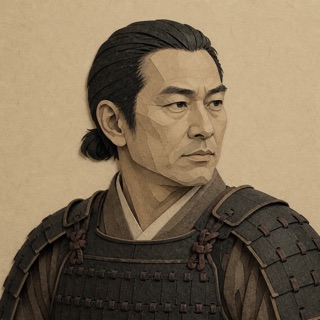
Tamuramaro matters as the most successful agent of Emperor Kanmu’s war in the north.
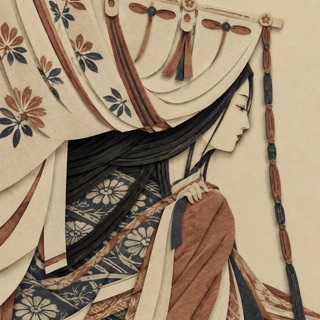
Sei Shōnagon wrote The Pillow Book, some three hundred passages of lists, anecdotes and reflections on court life, the seasons and human likes and dislikes, us…
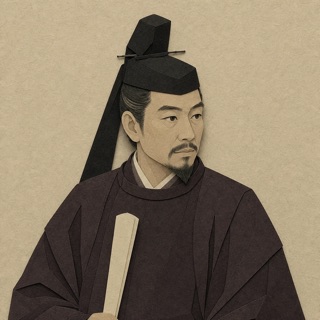
Michizane was the leading Chinese-language poet and scholar of early Heian Japan.
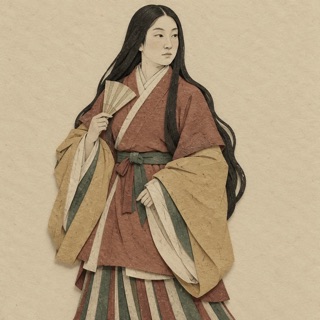
Kachiko matters because she broke the rule about who could be empress.
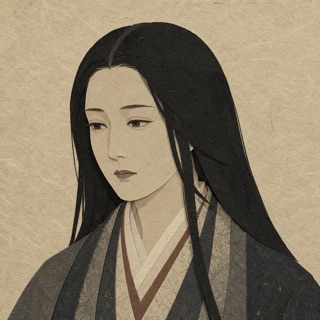
Tokuko’s importance came less from anything she decided than from what she was: the link between Kiyomori and the imperial line, and the mother through whom An…
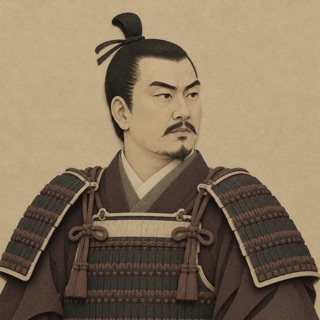
Masakado seized provincial headquarters and openly proclaimed himself emperor, going further than almost any provincial rebel.
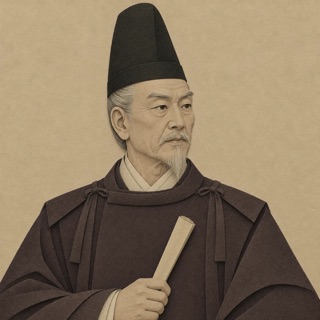
Seimei mattered because he turned astronomy, calendrical calculation, divination and ritual into a service the Heian court could rely on.
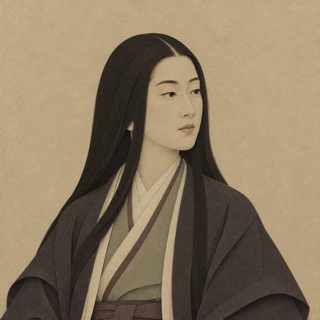
Komachi matters because of her poems.
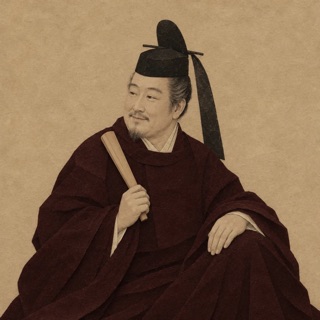
Tsurayuki was a mid-ranking official who made his place at court through words.
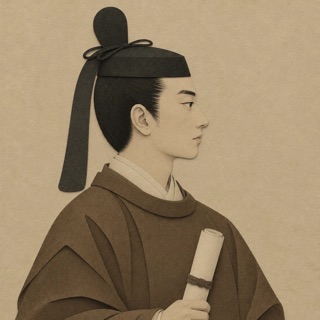
Ichijō reigned for twenty-five years inside the marriage politics of the northern Fujiwara: his accession, both his empresses and his final choice of heir were…
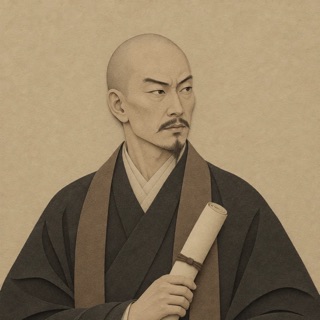
Shinzei matters because, without lineage or troops, he ran the court after 1156 on the strength of learning, a command of law and precedent, and his personal b…
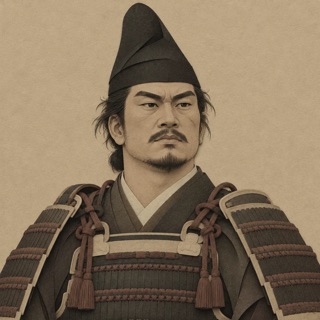
Yoshinaka broke the main Taira army in the north and drove the Taira, with their emperor and regalia, out of the capital, a turning point in the Genpei war.