
304 people by period
Edo politics is easiest to follow down the line of shoguns. Tokugawa Ieyasu handed the title to his son Tokugawa Hidetada after only two years, and Hidetada turned what his father had won into an inheritable system; he also married his daughter Masako to Emperor Go-Mizunoo. Hidetada's son Tokugawa Iemitsu, raised by the wet nurse Kasuga no Tsubone, was the first shogun born to the post. The shogunate's offices and alternate attendance took their lasting form under him, and his senior councillor Matsudaira Nobutsuna led the siege that ended the Shimabara rising.
The fifth shogun, Tokugawa Tsunayoshi, tried to remake samurai society on Confucian lines and leaned on his favorite Yanagisawa Yoshiyasu. His successor Ienobu scrapped the animal edicts and relied on the scholar Arai Hakuseki. When the main line failed, Tokugawa Yoshimune of the Kii branch became shogun and led the Kyōhō Reforms, with the magistrate Ōoka Tadasuke carrying them out in Edo. Later leaders swung between two approaches: Tanuma Okitsugu looked to commerce for revenue, while Yoshimune's grandson Matsudaira Sadanobu returned to frugality in the Kansei Reforms, and Mizuno Tadakuni tried again and was dismissed in 1843.
A second line runs through learning and the arts. Hayashi Razan served four shoguns as a Neo-Confucian scholar. Ogyū Sorai insisted on mastering ancient language before reading the classics, and Motoori Norinaga applied that method to Japan's own Kojiki. Sugita Genpaku and his colleagues translated a Dutch anatomy text, opening the way for Dutch learning. In the Genroku years Matsuo Bashō turned playful linked verse into serious poetry, and later, when Edo became the cultural center, Katsushika Hokusai produced the Hokusai Manga and Thirty-six Views of Mount Fuji.
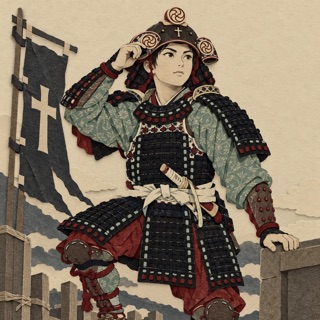
Amakusa Shirō is the emblem of the Shimabara Rebellion, the largest armed uprising of the Edo period, which grew out of the heavy taxation of the Matsukura and…
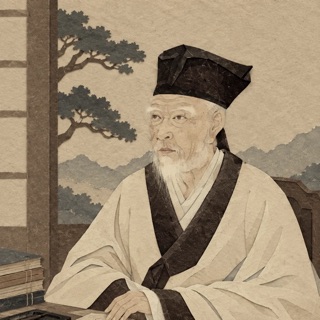
Hōshū matters because he put a Confucian scholar’s learning to work in the practical business between Tsushima and Busan.
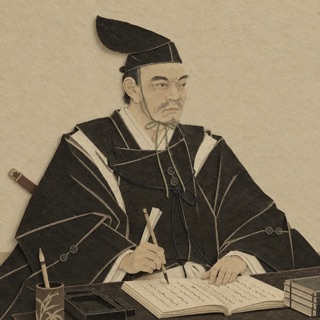
Hakuseki was one of the very few Confucian scholars of the Tokugawa period to reach the center of government.
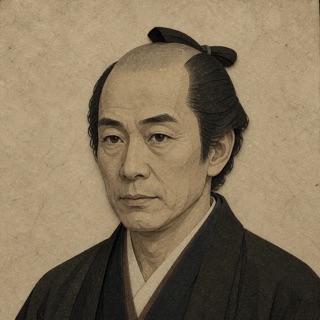
Chikamatsu matters because he moved jōruri away from strings of adventures and miracles toward drama centerd on character and conflict.
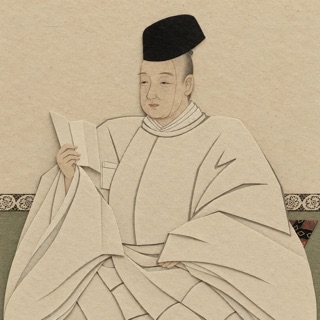
Kōkaku came to the throne from a side branch, yet at a time when shogunal rule seemed secure he won back for the court a measure of ceremonial and symbolic spa…
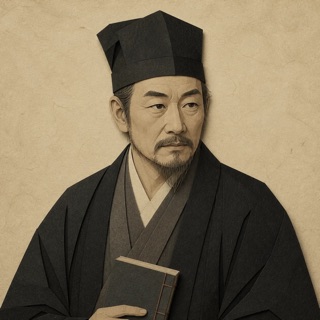
Razan was the first man to serve the Tokugawa shogunate for decades in the role of a Confucian scholar, attending four shoguns from Ieyasu to Ietsuna.
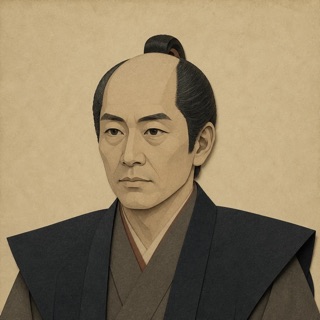
Tsunamasa matters as a consolidator who worked within the institutions his father left and kept funding practical projects.
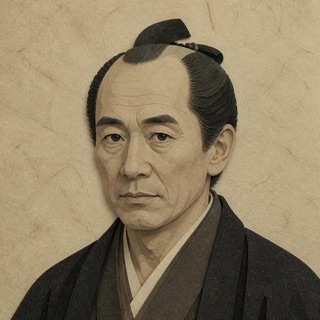
Tadataka’s ten surveys produced the first map of Japan’s coasts and main highways, from Ezo to Kyūshū, drawn to a consistent scale from actual measurement.
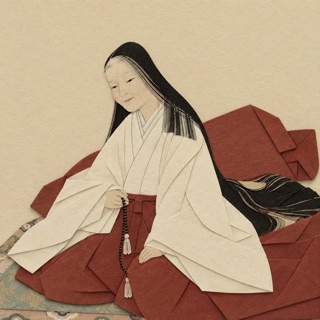
Kasuga no Tsubone was one of the few women of the early Edo period who acted directly in political affairs.
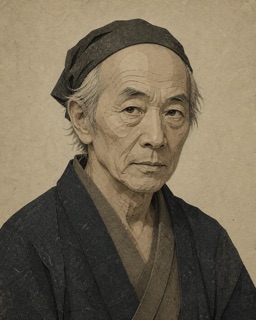
Hokusai matters because he worked at a high level in nearly every format open to an Edo artist: actor prints, pictures of beauties, surimono, book illustration…
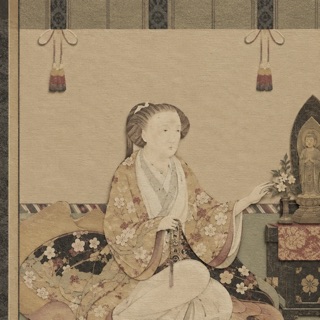
Keishōin held no office and left no documents showing her directing policy; her weight came from being the shogun’s mother.
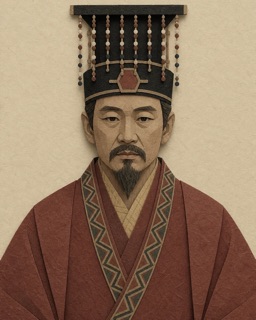
Shō Nei reigned at a moment of upheaval in East Asia, and under him the Ryūkyū Kingdom suffered the heaviest blow in its history.
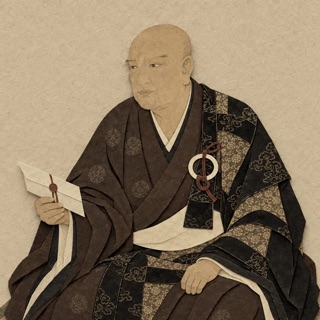
Sūden mattered because he carried the literary Chinese and the command of legal form he had learned in the Zen monasteries into the center of the Tokugawa gove…
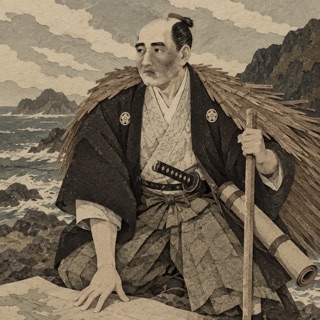
Rinzō’s achievement is concentrated in 1808 and 1809.
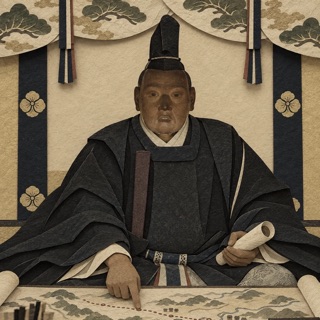
Matsudaira Nobutsuna was a leading executor of the transition in which the Tokugawa shogunate turned from a military conquest into a durable system of governme…
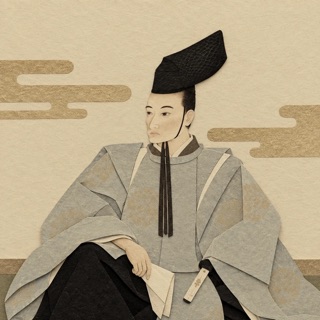
Sadanobu matters chiefly as the leader of the Kansei Reforms, one of the three great reform efforts of the Edo period.
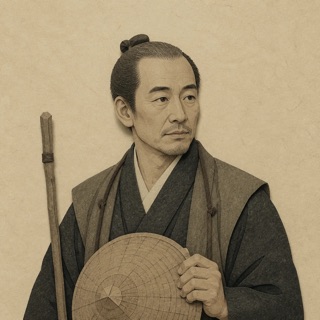
Bashō held no office and fought in no battle; his importance is entirely literary.
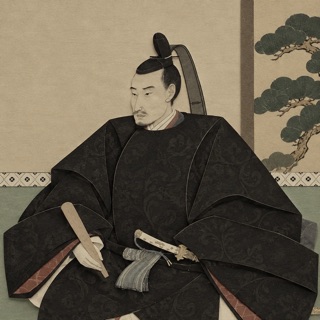
Mizuno Tadakuni matters as the architect of the Tenpō Reforms, grouped with the Kyōhō and Kansei reforms as the three great reforms of the Edo period.
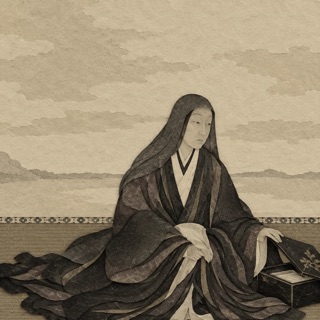
Oeyo matters chiefly because of where she stood among the great houses of her age.
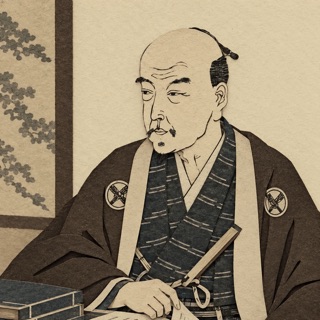
Sorai changed how the Confucian classics were read and what Confucianism was taken to be.
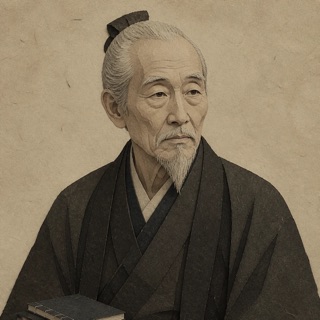
Genpaku mattered less as a linguist than as an organizer.
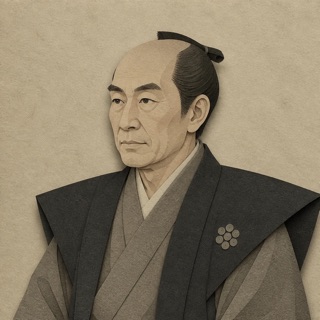
Tanuma Okitsugu matters because he was among the first Tokugawa statesmen to confront the fact that a rice-based fiscal system could no longer pay the shogunat…
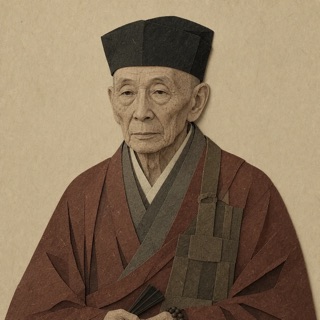
Tenkai mattered as one of the architects of the religious order of the Tokugawa state.
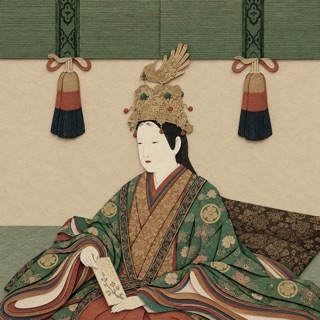
Tōfukumon’in matters first as the vehicle of the Tokugawa plan to become maternal kin of the emperor.
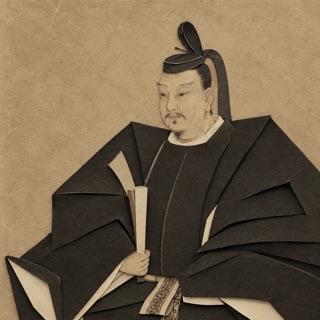
Hidetada’s task was not to conquer but to turn his father’s conquest into a regime that could outlive its founder.
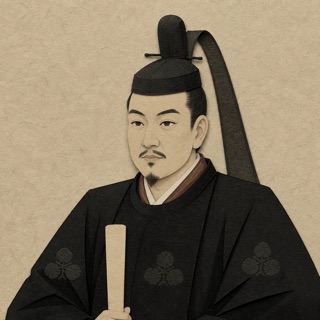
Iemitsu was the first Tokugawa ruler destined for the office from the cradle.
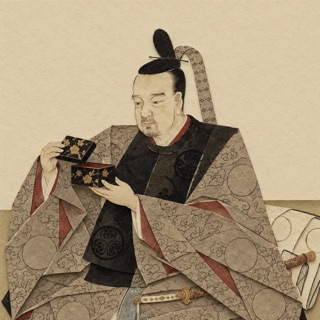
Ienari held the office of shogun for fifty years, longer than any other member of his family, and kept real power for four more years in retirement.
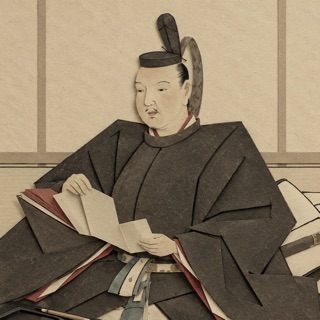
Ienobu’s short reign marked a turning point in Tokugawa politics.
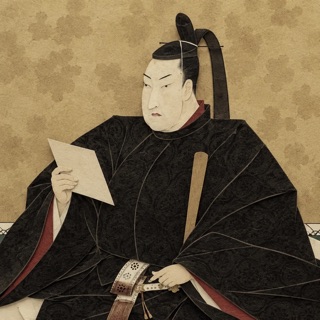
Tsunayoshi was a ruler who seriously tried to remake warrior society according to Confucian ideals.
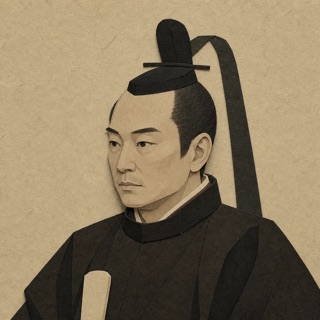
Yoshimune led the Kyōhō reforms, the model that Matsudaira Sadanobu and Mizuno Tadakuni later invoked for their own.
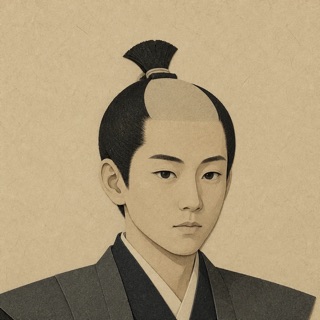
Nobuhira was one of the main builders of the Hirosaki domain as an early modern state.
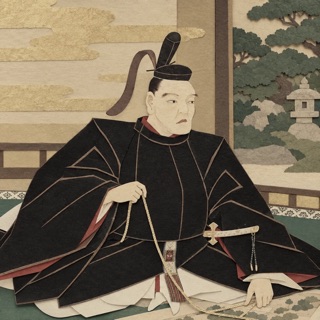
Yanagisawa Yoshiyasu is the leading example of government through the shogun’s chamberlains.
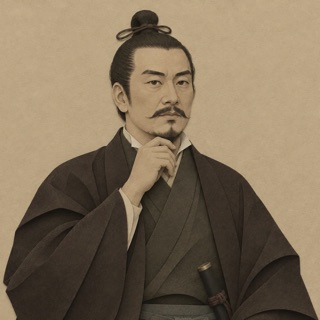
Hasekura was a middle-ranking retainer who completed an extraordinary circuit: across the Pacific to Mexico, across the Atlantic to Spain, on to Rome, and home…
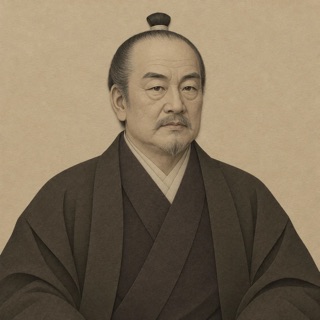
Mitsukuni matters above all as the founder of the Mito history project.
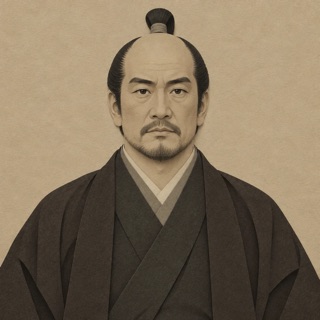
Ōishi’s distinctive achievement lies less in the night attack than in the twenty-one months before it.
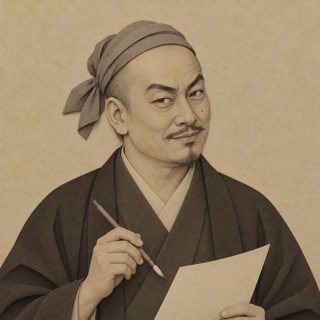
Saikaku matters because he put the townspeople of Ōsaka, Kyoto and Edo, with their appetites, calculations, successes and bankruptcies, straight into fiction.
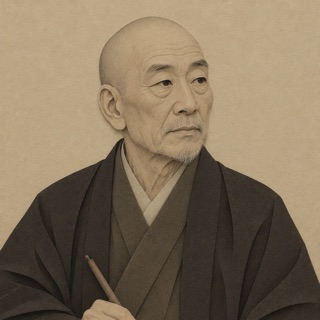
Hiroshige became one of the best-selling artists of late Edo by turning familiar famous places into scenes of weather, season and hour, often seen through smal…
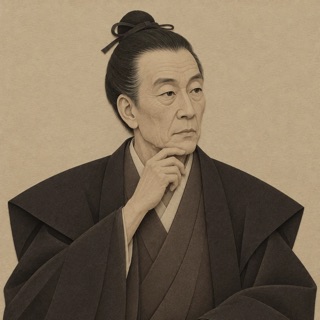
Norinaga turned kokugaku, or National Learning, from scattered antiquarian study into a systematic discipline.
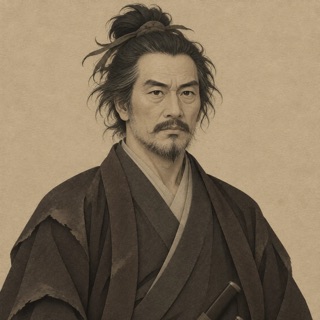
Musashi matters as a swordsman with real combat experience who, late in life, set down his method as a systematic treatise.
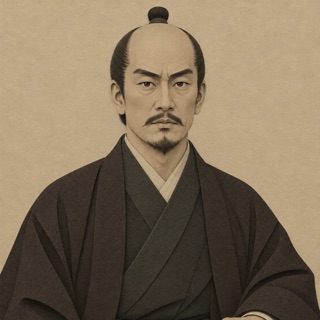
Ōshio matters because a former shogunal official and respected Wang Yangming scholar took up arms in the commercial heart of the country and publicly accused o…
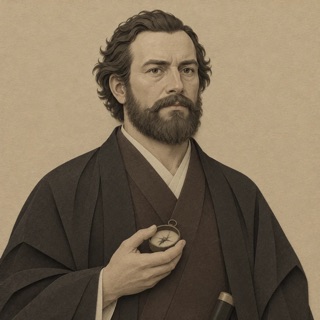
Adams was the first Englishman to settle in Japan and serve the Tokugawa regime.
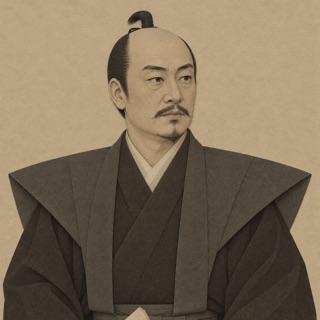
Ōoka Tadasuke was the official who carried Yoshimune’s Kyōhō Reforms into the daily life of Edo.