
304 people by period
Almost everything in Meiji was done in the name of Emperor Meiji, who came to the throne at fourteen in early 1867 and rarely voiced his own views. The work was done by those around him. The court noble Iwakura Tomomi helped Satsuma and Chōshū samurai place the emperor at the center of politics, then led the mission to America and Europe. The "three heroes" of the Restoration were Saigō Takamori and Ōkubo Toshimichi of Satsuma and Kido Takayoshi of Chōshū. In 1873 Saigō broke with Ōkubo, his fellow Satsuma man, over Korea, and died in the rebellion of 1877. Kido died of illness during that war and Ōkubo was assassinated the next year.
Leadership passed to younger men. Itō Hirobumi of Chōshū, a deputy on the Iwakura Mission, became the first prime minister in 1885, oversaw the drafting of the constitution, and as resident-general in Korea was shot dead at Harbin in 1909 by An Jung-geun. His fellow Chōshū man Yamagata Aritomo built the modern army and made it and the bureaucracy a power base against the party Itō later founded. Ōkuma Shigenobu of Saga ran the finances and pressed for an early parliament; forced out in 1881, a crisis that confirmed Itō's leadership, he founded a party and the school that became Waseda University.
Outside government, Itagaki Taisuke of Tosa resigned with Saigō in 1873, led the 1874 petition for an elected assembly, and in 1898 formed Japan's first party cabinet with Ōkuma. Fukuzawa Yukichi never took office. Through his school, his newspaper, and Gakumon no susume, he argued that people are born equal and that a nation is independent only if its people are.
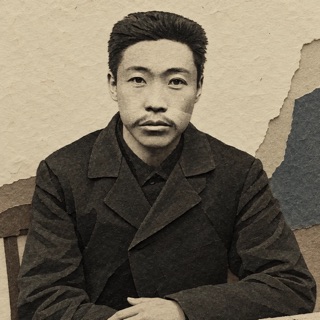
An Jung-geun is one of the most honored figures of the Korean independence movement, and not only for the shots at Harbin.
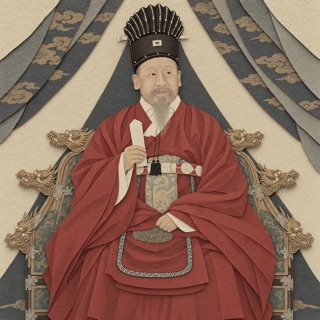
Gojong reigned for more than forty-three years, through Korea’s passage from seclusion to open ports, from tributary of China to self-proclaimed empire, and th…
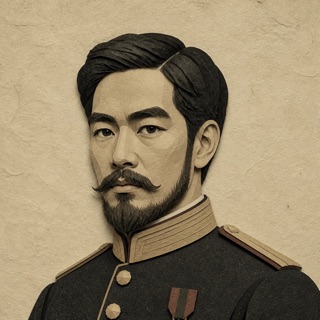
In his forty-five-year reign Japan went from a divided country of domains under a shogun to an empire with a constitution, a parliament, a conscript army and c…
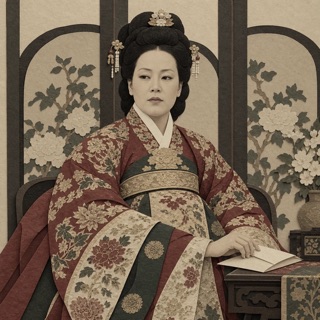
She was a woman with real influence at the Joseon court in its last decades.
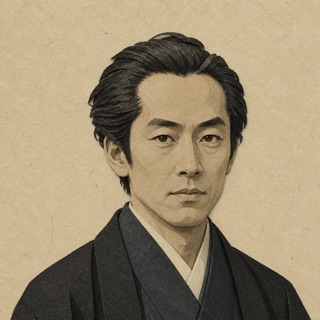
Fukuzawa Yukichi mattered because, as a private citizen who never held office, he explained a great range of Western institutions and ideas to Japanese readers…
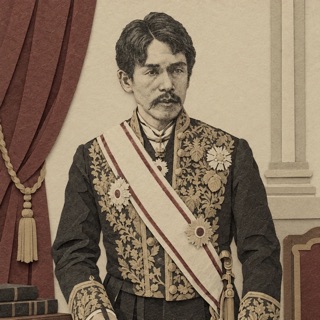
Inoue Kowashi never led a faction and built no following in a party or the military.
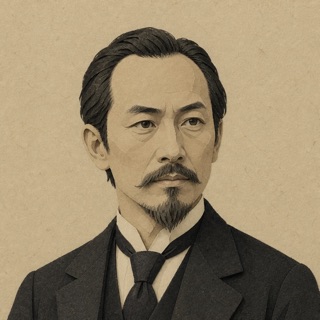
Itagaki matters because he carried a simple demand into the public life of Meiji Japan: that the people should take part in governing the country through an el…
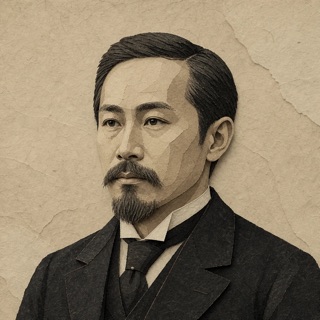
More than anyone, Itō designed the institutions of the Meiji state: the cabinet, the peerage, the constitution and the Diet, and finally a political party to m…
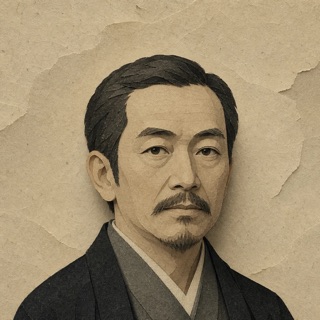
Iwakura did more than any other court noble to put the emperor and the court at the center of Meiji politics.
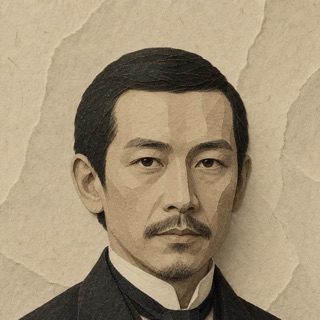
Kido is counted with Saigō Takamori and Ōkubo Toshimichi as one of the three great men of the Restoration.
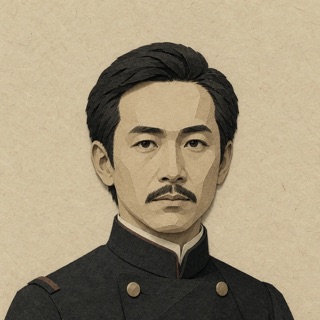
Kuroda rose from the lower ranks of Satsuma samurai on the strength of practical ability and nerve.
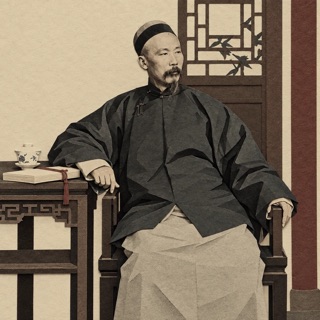
Li Hongzhang was one of the main drivers of China’s late-Qing modernization.
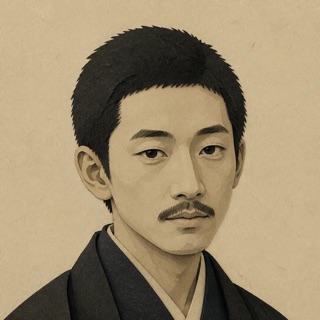
Shiki took two old forms, the haiku of the professional masters and the waka of the court poets, and made them part of modern literature.
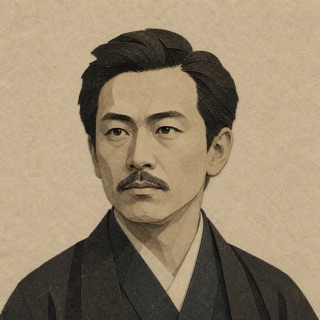
Remembered in Japan as the "Pearl King," Mikimoto mattered less for scientific discovery than for persistence and organization.
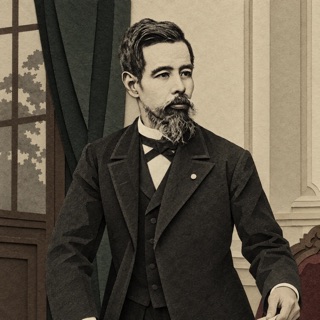
Mutsu Munemitsu was one of the few Meiji statesmen who combined diplomatic skill with a working grasp of party politics, and he was known as the "Razor Ministe…
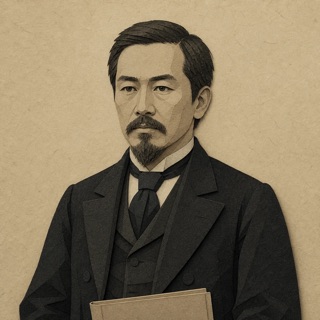
Ōkubo, counted with Saigō and Kido Takayoshi among the "three great men of the Restoration," did more than anyone to turn the overthrow of the shogunate into a…
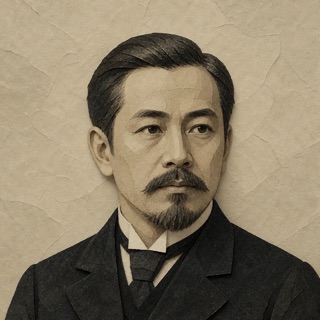
Ōkuma’s career ran from the last years of the shogunate into the age of party politics, and he left a mark both inside and outside the Meiji government.
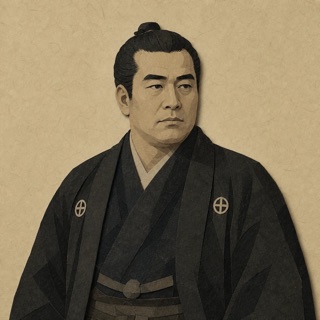
Saigō was one of the central figures of the Meiji Restoration.
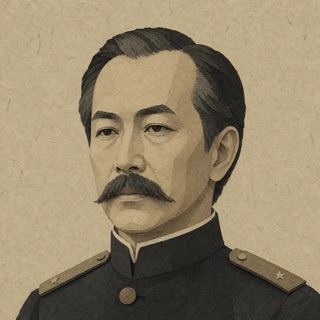
Yamagata was the principal architect of the modern Japanese army.
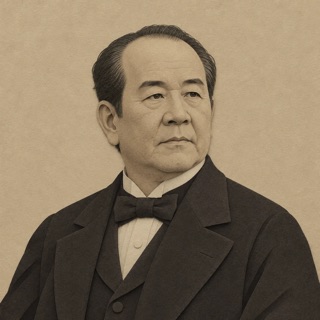
Shibusawa mattered as a builder and promoter of institutions.
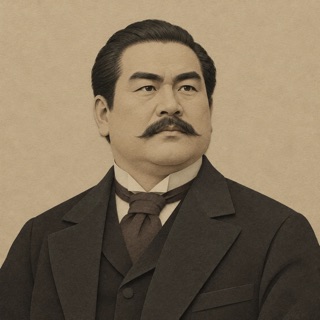
Yatarō turned a domain trading office into a private shipping company and, with government ships, subsidies and military contracts, drove Pacific Mail and P&O …
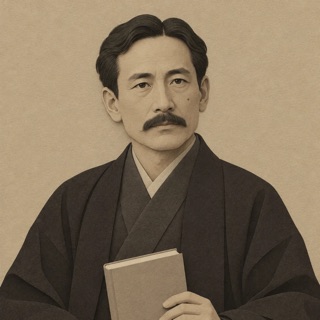
In a novelist’s career of only twelve years, Sōseki made colloquial Japanese prose capable of close psychological analysis and of argument about civilization, …
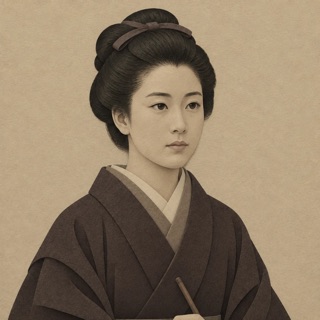
Higuchi Ichiyō matters because, writing in a pseudo-classical style, she brought the lives of poor women and children in Meiji Tokyo into modern Japanese ficti…
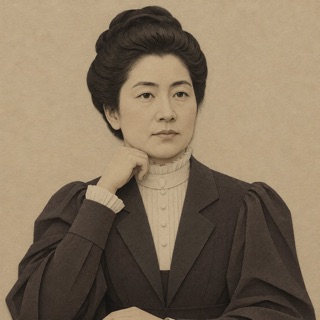
Tsuda Umeko was among the first Japanese women sent abroad to study at government expense.
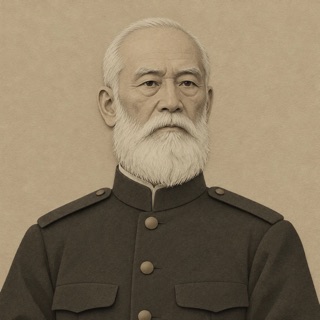
Nogi was a Chōshū officer of the Meiji army who entered history as the commander at Port Arthur.
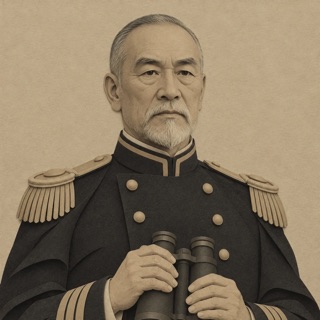
Tōgō belonged to the first generation of professional officers trained for the Meiji navy.
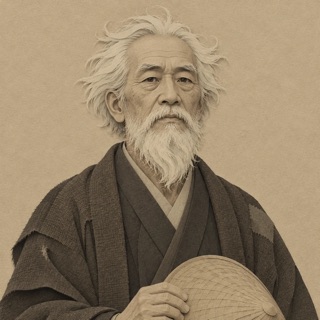
Tanaka Shōzō turned the pollution of the Watarase plain from a regional agricultural grievance into a national political question.