
304 people by period
The first half of the Asuka period belongs to the Soga. Soga no Iname argued for accepting the Buddha image sent from Baekje, and his son Soga no Umako destroyed his rival Mononobe no Moriya in 587. Umako then served as chief minister for half a century, putting his nephew Sushun on the throne, having him killed in 592, and replacing him with his niece Suiko. Suiko's nephew Prince Umayado, the later Prince Shōtoku, governed beside them both, and the court sent Ono no Imoko, a man of modest birth, as its envoy to Sui China. Umako's son Soga no Emishi and grandson Soga no Iruka pushed the family's power so far that the royal house took fright.
In 645 Prince Naka no Ōe, son of Empress Kōgyoku, and his ally Nakatomi no Kamatari cut Iruka down in the palace, beginning a partnership between prince and minister that lasted over twenty years. Naka no Ōe led the court through the defeat at Baekgang and later took the throne as Emperor Tenji; Kamatari received the name Fujiwara on his deathbed and founded the Fujiwara line.
Tenji wanted his son Prince Ōtomo to succeed him. His brother Ōama withdrew to Yoshino, rose in 672, and with his son Prince Takechi commanding at the front won the Jinshin War, reigning as Emperor Tenmu. Tenmu's empress, Tenji's daughter, saw her own son Prince Kusakabe die young, took the throne herself as Jitō, finished her husband's work, and passed the throne to her grandson Monmu. The court poet Kakinomoto no Hitomaro wrote long elegies for Kusakabe and Takechi.
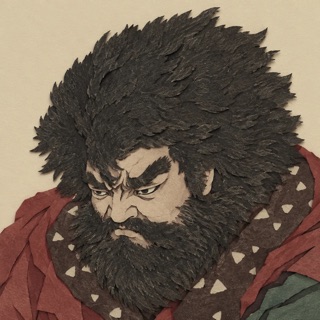
Abe no Hirafu carried out the Saimei court’s effort to extend its influence into the north.
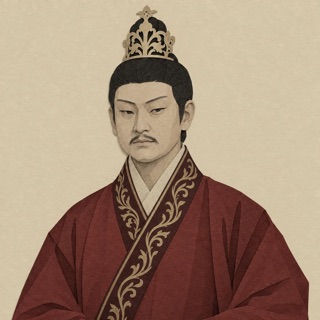
Buyeo Pung matters because of where he stood.
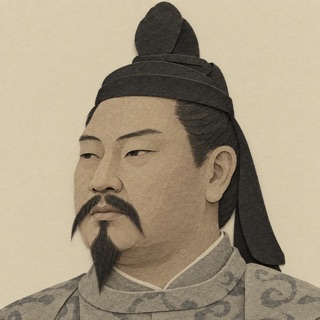
Kinmei reigned for about three decades, longer than any other sixth-century ruler, and his reign saw the Ōtomo fade and the court come to turn on the rivalry b…
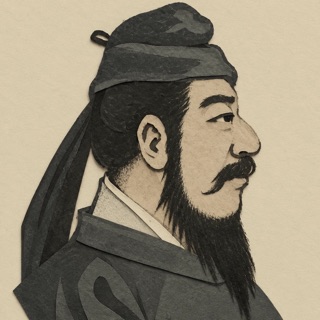
Kōtoku’s decade is the core of what historians call the Taika Reform.
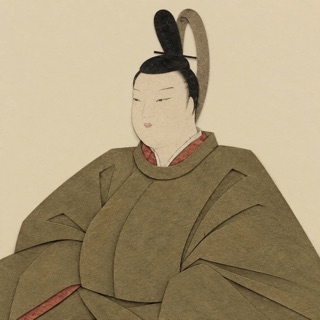
Monmu reigned for about ten years, the years in which the institutions of Japan’s code-based state took settled form.
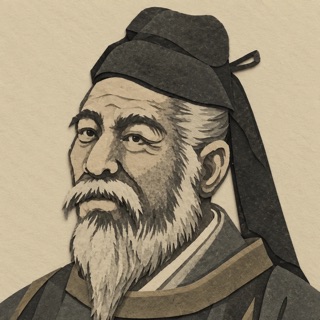
Sushun matters mostly for how he died.
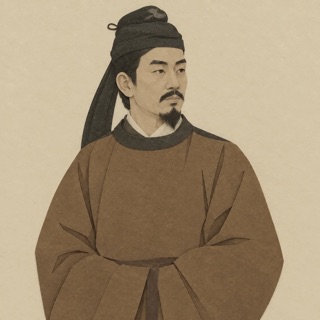
For nearly thirty years Naka no Ōe stood at the center of every major event at the Yamato court.
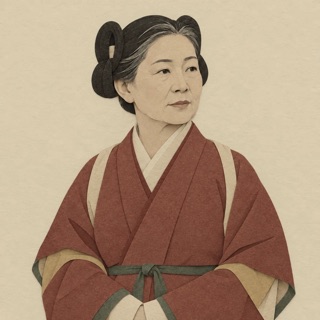
She took the throne twice when no one else could take it smoothly, and her reigns span the Soga at their height, the coup of 645, the Taika reforms, and the wa…
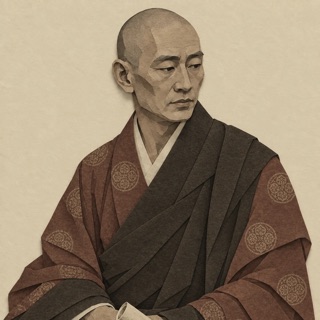
Hyeja matters because of where he stood.
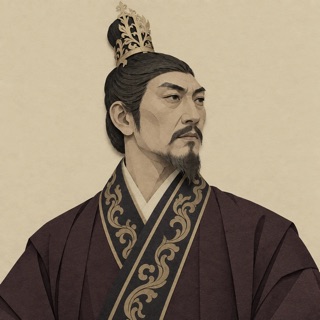
Seong matters because of where he stood between China and Japan.
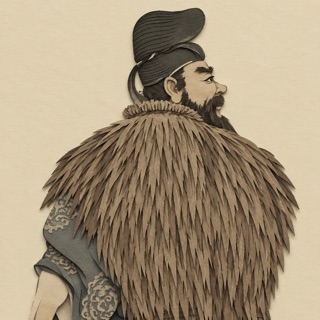
Moriya was ōmuraji under Bidatsu and Yōmei, and probably already at the end of Kinmei’s reign, a man who controlled troops and held authority in ritual.
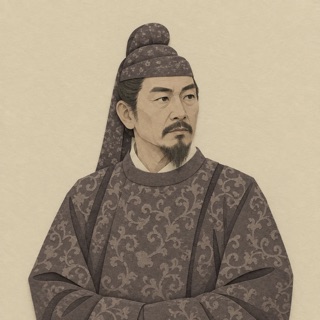
Kamatari matters first because of the coup of 645.
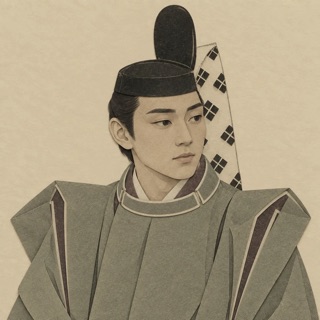
Kusakabe matters less for anything he did than for where he stood.
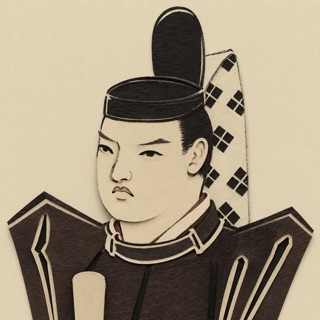
Ōtomo matters because he stood at a turning point in seventh-century succession.
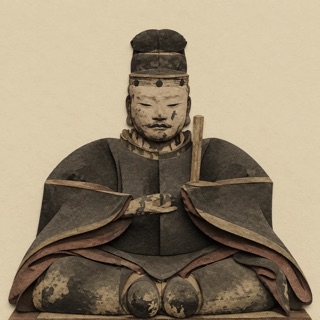
Ōtsu matters as the most conspicuous casualty of the succession after Tenmu’s death.
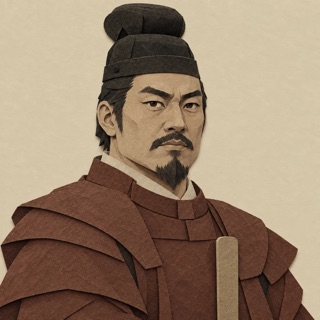
Takechi’s life had two high points.
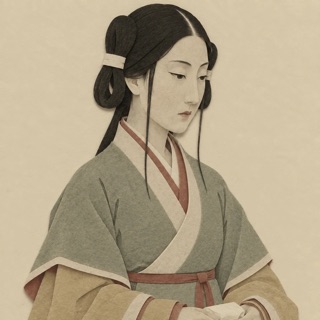
Princess Ōku matters in two ways.
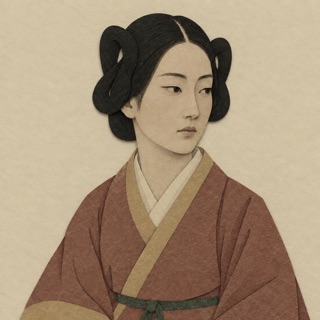
Tōchi matters because of where she stood.
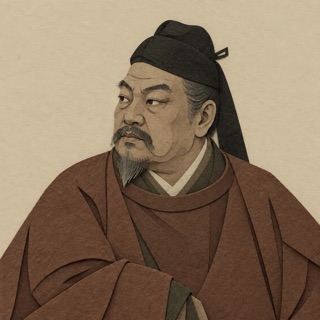
Iname is the first great minister whose existence is reasonably secure, and for more than thirty years under Senka and Kinmei he ran the practical business of …
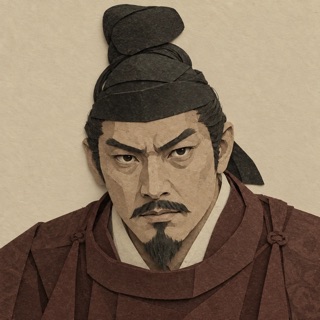
Iruka matters because he stood at a turning point.
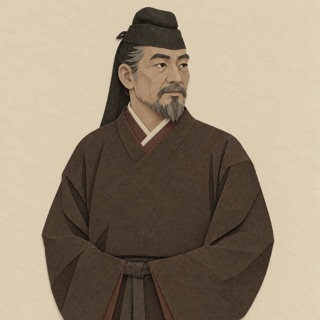
For more than fifty years, under four rulers, Umako stood at the center of power at the Yamato court.
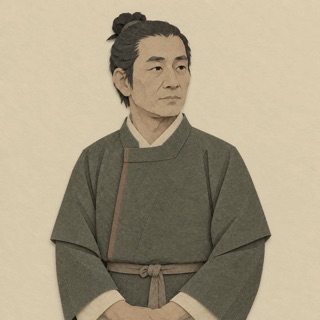
Tori is the first maker of Buddhist images in Japan whose name has survived.
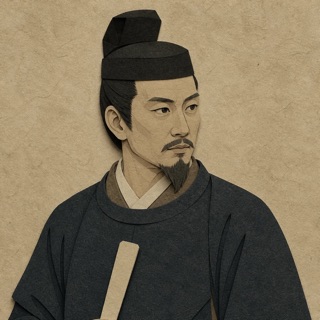
Tenmu’s life divides at the war of 672: before it he was his brother’s deputy, after it a ruler who had taken the throne by force.
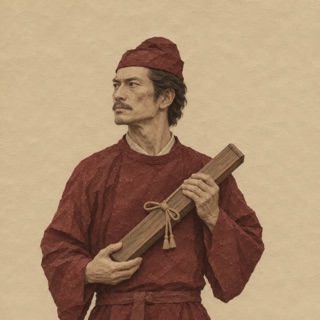
Ono no Imoko is the first envoy to Sui whose name is recorded.
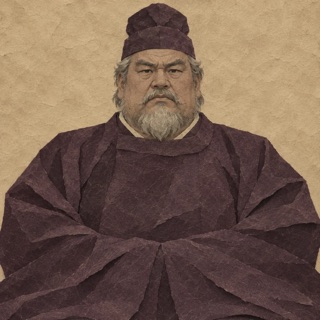
Emishi kept the Soga hold on the office of Great Minister for nearly twenty years and shaped two contested successions.
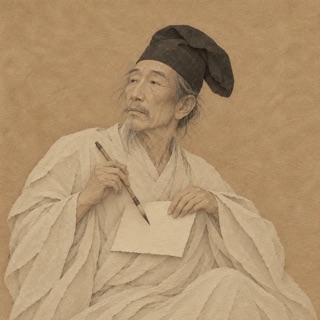
Hitomaro is the central poet of the Man’yōshū.