
304 people by period
The people of the Bakumatsu stood in three places: the shogunate in Edo, the imperial court in Kyoto, and great southwestern domains such as Satsuma, Chōshū, and Tosa. When Perry arrived, the shogunate was led by the senior councillor Abe Masahiro, who broke precedent by asking the daimyo for advice and opened a naval school at Nagasaki. In 1858 the great elder Ii Naosuke signed the trade treaty without imperial approval, made the boy Tokugawa Iemochi heir to the shogun over a rival faction's candidate, and was assassinated two years later. Emperor Kōmei detested foreigners but trusted the shogunate. After Iemochi died in 1866, Tokugawa Yoshinobu, the candidate passed over in 1858, became the last shogun. In Kyoto he had worked closely with Matsudaira Katamori, lord of Aizu and Protector of Kyoto, whose streets were patrolled for Aizu by the Shinsengumi under Kondō Isami.
A second thread runs from teacher to pupil. The scholar Sakuma Shōzan taught Western technique to the shogunal retainer Katsu Kaishū and to the young Chōshū samurai Yoshida Shōin. Shōin's small school at Hagi produced Takasugi Shinsaku, who formed the Kiheitai rifle unit and led Chōshū's recovery. Katsu in turn taught Sakamoto Ryōma, a ronin from Tosa who, with his fellow Tosa man Nakaoka Shintarō, helped bring Satsuma and Chōshū together. Both were killed in Kyoto in 1867.
On the Satsuma side, Shimazu Hisamitsu, the domain's real ruler, marched to Kyoto in 1862 and forced changes on the shogunate. His officer Saigō Takamori later negotiated with Katsu the surrender of Edo Castle without a fight.
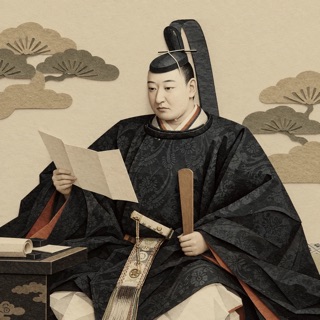
Abe Masahiro led the shogunate for about a decade around Perry’s arrival, the first Tokugawa statesman to face Western pressure to open Japan directly.
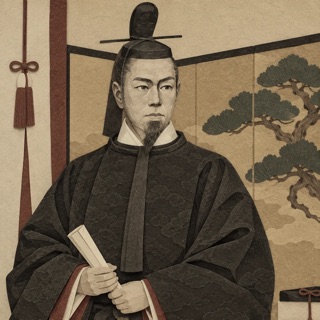
Kōmei reigned for about twenty-one years, almost the whole of the late Tokugawa period, and was the first emperor in centuries to carry real political weight.
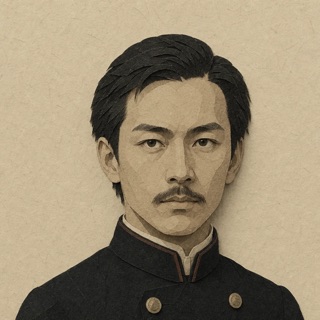
Enomoto was one of the few men of his generation with a real scientific and naval education, gained in the Netherlands.
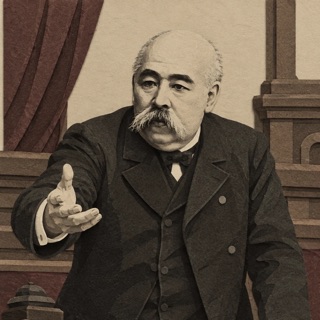
Gotō’s lasting achievement belongs to a few months in 1867.
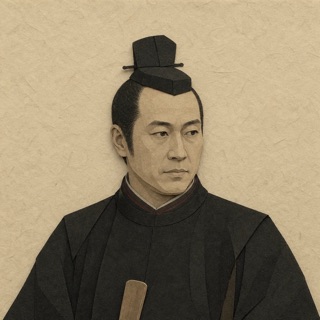
Naosuke stood at a turning point of the late Tokugawa period.
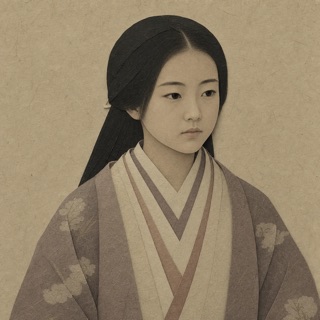
Kazunomiya’s marriage was the most visible product of the kōbu gattai policy.
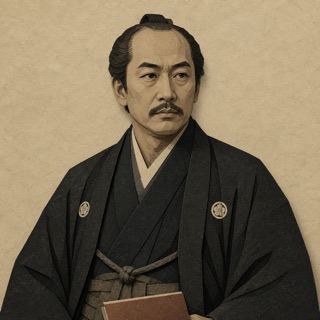
Two achievements anchor Katsu’s reputation.
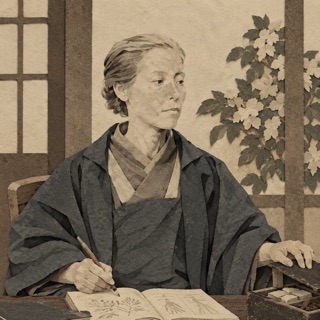
Ine was among the first Japanese women to be trained in Western medicine and to make a living by it.
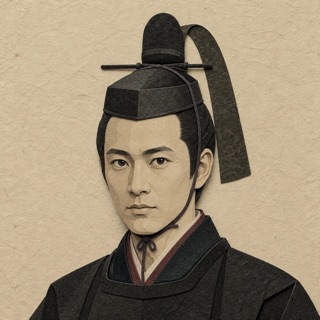
Katamori was one of the central figures of Kyoto politics in the last years of the shogunate.
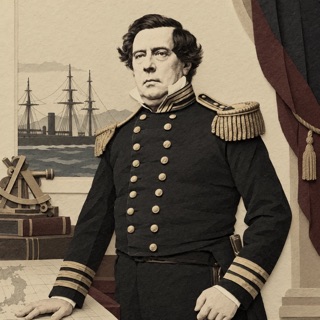
Perry was a well-prepared, stubborn, and ceremonious naval officer.
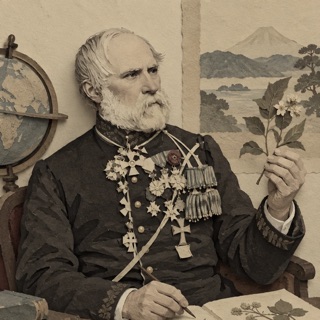
Siebold matters because he moved knowledge in both directions between Japan and Europe.
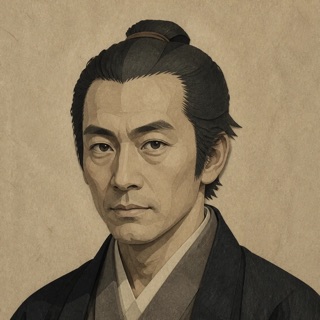
Sakuma Shōzan was among the first in late Tokugawa Japan to argue systematically that the country must master Western technology to survive.
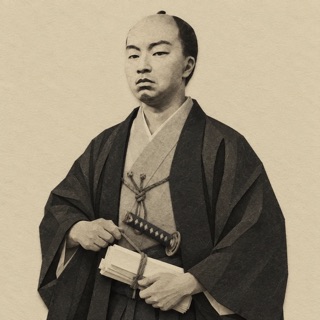
Hisamitsu mattered because he controlled Satsuma’s troops and money and was willing to use them on the national stage.
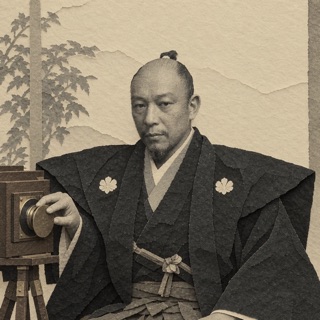
In just over seven years as lord, Nariakira turned a remote domain that had only just recovered its finances into one of the first places in Japan to adopt Wes…
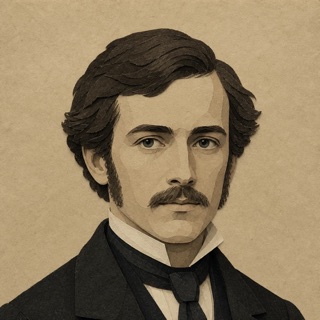
Glover mattered because he stood at the right place at the right moment.
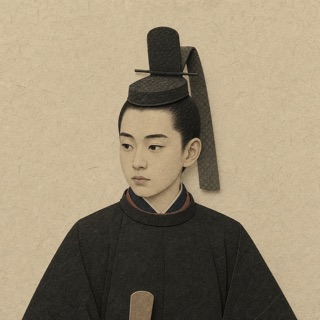
Iemochi held office for about eight years, from age twelve to twenty, across the stretch in which the bakufu went from apparent strength to collapse: the treat…
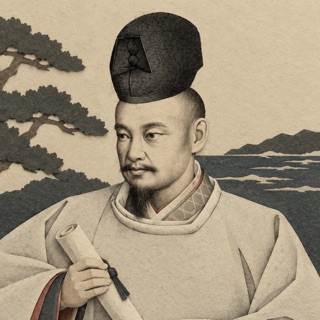
Nariaki matters because he carried the political vocabulary of Mito learning, born of a single domain’s history project, onto the national stage.
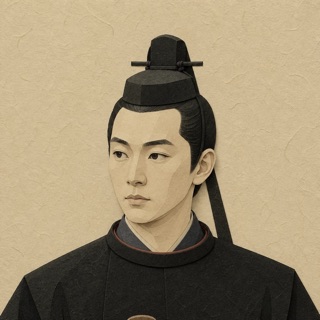
Yoshinobu was the last Tokugawa shogun.
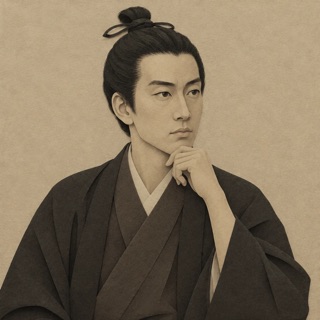
Most of Shōin’s plans failed and he took part in no actual political upheaval.
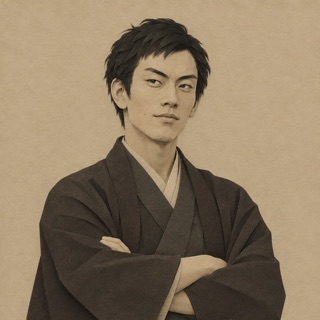
Takasugi mattered at a few decisive points.
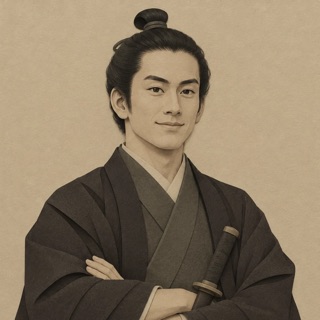
Nakaoka mattered as a connector.
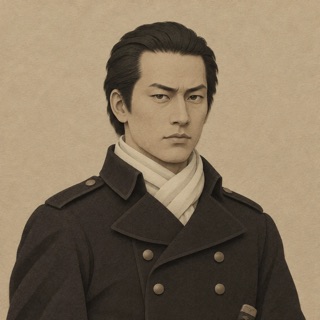
Hijikata was a commoner from rural Tama who became the man actually running the Shinsengumi: its organization, its inspectors and its brutal internal disciplin…
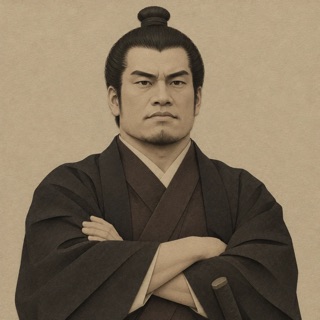
Kondō Isami commanded the Shinsengumi, and his career is a concrete case of the Tokugawa status order loosening in its last years.
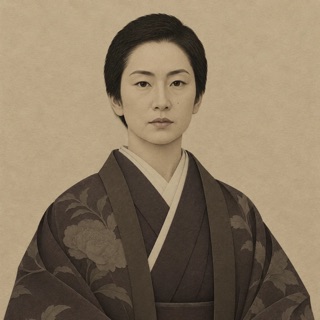
Tenshōin matters because she stood at the junction of a marriage alliance between the Shimazu and the shogun’s house.
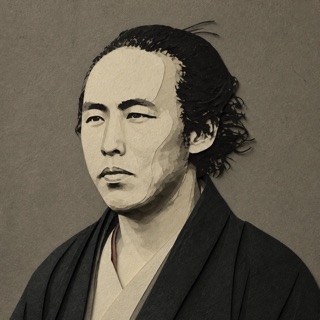
Ryōma mattered less for any power he held than for where he stood.