Skip to content
Topics

Search History Omakase

Start typing to search.

    Japan’s Warring States: A First Look
    Start here

    Big Questions / Japan Essentials

    Japan’s Warring States: A First Look

    Who held power—and how the connections changed.

    A castle on a hill is easy to notice. The fields that fed it, the people who served it and the agreements that kept its lord in power are less obvious. Together, they help explain Japan’s Warring States.

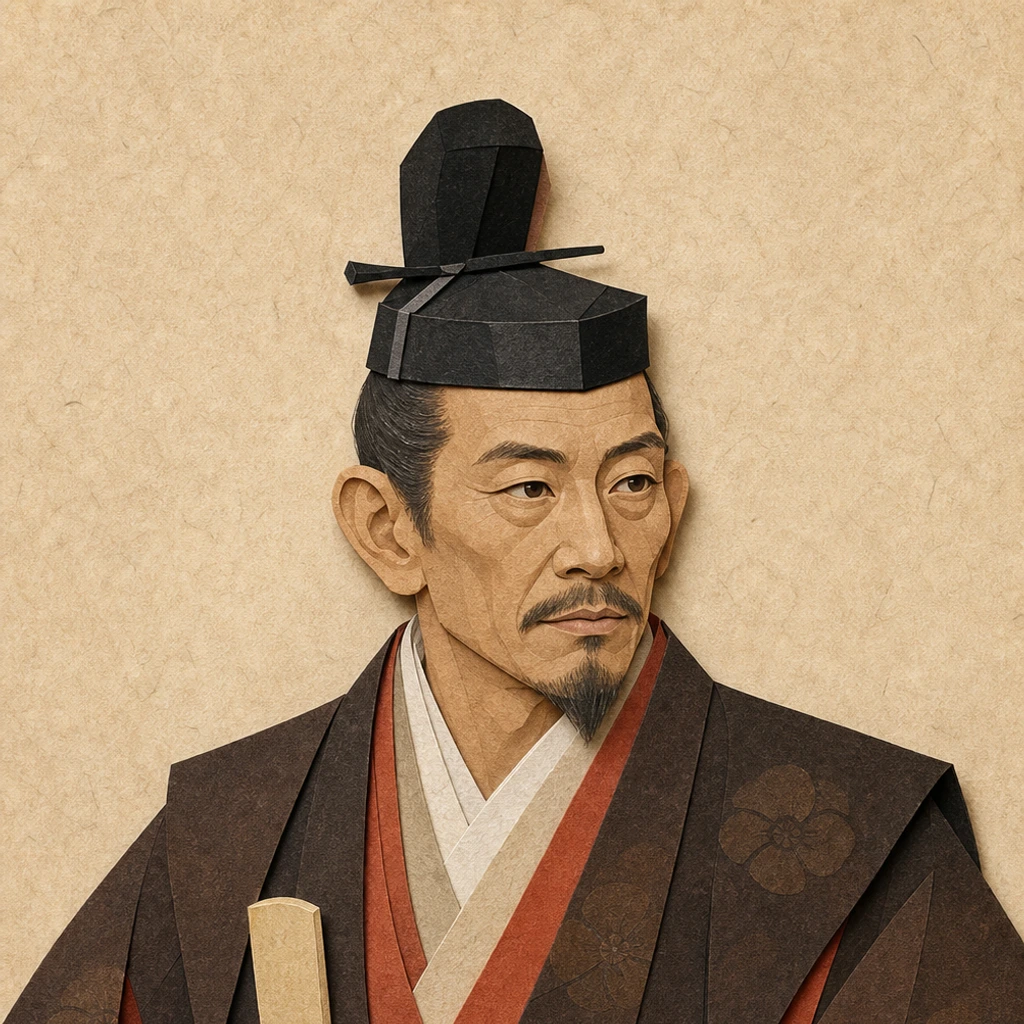
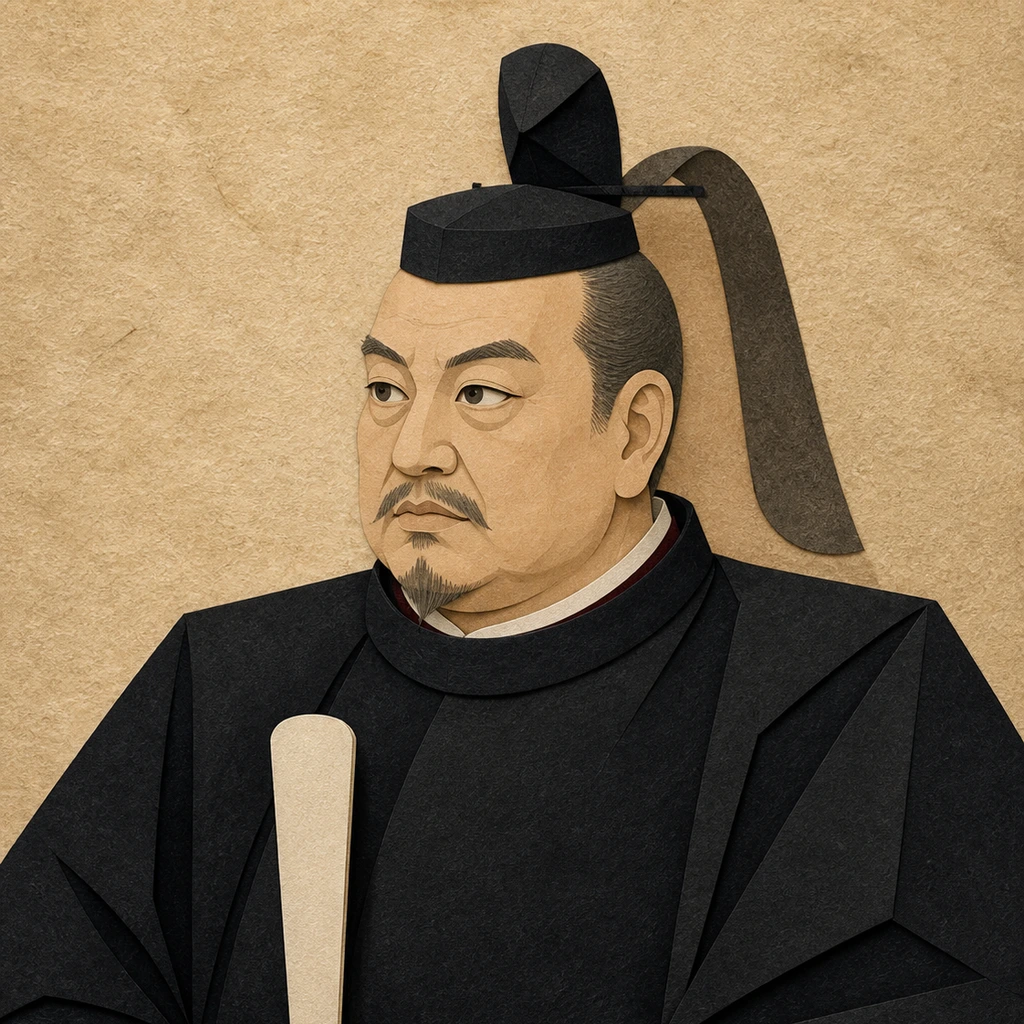
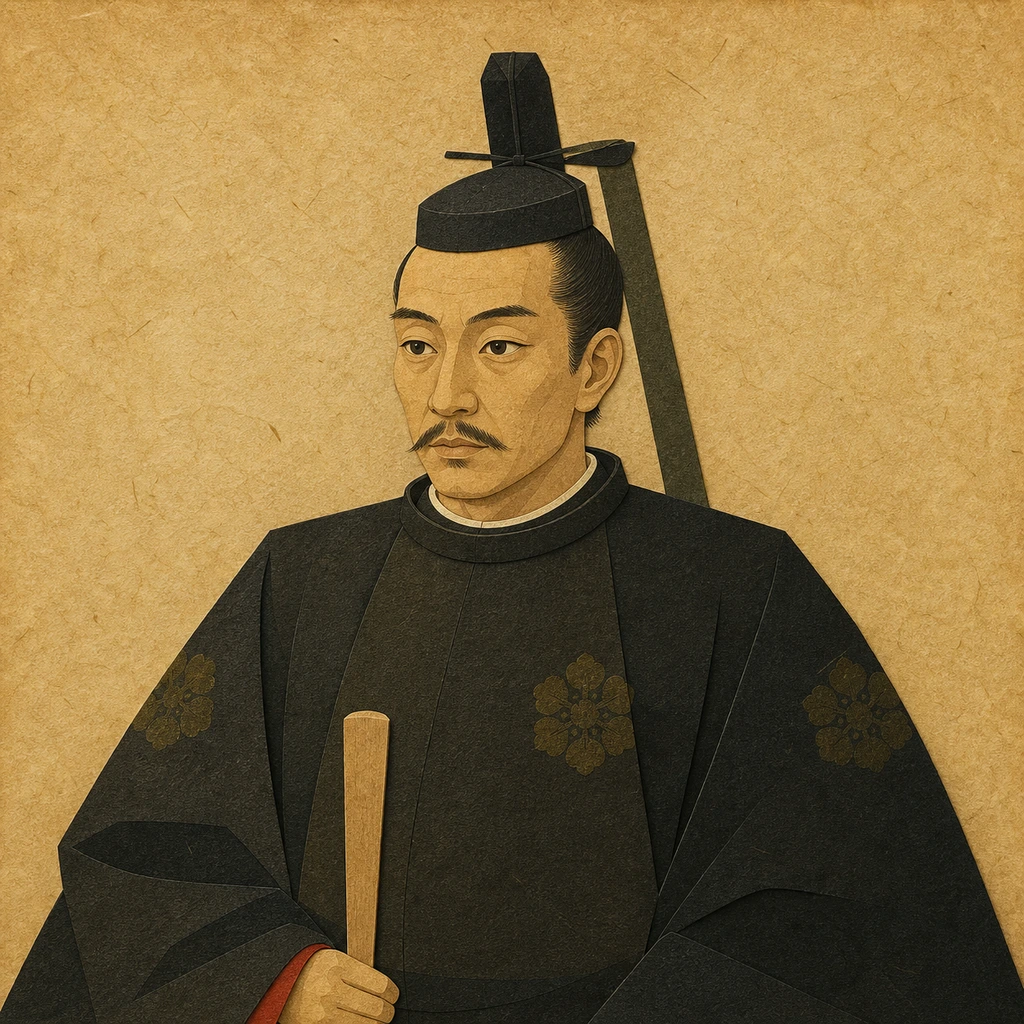
    We will follow a divided political world toward a new military government, keeping three names in view: Oda Nobunaga, Toyotomi Hideyoshi and Tokugawa Ieyasu. Their careers overlapped. None began with the ending of this story already secured.

    8 short chapters26 reading unitsNo prior knowledge needed
    Start reading
    Three places before three biographies
    Gifu is northeast of Kyoto; Edo is much farther east. These are selected centres from different moments, not simultaneous territorial capitals.NGifuKyotoEdo

    Selected centres across the story. Modern physical coastline, not lordly borders; GSHHG 2.3.6.

    Gifu
    Nobunaga’s base from 1567.
    Kyoto
    Court, shogun and the struggle over wider authority.
    Edo
    Ieyasu’s new base after the 1590 transfer.
    A little at a time.

    Short passages. Room to look.

    See the connections.

    A framework, not a list to memorize.

    Go your own way.

    Read in order, or choose a chapter.

    Japan’s Warring States: A First Look

    Chapter 1 / 8

    Why “Warring States”?

    An old centre weakens; regional powers grow.

    02 / 26

    A name for a divided age

    From the late 1400s

    Sengoku 戦国

    The fighting known as the Ōnin War began in Kyoto in 1467 and continued until 1477. It devastated much of the capital and exposed the weakness of the Ashikaga shogunate, the military government based there.

    Across the following decades, regional warrior lords built up their own power. Historians call this the Sengoku, or Warring States, age.

    The change did not happen everywhere at once. An old government weakened while new regional powers grew.

    The war is dated; regional change has several clocks
    A band dates the Onin War 1467–1477; three later tracks change at different positions, illustrating uneven regional developments.Kyoto: Ōnin War14671477Regional change is uneven

    Tracks are explanatory, not three named provinces or measured rates of collapse.

    A capital in conflict
    Kyoto suffers devastation.
    Beyond Kyoto
    Different regional powers grow through different circumstances.
    Do not infer
    A single national switch from order to chaos in 1467.
    03 / 26

    An order needed someone to enforce it

    Early to mid-1500s

    Daimyo 大名

    The emperor and his court remained in Kyoto. So did the shogun, the head of the military government, though his authority over distant regions was increasingly difficult to enforce.

    A powerful regional lord, or daimyo, could control castles, command followers and collect revenue within his territory. Another lord might do the same next door.

    Even there, power was contested. Temples, local warriors and organized villages could defend interests of their own.

    A surviving title does not make every command effective
    Kyoto institutions connect by dashed lines to two example regional lords. Villages, temples and local warriors have their own positions around them.Kyoto institutionsLord ALord BVillagesTemplesLocal warriors

    A relationship sketch; A and B are examples, not two actual equal-sized domains.

    At the centre
    Court and shogunal institutions remain.
    In the regions
    Authority must be enforced among people with interests of their own.
    04 / 26

    One moment on the map

    1568 · central Japan

    Kyoto 京都
    Gifu 岐阜
    Okazaki 岡崎

    In 1568, Nobunaga advanced from his base at Gifu toward Kyoto. Entering the capital helped him influence the appointment of a shogun; it did not make every regional lord obey him.

    His ally Ieyasu held a separate base around Okazaki, farther east. Geography helps explain why cooperation could be useful: each had interests beyond the other’s doorstep.

    Keep this dated picture in mind. Bases, alliances and the reach of a lord’s power would change.

    1568: an advance and a separate ally
    In 1568 Nobunaga advanced southwest from Gifu toward Kyoto. Ieyasu’s separate base was at Okazaki to the southeast of Gifu.NGifuKyotoOkazaki

    Arrow shows overall direction, not a reconstructed road, battlefront or territorial boundary.

    Nobunaga
    Gifu → Kyoto.
    Ieyasu
    A separate base at Okazaki.
    The political point
    Cooperation links different resources; it does not merge the two lords.

    Japan’s Warring States: A First Look

    Chapter 2 / 8

    Who kept a lord in power?

    Land, followers and promises that had to hold.

    05 / 26

    A lord needed a following

    1500s

    A daimyo could not personally guard every road or settle every dispute. He relied on retainers: warriors who served his house, led other men and helped administer its lands.

    Some had local families and claims that long predated their service to him. Their knowledge of villages, routes and rival landholders made them valuable.

    Command therefore involved more than giving orders. A lord needed people who could turn those orders into action on the ground.

    The middle of the network is doing work
    A daimyo house connects to retainers, who connect with routes, local claims and people who know the ground.Daimyo houseRetainerRetainerRoutesLocal claimsPeople who know the ground

    Selected dependencies, not a complete hierarchy or the claim that all retainers came from identical backgrounds.

    Military service
    Followers can lead other people.
    Local knowledge
    Existing relationships make an order usable—or contestable.
    06 / 26

    An army began in the fields

    1500s

    Rice did not march to war, but armies depended on harvests. Land yielded food and revenue; both supported warriors, horses, messengers and the movement of supplies.

    Villagers needed part of the crop to live on and seed for the next season. Lords and their representatives demanded dues from the same production.

    A larger territory could sustain greater military power. But fighting that emptied villages or damaged fields could also undermine the resources a lord hoped to gain.

    Competing claims draw on the same production
    A harvest branches to household food, seed that loops back to the next crop, and dues supporting supplies and service. No branch gives a numerical share.One harvestFoodSeedDuesNext cropSuppliesand serviceDamage can weaken the whole loop

    A resource cycle, not equal thirds, a tax rate or a claim that all dues were paid in rice.

    Seed returns
    Taking more now can reduce what can be grown next.
    People remain
    An army depends on households that must continue living and working.
    07 / 26

    Promises had to be worth something

    1582–1583

    After Nobunaga’s death, Ieyasu competed for lands whose previous rulers had fallen. He attracted local warriors partly by promising to protect their existing holdings.

    Such an offer mattered to a family trying to keep its home, income and dependants safe. Joining a stronger lord could be a way to preserve these things.

    Loyalty was real, but it rested alongside obligations and interests. A lord’s following could grow when his promises looked more reliable than a rival’s.

    A promise can preserve something a family already has
    An existing holding with home, income, dependants and claims remains visible above a promise of protection from Ieyasu.An existing local holdingHome · incomeDependants · claimsIeyasu promises protectionService becomes more attractive

    1582–1583 principle, not a facsimile guarantee, parcel map or a claim that promises were always kept.

    Before service
    The local family is not an empty slot.
    Why join?
    Protection of existing interests can matter as much as a new reward.

    Japan’s Warring States: A First Look

    Chapter 3 / 8

    A relationship can change

    One case, two dates and three kinds of connection.

    08 / 26

    Opponents could reach an agreement

    1584

    For a clear example, jump ahead to 1584. Hideyoshi, once one of Nobunaga’s commanders, was extending his authority after Nobunaga’s death. Ieyasu allied with one of Nobunaga’s sons to resist him.

    Ieyasu’s forces won an important battle at Nagakute. Yet Hideyoshi’s wider military and political strength remained intact, and Ieyasu’s ally made a separate peace.

    Winning a battle had not settled who would lead. The relationship would have to be negotiated again.

    Keep military and coalition outcomes on separate lines
    NagakuteIeyasu’s forces win an important battleHideyoshi’s wider strength survives
    CoalitionIeyasu relies on Oda Nobukatsu as an allyNobukatsu makes a separate peace
    AfterwardArmed resistance has not settled leadershipIeyasu must negotiate a new position

    1584 comparison: a battlefield result is not the same thing as a complete political victory.

    Watch the ally
    A partner’s decision can change the options left to a victorious commander.
    09 / 26

    Kinship was not the same as equality

    1586

    Hideyoshi combined pressure with family ties. His sister married Ieyasu, and his mother entered Tokugawa custody as a guarantee while the two sides worked toward an agreement.

    In 1586, Ieyasu went to Osaka and publicly accepted Hideyoshi’s authority. He kept substantial lands and military strength, but now stood within a larger hierarchy.

    Marriage connected the houses; submission established who stood above whom. Neither should be mistaken for an alliance between independent partners.

    Kinship, custody and political rank are not the same link
    Three 1586 connections: Ieyasu accepts Hideyoshi’s authority, Hideyoshi’s sister marries Ieyasu, and Hideyoshi’s mother enters Tokugawa custody as a guarantee.1586 · three different connectionsHideyoshiIeyasuAuthority acceptedHis sisterIeyasuMarriageHis motherTokugawacustodyGuarantee during negotiation

    A relationship diagram, not a family tree of descendants or an equal alliance.

    The women matter
    Their movement helped make agreement possible; they are not decorative court attendants.
    The result
    Ieyasu retains resources inside an unequal political relationship.
    10 / 26

    Keep the names; change the connection

    1584 → 1586

    The same two men appear in both pictures. What changes is the relationship between them: armed opposition in 1584, then Ieyasu’s acceptance of Hideyoshi’s authority in 1586.

    Ieyasu did not disappear from politics when he submitted. His own lands and following gave him a powerful place within the new arrangement.

    This is why a timeless chart of “friends” and “enemies” quickly misleads. A useful chart needs dates and a clear description of the connection.

    Keep the faces; change what the gesture means

    Relationship study, not a reconstruction of the Osaka audience. Left, ochre: Hideyoshi. Right, blue: Ieyasu.

    Upper · 1584
    Separate powers oppose one another.
    Lower · 1586
    Ieyasu acknowledges Hideyoshi’s authority.
    What remains
    The same Ieyasu still has lands, followers and political weight.
    What does not follow
    Submission is neither disappearance nor an equal alliance.

    Japan’s Warring States: A First Look

    Chapter 4 / 8

    What Nobunaga changed

    Return to the 1560s, before Hideyoshi’s rise.

    11 / 26

    Nobunaga: from a regional base to Kyoto

    1560s–1573

    Oda Nobunaga 織田信長

    Now return to the years before Hideyoshi’s rise. Nobunaga began as a lord in Owari, near the middle of Japan’s main island, and made Gifu his base in 1567.

    He entered Kyoto the following year while backing a claimant to the shogunate. That partnership broke down, and in 1573 he expelled the shogun from the capital.

    Nobunaga had overturned an important political centre. He still faced powerful opponents, and unification remained unfinished when he died.

    One relationship begins—and then breaks
    1567Gifu becomes Nobunaga’s baseA regional concentration of power
    1568Nobunaga backs Yoshiaki in KyotoCooperation helps establish a shogun
    1573Nobunaga expels YoshiakiRemoving this centre does not settle every region

    Selected anchors, not the geographical extent of Nobunaga’s rule.

    The unfinished work
    Opponents and local governments do not vanish with the shogun’s departure.
    12 / 26

    A market could strengthen a lord

    Gifu · late 1560s–1570s

    At Gifu, Nobunaga promoted commerce by protecting a market and loosening established guild privileges. Traders had reasons to bring goods and customers into the growing castle town.

    This was not simply a story about weapons. A busy town brought supplies, skilled work and commercial connections within reach of a political centre.

    Nobunaga did not invent trade, and his local measures did not create free markets everywhere. They show one practical way a lord could strengthen his base.

    A market gathers skills, goods and customers

    Retained circa 1500 pottery study: an earlier late-medieval example of making and exchange, not an exact 1567 Gifu transaction.

    Different vessels
    The pot being formed is not instantly becoming the fired jars.
    Different roles
    Making, presenting and judging connect skilled work with demand.
    A lord’s interest
    Protecting access to a market could help concentrate this activity near a political base.
    A limit
    Nobunaga did not invent the commercial relationships illustrated here.
    13 / 26

    His death left a struggle, not an heir to everything

    1582

    Honnōji 本能寺

    Nobunaga died in Kyoto in 1582 when his commander Akechi Mitsuhide turned against him at Honnōji temple. The attack broke apart the centre of his command.

    Hideyoshi, another of Nobunaga’s commanders, defeated Mitsuhide soon afterward. That victory gave him a strong position, but did not automatically transfer all Nobunaga’s authority to him.

    Surviving relatives and commanders still controlled men and land. Hideyoshi’s next task was to outmanoeuvre or overcome these rivals and build a following of his own.

    The centre breaks; other holders of power remain
    Nobunaga’s death leaves relatives, Hideyoshi and other commanders in contention. Defeating Mitsuhide does not automatically transfer all authority.Nobunaga · 1582RelativesHideyoshiOthercommandersVictory over Mitsuhide≠ automatic inheritance

    A succession problem, not a genealogical tree or a full roster of factions.

    The missing handover
    No orderly arrow gives Hideyoshi everything.
    The next task
    Build supremacy among people who retain men and land.

    Japan’s Warring States: A First Look

    Chapter 5 / 8

    What Hideyoshi continued

    A wider authority—and what it demanded.

    14 / 26

    Hideyoshi made submission the larger rule

    1580s–1590

    Toyotomi Hideyoshi 豊臣秀吉

    Hideyoshi rose through Nobunaga’s service rather than inheriting his position. Through campaigns and negotiated settlements, he brought the major rival lords under his authority by 1590.

    He also became imperial regent, a high court office, rather than shogun. Military command and recognition from the court worked together to strengthen his position.

    Many lords retained domains, but could no longer treat their neighbours as freely chosen targets. Unification meant making their power subordinate to a wider authority.

    Unity did not mean one ruler personally ran every domain
    Hideyoshi’s regent title stands above a common-authority bracket containing several retained lords and domains.Imperial regentHideyoshiLordDomainLordDomainLordDomainRetained—but subordinate

    Three generic examples, not three equal domains or a claim that Hideyoshi became shogun.

    Court and command
    Recognition and military power reinforce one another.
    A changed rule
    Neighbouring lords cannot freely choose war as before.
    15 / 26

    Control reached into land and weapons

    1580s–1590s

    Hideyoshi’s land surveys recorded fields, cultivators and assessed yields. Such information helped define who owed dues and the resources attached to a holding.

    His 1588 “sword hunt” ordered the collection of farmers’ weapons. The order linked disarmament to preventing uprisings and keeping cultivation and revenue secure.

    These measures sought clearer distinctions between people who farmed and people who fought. They did not instantly create a perfectly fixed society, but they gave government new ways to intervene.

    Information and disarmament address different parts of control
    A survey records area, cultivator and assessed yield; the 1588 order links weapons, cultivation and revenue. Both feed a stated aim of more enforceable claims.SurveyField areaCultivatorAssessed yield1588 orderWeaponsCultivationRevenueMake claims more enforceableAn intention—not perfect compliance

    The survey is an assessment, not a count of every year’s actual harvest. A decree does not prove complete enforcement.

    Record
    Make holdings and obligations legible to government.
    Order
    Reduce the capacity to resist demands.
    Do not conclude
    A perfectly fixed farming/warrior society appeared overnight.
    16 / 26

    Unification did not mean peace abroad

    Korea · 1592–1598

    Hideyoshi launched an invasion of Korea in 1592, intending to advance onward into China. Korean resistance and intervention by Ming Chinese forces frustrated that ambition. A second invasion followed in 1597.

    The wars devastated communities in Korea. Civilians were killed, homes and fields destroyed, and captives, including skilled craftspeople, taken to Japan.

    Japanese forces withdrew in 1598 after Hideyoshi’s death. Withdrawal ended the overseas campaigns, but not the loss of homes, livelihoods and family members.

    An overseas invasion widens the field of consequences
    Korea lies northwest of Kyushu across the straits. Japanese invasions landed around Busan; Ming China is west and northwest of Korea. Modern coast only.NKoreaBusanKyushuMing ChinaJapan → Korea

    The arrow marks invasion direction across the straits, not a precise sailing track, complete campaign route or occupation border.

    1592, then 1597
    Japanese invasions; onward ambitions toward China.
    Resistance and intervention
    Korean forces resist; Ming forces intervene.
    1598
    Japanese forces withdraw after Hideyoshi’s death.
    Not only armies
    Korean communities suffer killing, destruction and forced movement; some captives are taken to Japan.

    Japan’s Warring States: A First Look

    Chapter 6 / 8

    How Ieyasu built the next order

    A territorial base, a victory and a government.

    17 / 26

    Ieyasu built a base of his own

    1590–1598

    Tokugawa Ieyasu 徳川家康
    Edo 江戸

    Ieyasu had been Nobunaga’s ally and then Hideyoshi’s subordinate. In 1590 Hideyoshi transferred him to a large domain in the Kantō region, centred on Edo.

    Governing those lands meant placing retainers, securing revenues and organizing an extensive domain. These were resources he could use when the political situation changed.

    After Hideyoshi died in 1598, Ieyasu was one of the senior lords charged with supporting his young heir. Cooperation among the leading men soon gave way to rivalry.

    A transfer creates a different base of resources
    The 1590 transfer moved Ieyasu from central Japan to the Kanto region around Edo, well east of Kyoto.NKyotoEdo

    Overall movement toward Kantō, not the route of a single journey or the boundary of Ieyasu’s lands.

    1590
    Hideyoshi orders the transfer.
    Before 1598
    Retainers, revenues and administration turn the holding into usable power.
    After 1598
    That base matters within the contested Toyotomi succession.
    18 / 26

    Sekigahara changed who could distribute power

    1600

    Sekigahara 関ヶ原

    In 1600, rival coalitions fought at Sekigahara. Ieyasu led the victorious side. Lords who had served Hideyoshi were found in both camps; this was not simply “Tokugawa against all Toyotomi.”

    Victory let Ieyasu confiscate or reduce many opponents’ domains and reward supporters with land. The result changed the balance of power well beyond the battlefield.

    Remember the fields and retainers. Redistributing territory also redistributed revenues, obligations and the resources with which a lord could act.

    The battle splits an existing political world
    Lords from Hideyoshi’s political world enter both coalitions; Ieyasu’s victory leads to changed land awards and resources.Lords who had served HideyoshiIeyasu’scoalitionOpposingcoalitionVictory changes land awardsand the resources attached to them

    No army counts, fixed party membership list or simple Tokugawa-versus-all-Toyotomi division.

    After the battlefield
    Confiscation, reduction and rewards alter the ability of houses to act.
    Back to the fields
    A territorial award also affects revenues and obligations.
    19 / 26

    A victory and a government are different steps

    1603–1605

    In 1603, the emperor appointed Ieyasu shogun. His military government was based in Edo, while the imperial court remained in Kyoto.

    Two years later, Ieyasu passed the title to his son but continued to exercise great influence. The succession helped establish government by the Tokugawa house, not just the personal authority of one victorious commander.

    Other daimyo still governed their domains. The emerging order placed them beneath the shogunate rather than removing every regional centre of power.

    Succession in office does not erase the father’s influence
    The title passes from Ieyasu in 1603 to Hidetada in 1605, above a separate continuing band of Ieyasu’s influence. Government in Edo coexists with court in Kyoto.Shogunal titleIeyasu · 1603Hidetada · 1605Ieyasu’s continuing influenceEdo governmentKyoto court remains

    Two political tracks, not equal shares of power or the transfer of the imperial court to Edo.

    A governing house
    Succession extends beyond one commander.
    Other domains
    Regional administrations continue under the new framework.

    Japan’s Warring States: A First Look

    Chapter 7 / 8

    People beyond the battlefield

    Work, craft and lives that had to be rebuilt.

    20 / 26

    A village had work that could not wait

    1500s

    A rice field needed more than a farmer working alone. Water had to reach it at the right time, and channels and banks needed maintenance. Neighbouring households had reasons to cooperate even when rulers changed.

    Women and men cultivated, processed crops and kept households supplied. Village communities also had to deal with dues and demands from above.

    For them, politics could arrive as a claim on the harvest or a call for labour, not only as a battle.

    A small break can make a shared problem

    Unlocated earthen-bank study: physical explanation, not a reconstruction of a particular sixteenth-century field.

    Upper
    A breach lets shallow paddy water run into lower ground.
    Lower
    Fresh compacted earth restores the bank’s retaining edge.
    Beyond the picture
    Neighbours must arrange access, timing and upkeep across connected fields.
    Politics at ground level
    Labour and harvest claims arrive in this working environment.
    21 / 26

    A bowl belonged to another kind of story

    Late 1500s–early 1600s

    In Mino, potters made distinctive wares for the growing world of tea. Clay, glaze, firing and the judgement of the maker shaped objects that people wanted to handle and use.

    Merchants connected workshops with customers. Tea gatherings gave bowls and other utensils a place in relationships among wealthy townspeople and warrior patrons.

    These activities had their own skills and pleasures. Political upheaval could alter markets and patronage, but it did not explain everything people valued or created.

    Read the maker’s decisions on the surface

    Shino bowl, late 16th–early 17th century. Mino ware. The Met, 2015.300.271 · Public Domain.

    Uneven rim
    The form invites attention to handling, not only a perfect silhouette.
    Pale glaze and brown lines
    A bridge emerges through the surface.
    Bare spot near the foot
    The museum identifies a trace of the potter’s grip during glazing.
    Evidence, not a prop
    This is an actual surviving bowl, not an invented utensil assigned to a warlord.
    22 / 26

    Rebuilding also belongs to the history

    Late 1400s–early 1600s

    The destruction of Kyoto during the Ōnin War reminds us what a political struggle could do to a lived-in place. Losing a house also meant losing stored food, tools and the security of a familiar neighbourhood.

    Rebuilding required materials, labour and people able to return. A settlement between commanders could stop fighting without replacing those losses.

    The invasions of Korea made that gap especially stark. A ruler’s campaign could end while displaced families still faced a profoundly changed future.

    The end of a campaign and the end of its damage differ
    A short fighting-stops band sits above the still-needed materials, labour and returning people required for recovery.Fighting stopsA house is not yet restoredMaterialsLabourPeople able to returnRecovery has another timetable

    Not a damage estimate or a promise that every displaced household returned.

    Kyoto
    Rebuilding neighbourhoods requires more than a political settlement.
    Korea
    Withdrawal does not restore lost lives, homes or family connections.

    Japan’s Warring States: A First Look

    Chapter 8 / 8

    Join the names to the changes

    A sequence of overlapping careers, not a relay.

    23 / 26

    Three careers overlapped

    1560s–early 1600s

    Nobunaga’s advance opened a route toward wider command. Hideyoshi, who had served him, built a new supremacy after his death. Ieyasu later established a Tokugawa shogunate.

    But this was not a relay in which one man politely handed power to the next. Ieyasu had been Nobunaga’s ally, opposed Hideyoshi and then submitted to him before competing for leadership after his death.

    The sequence is easier to remember when the connections remain visible alongside the names.

    Read the overlap—not a polite relay
    NobunagaHideyoshi serves him; Ieyasu is his ally1582 death leaves a struggle
    HideyoshiIeyasu opposes, then submits to him1584 and 1586 describe different links
    IeyasuKeeps a power base within Hideyoshi’s orderAfter 1598 he competes for wider leadership

    Relationships overlap within lives. Rows are not three sealed-off reigns.

    Memory aid
    Attach a verb—serves, allies, opposes, submits—to each dated connection.
    24 / 26

    The change to Edo took more than one day

    1600–1615

    Sekigahara in 1600 shifted military power. The shogunate established in 1603 gave the Tokugawa a new framework for rule. Yet Hideyoshi’s son and the Toyotomi house still remained in Osaka.

    Fighting returned there in 1614–1615, ending with the destruction of the Toyotomi leadership. The new government had not made armed conflict vanish overnight.

    The change from Sengoku to Edo was a process of subordinating rival powers and securing succession, not a single moment when everyone became peaceful.

    Do not compress fifteen years into a single founding moment
    1600 military advantage,1603 shogunal government and 1614–1615 Osaka campaigns occupy separate positions along a sequence.160016031614–15MilitaryadvantageShogunalgovernmentOsakacampaignsThree thresholds, not one birthday

    Selected events; spacing is not proportional to elapsed time.

    What persists
    The Toyotomi centre in Osaka survives beyond 1603.
    What changes
    Securing succession and subordinating rivals remain active tasks.
    25 / 26

    Follow what power depended on

    Looking across the story

    Start with land and the people who worked it. Harvests and revenues sustained retainers; retainers helped a lord command territory. Agreements could join that strength to another house or place it beneath a superior.

    A lord's claim therefore had to reach beyond his own residence: into a field, another household's obligations and agreements with neighboring powers.

    Each change depended on people who could make claims enforceable. The resulting order offered protection to some households while bringing new demands or destruction to others.

    Trace the claim out—and its consequences back
    Land and working households support harvests and revenues, retainers and enforcement, and agreements among houses. A return line reminds the reader that protection and pressure reach the producers.Land and working householdsHarvests and revenuesRetainers and enforcementAgreements among housesProtection and pressure travel back

    An explanatory chain, not a claim that every relationship is voluntary or all revenue follows one route.

    The test
    Who makes a claim effective beyond the lord’s residence?
    The cost
    An order can sustain some households and expose others to new demands.

    Japan’s Warring States: A First Look / Closing page

    The names now have a place

    Gifu, Kyoto and Edo are no longer just points on a map. They help locate the changing reach of Nobunaga, Hideyoshi and Ieyasu.

    Keep the fields and towns in the picture too. The road from competing lords to a Tokugawa government ran through alliances, submission and war, but also through the work of people whose names rarely head a timeline.

    Now put the work between the dots
    Gifu is northeast of Kyoto; Edo is much farther east. These are selected centres from different moments, not simultaneous territorial capitals.NGifuKyotoEdo

    Selected centres across the story. Modern physical coastline, not lordly borders; GSHHG 2.3.6.

    Gifu
    Nobunaga’s base from 1567.
    Kyoto
    Court, shogun and the struggle over wider authority.
    Edo
    Ieyasu’s new base after the 1590 transfer.

    Sources

    Article chapters

    1. Start here
    2. Why “Warring States”?
    3. Who kept a lord in power?
    4. A relationship can change
    5. What Nobunaga changed
    6. What Hideyoshi continued
    7. How Ieyasu built the next order
    8. People beyond the battlefield
    9. Join the names to the changes
    10. The names now have a place

    Reading text size

    Your reading position stays on this device.

    A closer look

    Japan Essentials

    All 20 articles

    All 20 illustrated articles are ready to read. Your position is saved separately in each article.

    Essential reading

    1. 01Japan: The Big Picture
    2. 02Put Japan’s History on the Map
    3. 03Emperor, Shogun and Everyone Else
    4. 04Three Shogunates, One Clear Story

    Explore further

    1. 05Japan’s Warring States: A First Look
    2. 06Japan Becomes Modern
    3. 07Japan Across the Seas
    4. 08Twelve Faces of Japanese History
    5. 09Samurai Beyond the Battlefield
    6. 10People of an Edo Town
    7. 11Nara: A First Look
    8. 12Kyoto: A First Look
    9. 13Kamakura: A First Look
    10. 14Osaka: A First Look
    11. 15From Edo to Tokyo
    12. 16Eight Doors into Japanese Culture
    13. 17Shrines and Temples: A First Look
    14. 18Reading a Japanese Castle
    15. 19A Year in Japan
    16. 20Tea, Gardens and Pictures

    Reading preferences

    Text size
    Glossary intensity

    Choose how much explanation appears as you read.

    Saved on this device. All terms remain available in the glossary.

    Browse the glossary →
    History Omakase

    Opening reading…