Skip to content
Topics

Search History Omakase

Start typing to search.

    Top 10

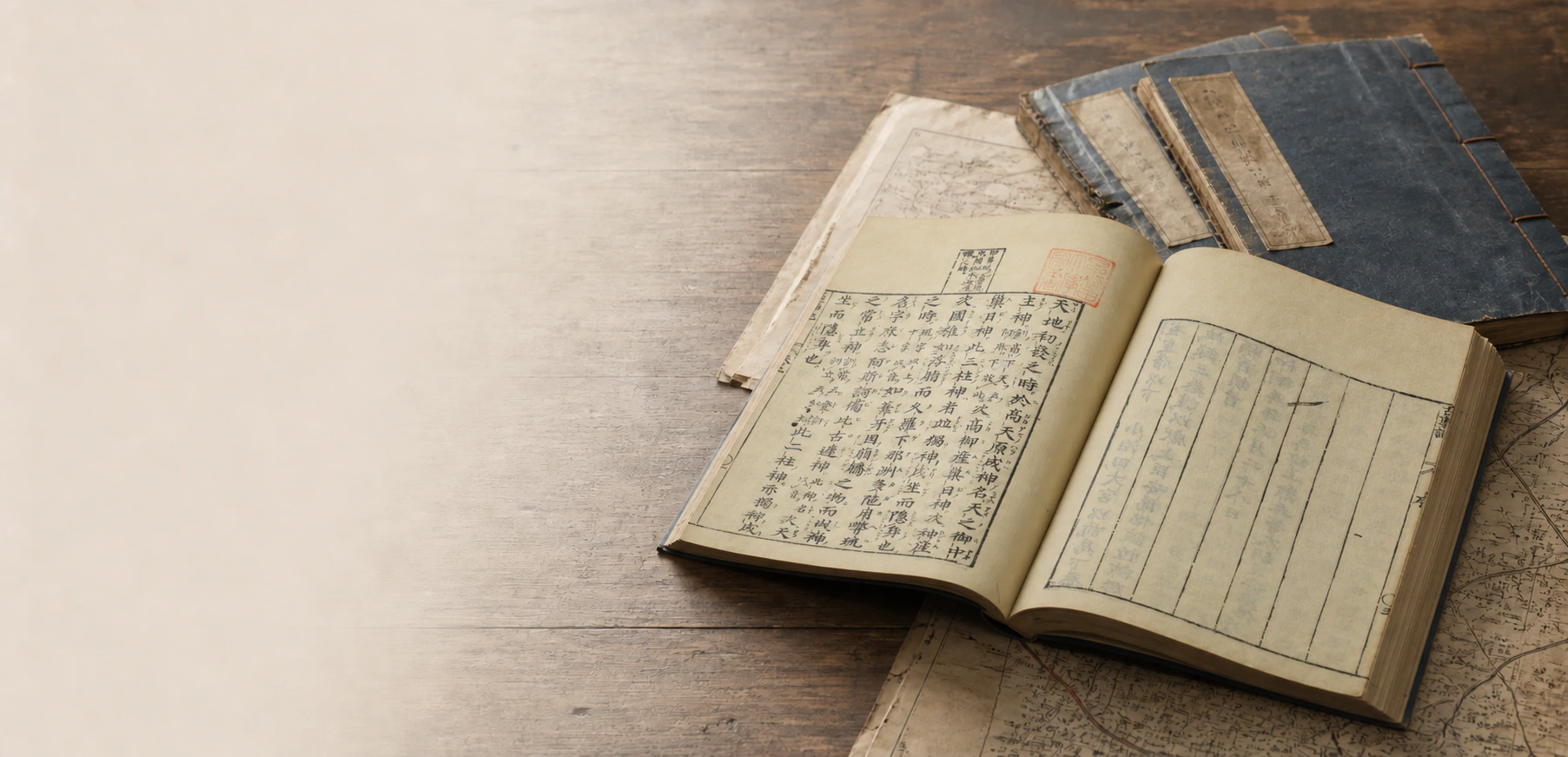
    Art and knowledge move through workshops, households, theaters, publishers, surveys, schools and newsrooms. These ten moments make those settings visible alongside the named creators. A bronze image needed patrons and craft labor; a literary work needed readers; an anatomy translation needed language study and printing. The notes introduce the particular work of making and circulating each achievement rather than presenting a parade of isolated geniuses. They also distinguish a finished object from later attribution, copying or commemoration. Follow the linked articles for the materials, collaborators and surviving records that connect cultural accomplishment to the society in which it was produced.

    1. 01 · 605–623

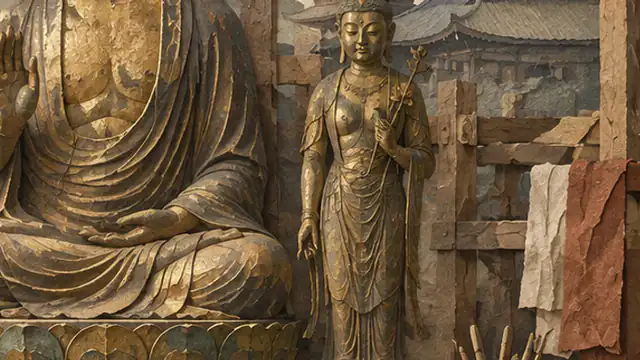
      Tori Busshi and the Hōryū-ji Shaka Triad

      • Historical contextEarly Buddhist commissions required patrons, materials and specialist craft communities. Continental connections helped make large sacred images possible at the Yamato court.
      • Key playersTori Busshi was named as the responsible craftsman. Suiko’s court and Prince Umayado’s household provided patronage, while multiple workers contributed to production.
      • What happenedCourt commissions in 605–606 preceded the Hōryū-ji Shaka Triad dated 623. Its halo names Tori and frames the image around illness, death and memorial devotion.
      • Why it matteredThe surviving work links religious patronage, craft organization and artistic form. Its inscription offers stronger attribution than resemblance to a style alone.
      • What to noticeDistinguish named responsibility from solitary authorship. Related sculptures may belong to workshops or wider communities without being Tori’s personal work.
      Read the event article →
    2. 02 · 1005-1010

      Murasaki Shikibu Serves in Empress Shōshi’s Household

      • Historical contextCourt households needed literary learning alongside ceremony and family obligations. Shōshi’s household provided a setting in which writing could acquire support and readers.
      • Key playersMurasaki Shikibu served Empress Shōshi, daughter of Fujiwara no Michinaga and consort of Emperor Ichijō. Patrons, attendants and visitors formed her immediate audience.
      • What happenedAround 1005–1006 Murasaki entered service. Her diary recorded childbirths, ceremonies and conversations showing familiarity with The Tale of Genji.
      • Why it matteredHousehold service connected a long fictional narrative to court social life. Patronage supported the writer without proving that Michinaga commissioned or controlled the entire work.
      • What to noticeRead the diary as evidence of relationships and circulation. Later illustrated scrolls depict selected episodes but are not contemporary images of the writing process.
      Read the event article →
    3. 03 · 1400-1424

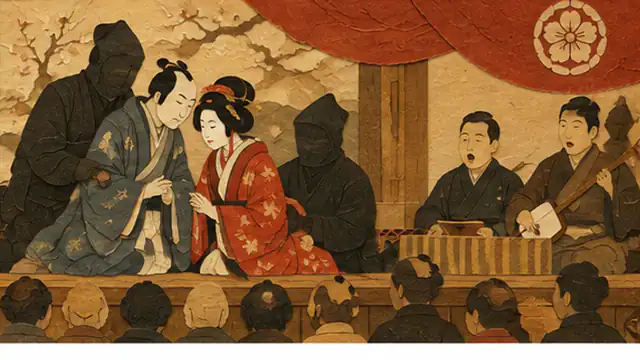
      Zeami Writes the Fūshikaden and Later Treatises

      • Historical contextSarugaku performance, an ancestor of noh, depended on training, patronage and an audience’s changing expectations. Zeami drew on Kan’ami’s teaching and his own stage experience.
      • Key playersZeami wrote for performers and those receiving the art’s instruction. His father Kan’ami supplied an important inheritance, but Zeami continued developing his own judgments.
      • What happenedFrom around 1400 he composed and expanded Fūshikaden, followed by other treatises. They discussed age, voice, movement, role-making and the effect he called the flower.
      • Why it matteredThe writings gave later performers a vocabulary for an art learned through practice. They preserve a developing body of thought rather than a single fixed formula.
      • What to noticeNotice how a performer’s early attractiveness differs from lasting skill, and how theatrical interest depends on spectators as well as technique.
      Read the event article →
    4. 04 · 1703

      The Premiere of The Love Suicides at Sonezaki

      • Historical contextOsaka’s commercial theaters could respond quickly to incidents in urban life. The deaths of Ohatsu and Tokubei in 1703 supplied material for a new puppet drama.
      • Key playersChikamatsu Monzaemon wrote the play for Takemoto-za. Chanters and puppeteer Tatsumatsu Hachirōbei helped turn its scenes into a successful performance.
      • What happenedThe Love Suicides at Sonezaki premiered about a month after the deaths. Concealment, gesture and narration made the lovers’ predicament intelligible to spectators.
      • Why it matteredIts success helped contemporary-life drama gain prominence. A commercial stage transformed a recent incident into an enduring work through techniques specific to performance.
      • What to noticeDistinguish the historical deaths from the play’s fraud, dialogue and gestures. Dramatic scenes explain the artwork’s effect without proving what the couple actually experienced.
      Read the event article →
    5. 05 · 1774

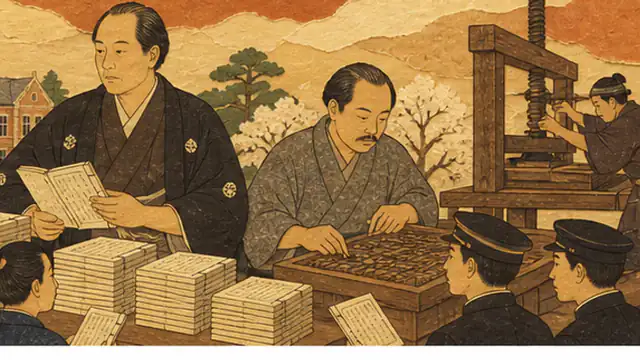
      Publishing Kaitai Shinsho

      • Historical contextA 1771 dissection encouraged physicians to compare European anatomical illustrations with observation. Understanding the accompanying Dutch prose proved a separate challenge.
      • Key playersSugita Genpaku and Maeno Ryōtaku led a collaborative translation. Publisher Suharaya Ichibee and illustrator Odano Naotake helped bring the fuller work to readers.
      • What happenedKaitai Shinsho appeared in 1774 after a distinct illustrated preview in 1773. Translators rendered anatomical descriptions into literary Chinese and developed terms for medical readers.
      • Why it matteredPrinting carried the results beyond the original working group. The translation remained imperfect, and later revision continued rather than treating publication as complete mastery.
      • What to noticeFollow the separate work of observation, translation, illustration and publishing. Genpaku’s famous memoir was written decades after the events it describes.
      Read the event article →
    6. 06 · 1689

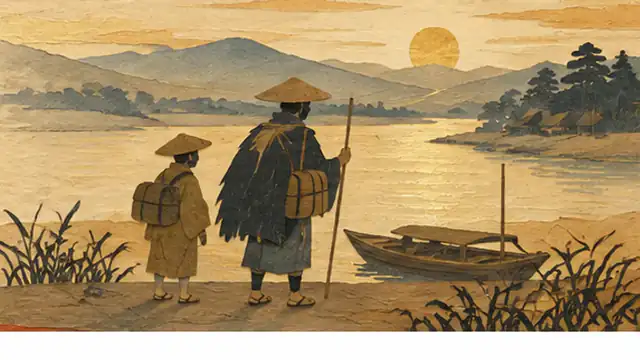
      Bashō and Sora Depart for the Northern Journey

      • Historical contextPoetry attached meanings to shrines, temples and places remembered for earlier literature and warfare. Travel offered encounters with those places but required practical support.
      • Key playersBashō traveled with Kawai Sora, whose notes provide another record. Friends, local guides and hosts helped arrange boats, lodging and onward movement.
      • What happenedThey departed Edo in 1689 for a northern journey. Bashō later shaped encounters and poems into Oku no hosomichi, a crafted literary account.
      • Why it matteredThe journey joined bodily travel to the reworking of inherited cultural geography. Its influence rests in the writing as well as in the route actually followed.
      • What to noticeCompare travel records with literary arrangement. Farewells, famous places and selected episodes need not reproduce a diary’s exact sequence or every day on the road.
      Read the event article →
    7. 07 · 1821

      The Completed Inō Map Reaches the Shogunate

      • Historical contextYears of coastal surveys produced observations that still needed compilation. Inō Tadataka died before the final national map set reached the shogunate.
      • Key playersInō’s survey teams collected measurements; the shogunate’s astronomical office completed the work. Compilers and copyists extended the project beyond its most famous participant.
      • What happenedThe completed maps were submitted in 1821 in large, medium and small-scale sets. Each scale organized the accumulated information for a different geographical extent.
      • Why it matteredThe compilation became a resource for subsequent mapping. Destruction of the palace originals in 1873 made copies and related versions crucial to its preservation.
      • What to noticeDistinguish fieldwork from compilation and an original map from a later copy. A surviving sheet records transmission as well as geographical measurement.
      Read the event article →
    8. 08 · 1830

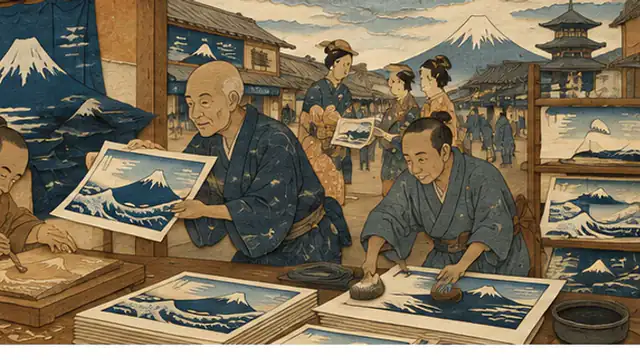
      Publishing Thirty-six Views of Mount Fuji

      • Historical contextCommercial print publishing linked artists to audiences able to purchase landscape images. A familiar sacred mountain could appear within many different scenes of work and travel.
      • Key playersHokusai designed the images; publisher Nishimura Eijudō issued them. Printing and distribution made the series a collaborative commercial undertaking.
      • What happenedThirty-six Views of Mount Fuji appeared over several years, beginning around 1831. Success brought ten additional designs, extending the series beyond its initial title.
      • Why it matteredRepeated views joined a recognizable subject to varied perspectives, weather and human activity. Prussian blue expanded the prints’ color resources and visual effects.
      • What to noticeCompare the arrangements of wave, boats and distant mountain with views dominated by Fuji itself. The catalog date does not imply all forty-six prints appeared at once.
      Read the event article →
    9. 09 · 1872–1876

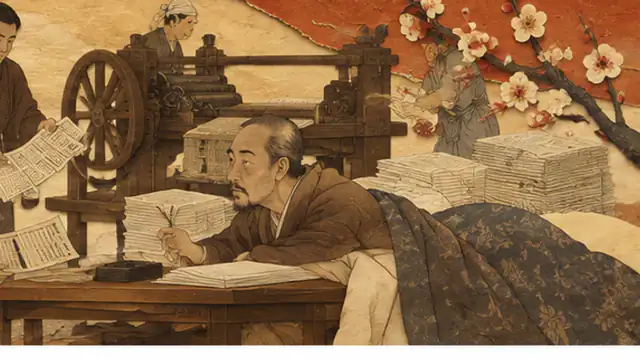
      Publishing Gakumon no Susume

      • Historical contextEarly Meiji change raised questions about inherited status, education and independence. Inexpensive print offered a means of addressing readers beyond a small scholarly circle.
      • Key playersFukuzawa Yukichi and Obata Tokujirō coauthored the first pamphlet. Fukuzawa continued the series, supported by educational and publishing networks.
      • What happenedSeventeen parts of Gakumon no Susume appeared between 1872 and 1876. Essays urged practical learning and linked individual independence to national independence.
      • Why it matteredThe series made education and self-cultivation subjects of broad public debate. Its circulation did not itself make society equal or remove barriers to participation.
      • What to noticeRead the successive pamphlets as an evolving argument. The later collected book can obscure changes of emphasis and the collaborative beginning.
      Read the event article →
    10. 10 · 1892–1898

      Shiki Uses Newspaper Serials to Challenge Poetic Conventions

      • Historical contextPoetry circulated through inherited conventions and established judgments of prestige. Newspapers gave literary criticism a recurring venue before a wider reading public.
      • Key playersMasaoka Shiki wrote and edited for Nippon and related publications. His targets included received judgments about Ki no Tsurayuki and the Kokinshū anthology.
      • What happenedFrom 1892 he published serial arguments about haiku, followed by the 1898 Letters to a Tanka Poet. Close discussion of particular poems supported his proposals.
      • Why it matteredPaid newspaper work joined criticism to selection, editing and repeated public response. Reform became an argument conducted through examples, rather than a private declaration alone.
      • What to noticeTest how Shiki explains individual words and images. His attacks are critical positions, not proof that all earlier poetry lacked value.
      Read the event article →

    Reading preferences

    Text size
    Glossary intensity

    Choose how much explanation appears as you read.

    Saved on this device. All terms remain available in the glossary.

    Browse the glossary →
    History Omakase

    Opening reading…