01 · 645
The Isshi Coup and Kōtoku's Succession
- Historical contextRoyal succession and ministerial power were intertwined. Soga no Iruka’s destruction of a rival prince’s household in 643 had sharpened the danger of one family dominating the court.
- Key playersPrince Naka no Ōe and court adviser Nakatomi no Kamatari opposed Iruka. Empress Kōgyoku was the reigning sovereign; her brother became Emperor Kōtoku after her abdication.
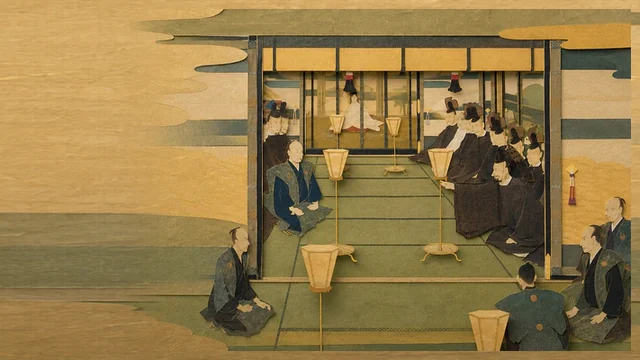
- What happenedThe conspirators killed Iruka during a palace ceremony in 645. The senior Soga household collapsed, and a new coalition received governing offices.
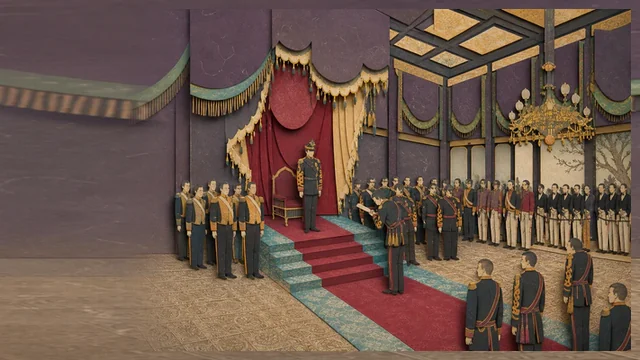
- Why it matteredThe coup changed the court’s leadership and opened room for administrative experiments. The reforms later called Taika developed unevenly over time.
- What to noticeDistinguish the immediate succession settlement from later reform, and the later court chronicle’s dramatic account from securely established actions.