Skip to content
Topics

Search History Omakase

Start typing to search.

    Top 10

    A center of power could be a planned capital, a retired sovereign’s household, a rival court or a warrior headquarters. These ten episodes follow how such centers were established, moved, divided and brought into new relationships. Buildings and titles mattered, but authority also depended on land, income, advisers, labor and decisions others would recognize. The notes explain what each change actually enabled, without assuming that a move or appointment instantly reorganized the whole country. The linked articles show the longer preparation and unfinished business behind the headline dates, from ancient court cities to the replacement of domain administrations.

    1. 01 · 694

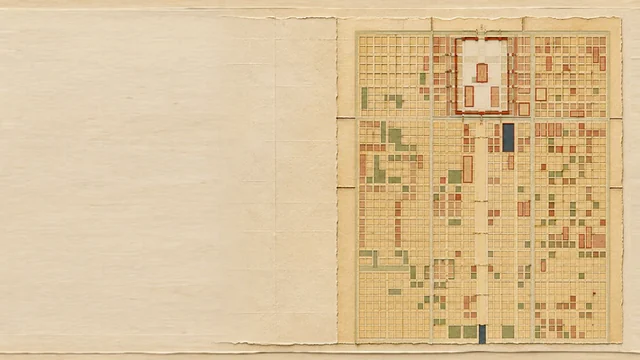
      The Court Moves to Fujiwara-kyō

      • Historical contextEarlier Asuka courts had moved among palace sites. Tenmu’s expanding administration prompted plans for a city linking royal residence, offices and officials’ housing.
      • Key playersEmpress Jitō completed the move after Tenmu’s death. Court officers, builders and suppliers translated the plan into an occupied administrative center.
      • What happenedThe court entered Fujiwara-kyō in 694 after inspections, land allocation and construction. A street grid and palace enclosure organized residence, ceremonies and official business.
      • Why it matteredThe capital gave government a more durable urban framework and served three reigns. Related legal reforms continued, without the move proving uniform administration throughout the realm.
      • What to noticeKeep planning, occupation and ongoing construction separate. Archaeology and modern reconstructions also represent different kinds of evidence for the former city.
      Read the event article →
    2. 02 · 707–710

      Genmei's Succession and the Move to Heijō-kyō

      • Historical contextMonmu’s death left his son too young to succeed immediately. An adult sovereign sustained the ruling line while the court considered a larger planned capital.
      • Key playersGenmei became empress in 707. Ministers including Fujiwara no Fuhito worked within her government; provincial workers supplied much of the new city’s labor.
      • What happenedA capital order in 708 led to the court’s entry into Heijō-kyō in 710. Offices, residences, roads, temples and markets developed within its plan.
      • Why it matteredThe move changed the spatial framework of government while preserving succession within the ruling family. Construction imposed labor and transport demands that continued after occupation.
      • What to noticeLook beyond the plan’s orderly appearance to the work sustaining it. Fuhito’s importance does not establish sole authorship of the city or every decision.
      Read the event article →
    3. 03 · 794

      The Court Moves to Heian-kyō

      • Historical contextKanmu’s court had already moved from Nara to Nagaoka. Construction burdens, political conflict and problems at the new center formed the setting for another relocation.
      • Key playersEmperor Kanmu authorized the move. Officials surveyed and built the capital; households, markets and provincial workers made occupation possible.
      • What happenedPreparations began before Kanmu entered the new city in 794. Named Heian-kyō, it remained a working capital while construction continued; major state building ended in 805.
      • Why it matteredThe move gave the court a durable center in the Kyoto basin. Its institutions and urban life outlasted the original grid and palace buildings.
      • What to noticeNotice how occupation differed from completion, and why moving away from Nara did not end its temples’ influence.
      Read the event article →
    4. 04 · 1086

      Shirakawa Abdicates to Horikawa and Develops Retired Rule

      • Historical contextA crown prince’s death reopened the succession question. Shirakawa chose to place his own young son on the throne rather than follow an earlier intended line.
      • Key playersShirakawa abdicated to Horikawa in 1086. Fujiwara no Morozane served as regent, while attendants and household officials supported the retired sovereign’s continuing influence.
      • What happenedShirakawa developed authority through property, advisers, correspondence and support for later successions. Retired rule acquired practical force over time, rather than appearing fully formed at abdication.
      • Why it matteredA sovereign could relinquish the reigning title while retaining substantial political resources. Regents, temples and reigning emperors nevertheless continued to exercise authority of their own.
      • What to noticeTrace the channels making a retired ruler’s command effective. The date marking insei’s beginning is not a blueprint for every later conflict.
      Read the event article →
    5. 05 · 1185

      The Bunji Authorization: Pursuit, Provisions and Warrior Appointments

      • Historical contextAfter the Genpei War, Yoritomo’s eastern warriors needed recognition beyond Kamakura. The pursuit of Yoshitsune and Yukiie brought their demands into a landscape of existing land rights.
      • Key playersMinamoto no Yoritomo sent Hōjō Tokimasa to negotiate with the imperial court. Estate proprietors and local administrators already held claims over the land involved.
      • What happenedIn 1185 the court accepted military pursuit, appointments and a broad rice levy. General collection was curtailed in 1186, while authorized steward appointments continued.
      • Why it matteredThis expanded Kamakura’s reach through local offices. Provincial security agents and estate stewards developed alongside older authorities, with disputed limits.
      • What to noticeRead the grant and its reversals together: later office categories do not establish that a uniform national system appeared overnight.
      Read the event article →
    6. 06 · 1336

      Go-Daigo Establishes a Rival Court at Yoshino

      • Historical contextGo-Daigo lost control of Kyoto to Ashikaga Takauji in 1336. Negotiation and supervised residence did not settle competing claims to the imperial succession.
      • Key playersGo-Daigo established himself at Yoshino; Takauji supported Emperor Kōmyō in Kyoto. Princes, commanders and regional allies gave the courts unequal military resources.
      • What happenedLate in 1336 Go-Daigo escaped to Yoshino and maintained a rival court. Both courts issued appointments and documents to sustain their claims.
      • Why it matteredThe division created lasting alternative centers of imperial legitimacy. Estate holders and commanders had to seek recognition that particular allies could actually enforce.
      • What to noticeDistinguish two courts from two stable territorial states. Allegiances shifted, and possession of regalia was itself part of the contested claim.
      Read the event article →
    7. 07 · 1392

      The 1392 Settlement Ends the Two Courts

      • Historical contextDecades of competing imperial courts persisted amid civil war. Yoshimitsu’s strengthening position made a negotiated end to their parallel reigns possible.
      • Key playersAshikaga Yoshimitsu organized settlement, aided by Ōuchi Yoshihiro. Southern emperor Go-Kameyama transferred the regalia to the Northern Court’s Go-Komatsu.
      • What happenedThe 1392 agreement brought Go-Kameyama from Yoshino to Kyoto. Reported arrangements included alternating succession and revenue provisions, whose fulfillment remained disputed.
      • Why it matteredAn active rival court ceased to operate, reducing an institutional rallying point for opponents. Southern dynastic claims survived because promised succession arrangements were not implemented.
      • What to noticeSeparate the transfer of sacred objects from the settlement of personnel, income and future succession. The agreement ended parallel reigns without erasing every grievance.
      Read the event article →
    8. 08 · 1603

      Ieyasu Becomes Shogun and Establishes Tokugawa Succession

      • Historical contextSekigahara left Ieyasu dominant in territorial settlements, but Hideyori remained at Osaka and the imperial court continued in Kyoto. His supremacy still needed durable institutions.
      • Key playersThe court appointed Ieyasu shogun. His son Hidetada, allied lords and officials helped turn Edo into the family’s governing headquarters.
      • What happenedAppointment in 1603 was followed by construction and Ieyasu’s transfer of the title to Hidetada in 1605. Ieyasu continued exercising authority from his retired government.
      • Why it matteredSuccession during the founder’s lifetime strengthened Tokugawa control of the office. Later laws and the Osaka campaigns formed further stages of consolidation.
      • What to noticeDistinguish title, headquarters and effective power. Receiving the shogunate did not instantly produce every institution associated with the later Tokugawa regime.
      Read the event article →
    9. 09 · 1868

      The Restoration Coup Replaces the Shogunate

      • Historical contextYoshinobu had returned governing authority but retained Tokugawa lands and forces. Leaders disagreed over whether he should participate in the next imperial government.
      • Key playersIwakura Tomomi and Satsuma leaders sought to displace Tokugawa leadership. Tosa’s Yamauchi Yōdō favored admitting Yoshinobu; the emperor authorized the new arrangement.
      • What happenedOn January 3, 1868—still 1867 in the Japanese calendar—coalition troops secured the palace. A proclamation abolished the shogunate and created provisional offices; an evening council demanded Yoshinobu’s office and lands.
      • Why it matteredThe coup changed the recognized governing center. Control of resources remained unsettled, and the military balance was tested at Toba and Fushimi.
      • What to noticeKeep declaration, negotiation and implementation separate: announcing restoration did not instantly establish nationwide control.
      Read the event article →
    10. 10 · 1869-1871

      Returning Registers and Abolishing Domains

      • Historical contextAfter restoration, domains still collected taxes and maintained troops. Central authority coexisted with administrations headed by former hereditary lords.
      • Key playersLeading domains offered lands and population registers to the emperor. National leaders then organized an imperial guard; local officials had to carry out the change.
      • What happenedIn 1869 former lords became appointed domain governors. In 1871 their offices were abolished and centrally appointed prefectural authorities replaced them, with staff temporarily continuing routine work.
      • Why it matteredThe center could reassign territory, officials and revenues. Consolidation, debt settlement, military reform and stipend changes required later measures rather than following automatically.
      • What to noticeNotice the difference between ending hereditary territorial office and resolving the livelihoods and financial obligations attached to it.
      Read the event article →

    Reading preferences

    Text size
    Glossary intensity

    Choose how much explanation appears as you read.

    Saved on this device. All terms remain available in the glossary.

    Browse the glossary →
    History Omakase

    Opening reading…