HO / CULTURE / OMAKASE
Omakase
Choose an Omakase. Follow the connections.


The setting for tea
Tea rooms, meals and utensils each have a place in a tea gathering.


A festival and its neighbourhood
Meet the floats, musicians and organisations behind a festival.


Genji in words and pictures
Read across the novel, painted scrolls and illustrated books.


Nishijin textiles in use
Follow woven cloth into dress, workshops and the spaces of Kyoto.


One room, different uses
Furniture and bedding help organise eating, sleeping and receiving guests.


Ryukyuan poetry on stage
Read about ryūka, sanshin and kumiodori as distinct but connected forms.


Designing for Tokyo 1964
Compare the architectural and graphic design tasks of Tokyo 1964.


Starting at the station
Luggage, shopping and gifts connect journeys with everyday life.


Spirits in animation and everyday belief
Compare fictional worlds with beliefs and landscapes without assuming a shared origin.


What gets protected?
Buildings, performances and natural places involve different forms of protection.


The shape of school life
Calendars, uniforms and activities show different sides of schooling.


Dressing and eating with the seasons
Clothing, sweets and celebrations follow different seasonal conventions.


A small case at the waist
Inrō, netsuke and sashes have different roles; decoration brings in other crafts.


Materials from the landscape
Compare thatched roofs and bamboo work through their materials and methods.


Images to read, play and buy
Colour prints, illustrated books and board games put images to different uses.


War stories in performance
The Tale of the Heike and the nō play Atsumori offer different ways of retelling war.


Poems and plants on cards
Compare poetry cards and hanafuda without treating one as the origin of the other.


Objects and greetings for New Year
Decorations, rice cakes and greeting cards have different roles in New Year observances.


One title, different tellings
Compare prose and film in Rashōmon, then manga and animation in Akira.


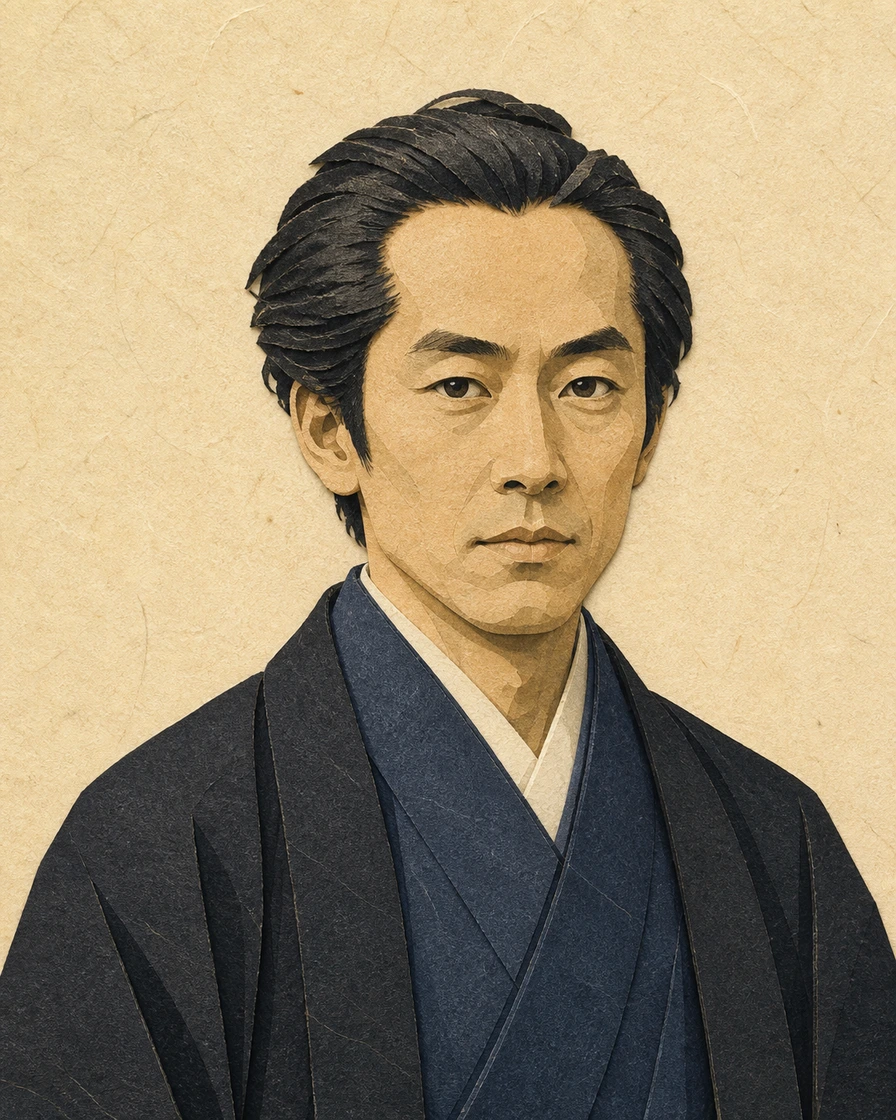
How books reach readers
Publishing, buying and borrowing provide different routes to a book.


Clothing for life's milestones
Ceremonial dress, celebrations and registration serve different purposes.


Cards and documents at work
Introductions, seals, consultation and approval play different roles at work.


Martial arts, schools and sport
Compare the practices and institutions of dōjō, school clubs and competition.


Everyday life in a neighbourhood
Shops, public facilities and residents' groups contribute in different ways.


Where a game's rules live
Boards, pieces and software organise play in different ways.


Sacred spaces and their practices
Use named temples and shrines to compare buildings, beliefs and visits.


Pilgrimage and travel
Read about sacred journeys, accommodation and gifts without treating this as an itinerary.


Bathing and staying overnight
Home baths, hot springs and inns involve different facilities and practices.


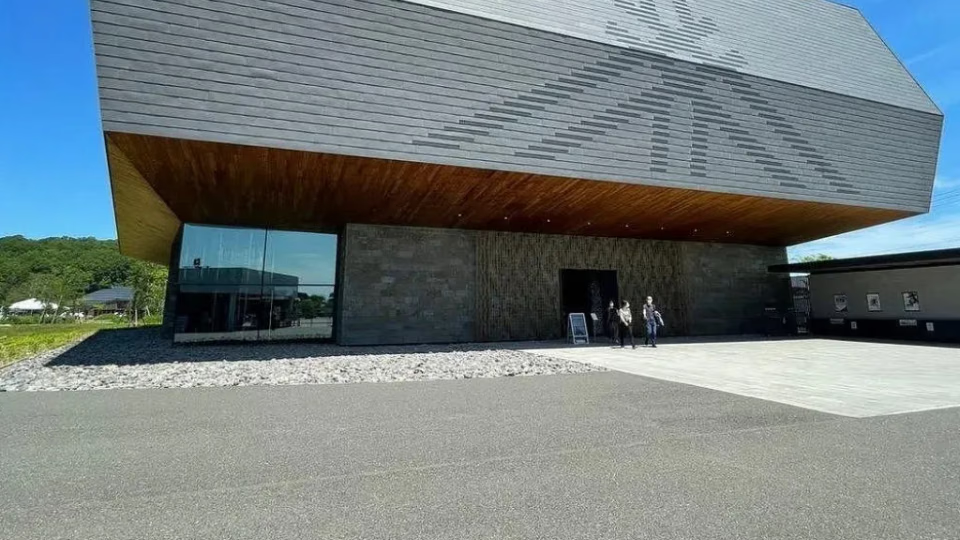
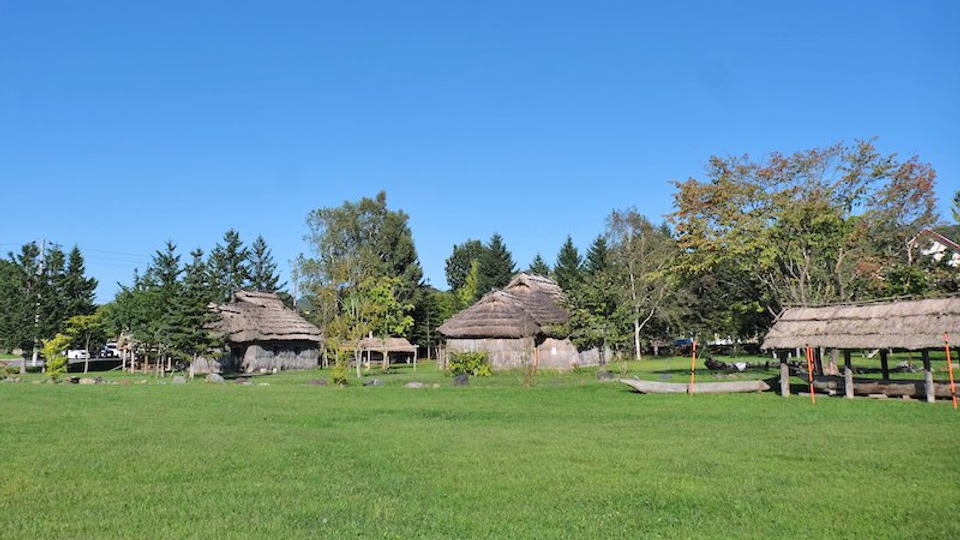
Ainu stories and their tellers
Begin with yukar and kamuy, then consider who presents and tells these stories.