
The Tale of the Heike: story, performance and versions
Literature & Publishing↗
The Tale of the Heike and the nō play Atsumori offer different ways of retelling war.
10 cards

Zeami’s Noh play Atsumori brings a monk called Renshō, formerly the warrior Kumagai Naozane, back to Ichi-no-Tani. There he encounters the past of the young man he killed, first through a grass cutter and then through Atsumori’s returning spirit.

The Buddhist understanding that conditioned things do not stay unchanged, expressed in particular ways in Japanese religious teaching and literature.

Nenbutsu can broadly mean recollecting or contemplating a Buddha. In Japanese Pure Land contexts it commonly refers to reciting Namu Amida Butsu. The same invocation is interpreted within different teachings, rituals and forms of daily life.

Pure Land teachings seek birth in a buddha-land as a path toward awakening. In Japan, the term usually centres on Amida Buddha and his western Pure Land of Bliss. It describes practices across Buddhist traditions as well as distinct institutions such as Jōdo-shū and Jōdo Shinshū.

A Noh mask, called omote by performers, is a carved and painted wooden face used to embody a role. Types indicate age, status and character, while movement and viewing angle give the fixed form a changing presence on stage.
Zeami’s Fūshikaden develops teachings about Noh from the practice of his father, Kan’ami. It considers training, roles, writing, audiences and the performer’s flower. Its familiar seven-part form emerged through years of composition and separate transmission rather than one public textbook written at once.
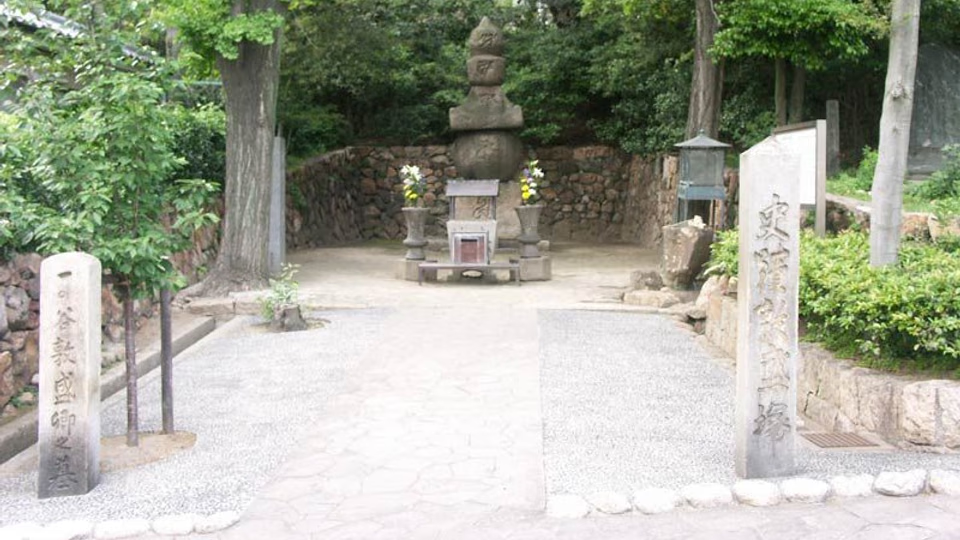
A courier's report, a disputed mountain route and a coast that offered escape recover the different scales of an 1184 defeat.
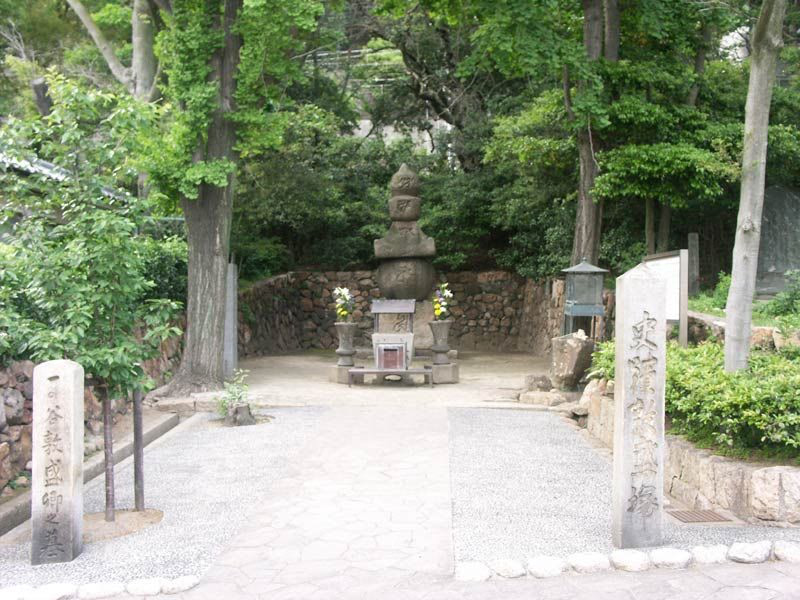
The Battle of Ichi-no-Tani in February 1184 was a broad engagement across the narrow Kobe corridor, not a duel fought at one surviving fort.