A 30-second introduction
Wagashi: ingredients, techniques and seasonal names
和菓子
Wagashi are Japanese sweets made in many forms, from rice dumplings and filled buns to yokan blocks and crisp monaka shells with sweet fillings. Elaborately shaped bean-paste sweets are one part of this wider range.

- Rice, wheat, beans and sugar are common ingredients.
- Steaming, baking, moulding and setting create different textures.
- Seasonality can appear in ingredients, shapes and names.
01
Ingredients do different jobs

Rice flour and glutinous rice are used for dumplings and mochi; wheat flour appears in some buns and baked sweets. Bean pastes provide fillings, sugar supplies sweetness, and ingredients such as agar or kudzu starch help set or thicken particular recipes. Some recipes also use eggs.
02
One family, several processes


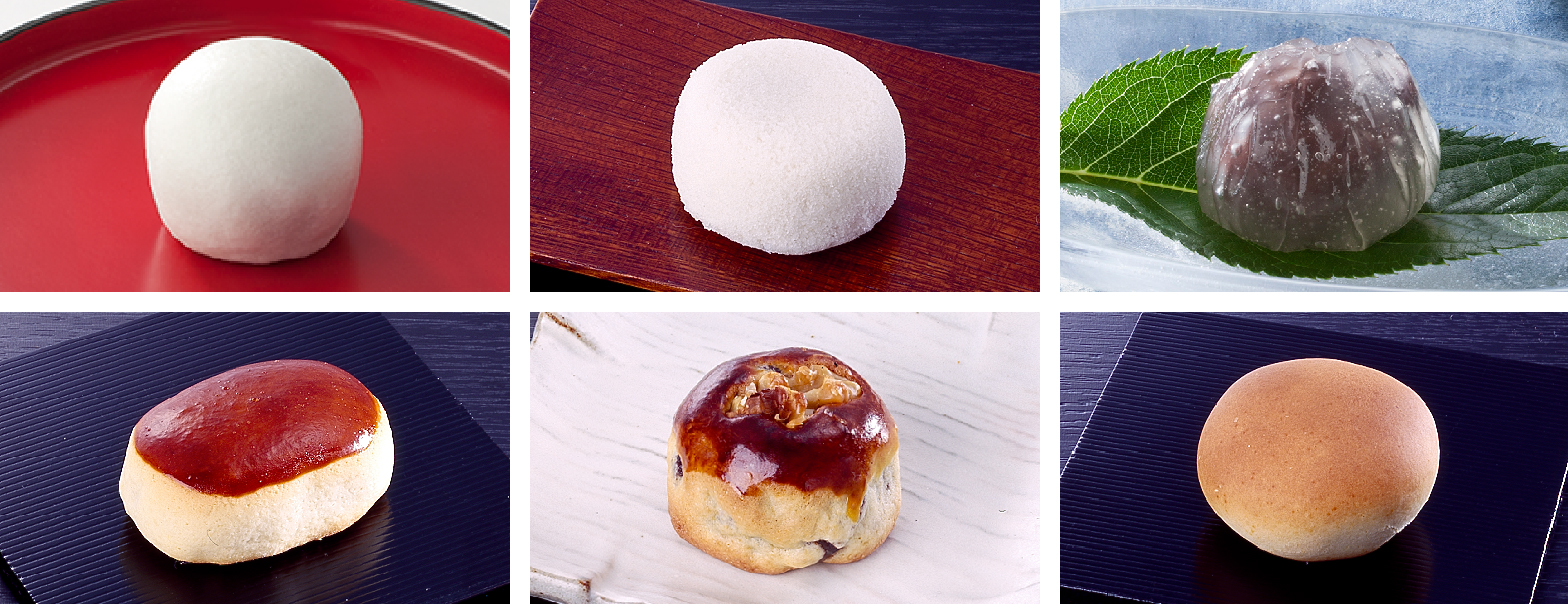
Many manju are buns made by wrapping a filling in dough and steaming it. Dorayaki sandwiches a filling between griddle-cooked pancakes, while monaka encloses it in crisp shells. Yokan can be steamed or set with agar. Nerikiri is worked bean paste shaped into forms such as flowers. Sweets are also grouped by moisture as fresh, semi-fresh or dry, although storage requirements vary by product.
Sealing also affects how long a sweet keeps. Toraya’s 2021 notice gave one unopened, room-temperature miniature-yokan product a best-before period of one year from manufacture. Its separate guidance for opened yokan recommends wrapping the exposed surface and eating it promptly. That one-year period applied to the unopened product.
03
Exchange and changing production

Exchange and urban consumption
Japan’s confectionery developed through several kinds of exchange. Rice preparations and fruits preceded imported Chinese-style confections and medieval foods served with tea. Portuguese and Spanish arrivals brought sweets such as castella and konpeito sugar candy. In the Edo period, wider sugar supplies and town consumption supported specialist shops, new varieties and poetic names. Western equipment and production methods added further possibilities from the Meiji period onward.
Medieval buns and refreshments
The foods behind familiar names also changed. Medieval sources presented by the National Diet Library place manju beside soup and vegetables as a light meal; another text distinguishes sweetened buns and vegetable-filled buns. Sweet and savoury forms thus appeared alongside one another in earlier meals.
The modern term wagashi
Wagashi is itself a modern category name. A Yamanashi Prefectural Library reference account traces competing terms for Japanese confections after Western sweets became a separate category, with wagashi settling into use around the late Taisho and early Showa periods. Many of the foods are older than the collective label.
04
Everyday eating and occasions
Occasions and seasons
Wagashi can be a snack, a tea accompaniment, a ceremonial food or a gift. Chestnuts and cherry leaves can signal a season, but shape, colour and the sweet’s name can do so too. Sakura mochi includes thin-wrapper and Domyoji-rice forms. Regional associations remain useful, but present-day availability does not follow an absolute east–west boundary.

The form of Kisewata
Kanshundo’s Kisewata has a red nerikiri body with petal-like grooves beneath a pale, shredded topping. The maker links this “cotton covering” design to a Chrysanthemum Festival custom: placing cotton over flowers overnight and using the scented, dew-moistened cotton the next day in a ritual for well-being.
Nerikiri within tea service
Omotesenke names nerikiri among the substantial main sweets, or omogashi. Its formal tea gathering pairs these with thick tea and dry higashi with thin tea; a simpler thin-tea service may instead offer one main sweet on a small plate with a kuromoji pick.
Check your understanding
Does wagashi mean nerikiri alone?
No. It also includes dumplings, buns, yokan, monaka and many other sweets.
Must seasonal meaning come from an ingredient?
No. Shape, colour and a name can convey it too.
Does a moisture category determine shelf life?
No. Storage and use depend on the particular product.
How does Kisewata express its seasonal reference?
Its flower form, pale covering and name evoke the Chrysanthemum Festival cotton-covering custom.
How does Toraya recommend handling opened yokan?
Wrap the exposed surface and eat it promptly. The one-year best-before period in its 2021 notice applied to an unopened product.
Must a main sweet such as nerikiri always accompany thick tea?
Not in every service. Omotesenke’s formal gathering uses that pairing, but a simpler thin-tea service can offer a main sweet too.
Sources and images
- 和菓子の歴史 | 全国和菓子協会
- wagashi.or.jp: Reference on Wagashi: ingredients, techniques and seasonal names
- maff.go.jp: Reference on Wagashi: ingredients, techniques and seasonal names
- 和菓子の歴史:農林水産省
- 甘春堂:重陽の節句・着せ綿
- 国立国会図書館・和菓子の歴史
- crd.ndl.go.jp: Reference on Wagashi: ingredients, techniques and seasonal names
- 表千家:茶の菓子
- assets.toraya-group.co.jp: Reference on Wagashi: ingredients, techniques and seasonal names
- 虎屋:開封後の羊羹
- Six varieties of manju. Japan Wagashi Association.
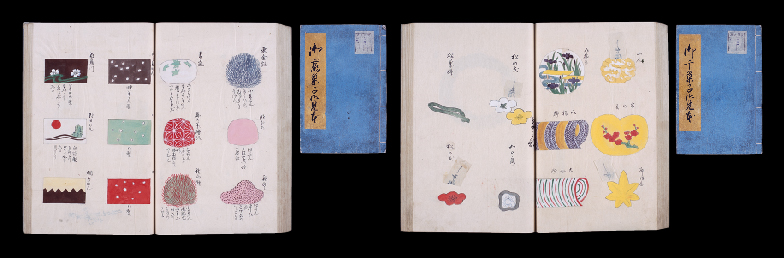
- Edo-period sample books of steamed and dry sweets from Nagoya’s Hosa Library. Japan Wagashi Association display image.